Forget the magic-button business
Every corner of the internet seems to have a new answer to the same question: which online business makes money fastest? Dropshipping, affiliate marketing, print-on-demand, AI services, and software subscriptions all arrive with their own success stories—and their own claims to being the easiest path. But a business model is not a shortcut around the hard parts: finding customers, offering something useful, and earning trust. The U.S. Small Business Administration’s market-research guide makes a less glamorous point: understanding customers and competitors comes before choosing a product. The Federal Trade Commission’s guidance on endorsements and advertising is another useful reality check for anyone selling online.
The simplest model starts with a specific need
For a beginner, the most manageable business may be a small service built around a skill, a clear audience, and a problem that needs solving. That could mean editing short videos for local businesses, organizing product listings, or helping a niche community use AI tools more effectively. The appeal is practical: services can often be tested without buying inventory or building a complicated platform first. Still, low startup costs do not guarantee income. The SBA’s startup-cost guide helps identify expenses that can be easy to overlook, while the IRS’s self-employed tax center outlines responsibilities that come with earning business income.
AI is a tool, not the business plan
AI can speed up research, brainstorming, drafting, and routine tasks, but it does not automatically create a customer base—or make a generic offer stand out. The stronger play is to use AI as leverage inside a service or product that already addresses a real need. That means checking outputs, protecting sensitive information, and making sure customers understand what they are buying. The FTC’s advice on AI-related claims cautions businesses against making unsupported promises, and NIST’s AI Risk Management Framework offers a broader look at responsible AI use.
Choose a test, not a fantasy
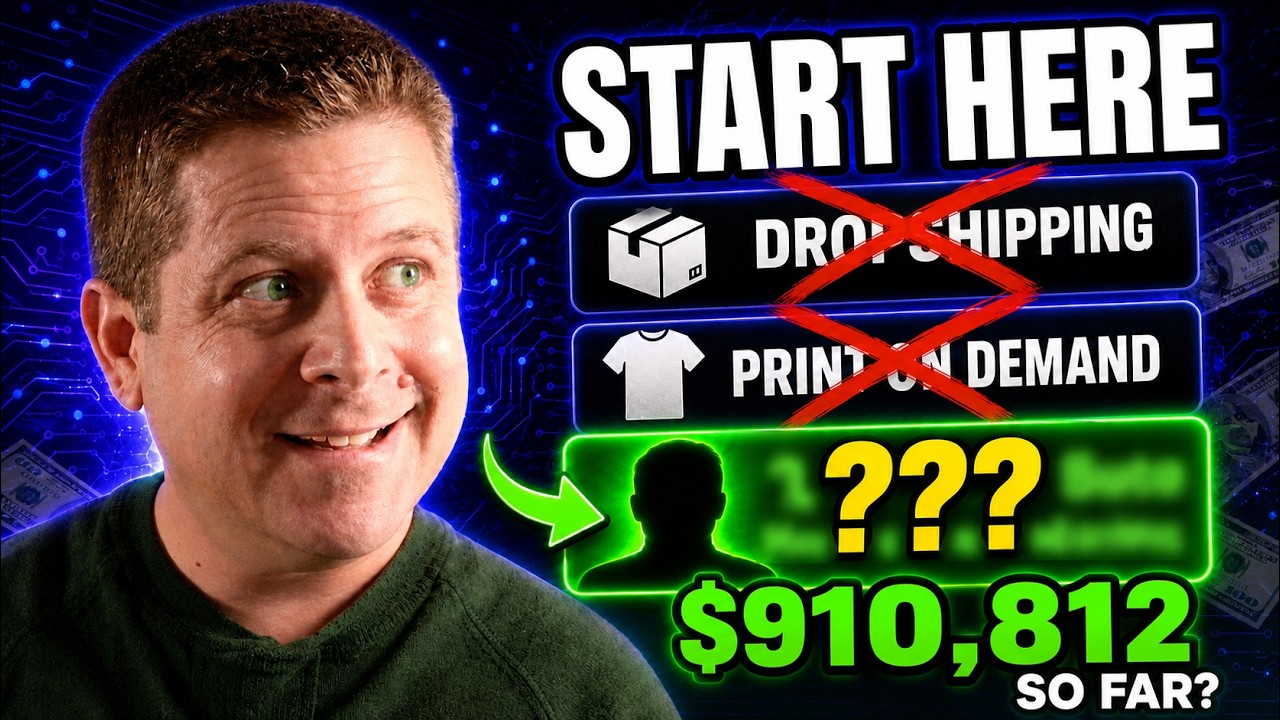
Instead of picking a business because a video calls it the fastest, a would-be entrepreneur can run a small test: talk to potential customers, describe one specific offer, and see whether anyone is willing to pay. That approach helps separate evidence from hype before a large investment in ads, inventory, or software. It also makes the next decision clearer: improve the offer, find a better audience, or move on. The SBA’s business-planning guide can help turn a promising test into a workable plan, while the FTC’s endorsement guidance explains disclosure expectations for endorsements and testimonials.
Easy to start is not easy to guarantee
There is no universally easiest online business, because the right fit depends on a person’s skills, time, audience, and tolerance for risk. Some models require more upfront work; others demand steady customer support, marketing, or technical upkeep. Results are not typical or guaranteed, and many people who try to make money online earn nothing—some lose money. A sensible starting point is therefore small, lawful, and transparent: understand the costs, avoid promises of effortless riches, and disclose affiliate relationships clearly. The FTC’s disclosure guidance for social media influencers and the SBA’s overview of legal compliance offer practical places to begin.