The Most Dangerous Move Is Looking Harmless
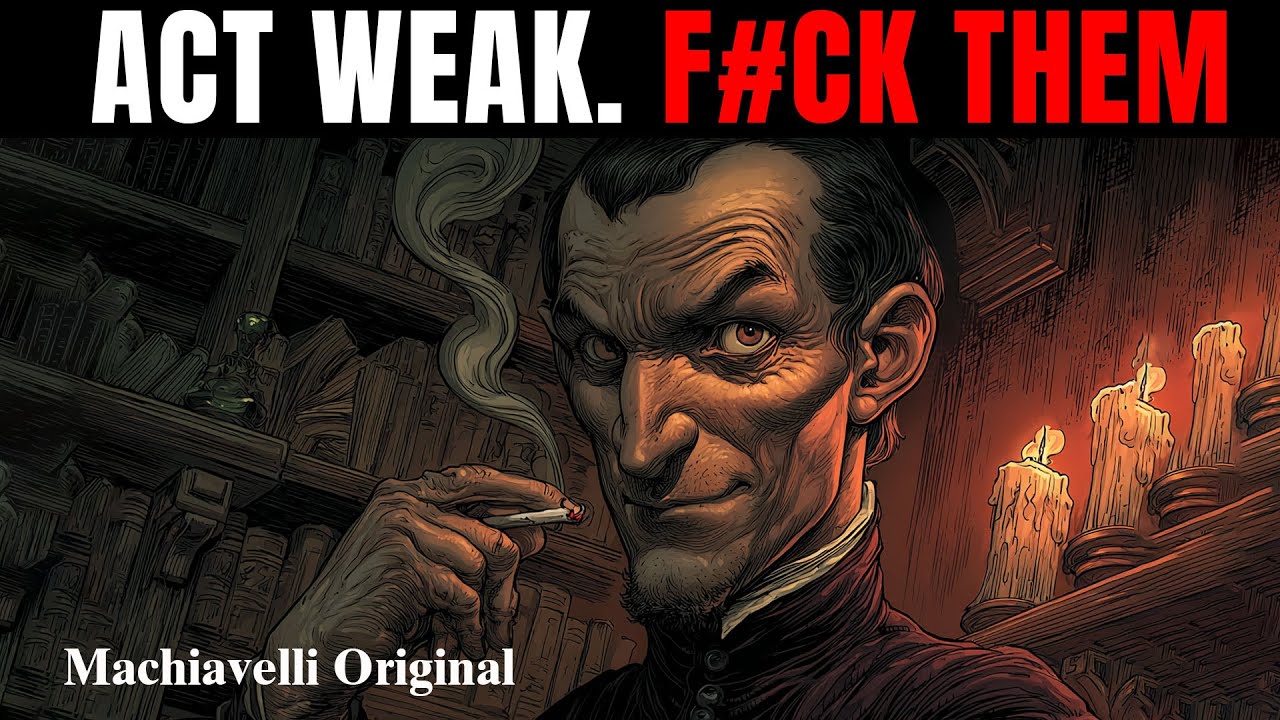
In strategy games, the player who charges into the open with every weapon blazing is easy to read. The quieter opponent, apparently outmatched and content to wait, can be far more unsettling. That is the appeal of the idea behind invisible power: strength does not always need to announce itself. Niccolò Machiavelli’s writing on political survival, explored in Encyclopaedia Britannica and The Prince, still resonates because it treats power as a contest of perception as much as force.
Machiavelli’s Lesson in Keeping Opponents Guessing
The core tactic is simple to describe and difficult to master. Someone who appears less threatening may prompt rivals to relax, speak freely, and reveal what they would otherwise conceal. In games, that resembles a feint: a player gives up a little visible ground to learn how an opponent reacts, then uses that knowledge when the stakes rise. The real advantage is information, not theatrical weakness—a distinction that echoes through Machiavelli’s political treatise and modern discussions of strategic thinking.
Silence Can Change the Shape of a Match
Silence and humility can work like camouflage, but they are not magic spells. A reserved player may be underestimated; a passive one may simply lose momentum. The difference lies in purpose: strategic patience means observing, choosing what to reveal, and acting when the moment is right. That kind of restraint is familiar across competitive play, from the deliberate mind games of IGN’s gaming coverage to the shifting rivalries chronicled by Polygon, where reading the person behind the move can matter as much as mastering the mechanics.
The Trap of Mistaking Weakness for Control
There is a darker edge to this philosophy. Treating every interaction as a trap can turn prudence into suspicion, while pretending to be powerless can damage trust if others recognize the performance. Machiavelli’s ideas are compelling partly because they invite debate about the gap between appearance and intention, not because every relationship should become a battlefield. Readers can explore that tension in the text of The Prince and in the broader historical context offered by Stanford Encyclopedia of Philosophy.
Win by Choosing When to Be Seen
For players and power-watchers alike, the lasting takeaway is less “act weak until others kneel” than “do not confuse visibility with strength.” A controlled reveal can be more effective than a constant display, especially when patience creates room to understand the situation before committing. That is power with timing: an advantage held in reserve, not a promise of domination. Machiavelli’s enduring reputation, reflected in historical scholarship and the continuing life of his most famous work, comes from making that unsettling question hard to ignore: who is actually in control—the person who looks powerful, or the one who knows when to reveal it?