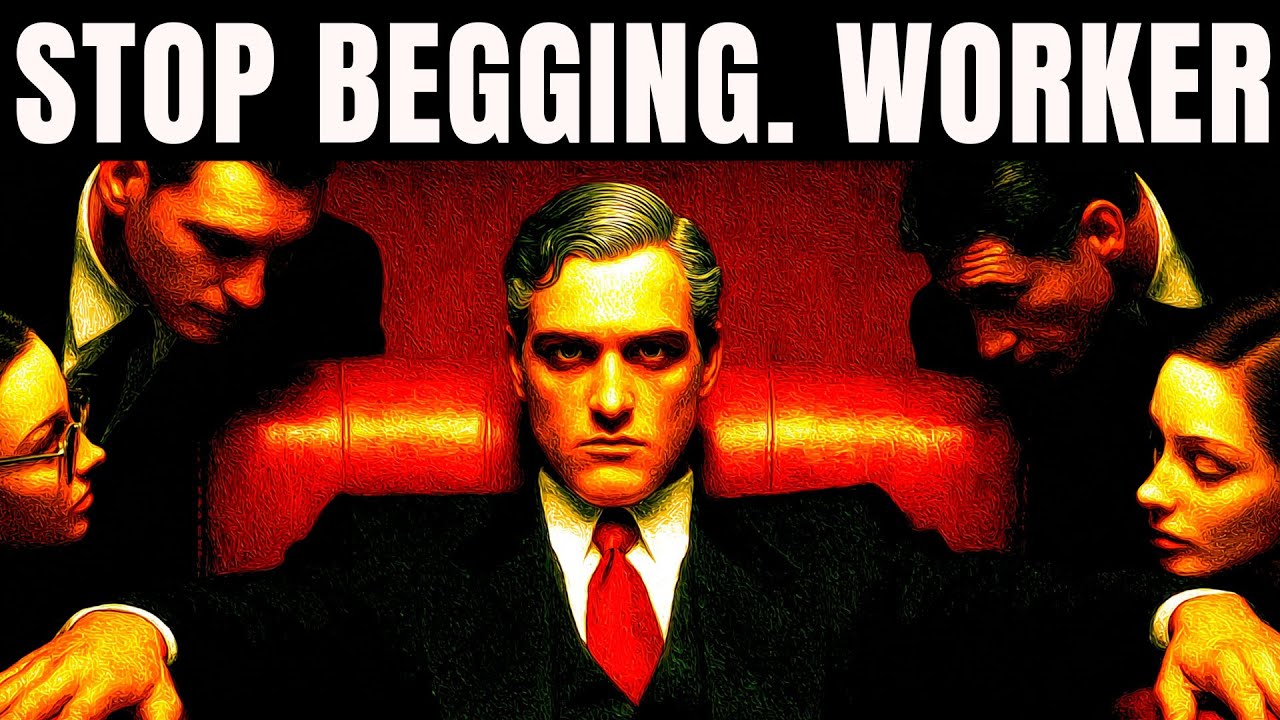
The Worker Looks Up, the Leader Reads the Room
In the world of Machiavellian strategy, the defining difference between a worker and a leader is not raw intelligence but attention. One watches for approval from above; the other studies the wider field, noticing who holds influence, where decisions are made, and what might shift next. That distinction echoes the strategic thinking associated with Niccolò Machiavelli and the political world explored in Britannica’s account of his life. Approval can feel reassuring, but when it becomes the goal, it narrows a person’s view of what is possible.
Approval Can Become a Leash
The approval-seeker often becomes skilled at reading a boss’s mood, softening opinions, and explaining every decision before anyone asks. Those habits can make someone dependable, but they can also keep that person useful without being influential. Machiavelli’s The Prince remains famous for its unsentimental examination of power, while Stanford Encyclopedia of Philosophy offers a deeper account of the thinker behind the reputation. The lesson is not that courtesy or collaboration should disappear; it is that constant validation-seeking can quietly turn capability into dependence.
Position Changes the Game
Position is more than a title on an office door. It means access to information, a voice in consequential decisions, and the ability to shape what happens next. In strategy games, map control often matters as much as the strength of any single unit; in organizations, the equivalent is understanding where decisions gather and how relationships carry influence. Civilization VI makes that strategic logic tangible, while IGN’s Civilization VI coverage explores the choices players make as they build power. The parallel is useful: leaders focus less on being applauded for every move and more on earning a place where their moves matter.
Machiavelli and the Uneasy Power of Silence
When someone stops over-explaining or fishing for reassurance, the change can make colleagues uncertain. They may test the new boundary, invite the person back into familiar routines, or mistake quiet confidence for distance. That moment is not automatic proof of rising status, but it can reveal how much a person’s old role depended on being endlessly agreeable. In the political world of The Prince, appearances and perception carry real weight; modern discussions of leadership, including Harvard Business Review’s leadership coverage, likewise examine how credibility is built through consistent action. Silence works best not as a performance, but as the space to listen, assess, and respond with intention.
Respect Is Built, Not Requested
Detaching from approval does not mean dismissing other people or treating every workplace like a contest for dominance. It means replacing the question “Do they like me?” with more useful ones: Is the work meaningful? Is the decision-making role clear? Does the current position allow real contribution? Machiavelli’s legacy, explored by Britannica and the history of The Prince, endures partly because it forces readers to examine how power actually operates rather than how they wish it operated. The strongest shift comes when self-respect replaces constant validation and earned authority takes the place of waiting to be chosen.