When the Journey Begins at the Crash Site
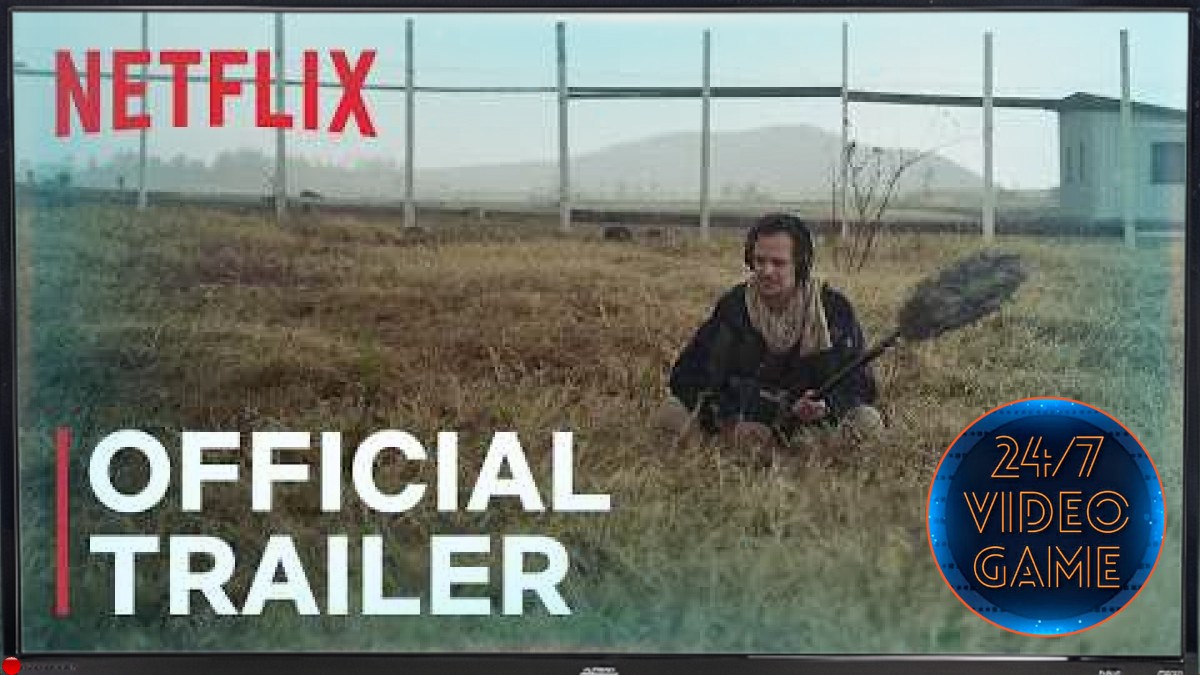
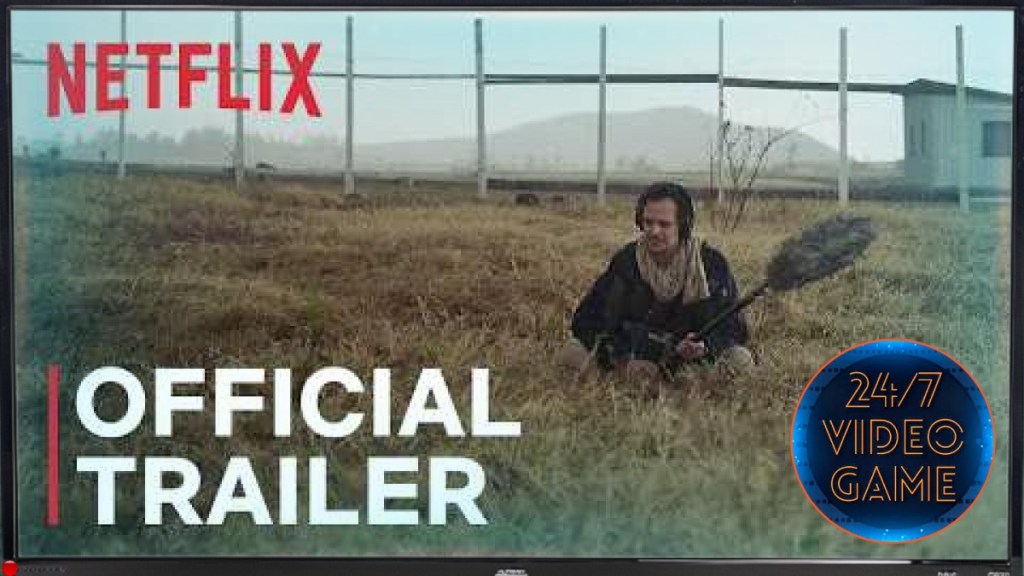
In March 2019, Ethiopian Airlines Flight 302 crashed minutes after taking off from Addis Ababa, killing all 157 people aboard. Among them was Max Thabiso Edkins, the younger brother of the filmmaker behind an open field. The short documentary follows the director and his father as they travel to the crash site, not to solve their grief but to find something tangible within it. That journey gives the film a deeply personal entry point into a tragedy documented by the history of Flight 302 and the wider story of the Boeing 737 MAX crisis.
A Landscape That Holds More Than Memory
The trailer’s title suggests openness, but an open field is not an empty place. It can hold the weight of absence, the silence after a loss, and the unexpected comfort of standing somewhere real when grief feels impossible to grasp. The film also turns toward residents of a small Ethiopian village near the crash site, whose connection to the aftermath adds another perspective to a family’s private mourning. In that meeting of personal loss and community memory, the documentary finds a human scale for a disaster often encountered through headlines and aviation reports, including BBC’s coverage of the crash and Netflix’s film page.
Grief Without Easy Answers
Rather than promising a neat arc from sorrow to resolution, the premise leaves room for grief to remain complicated. A journey to the place where a loved one died cannot undo what happened; its meaning lies in the act of going, looking, and sharing the experience with someone who carries the same loss. The father and son’s trip becomes a form of quiet remembrance, while the village’s presence suggests that healing can be shaped by people beyond the immediate family. That restrained approach distinguishes the film from a conventional disaster account, shifting attention from technical explanations—available through the FAA’s 737 MAX updates—to the lives that continue in the wake of catastrophe, as reflected in Netflix’s documentary offerings.
The Power of a Small, Human Story
As an award-winning short documentary, an open field appears to place intimacy ahead of spectacle. Its subject is immense, but its focus is deliberately close: a family, a village, and the difficult search for a point of contact with loss. That scale may be precisely what makes the film resonate. In a media landscape crowded with breaking news and sweeping explanations, a patient account of shared humanity can offer a different kind of understanding—one that does not claim to settle grief, but gives it space to be witnessed. Viewers can find the film through Netflix and learn more about the tragedy through the Flight 302 record.