When the Living Room Became the Controller
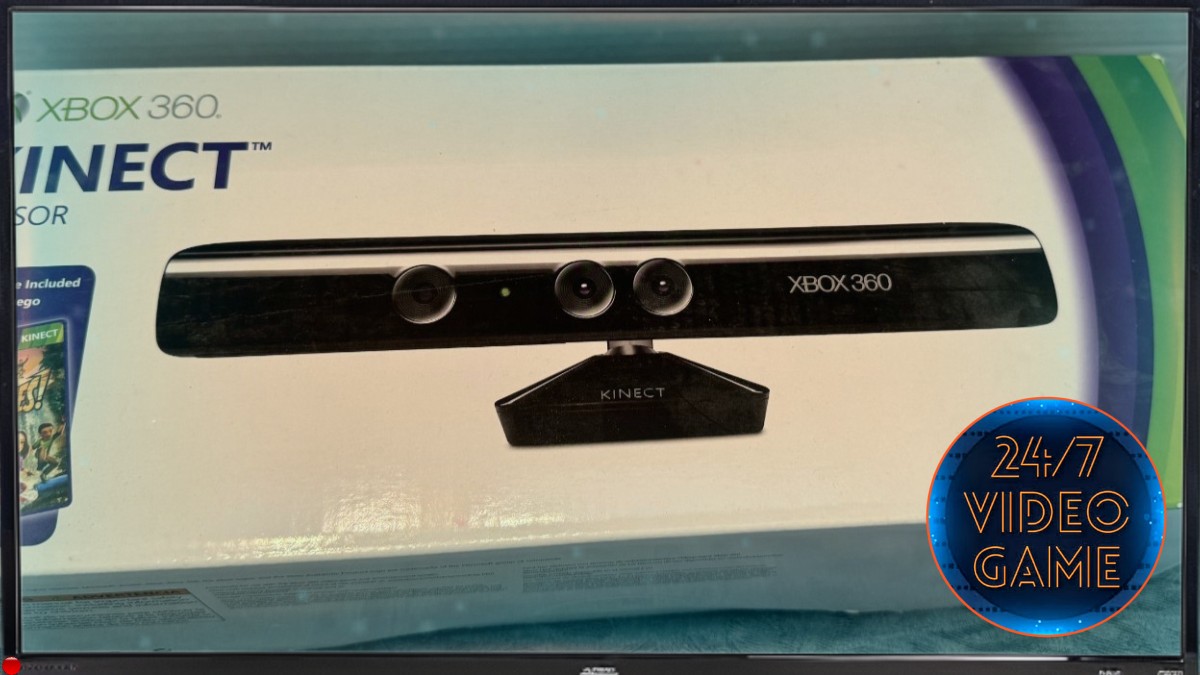
For a moment in gaming history, the controller was no longer something held in two hands. The Xbox 360 Kinect Sensor invited players to move, gesture, and speak, turning the space in front of the television into part of the game. That idea reflected a broader push toward motion-based play, one that remains a fascinating chapter in the story of Xbox 360 and the evolution of motion controllers.
Kinect Adventures Makes Movement the Mission
Bundled with the sensor, Kinect Adventures gave the hardware an immediate showcase. Its playful challenges were designed around full-body movement, making the living room feel less like a viewing space and more like a game arena. The appeal was easy to understand: instead of learning a complicated button layout, newcomers could simply step in and play—a quality that helped define the motion-control era and its energetic approach to party games. The game’s place in Kinect’s launch story is also recorded in the history of Kinect Adventures.
The Sensor That Tried to Read the Room
Kinect’s ambition went beyond tracking a hand or a wand. Its camera-based motion tracking aimed to recognize bodies and gestures, offering a distinctive alternative to traditional gamepads. That made the sensor feel both futuristic and wonderfully theatrical: players became the moving parts of the experience, visible to friends gathered around the screen. The technology belongs to a wider lineage of interactive entertainment, alongside innovations explored by Microsoft and the changing design of video game controllers.

Compare Live Prices
Lore & Research Data
Partner Deals & Off-Topic
A Snapshot of Xbox’s Experimental Side
A Kinect bundle paired with Kinect Adventures represents more than a way to revisit a particular game. It recalls a period when console makers were willing to rethink how players interacted with games—and when getting everyone off the couch was part of the pitch. For collectors and longtime fans, the Xbox 360 remains a console associated with bold experiments as well as blockbuster releases, a legacy reflected in retrospectives from IGN and the platform’s official Xbox home.