Call of Duty: Black Ops 7 – Official Season 4 Launch Trailer
Call of Duty: Black Ops 7 – Official Season 4 Launch Trailer Don’t miss the Season 4 Launch Trailer for…


Call of Duty: Black Ops 7 – Official Season 4 Launch Trailer Don’t miss the Season 4 Launch Trailer for…
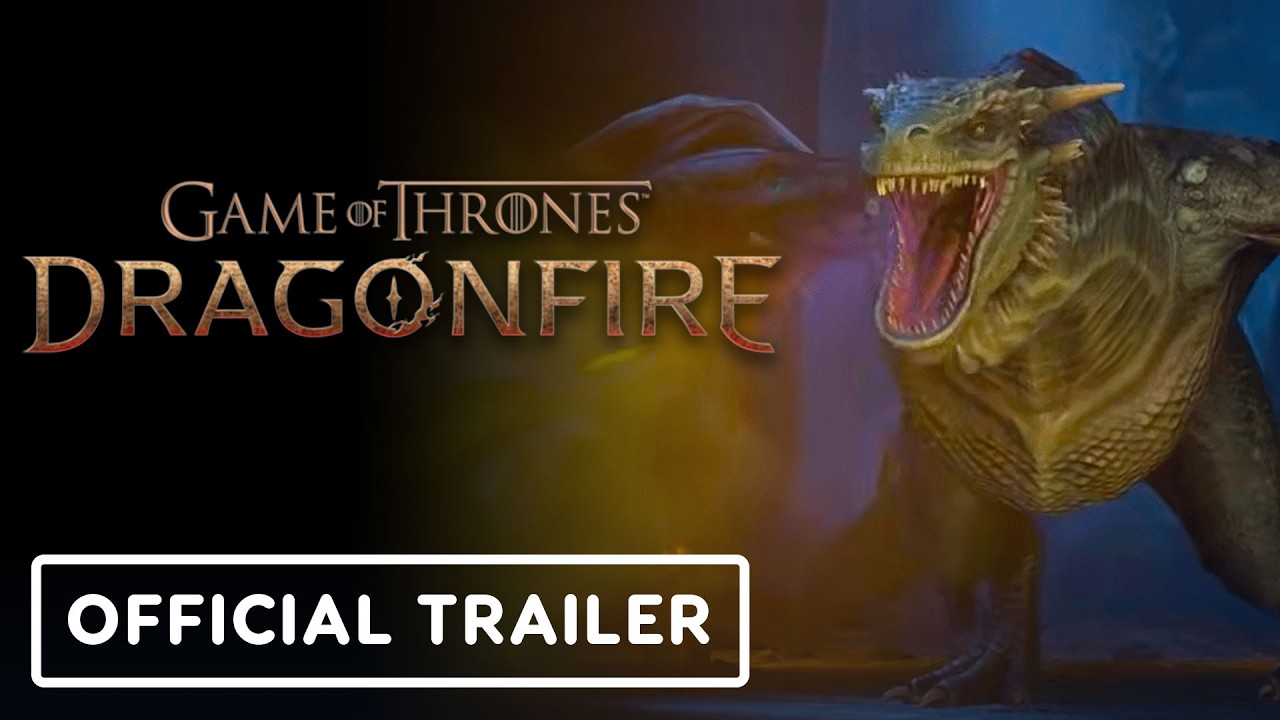
Game of Thrones: Dragonfire – Official Launch Trailer Watch the Launch Trailer for Game of Thrones: Dragonfire, a free-to-play mobile…
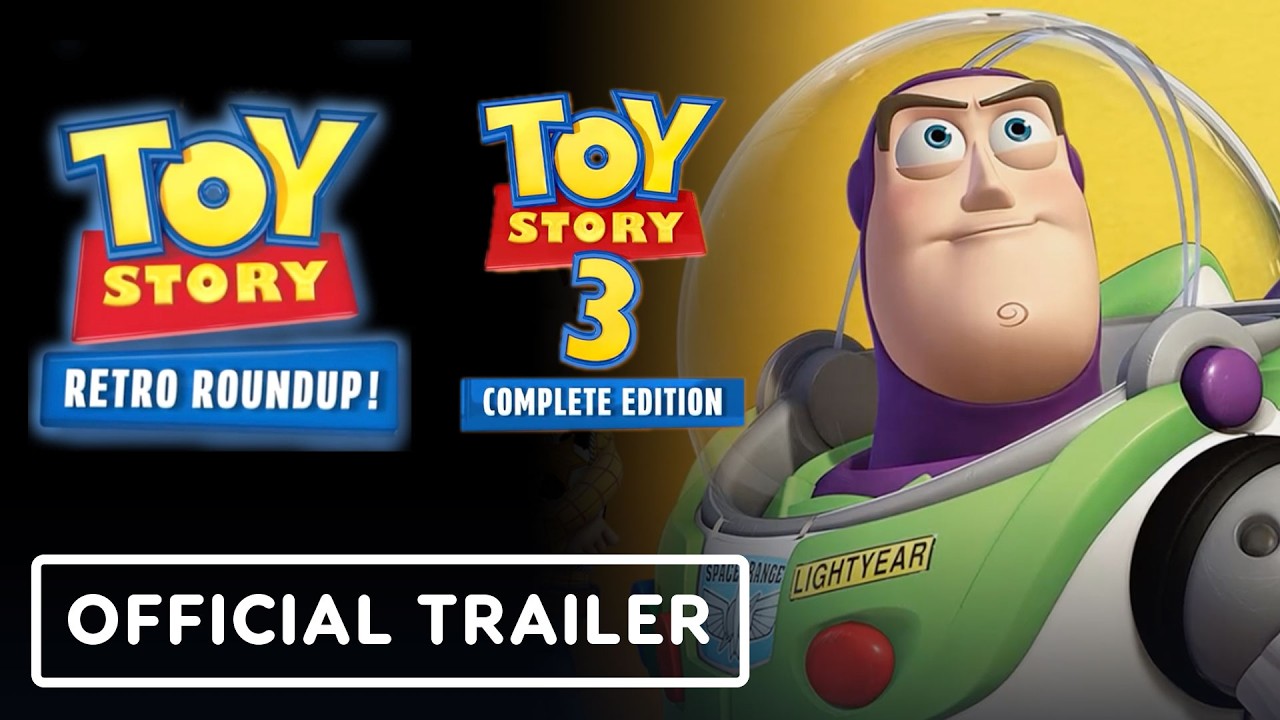
Toy Story: Retro Roundup & Toy Story 3: Complete Edition – Official Announcement Trailer Check out the announcement trailer for…

Call of Duty: Modern Warfare 4 – Official "From The Ward Ep.4" Video In this latest installment of the From…

Where Winds Meet – Official Imperial Palace Chapter 2 Expansion Trailer Check out this brand new trailer for Where Winds…
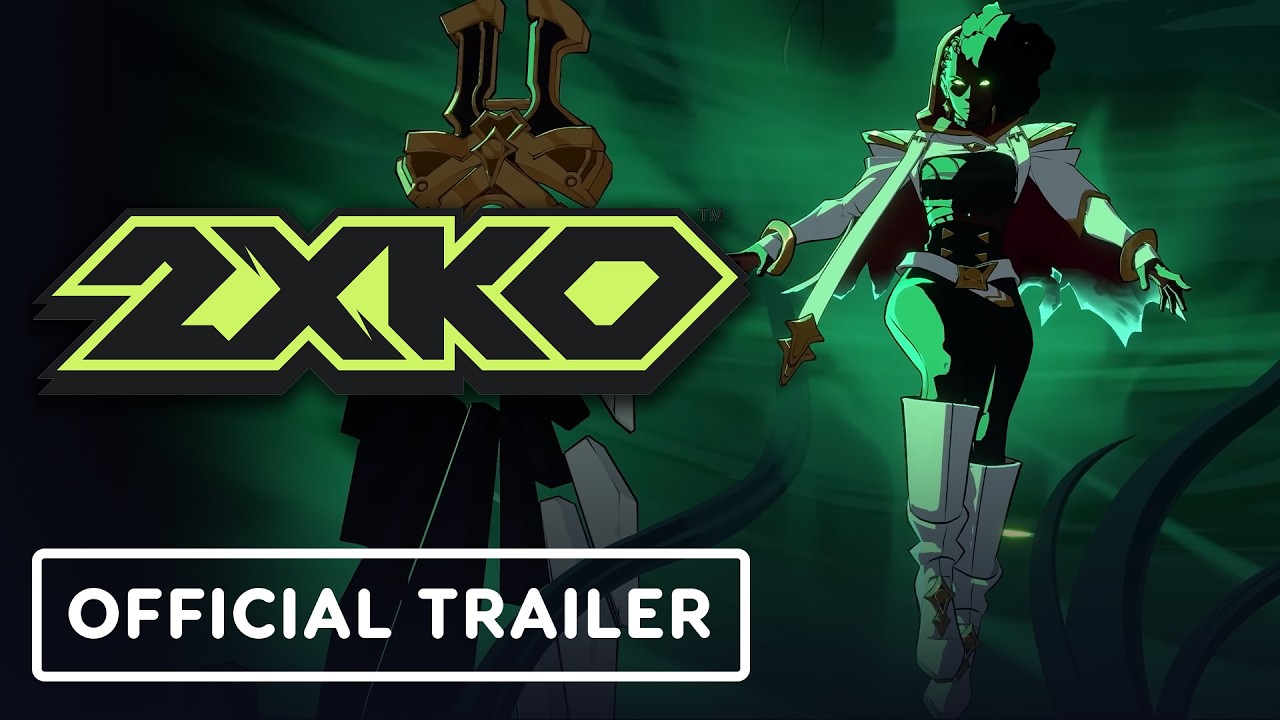
2XKO – Official Senna Gameplay Reveal Trailer Don’t miss the Senna gameplay reveal trailer for 2XKO, the 2v2 Tag Fighter…

Clutch – Official Behind-the-Scenes Reveal Don’t miss the Behind-the-Scenes Reveal for Clutch, an upcoming open-world action racing game developed by…

theHunter: Call of the Wild – Official Peru Hunting Reserve DLC Trailer Check out the new trailer for TheHunter: Call…

Bonehold – Official Release Window Trailer Get a look at the Release Window Trailer for Bonehold, a dark fantasy hack-and-slash…
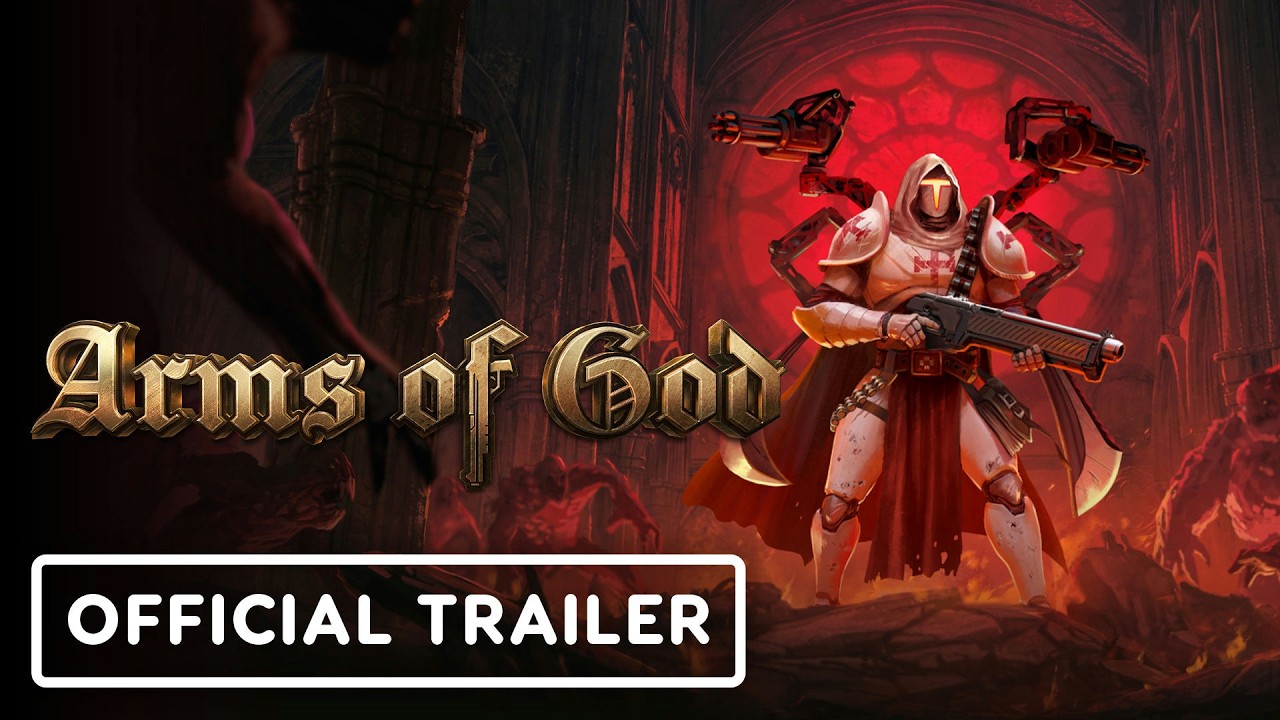
Arms of God – Official Early Access Launch Trailer Blast your way through Hell in Arms of God, the imminent…

Wuthering Waves x Cyberpunk: Edgerunners – Official Rebecca Combat Trailer Check out the Cyberpunk: Edgerunners Rebecca Combat Trailer for Wuthering…
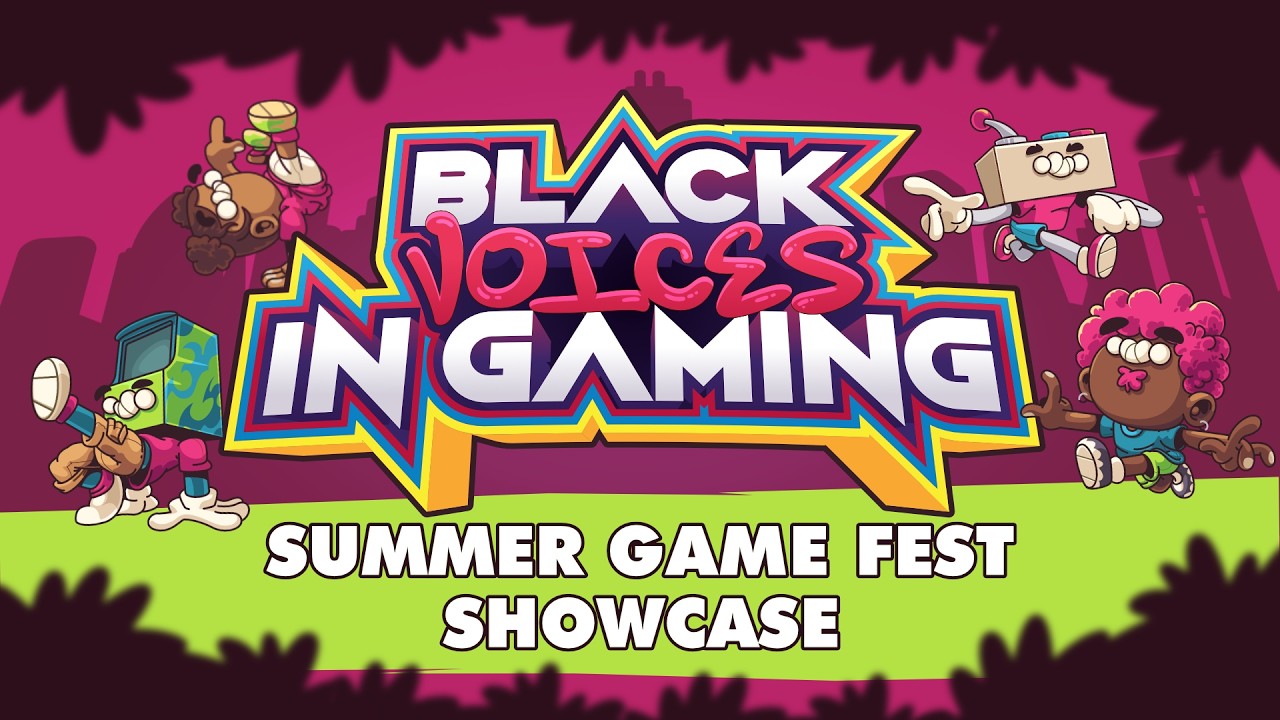
Black Voices in Gaming 2026 Summer Game Fest Showcase Black Voices in Gaming returns with an exciting global collection of…

Empulse – Official Early Access Cinematic Trailer Watch the Early Access Cinematic Trailer for Empulse, an upcoming first-person 6v6 arcade…

Kopernicus: Extraction – Official Announcement Trailer Don’t miss the Announcement Trailer for Kopernicus: Extraction, a top-down action roguelike shooter developed…
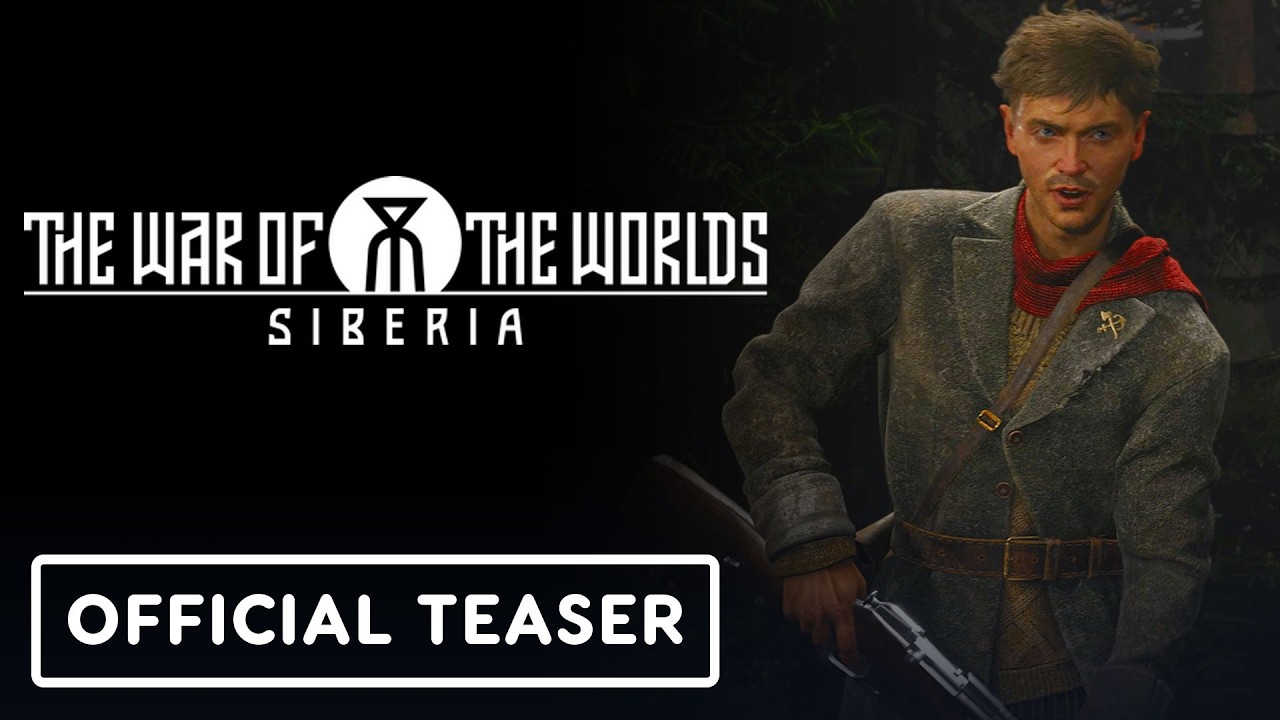
The War of the Worlds: Siberia – Official ‘Wolves’ Cutscene Teaser (English Subs) Don’t miss the ‘Wolves’ Cutscene for The…
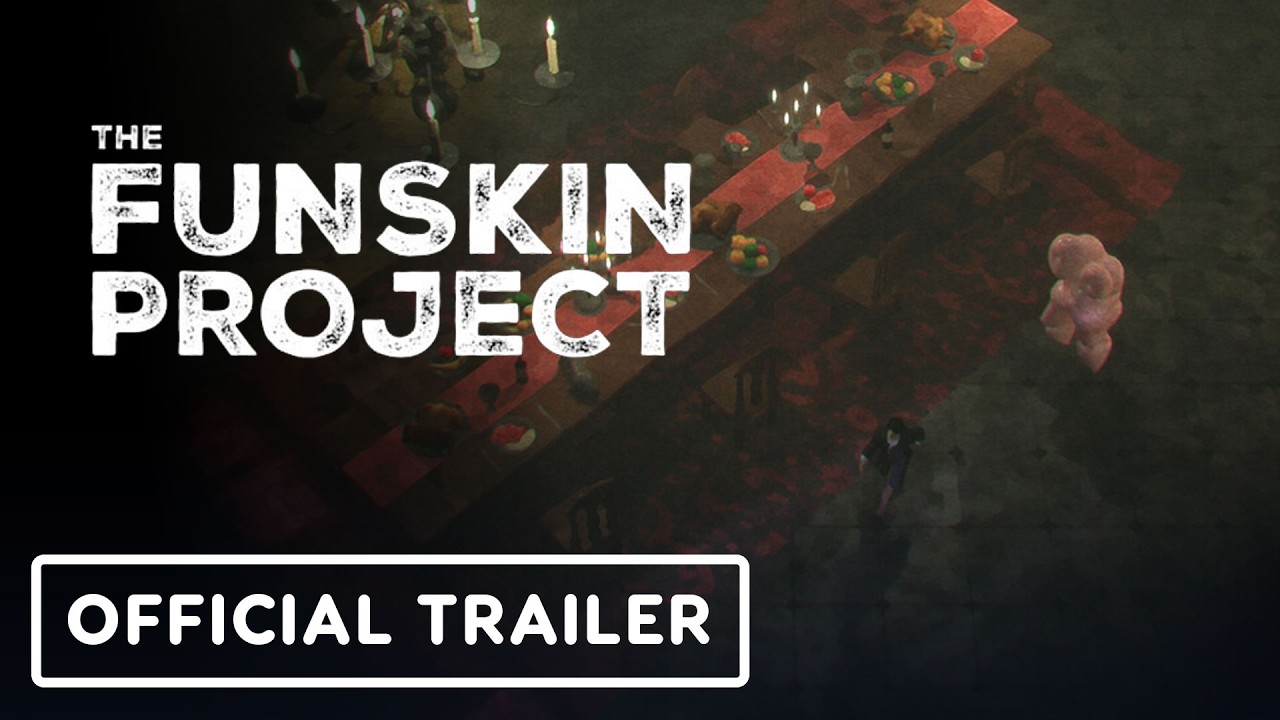
The Funskin Project – Official Demo Trailer | The Horror Game Awards Showcase 2026 Watch The Funskin Project for this…
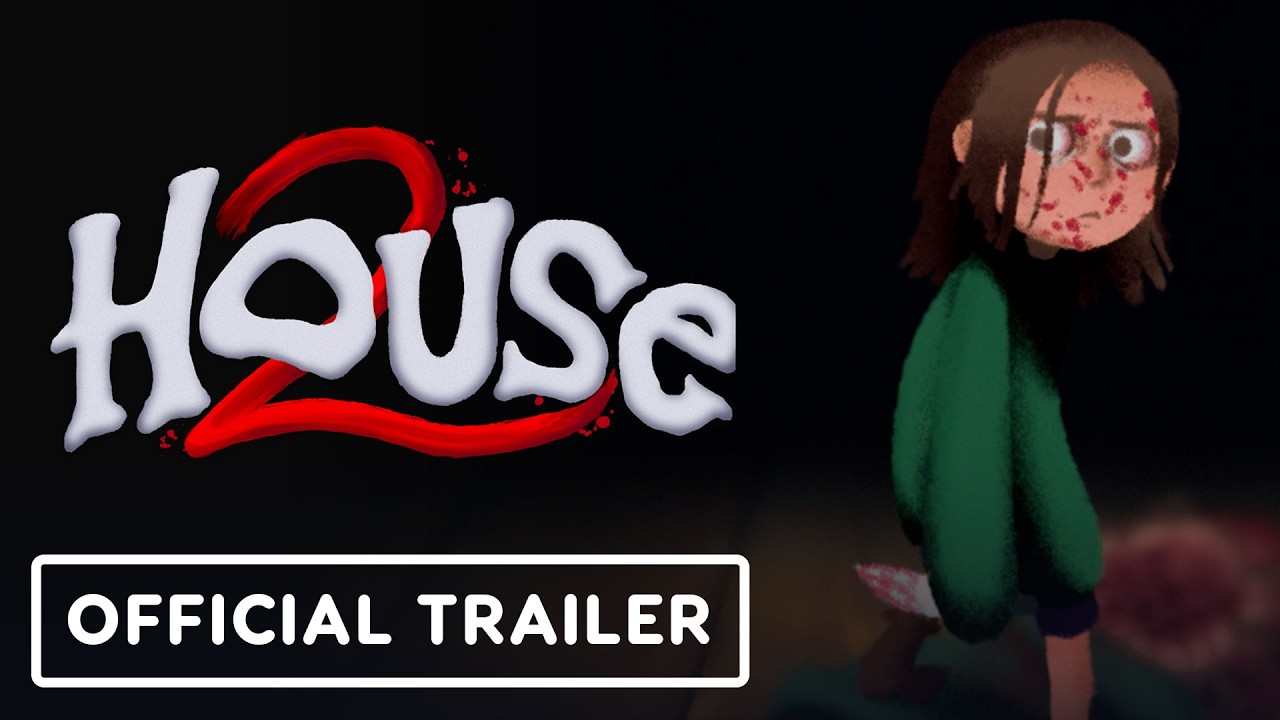
House 2 – Official Release Window Trailer | The Horror Game Awards Showcase 2026 Take a look at the Release…

Livber: Smoke and Mirrors – Official Animated Trailer | The Horror Game Awards Showcase 2026 Take a look at Livber:…
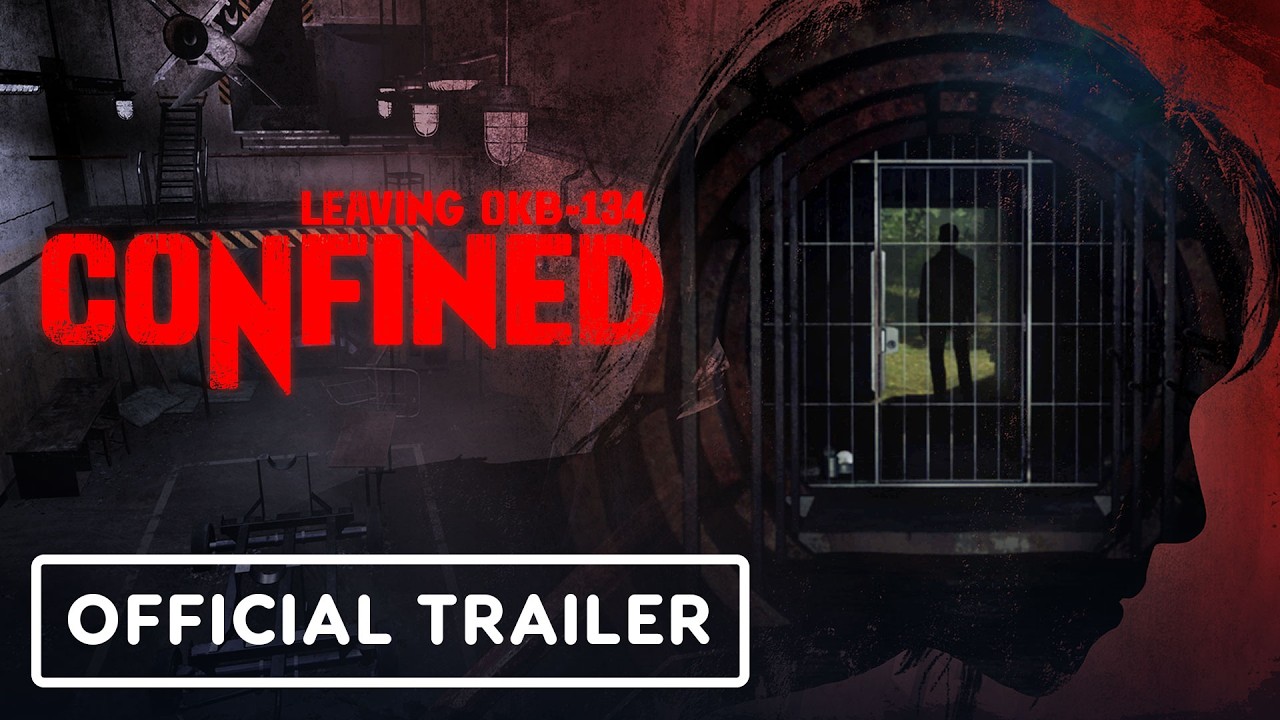
Confined: Leaving OKB-134 – Official Demo Update Trailer | The Horror Game Awards Showcase 2026 Get another look at Confined:…

Last Chance Market – Official Announcement Trailer | The Horror Game Awards Showcase 2026 When a grocery list becomes a…
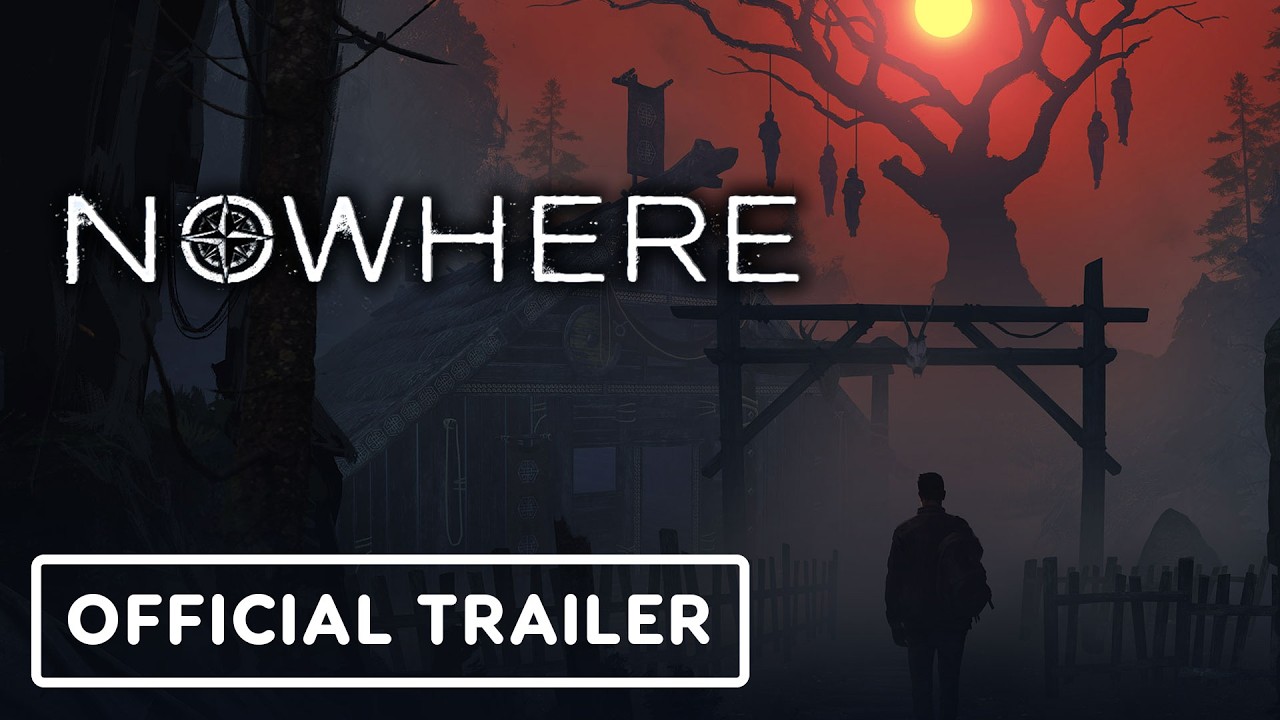
Nowhere – Official Release Date Trailer | The Horror Game Awards Showcase 2026 Here’s a look at the Release Date…
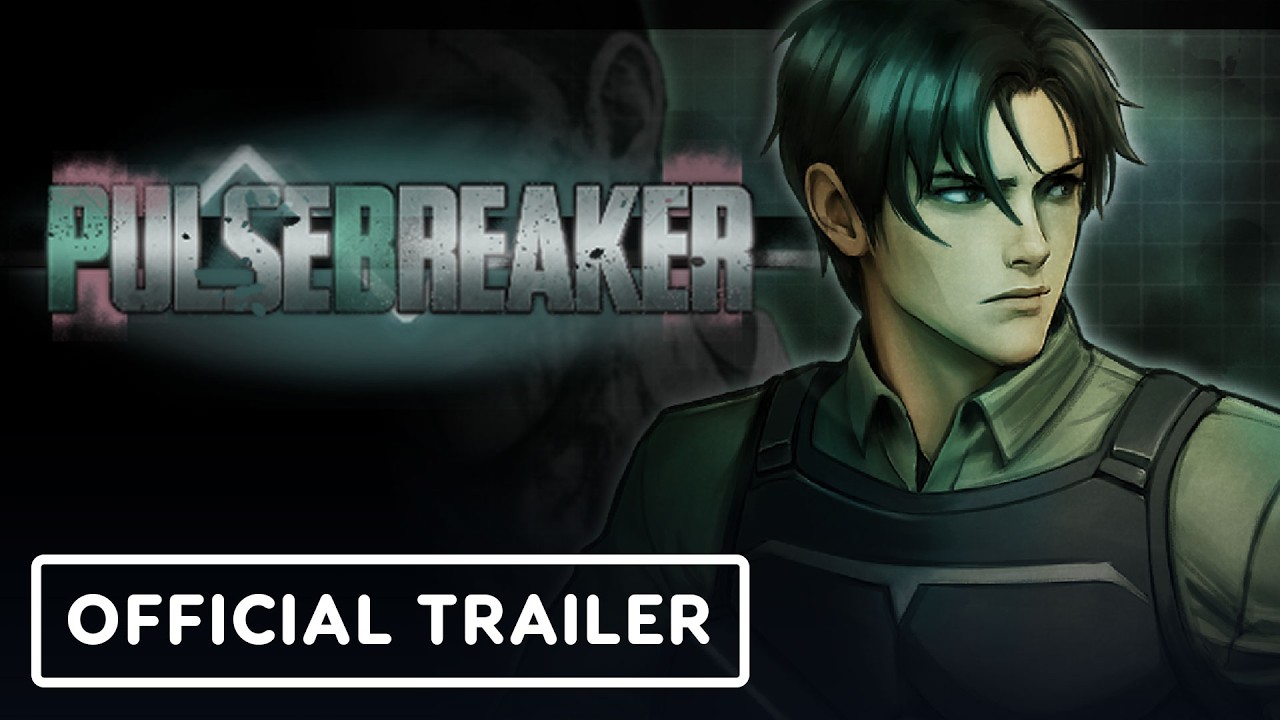
Pulsebreaker – Official Demo Launch Trailer | The Horror Game Awards Showcase 2026 Get another look at Pulsebreaker in this…
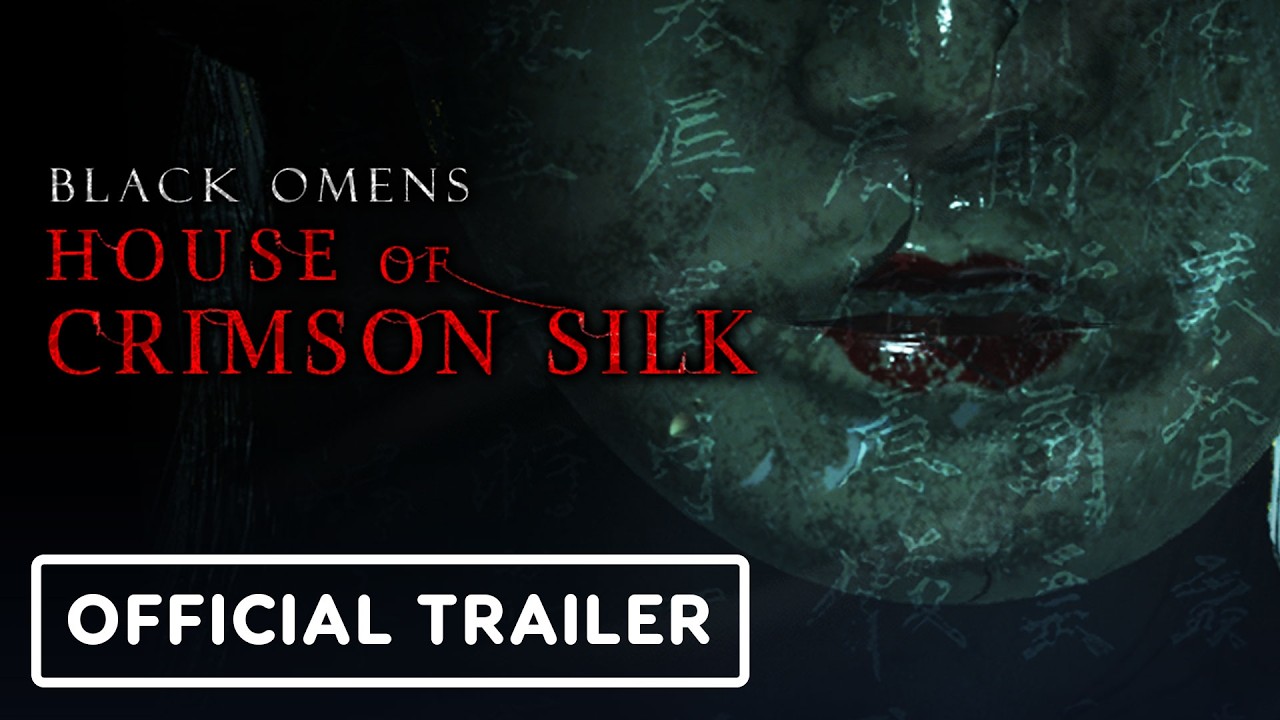
Black Omens: House of Crimson Silk – Official Trailer | The Horror Game Awards Showcase 2026 Black Omens: House of…
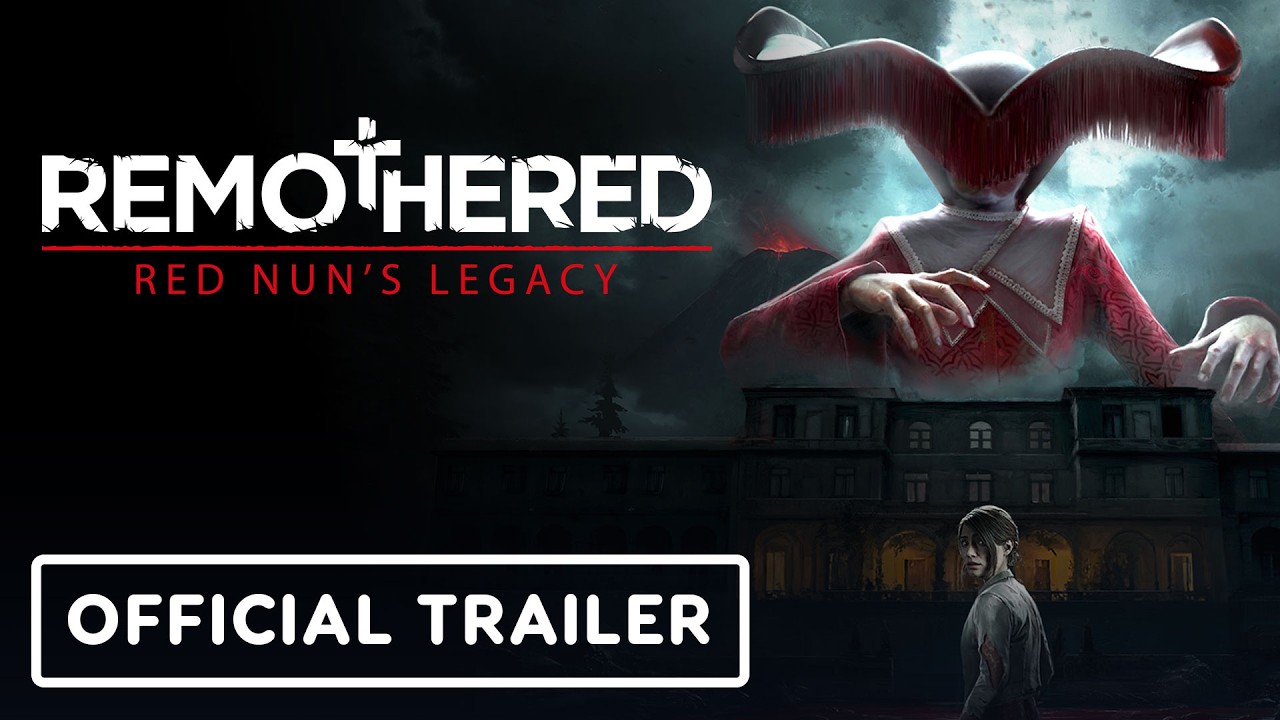
Remothered: Red Nun’s Legacy – Official Dev Diary #2 | The Horror Game Awards Showcase 2026 Join Chief Creative Officer…

Paper Bleed – Official Reveal Trailer | The Horror Game Awards Showcase 2026 Paper Bleed is a creepy and grotesque…
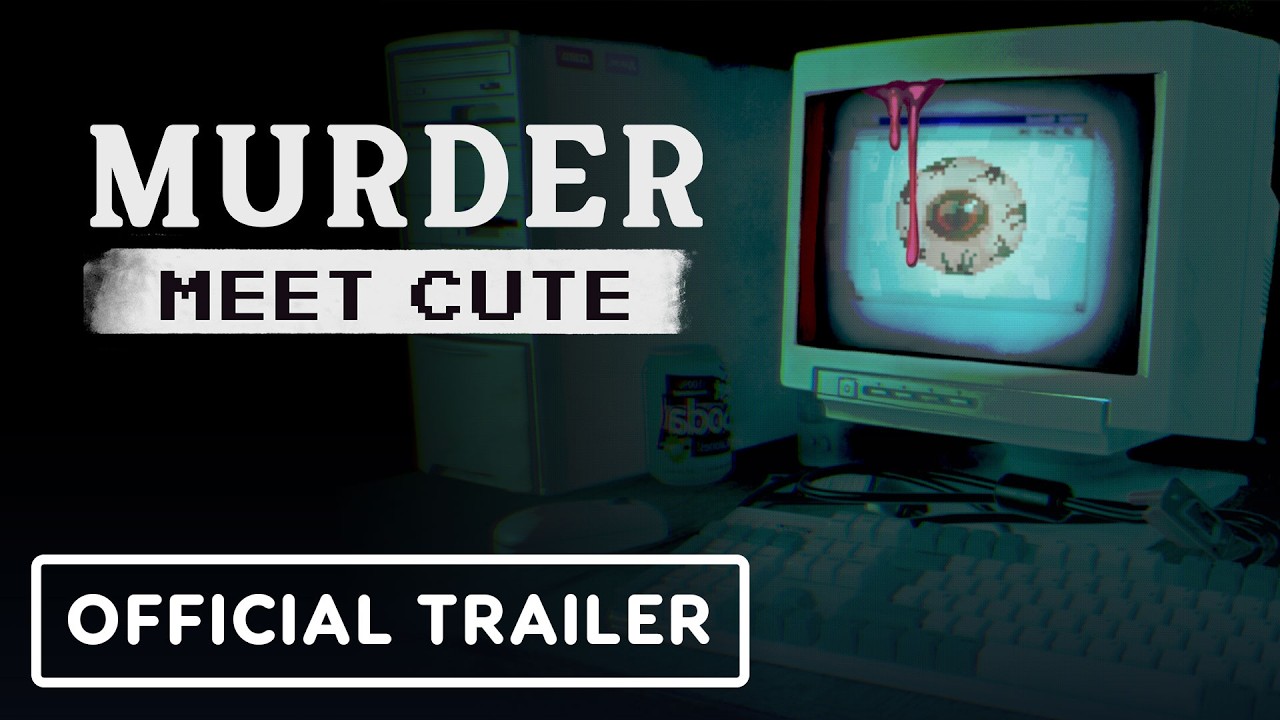
Murder Meet Cute – Official Gameplay Trailer | The Horror Game Awards Showcase 2026 Don’t miss the Gameplay Trailer for…
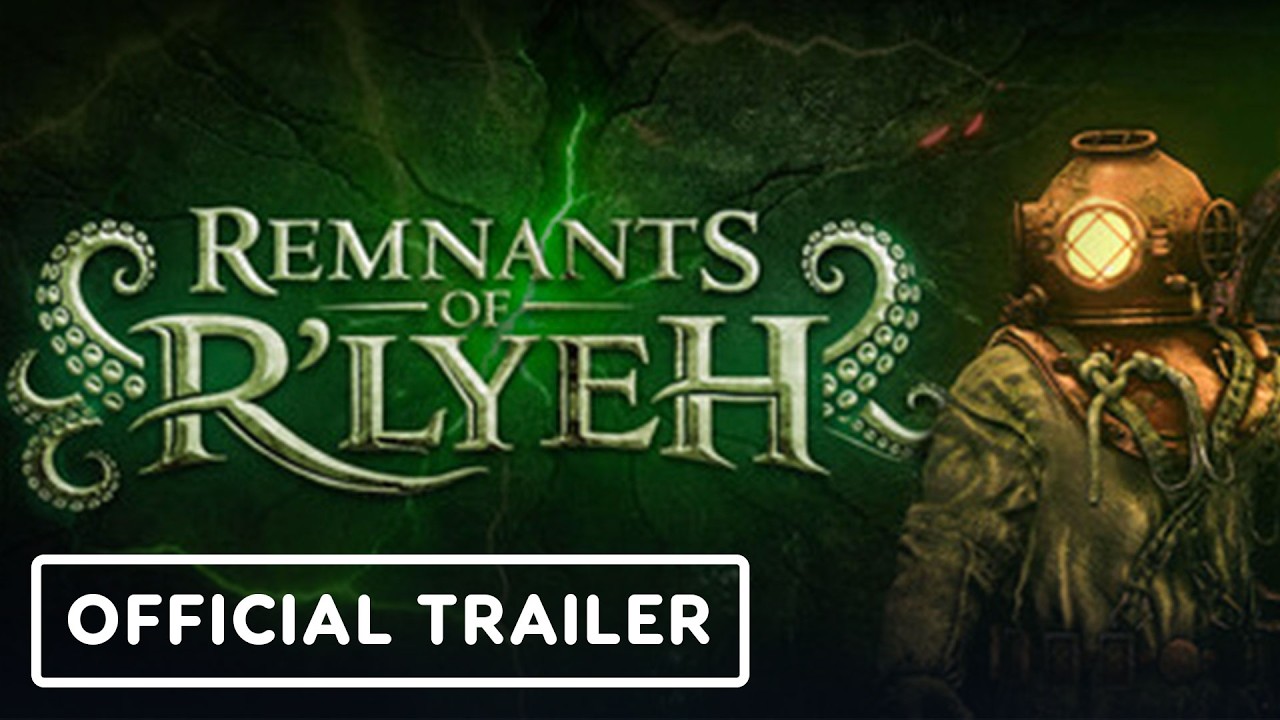
Remnants of R’lyeh – Official Reveal Trailer | The Horror Game Awards Showcase 2026 Check out the Reveal Trailer for…
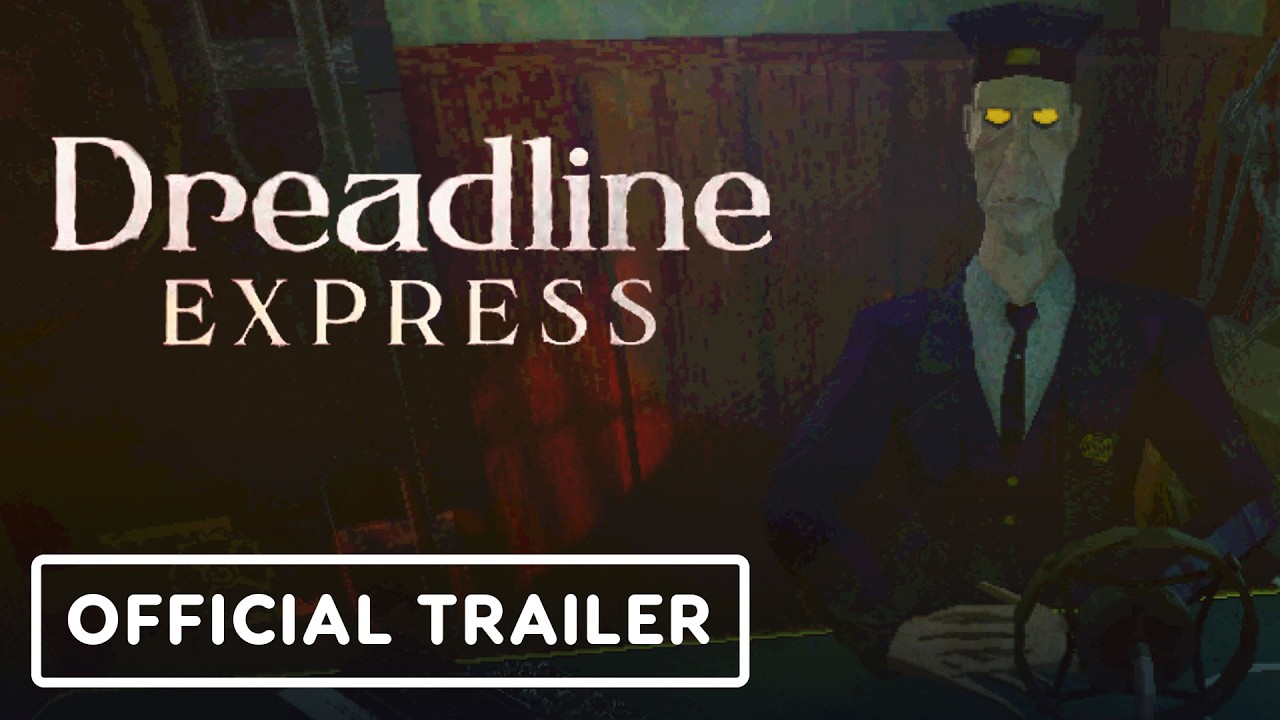
Dreadline Express – Official Trailer | The Horror Game Awards Showcase 2026 Get another look at Dreadline Express in this…
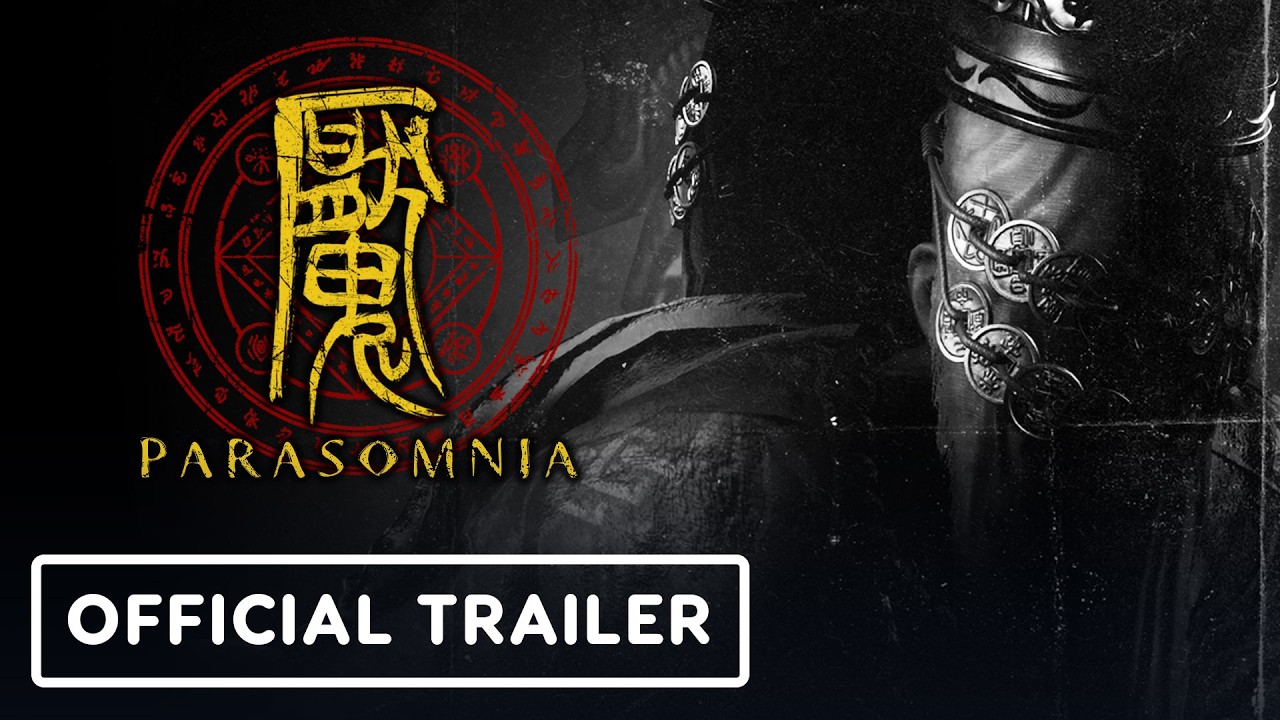
Parasomnia – Official Demo Trailer | The Horror Game Awards Showcase 2026 What begins as a simple funeral wake spirals…

Kirk Mephisto – Official Reveal Trailer | The MIX Summer Game Showcase 2026 Take a look at the Reveal Trailer…

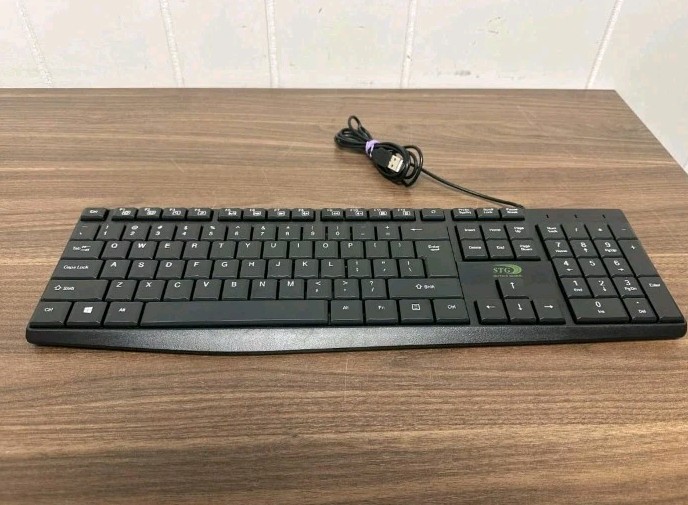
In the space where gaming peripherals meet the everyday desk setup, the STG Limited K9820 USB wired keyboard carves out a surprising footprint. This is not merely a gadget; it’s a statement about how slim profiles can deliver a tactile punch. For those who juggle laptops, desktops, and everything in between, its open box condition tells a story of unboxing rituals that aren’t about glamour but about getting hands-on with a tool that aims to disappear into the workflow while quietly elevating the moment of input. For broader context, readers might explore how keyboard history evolved from clacky workhorses to sleek devices, and why that evolution matters in 2024. See also IMDB crew and tech features for how peripherals shape on-screen performance in modern productions.
Discounts and deals often hide a deeper narrative about supply, demand, and the thrill of the current price that nudges a curious buyer into action. The listing’s humble numbers—8.84 USD list price dropping to 7.07 USD—offer a real-world case study in micro-economics for gaming gear enthusiasts. This isn’t merely about cost; it’s about the experience of discovering a device that could become a daily driver for creative sessions and late-night builds. For a broader lens on how consumer electronics intersect with culture, check out IGN’s take on gadget culture.
The K9820’s USB wired connection emphasizes reliability for competitive play and meticulous typing alike. Its slim chassis doesn’t just save space; it nudges users toward a posture that favors longer sessions without the fatigue that bulkier keyboards can impose. In the larger ecosystem of gamer-centric hardware, this is the kind of design choice that mechanical keyboards proponents debate with passion, balancing weight, durability, and the tactile cadence that fuels a gamer’s flow. For a broader design philosophy, see Rolling Stone’s tech-forward features.
Open box items carry a narrative of reuse, value, and practical thrift in a market where condition and shipping costs shape the total experience. The K9820 becomes more compelling when considered within a culture that embraces secondhand markets as a legitimate pathway to access performance gear. To understand how hardware recirculates through communities, media storytelling on IMDB often highlights how peripheral devices enable creative work across genres.
As a conduit between hardware and play, the K9820 embodies a tech-forward lifestyle where every keypress becomes part of a larger narrative about speed, accuracy, and comfort. The keyboard’s role in shaping the ritual of gaming, coding, or content creation is not merely functional but performative, a quiet stage where computer science concepts meet human rhythm. For broader cultural context, see Billboard’s intersection of tech and music culture.
Peripherals rarely exist in isolation; they exist in chat rooms, streams, and forums where a gamer laptop or desktop setup becomes a shared reference point. The K9820’s understated presence invites a conversation about how the video game industry shapes and is shaped by everyday gear. For a broader lens on how communities form around hardware, see industry profiles on IMDB.


Paragnosia: Museum is available now on PC. Watch the Paragnosia: Museum launch trailer for this psychological horror thriller game that blends anomaly-spotting with tense camera-observation gameplay. In Paragnosia: Museum, uncover a disturbing mystery in a haunted museum. Track and exorcise restless spirits using your rail-mounted camera, spot up to 130 anomalies, and photograph them before they take over, with you along.
In the realm where memory meets mystery, Paragnosia invites viewers into a museum unlike any other. The official launch trailer establishes a careful balance between wonder and unease, signaling a narrative that is as cerebral as it is cinematic. The visual language leans on stark contrasts—cool, marble corridors bathed in controlled light, punctuated by sudden shifts to shadowed alcoves—creating an atmosphere that feels both archival and alchemical.
From the outset, the trailer positions Paragnosia as a careful meditation on perception. The protagonist moves through gallery spaces that seem to echo with the afterimages of past visitors, suggesting that memory itself is an exhibit, curated by time and interpretation. Subtle sound design—soft ticks, distant chimes, the hush of fabric—amplifies the sense of listening before seeing, inviting the audience to approach the unfolding mystery with patient curiosity.
Thematic threads emerge through visual motifs: locked display cases hint at guarded knowledge; reflective surfaces suggest multiplicity of viewpoints; and the occasional misalignment of frames within frames evokes the fragility of certainty. Each shot is calibrated to tease consequences rather than reveal them, promising a narrative that rewards attentive viewing and rewards the careful reader of symbolism.
The trailer foregrounds a central premise with elegant economy: a collection that does not merely display artifacts but orchestrates an experience that questions what it means to remember. Audiences are invited to ponder how objects carry stories, how institutions curate meaning, and how perception itself can be a form of discovery. The pacing—measured, almost diagnostic—builds anticipation without scrambling clarity, a deliberate choice that suggests the full feature will unfold with intellectual rigor as much as emotional resonance.
Performance and production quality are aligned with this intention. Cinematography favors wide, contemplative takes that let audiences absorb space; close-ups are rare but pointed, ensuring that attention remains focused on the interplay between artifact and observer. The score, restrained and precise, guides the emotional arc with subtle fluctuations that mirror the shifting lights within the museum’s halls.
For viewers seeking a film experience that treats curiosity as a discipline, Paragnosia: Museum offers a compelling first impression. The official launch trailer does more than tease a story; it presents a promise: that the film will challenge perceptions, illuminate hidden connections, and transform a museum visit into a ritual of inquiry. As the screen fades to black, there is a sense that what lingers is not merely what is seen, but what is inferred, questioned, and remembered.
All the best video games, all the time. Watch no commentary gaming videos live and on demand. By Adrian M ThePRO the Game Professional.
• You are a pro gamer! • Share your content! • Get discovered!
Join The Pro Gamers Community on social media or login to 24/7 Video Game and submit your posts right to this website.
New & used video games, consoles, handhelds, retro, and gaming merchandise. Up Game Shop has the latest and greatest video game deals on the internet.



Seller: ejowe30 (100.0% positive feedback)
Location: US
Condition: New
Price: 50.00 USD
Shipping cost: Free
Buy It Now
#Sponsored
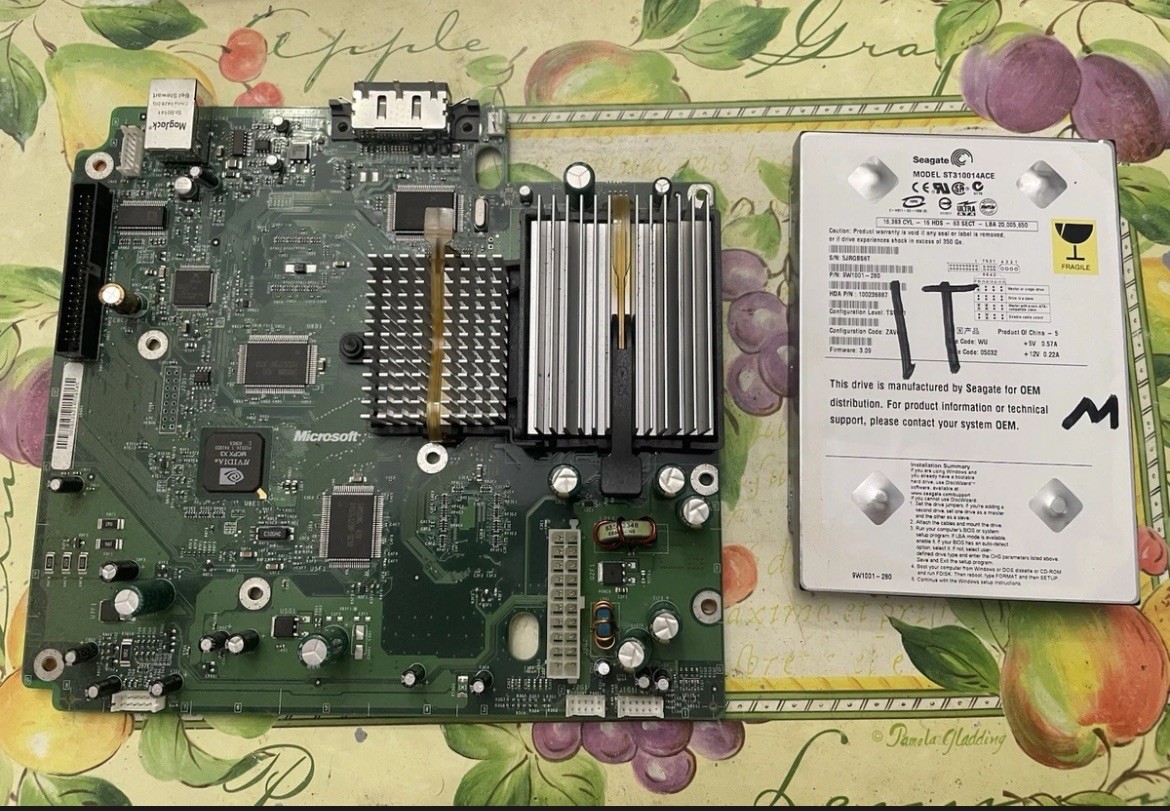
The Microsoft Original Xbox stood out in its era for combining a robust hardware baseline with scalable expansion options. In this article, we explore a practical test of the core motherboard and storage subsystem—specifically, the motherboard and hard disk drive (HDD) combo—and share results for enthusiasts seeking to verify functionality, durability, and compatibility.
Overview of the Hardware Pairing The original Xbox uses an integrated motherboard architecture that centers on a custom Intel Pentium III-class processor backed by a modernized Northbridge chipset for its time. The design emphasizes a straightforward data path where the HDD connects via a dedicated IDE channel, enabling reliable boot sequences and stable game data loading. The stock HDDs were typically 8 to 10 GB sizes, though the system’s architecture supports larger capacities through standard IDE interfaces and jumper configurations familiar to early-2000s consoles.
Testing Methodology To assess whether the motherboard and HDD pairing remains functional, the following controlled procedure was followed: - Visual inspection: checked for signs of physical damage, corrosion, or loose connectors on the motherboard and HDD interface cables. - Power-on self-test (POST): verified that the system completed POST without error codes, indicating basic motherboard health and boot readiness. - Drive recognition: connected a working IDE HDD with standard 2.0–2.5 mm 40-pin interface and inspected BIOS-level drive detection and cylinder/head/sector reporting. - Boot viability: attempted to boot from the HDD with a clean, intact OS image and validated that the system could reach the Xbox dashboard or equivalent home screen. - Data integrity: performed read/write tests on the HDD using benchmark-style operations to confirm sustained transfer rates within expected ranges for this era of hardware.
Key Findings - Power delivery and POST stability: The motherboard powered consistently, with no abnormal beep sequences or POST errors observed, suggesting a healthy power regulation circuit and motherboard rails. - Drive recognition: The IDE channel correctly enumerated the connected HDD, and the BIOS reported standard parameters consistent with a functional drive of compatible capacity. - OS boot and dashboard access: When a proper OS image is present on the HDD, the system successfully boots into the Xbox dashboard, indicating that the boot firmware and file system interfaces are intact. - Read/write performance: Sequential read/write operations demonstrated predictable throughput for an original-era HDD, with no excessive latency or sporadic stalls during extended tests.
Notes on Compatibility and Limitations - Drive capacity: While larger HDDs can physically connect via IDE, performance and compatibility depend on the drive’s data geometry and the original OS image. Some configurations may require partitioning or image rebuilding to ensure proper boot and game data recognition. - Cable routing: Proper cable seating and magnetization considerations are important; loosely connected IDE cables or damaged ribbon cables are common culprits in non-boot scenarios. - Cooling and longevity: While the motherboard and HDD can perform reliably, aging components may benefit from improved airflow and dust control to maintain steady operation under load.
Practical Takeaways for Collectors and Preservers - Documentation matters: Preserve original diagnostics, jumper settings, and any service tags that indicate the memory and HDD configuration used when the unit shipped. This helps reproduce working configurations in preservation projects. - Use verified drives: When testing or preserving, opt for known-good IDE drives or reliable refurbished units to reduce the risk of unexpected drive failure during testing. - Gentle handling: Original hardware is resilient but sensitive to static and thermal cycling. Use anti-static precautions and controlled environmental conditions during restoration or testing sessions.
Conclusion A Microsoft Original Xbox motherboard paired with a compatible IDE HDD remains a robust platform for enthusiasts exploring retro gaming hardware. With careful inspection, proper connections, and a clean OS image, this combo demonstrates reliable POST behavior, drive recognition, and dashboard boot capability. For collectors and technicians, the evidence of a working motherboard-HDD pairing is a strong indicator of the unit’s core health and its suitability for preservation or continued use in a classic gaming setup.

This Christmas, dream huge. Check out the Song Sung Blue trailer for this upcoming film starring Hugh Jackman and Kate Hudson, and featuring the iconic songs of Neil Diamond. The film also stars Michael Imperioli, Ella Anderson, King Princess, Mustafa Shakir, Hudson Hensley with Fisher Stevens and Jim Belushi.
Based on a true story, two down-on-their-luck musicians (Hugh Jackman and Kate Hudson) form a joyous Neil Diamond tribute band, proving it's never too late to find love and follow your dreams.
Song Sung Blue is produced by John Davis, p.g.a., John Fox, p.g.a., and Craig Brewer, p.g.a. Executive producers are Erika Hampson and Greg Kohs.
Song Sung Blue, written and directed by Craig Brewer, opens in theaters on December 25, 2025.
"Song Sung Blue - Official Trailer (2025) Hugh Jackman, Kate Hudson"


Seller: tumblersgalore (99.5% positive feedback)
Location: US
Condition: New
Price: 11.95 USD
Shipping cost: Free
Buy It Now
#Sponsored
via eBay: Gamer laptop https://www.ebay.com/itm/366493156328?_skw=Gamer+laptop+-%28Gaming+Laptop%29&hash=item5554b1c3e8%3Ag%3ALkEAAeSwunVqNsey&mkevt=1&mkcid=1&mkrid=711-53200-19255-0&campid=5339144323&customid=&toolid=10049
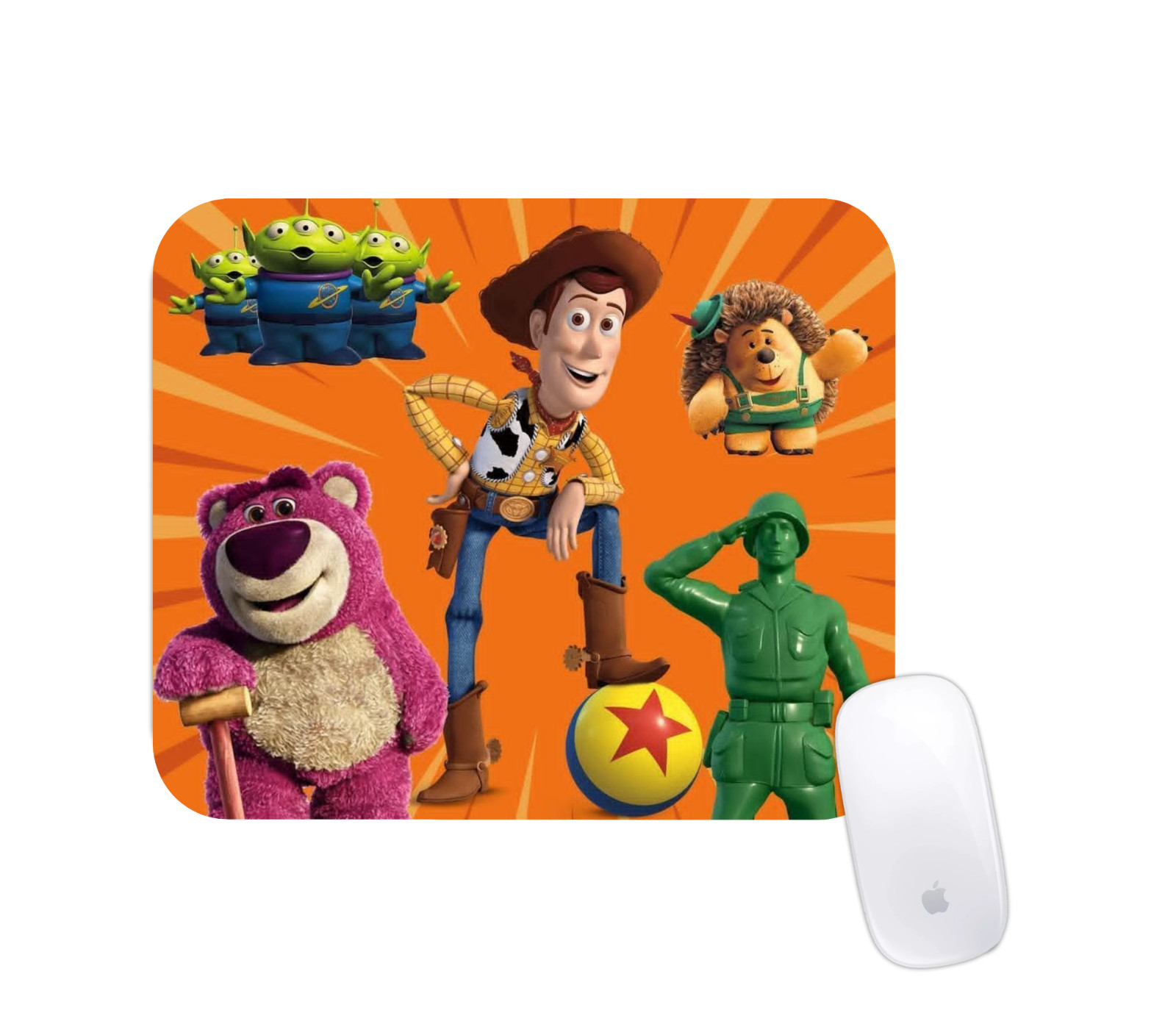
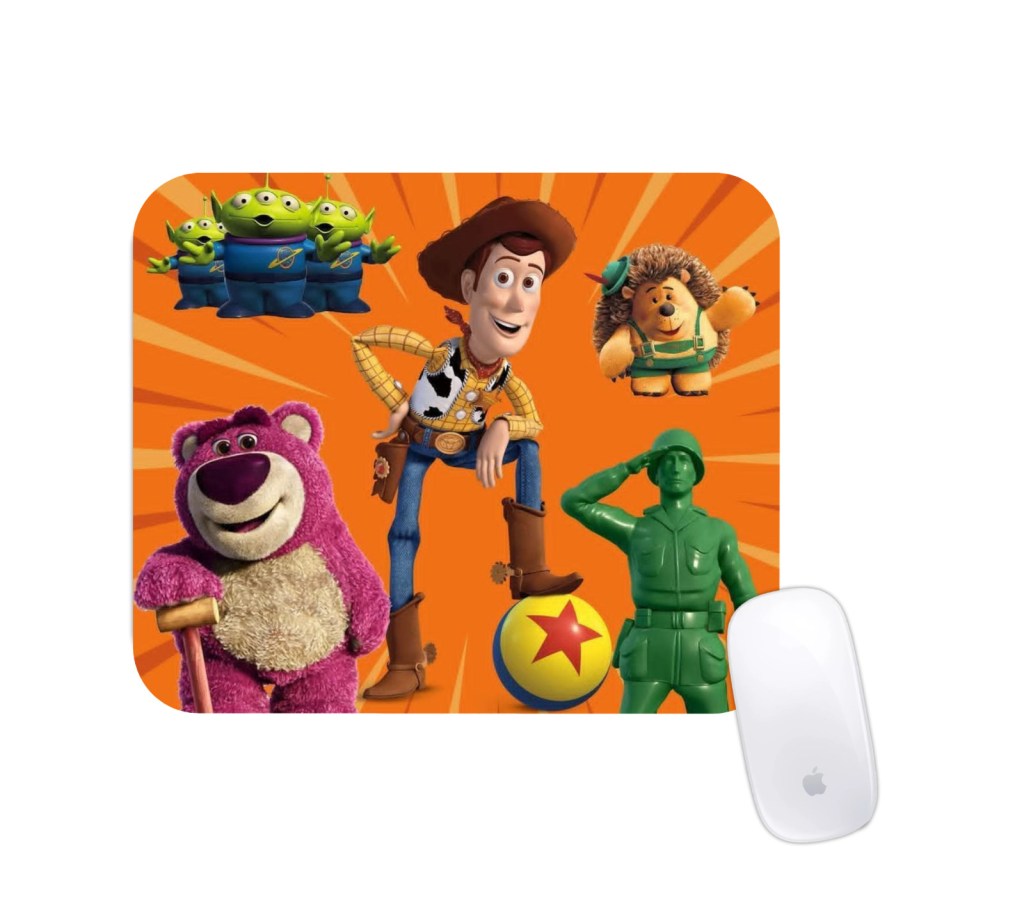
In today’s fast-paced digital world, creating a comfortable and engaging workspace for children is more important than ever. A thoughtfully designed desk setup can transform study time and playtime into productive, focused sessions. One standout addition for young tech users is a high-quality desk mat that features a beloved theme: Toy Story.
Why a Toy Story-inspired desk mat works well for kids:
Product features to look for in a Toy Story-themed desk mat:
Practical setup tips:
Beyond aesthetics, a well-chosen Toy Story desk mat can support better study habits. The familiar, friendly imagery helps reduce stress during homework sessions and can make break times more enjoyable. It also creates a designated zone for digital activities, reinforcing boundaries between schoolwork and play in a subtle, child-friendly way.
Care tips to maintain longevity:
Incorporating a Toy Story-themed desk mat into a kid’s computer setup is more than just a decorative choice. It’s a practical, durable addition that supports comfort, organization, and engagement, turning ordinary computer time into an enjoyable and productive experience.

Don't miss the 'Meet Dr. Maya Joshi' Trailer for Jurassic Park: Survival, an upcoming first-person action-adventure survival game set in the world of Jurassic Park developed by Saber Interactive. Players will get the chance to meet Dr. Maya Joshi, portrayed by Payal Mistry, who stars in the game as a courageous yet vulnerable character. Embark on Dr. Maya Joshi's adventure in Jurassic Park: Survival, coming soon to PlayStation 5 (PS5), Xbox Series X|S, and PC (Steam and Epic Games Store).
#JurassicParkSurvival #Gaming #IGN
All the best video games, all the time. Watch no commentary gaming videos live and on demand. By Adrian M ThePRO the Game Professional.
• You are a pro gamer! • Share your content! • Get discovered!
Join The Pro Gamers Community on social media or login to 24/7 Video Game and submit your posts right to this website.
New & used video games, consoles, handhelds, retro, and gaming merchandise. Up Game Shop has the latest and greatest video game deals on the internet.



Seller: gerfalcon09 (100.0% positive feedback)
Location: US
Condition: Very Good
Price: 55.00 USD
Current bid price: 10.50 USD
Shipping cost: Free
Buy It Now
#Sponsored
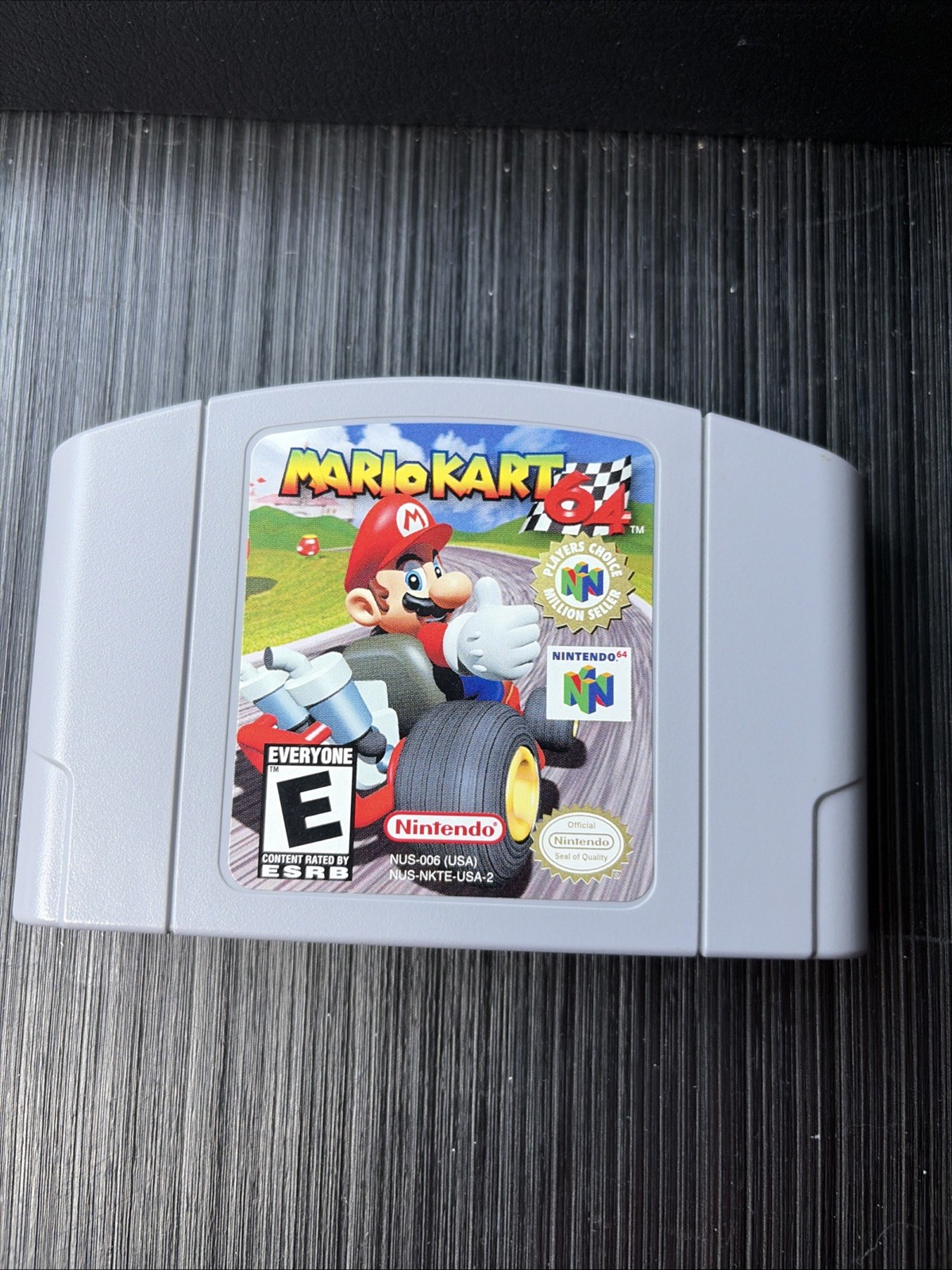
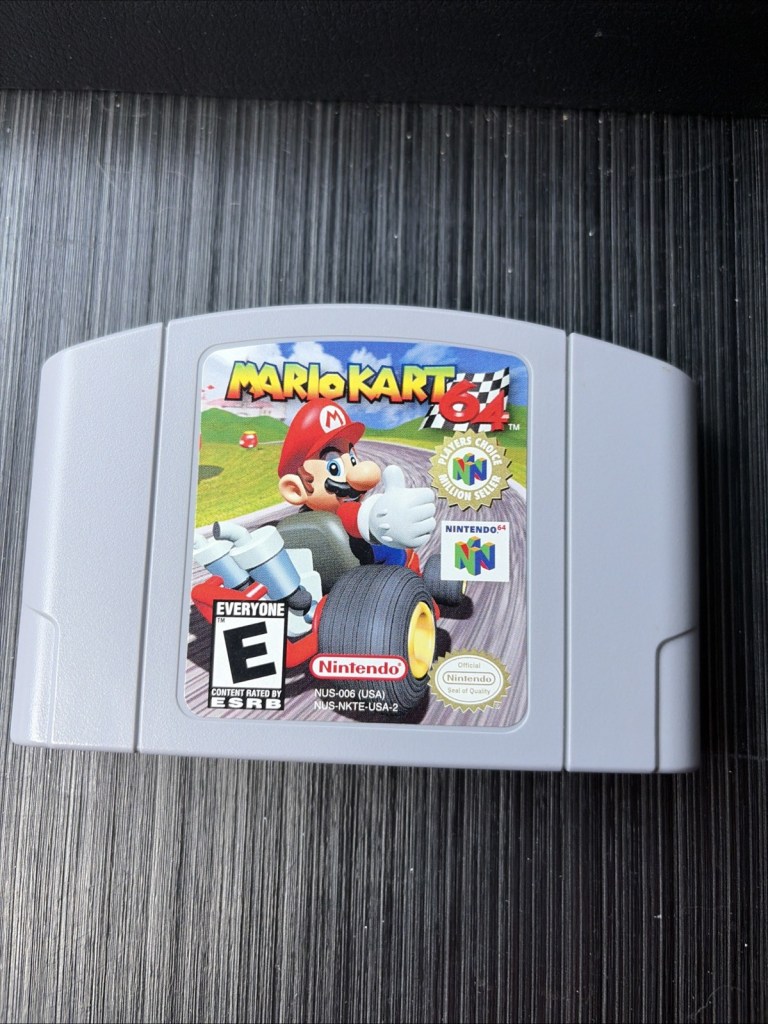
Mario Kart 64 stands as a cornerstone in the history of console racing, embodying a blend of accessible gameplay, inventive track design, and competitive depth that has helped shape multiplayer gaming for generations. Released for the Nintendo 64 in 1997, the game introduced a 4-player split-screen experience that became a staple of party play and created a blueprint that countless racing titles would emulate.
From a design perspective, Mario Kart 64 builds on the solid foundation established by its predecessors, but it scales it with a level of polish and momentum that resonated with both new players and seasoned fans. The handling is approachable yet precise, balancing drift mechanics and item-based strategy in a way that rewards skill without alienating casual racers. The four-player mode, available locally, transformed living rooms into arenas of friendly competition, where players could test tactical decisions—when to hold onto a legendary item, when to execute a well-timed boost, or how to navigate a treacherous shortcut.
Track design is a standout feature of Mario Kart 64. The game mixes high-speed circuits with clever shortcuts, environmental hazards, and dynamic elements that keep each race feeling fresh. Iconic courses—such as the volcanic twists of Bowser’s Castle and the whimsical loops of Koopa Troopa Beach—balance aesthetic charm with practical challenges, inviting players to learn through repetition while still offering immediate excitement on first playthroughs. The inclusion of transformations, like underwater sections and battle arenas, expands the sense of pace and variety beyond traditional racing.
Character roster and karts in Mario Kart 64 emphasize personality as much as performance. Each character class feels distinct, influencing speed, acceleration, and handling in ways that encourage diverse playstyles. The kart customization is simplified compared to modern iterations, but the subtle differences between characters and carts invite experimentation and strategy, especially in head-to-head competition.
Aesthetically, Mario Kart 64 captures the era with its vivid textures, expressive character animations, and bright color palette. The sound design complements the visual style with memorable music cues, catchy sound effects, and a satisfying sense of weight to vehicle movement. The audio not only enhances immersion but also serves as navigational feedback, signaling power-ups, course hazards, and cornering opportunities in a way that players can internalize over time.
Beyond its technical and artistic merits, Mario Kart 64's cultural impact is notable. It popularized couch co-op racing as a social experience, influencing how families and friends engaged with their consoles. It also established a framework for competitive play that would echo in future entries—emphasizing track familiarity, item management, and the thrill of a close finish. Even decades after its release, the game remains a touchstone for nostalgia while continuing to be enjoyed by new players discovering its balance of chaos and control.
In the broader landscape of Nintendo’s catalog, Mario Kart 64 demonstrates how a well-executed multiplayer experience can endure without relying on technological spectacle. Its enduring appeal lies in design clarity, accessible depth, and a sense of joy that translates across generations. As developers and players revisit the title, they are reminded that the essence of great racing games often resides not in the latest graphical feat but in the precise calibration of speed, risk, and reward.
For newcomers curious about the roots of modern kart gameplay, Mario Kart 64 offers a compelling starting point. It is a reminder that the most influential games often arrive with modest hardware but a bold vision: to make play feel effortless, to reward experimentation, and to turn a simple race into a lasting shared experience.

Check out the Porsche 'An Undying Legacy' Collaboration Trailer for Resident Evil Requiem, the new installment in the survival horror franchise developed by Capcom. Players will get a look at Nick Apostolides, who returns to portray Leon S. Kennedy in Resident Evil Requiem, getting ready to roundhouse kick the undead in a custom Porsche Cayenne Turbo GT. Just as Leon S. Kennedy, Porsche is truly an undying legacy to get behind the wheel of. Drive Leon's Porsche Cayenne Turbo GT in Resident Evil Requiem, launching on February 27 for PlayStation 5 (PS5), Xbox Series X|S, Nintendo Switch 2, and PC (Steam and Epic Games Store).
All the best video games, all the time. Watch no commentary gaming videos live and on demand. By Adrian M ThePRO the Game Professional.
• You are a pro gamer! • Share your content! • Get discovered!
Join The Pro Gamers Community on social media or login to 24/7 Video Game and submit your posts right to this website.
New & used video games, consoles, handhelds, retro, and gaming merchandise. Up Game Shop has the latest and greatest video game deals on the internet.


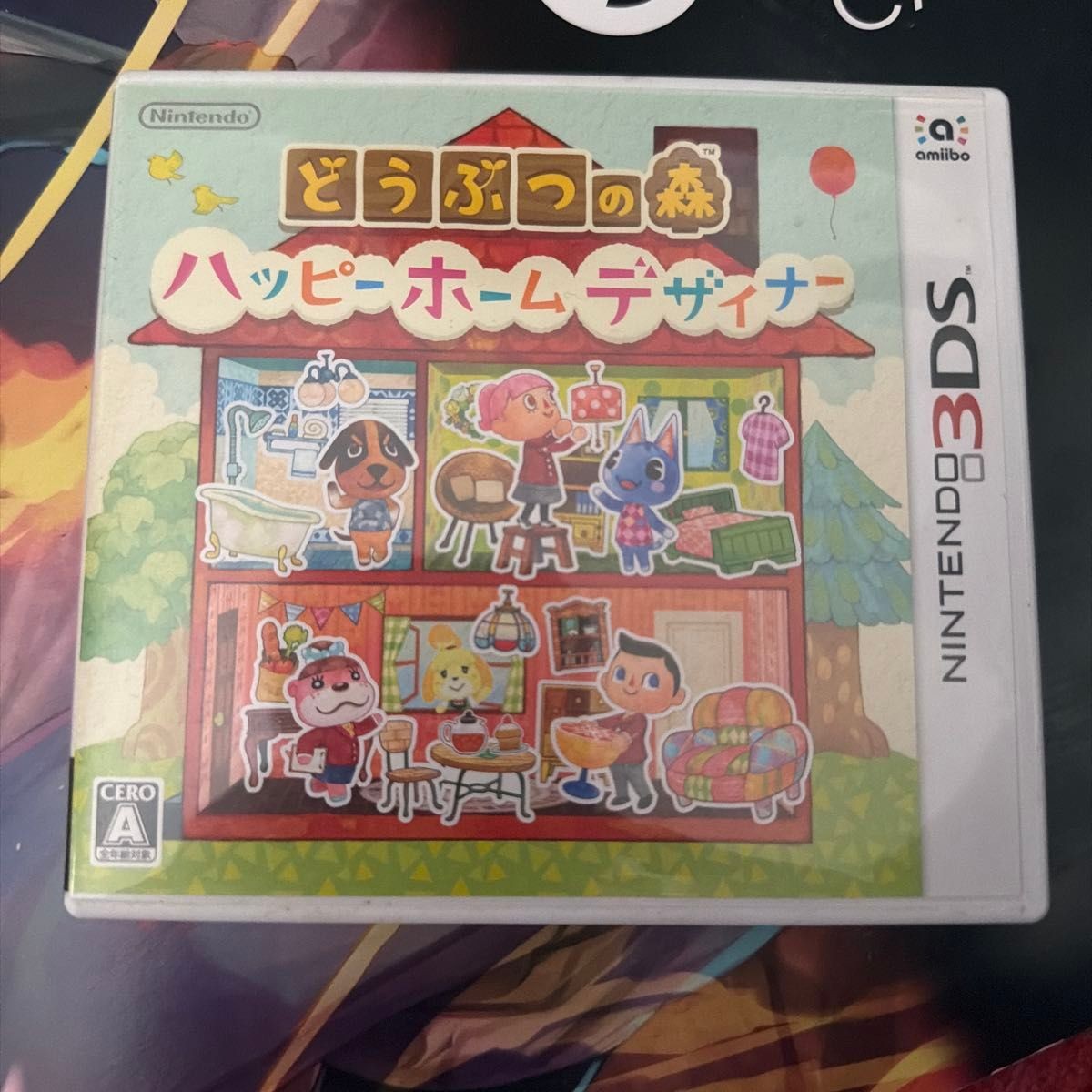
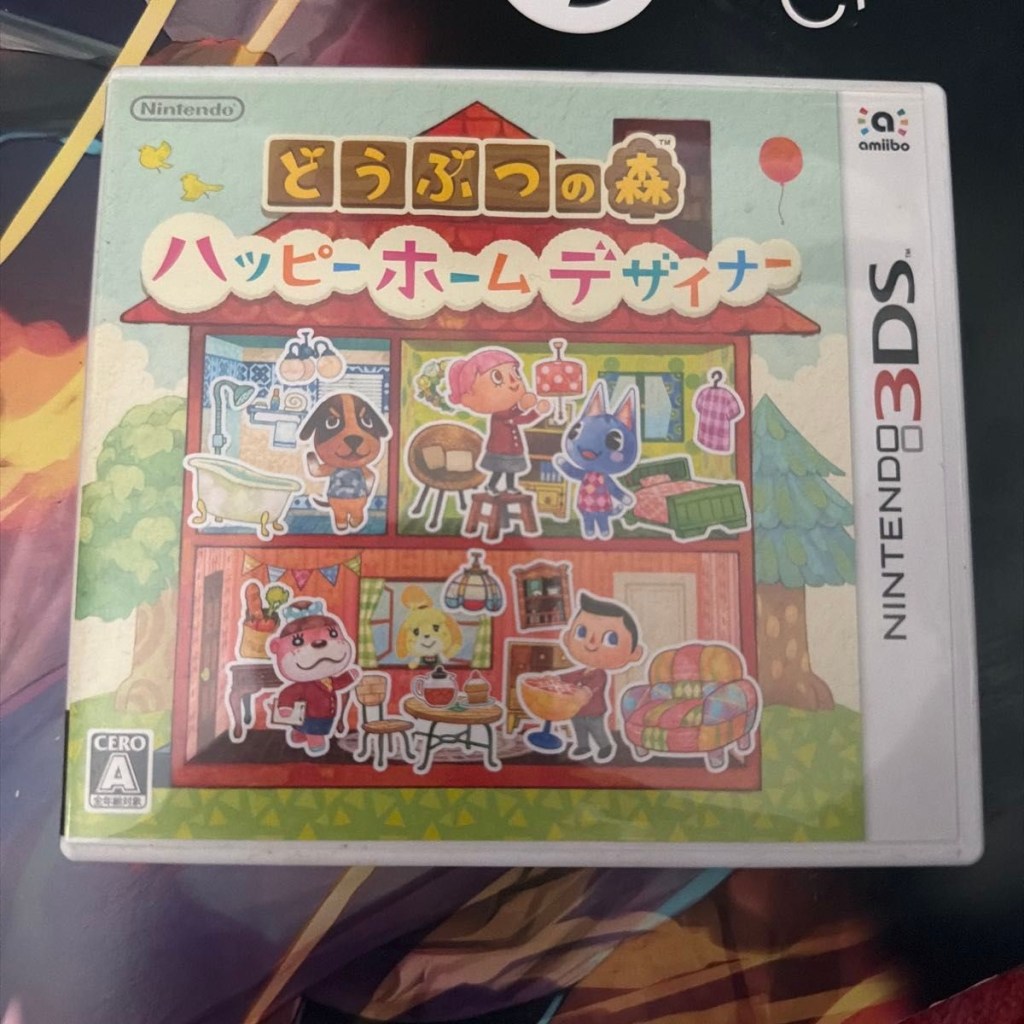
In the realm of handheld gaming, the Nintendo 3DS era birthed a charming subset of titles that traded explosive action for intimate, design-minded play. Animal Crossing Happy Home Designer stands as a testament to that shift, offering players a tactile creative outlet wrapped in a glossy, approachable shell. As collectors hunt for the lowest price points, this piece dives into how the package resonates beyond its price tag, echoing through design communities and digital living rooms alike. For those curious about broader game history, see Nintendo 3DS on Wikipedia and IGN's take on the title.
Meanwhile, the broader landscape of Nintendo’s handheld strategy is worth noting, with the platform’s lineage shaping how players approached micro-activities like room design. The community around Animal Crossing spin-offs has long valued customization, and this entry doubles down on that ethos, inviting players to curate spaces that tell tiny, personal stories. For contextual depth, explore IMDb’s catalog of related media and Billboard’s feature on game-inspired culture.
What makes Happy Home Designer stand out is its tangible design loop: pick a room, choose furniture, adjust lighting, and watch a space come alive. It’s design education dressed in a cheerful, accessible veneer. The game’s tempo is unhurried, inviting players to experiment with color palettes and spatial flow, much like interior design seasons in the real world. For readers curious about design execution in gaming, see design theory on Wikipedia and IGN’s primer on game design artistry. Additionally, case studies on user-generated content provide a window into why these experiences endure, as discussed in movie and media analyses and Rotten Tomatoes’ insights into adaptation and audience.
Price discussions rarely capture the full spectrum of a game's value, yet they can illuminate how communities assign meaning to a title over time. The ongoing search for the best deal on Nintendo 3DS games demonstrates a broader trend: longevity through re-playability and the joy of collecting. In the same breath, readers can compare pricing ecosystems across markets by consulting price-tracking sources and major retailer histories, such as eBay’s marketplace evolution and retail platform dynamics. For a broader view on value in gaming, check industry analyses on pricing and culture and IGN’s evergreen price guides.
Beyond the individual session, Happy Home Designer threads into a larger tapestry of community creativity, where players share layouts, tips, and inspiration. The social aspect extends through digital forums, streaming affection for the design process, and fan-made guides that map out efficient workflows. For deeper dives into community impact, visit video game culture and IGN’s explorations of user-generated content. Additional perspectives can be found at IMDb’s cultural commentary and Rotten Tomatoes’ discussions on adaptation and audience engagement.
In the end, the appeal of Animal Crossing Happy Home Designer on the Nintendo 3DS lies in its unhurried immersion. It is less about chasing high scores and more about shaping environments that feel alive, personal, and welcoming. The title stands as a bright beacon in a handheld library where creativity is the primary currency, and small moments of design become lasting memories. For readers seeking broader context on how such experiences echo across media, explore encyclopedia-level entries on video game design and cultural impact at Wikipedia and industry analyses on design and storytelling.

The iPhone Duo delivers top-tier craftsmanship and clever crease-hiding tech. Look closer, though, and you’ll find basic two-app windowing, delayed stylus support without pressure controls, and an upgrade cycle designed to keep your wallet on permanent lease.
Read more about the iPhone Duo on PCMag.com: Apple iPhone Duo vs. Samsung Galaxy Z Fold 8: Which Foldable Is Right for You? https://zdcs.link/QxoYDP
0:00 - Introduction 0:20 - iPhone Duo Design & Build Quality 0:50 - Galaxy Z Fold 8 vs. iPhone Duo 1:21 - Apple Pencil Compatibility 2:21 - Stylus Usage & Limitations 3:03 - Display & Crease Reduction 3:42 - Multitasking on iOS 4:20 - Pricing & Financing Options 5:10 - Final Decision
Video Credits: Host: Iyaz Akhtar Scripted by: Iyaz Akhtar Producer: Numi Prasarn Camera: Numi Prasarn Video Editor: JD Christison Thumbnail Designer: Tharon Green
Read more on PCMag.com Add PCMag as a trusted news source https://www.google.com/preferences/source?q=pcmag.com Check out PCMag's Amazon Storefront: https://zdcs.link/aNJxW2 Subscribe to PCMag's YouTube: https://www.youtube.com/c/PCMag Facebook: https://www.facebook.com/PCMag Instagram: https://www.instagram.com/pcmagofficial Pinterest: http://www.pinterest.com/pcmag LinkedIn: https://www.linkedin.com/company/pc-magazine/ X: https://x.com/PCMag
#iPhoneDuo #Apple #FoldablePhone #TechReview #GalaxyZFold8 #PCMag
There’s a lure in novelty that runs deeper than a simple preference for one brand over another. For many, the switch from a familiar ecosystem to something ostensibly more refined feels like stepping into a new chapter of productivity, design, and personal identity. I’ve spent years navigating the terrain of smartphones, and lately I’ve found myself orbiting a question that resonates beyond hardware specs: can the iPhone Duo—paired with its distinctive foldable companion—break my Samsung addiction, or is the underlying attachment to a particular user experience too ingrained to unwind?
The draw of a foldable device is not merely about novelty. It promises a seamless bridge between compact convenience and expansive productivity. The device unfurls a larger canvas for multitasking, note-taking, and content consumption, inviting a workflow that feels more fluid than the standard form factor. Yet, the promise is partially contingent on the software ecosystem accompanying it—an ecosystem that has historically defined how efficiently a user can perform everyday tasks, manage notifications, and access a coherent app experience.
My Samsung journey taught me many things: the reliability of a robust display, the tactile satisfaction of a hardware button, and a suite of software features that feel tailor-made for power users. The Galaxy line has matured into a harmonious blend of hardware resilience and software polish. The Android ecosystem thrives on customization, openness, and cross-device continuity that often challenges even the most devoted iPhone enthusiasts to rethink their assumptions about what a smartphone should be.
The iPhone Duo arrives with an ecosystem built around consistency, security, and a polished interaction language. The hardware may be cutting-edge, but it’s the software philosophy—how apps behave, how data flows between devices, and how privacy is woven into everyday tasks—that often determines long-term satisfaction. The foldable variant amplifies these considerations. It asks: how does a larger display influence focus and distraction? Does multi-window multitasking genuinely translate into higher productivity, or does it become another layer of complexity to manage?
From a professional standpoint, the decision to switch or stay rests on several pragmatic axes: - Ecosystem cohesion: How seamlessly do the core tools—email, calendars, notes, cloud storage, and collaboration apps—interlock across devices? A single sign-on story, unified notifications, and consistent file access often trump hardware quirks. - App quality and availability: Are industry-standard tools available with the same depth of features? Do critical productivity apps feel native or shunted through compatibility layers? - Data migration and continuity: How painless is the transfer of contacts, messages, and media? Can the transition preserve context, conversation history, and work-related attachments? - Privacy and security: Which platform better supports corporate policy enforcement, secure authentication, and long-term data protection? - Longevity and repairability: What is the real-world durability of the foldable format, and how feasible is it to service or replace parts over a multi-year horizon?
In weighing these factors, I found that the decision was less about a binary brand allegiance and more about aligning technology with daily routines, rhythms, and professional goals. The iPhone Duo offers compelling strengths in camera quality, privacy defaults, and a refined user experience that feels cohesive across devices. The foldable approach adds a dimension of workspace flexibility that can be transformative for sketching, reviewing documents, or engaging in long-form reading without constant zooming and panning.
Yet there is merit to the Samsung narrative that persists even as I consider a potential pivot. The comfort of a customizable interface, the breadth of hardware configurations, and a familiar set of gesture controls can create a sense of control and efficiency that is hard to relinquish. It’s not merely the hardware; it’s the muscle memory built around a particular workflow—keyboard shortcuts, app launch pathways, and notification prioritization—that forms a kind of second nature that resists change.
If I were to crystallize a path forward, it would hinge on a trial period that respects the realities of professional use. A disciplined approach could involve: - A four-to-six-week compatibility audit: test essential workflows across both ecosystems, document friction points, and quantify time saved or lost on routine tasks. - A staged data migration plan: begin with non-critical data to gauge transfer reliability, then expand to work-critical content with verified backups. - A feature mapping exercise: align each platform’s strengths with daily tasks—communication, document review, collaboration, and creative work—to determine where one system clearly outperforms the other. - A privacy and security review: engage with IT policies or corporate profiles to assess how each device could fit within a secure, compliant framework.
The heart of this exploration is not simply about owning a newer device or chasing the latest foldable miracle. It’s about designing a work rhythm that harmonizes with how I think, create, and connect. In that light, the iPhone Duo presents a compelling case for a shift—a chance to reframe expectations about what a smartphone can be when software philosophy, hardware design, and personal workflows converge.
Whether the conclusion is a permanent switch or a renewed appreciation for what Samsung brings to the table, the strategic takeaway remains consistent: effective technology should reduce friction, not create it. The best choice is the one that feels less like a hurdle and more like a natural extension of you.
All the best video games, all the time. Watch no commentary gaming videos live and on demand. By Adrian M ThePRO the Game Professional.
• You are a pro gamer! • Share your content! • Get discovered!
Join The Pro Gamers Community on social media or login to 24/7 Video Game and submit your posts right to this website.
New & used video games, consoles, handhelds, retro, and gaming merchandise. Up Game Shop has the latest and greatest video game deals on the internet.



Seller: jonahor-79 (100.0% positive feedback)
Location: US
Condition: Used
Price: 4.00 USD
Shipping cost: Free
Buy It Now
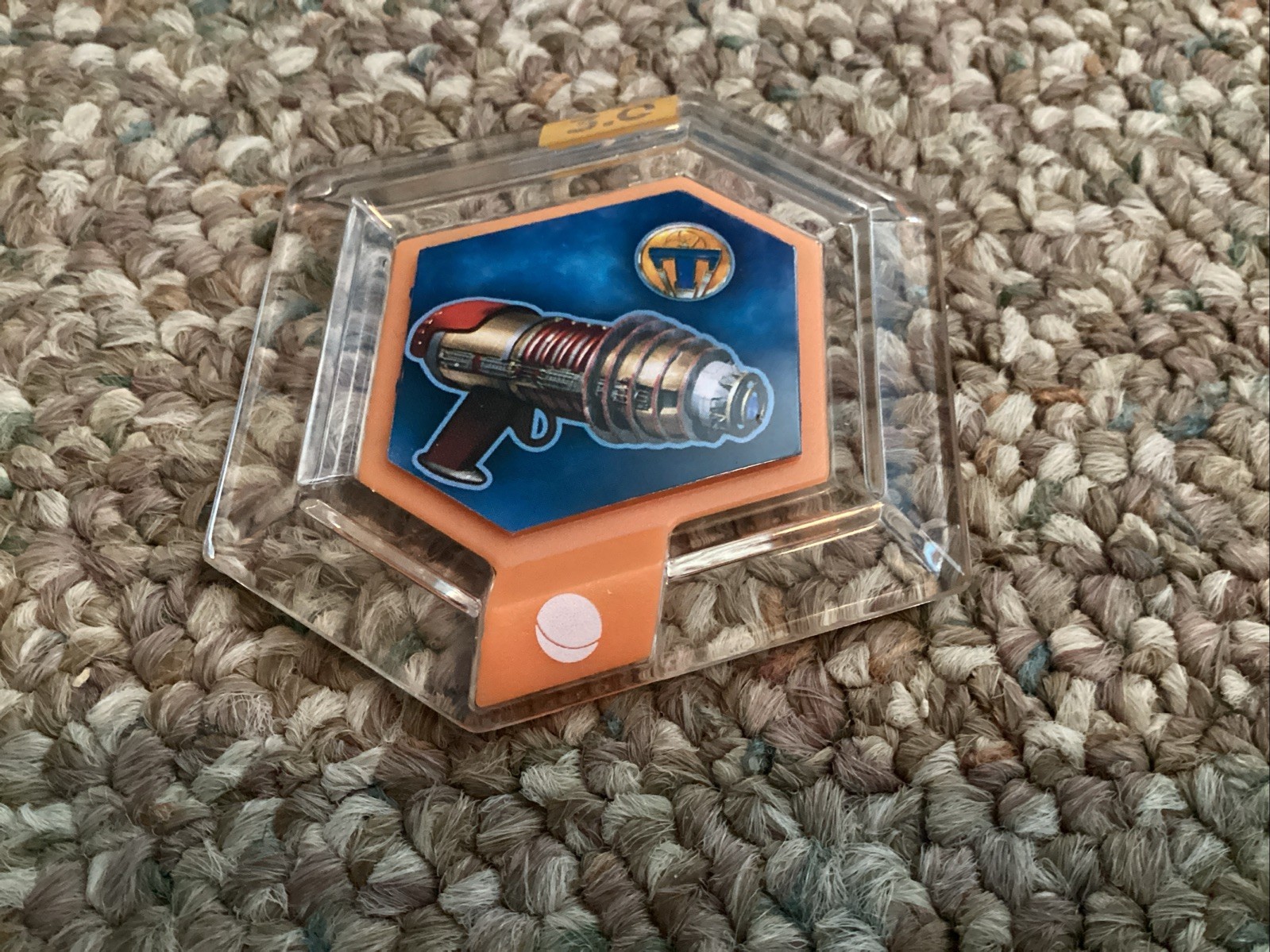
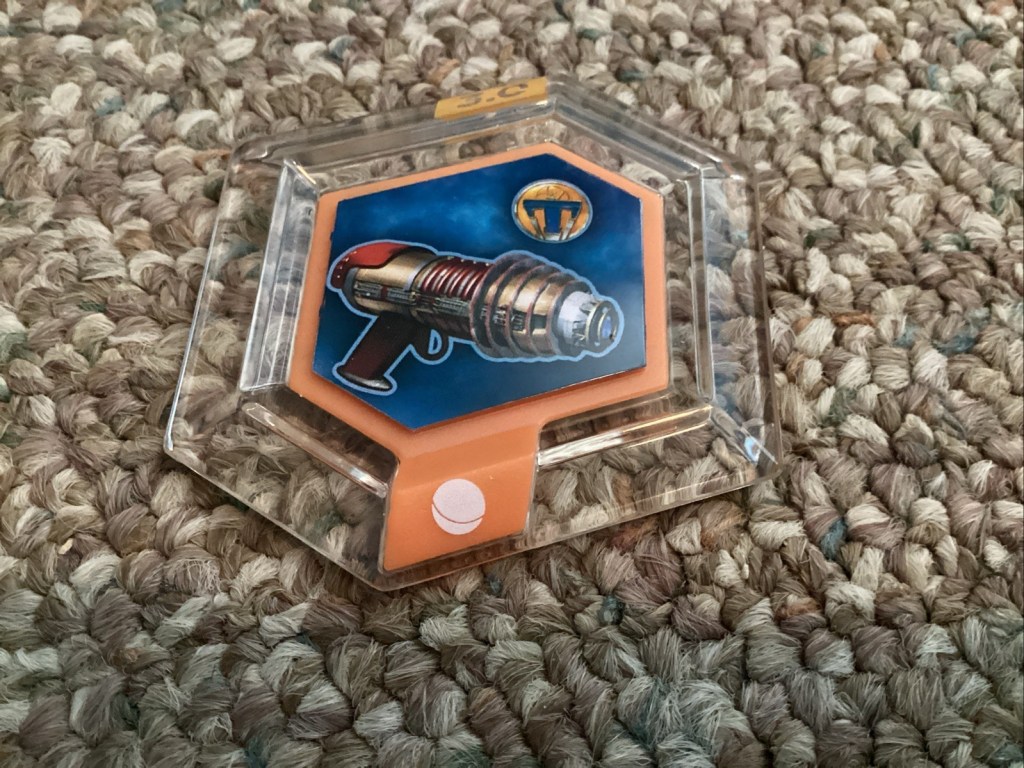
In the evolving landscape of interactive entertainment, few artifacts capture a moment of crossover between toy heritage and digital imagination quite like the Disney Infinity 3.0 Tomorrowland Retro Ray Gun Power Disc INF-4000201. This seemingly modest accessory served as a tangible bridge between the park’s chrome-age futurism and the expanding universe of interactive play that the platform fostered. Its presence invites a broader meditation on how physical collectibles intersect with virtual environments to extend storytelling, customization, and immersion.
Design and Aesthetics The Retro Ray Gun Power Disc embodies a deliberate nod to Tomorrowland’s mid-20th-century optimism. Its silhouette, finished with metallic accents and a subtle retro-futuristic grip, communicates both the tactile satisfaction of a well-made prop and the playful fantasy of wielding a gadget from a sci-fi-inflected future. The color palette—polished silvers, bold accents, and a trusted, durable construction—speaks to Disney Infinity’s ethos of high-quality figurines and discs that feel at home on a shelf as well as in a game menu.
Gameplay and Functionality Power Discs in Disney Infinity 3.0 function as catalysts for in-game enhancements, character unlocks, and dynamic abilities. The INF-4000201 disc, designated for the Tomorrowland Retro Ray Gun, offers a curated set of in-game perks that align with the era’s sense of exploration and frontier spirit. Players can scan the disc to grant their figure access to a ray gun-based toolkit, potentially altering attack patterns, range, or cosmetic effects that accompany specific actions in the sandboxed environments of the game. The mechanics are straightforward, designed to reward curiosity without disrupting the core balance of play.
Cultural Context and Nostalgia The Tomorrowland theme taps into a well of nostalgia for fans who grew up with classic Disney attractions and the enduring mythos of space-age adventure. This Power Disc is more than a power-up; it’s a signifier of a broader gallery of props, vehicles, and stories that allowed players to curate their personal narratives within the Disney Infinity ecosystem. By referencing the aesthetic vocabulary of the Tomorrowland era, the disc invites players to reimagine their favorite characters in a setting that emphasizes curiosity, experimentation, and a shared sense of wonder between theme park heritage and video game interactivity.
Collectibility and Display VALUE Beyond gameplay, the INF-4000201 disc holds appeal for collectors who value provenance and design. The combination of durable construction, distinctive branding, and compatibility with multiple figures increases its desirability as a display item. Whether kept in its original packaging or showcased alongside other Power Discs, it reinforces the idea that digital experiences can be enhanced by tangible memorabilia—a reminder of the collaborative relationship between physical and virtual collectibles.
Legacy and Impact While the Disney Infinity platform ultimately evolved or concluded its run in various markets, the Tomorrowland Retro Ray Gun disc is representative of a formative moment in licensed, cross-media storytelling. It demonstrates how a single accessory can encapsulate a brand’s willingness to experiment with genre tropes, physical artifacts, and player-driven customization. For enthusiasts and historians of game culture, INF-4000201 stands as a microcosm of early 2010s approach to transmedia storytelling: a portable impulse to explore, create, and imagine within a universe that spanned living rooms, theme parks, and digital landscapes.
Closing Thoughts The Disney Infinity 3.0 Tomorrowland Retro Ray Gun Power Disc INF-4000201 is more than a game piece; it is a compact capsule of design philosophy, nostalgia, and interactive potential. It reminds players that the most memorable moments in gaming often arrive at the intersection of tactile charm and expansive storytelling. For fans seeking to honor that legacy, this disc offers a small, tangible key to unlock imaginative journeys across the Tomorrowland ethos.

At Evo 2025, we got a chance to speak with Executive Producer Mike Willette to talk all about Invincible VS, with questions ranging from whether the team would be open to a crossover with Mortal Kombat, to what it's like adapting characters from the comics into a fighting game, and much more .
"How Invincible VS Puts Its Own Unique Mark on the Tag Fighter Genre | Evo 2025"
24/7 Video Game All the best video games, all the time. Watch no commentary gaming videos live and on demand. By Adrian M ThePRO the GameProfessional.


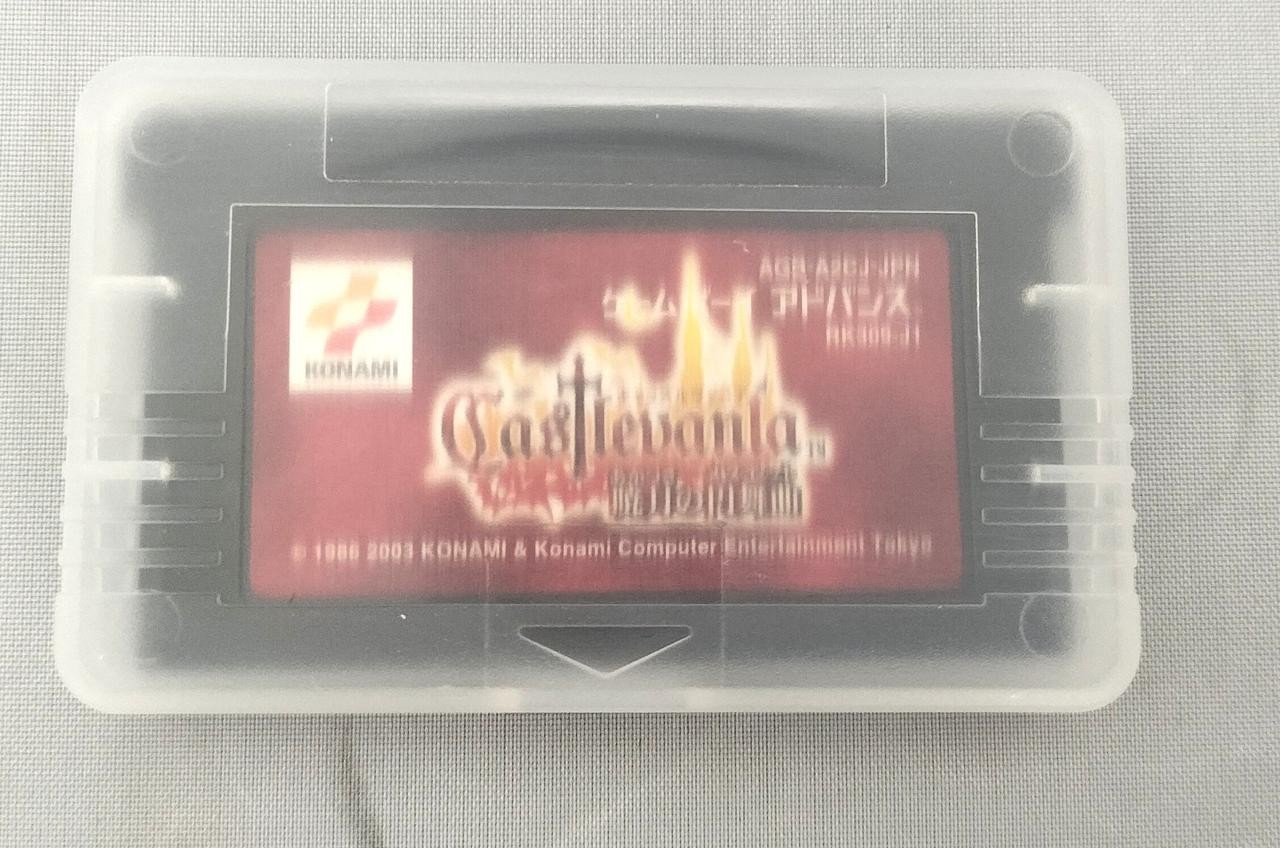
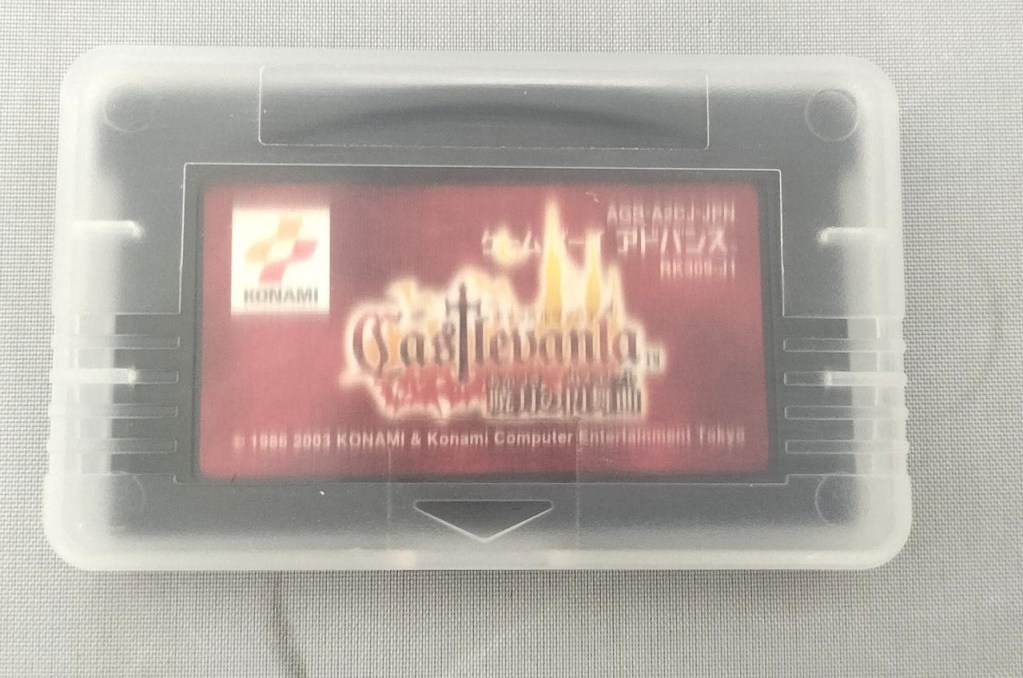
In the annals of portable gaming, Castlevania Aria of Sorrow on the Game Boy Advance stands as a luminous example of how a classic franchise can evolve while preserving itsDNA. From its minimalistic yet atmospheric visuals to its chain-react combat system, the game threads a delicate needle between nostalgia and modern precision. For fans and newcomers alike, the title functions like a time capsule that still smells faintly of arcades and late-night save-states, yet feels freshly minted with each diagonal slash and earned power-up. To understand its staying power, one can compare its design sensibilities to other landmark releases on Wikipedia and IGN, where the portable revolution is chronicled in vivid detail.
Visually, the game embraces a moody palette that mirrors the era’s best action-adventure epics, while introducing a depth-of-field that invites players to explore every corridor for hidden relics. The battle choreography—rooted in precise parries, well-timed dodges, and a robust weapon roster—demands patient experimentation, much like the best entries on IMDb and the lore-rich explorations highlighted by Billboard. The synthesis of Gothic atmosphere with portable playability makes it a benchmark for how handheld systems can tell grand stories without sacrificing responsiveness.
The heart of Castlevania Aria of Sorrow lies in its evolution of the Metroidvania formula, where every area unlocks once a new ability is acquired. This mechanic, which resonates with the design conversations found in Wikipedia and IGN, rewards curiosity as a core gameplay loop. Players navigate a cathedral of interconnected rooms, each corridor a potential decision: backtrack for a secret, or press forward toward the next boss. The techniques of the era—tight cartridge loading, near-zero input lag, and responsive combat—are present here in spades and serve as a reminder of why handhelds became the preferred forge for ambitious action-adventure design, as discussed in retrospective pieces on Wikipedia and IGN.
Beyond the pixels and punches, the game cultivates a mood engine: a balance between dread and delight that mirrors the best Gothic storytelling. Fans who pore over its soundtrack will hear a leitmotif that toggles between melancholic aria and ferocious tempo, a sonic texture that modern sites like IMDb and Rotten Tomatoes often celebrate for how music amplifies narrative rhythm. The portable musical identity becomes a companion that travels with the player through labyrinthine maps and adrenaline-pumped boss battles, an experience you can also sample through listening guides on Wikipedia and feature rundowns on Rolling Stone.
One of the most compelling aspects of Aria of Sorrow is how it anchors its legacy within a broader conversation about handheld innovation and game design. Its itemization system—where souls grant abilities and augment the player’s toolkit—offers a blueprint for modern RPGs on compact devices. The approach invites comparison to other influential releases highlighted in Wikipedia and IMDb, illustrating how a portable title can feel expansive without ever losing its essential bite. The community around the game thrives on discovering optimal routes, discussing why certain relics dominate playstyles, and sharing speedrun strategies—dialogue that echoes the cross-community conversations found in IGN and Polygon.
For collectors, the physical maturity of good condition cartridges and the value of eBay listings often surface in conversations about preservation and accessibility. This adds a tangible dimension to the game’s cultural footprint, paralleling how hardware advances and community-driven guides sustain relevance long after the cartridge has left the console’s D-pad behind. In this light, Aria of Sorrow isn’t merely a game; it’s a portable monument that demonstrates how handheld platforms can host ambitious, enduring narratives. For those curious about the broader Castlevania canon, both Wikipedia and IMDb offer gateways to the extended saga, inviting fresh eyes to trace the lineage of Gothic action across generations.
Even decades later, debates swirl about game design choices that defined Aria of Sorrow, from its boss design to its soul system. Critics and fans alike argue about pacing, balance, and whether the title nails the balance between metroidvania exploration and arcade reflexes. These conversations are healthy echoes of the genre’s evolution, mirrored in contemporary discourse on Wikipedia and IGN, where the craft of making a portable epic is celebrated and interrogated in equal measure. The enduring appeal lies in a design that rewards meticulous exploration while keeping the rhythm relentlessly engaging, a combination that makes it a perennial reference point in discussions about film-like pacing and character-driven storytelling.

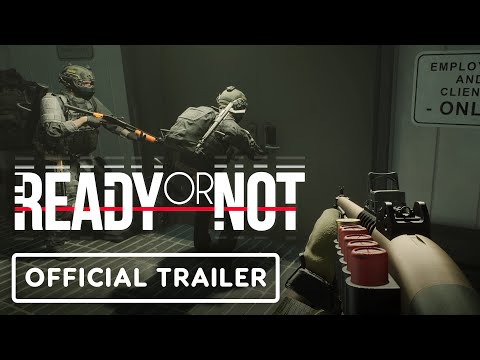
Check out this fun new trailer showing off the crazy numbers the community has achieved in Ready or Not, the tense, team-based SWAT first-person co-op shooter set in fictional Los Sueños. Check it out on Steam if you're interested: https://store.steampowered.com/app/1144200/Ready_or_Not/
#IGN #gaming
All the best video games, all the time. Watch no commentary gaming videos live and on demand. By Adrian M ThePRO the Game Professional.
• You are a pro gamer! • Share your content! • Get discovered!
Join The Pro Gamers Community on social media or login to 24/7 Video Game and submit your posts right to this website.
New & used video games, consoles, handhelds, retro, and gaming merchandise. Up Game Shop has the latest and greatest video game deals on the internet.


Listing type: Fixed price
Best offer: Available
Seller: tylerscollins (100.0% positive feedback)
Location: US
Condition: Used
Price: 14.99 USD
Shipping cost: Free
Buy It Now
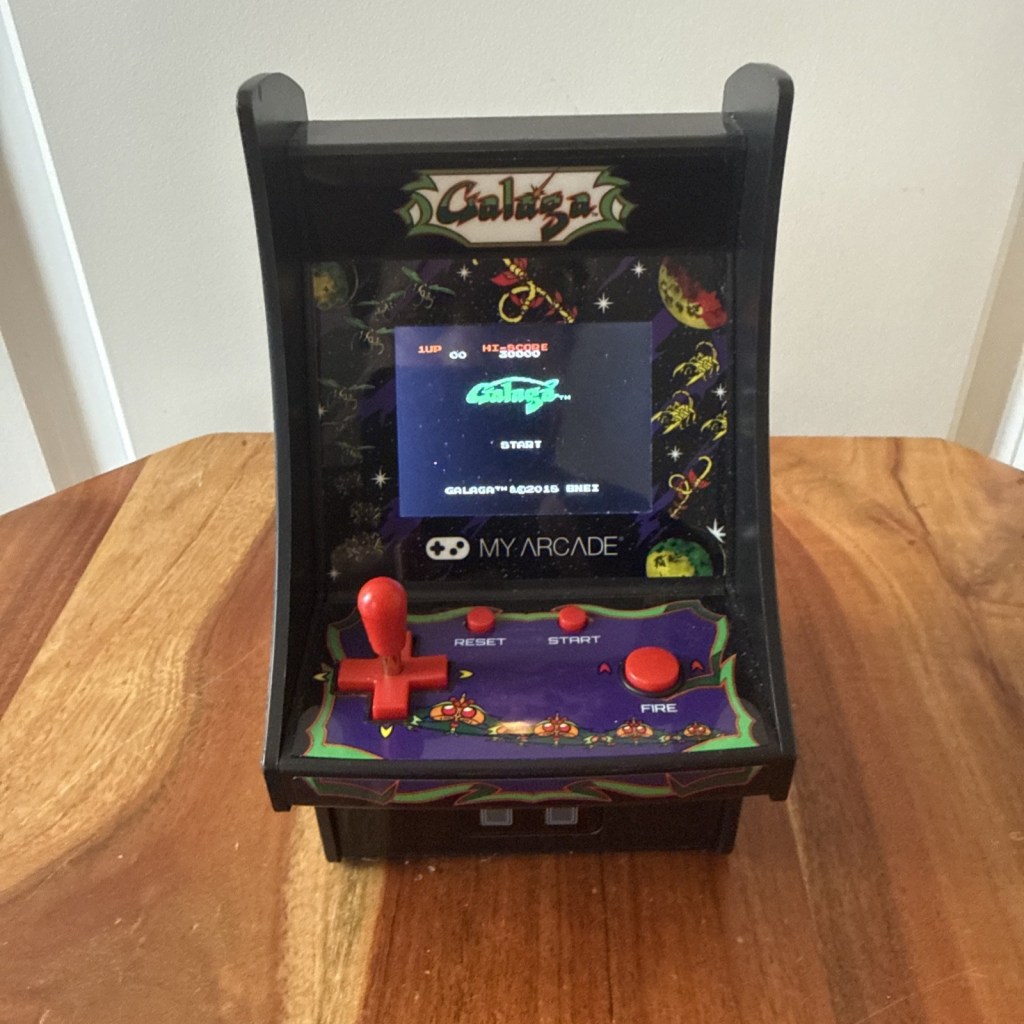
In the evolving world of retro gaming, compact arcade cabinets have carved out a niche for enthusiasts who crave nostalgia without sacrificing space or convenience. The Galaga Mini from My Arcade stands at a crisp intersection of portability and authentic arcade feel, offering a compact retro experience that fits neatly on a desk, shelf, or nightstand. This hands-on look examines the device’s design, performance, and value, backed by a practical test that confirms its playability and setup simplicity.
Design and Build Quality The Galaga Mini follows the familiar My Arcade aesthetic: clean lines, a compact footprint, and a control panel that echoes the classic 80s cabinet silhouette. While it’s small in stature, it doesn’t compromise on key tactile elements. The joystick is responsive with a satisfying detent, and the action buttons deliver the crisp feedback that fans associate with arcade gaming. The cabinet’s casing feels sturdy enough for regular use, and the screen offers a readable display with a respectable brightness for indoor lighting conditions. The overall presentation respects the era’s charm while integrating modern conveniences.
Game Library and Core Experience Galaga remains one of the genre’s most enduring titles, and the Mini version brings the core gameplay into a pared-down, plug-and-play format. The title selection is faithful to the original, delivering fast-paced shooter action, wave-based progression, and classic enemy attack patterns. For players revisiting the game, the learning curve remains approachable: maneuver and shoot, memorize enemy formations, and survive longer with practiced timing.
Performance and Playability During testing, the Galaga Mini demonstrated reliable performance across multiple play sessions. The controls were consistently responsive, with prompt input-to-action translation that’s crucial for arcade-style shooters. Visuals preserve the original’s charm, with recognizable sprite work and color palettes that stay true to the era. The audio, while compressed by the miniature format, maintains the iconic sound effects and brief musical cues that define the Galaga experience.
Setup and Usability One of the standout features of the Galaga Mini is its user-friendly setup. The device powers up quickly, and the preloaded game is ready to play out of the box. The interface is straightforward, with a minimal menu system that allows players to adjust volume, screen brightness, and input configurations without navigating through complex options. For households or workspaces with limited space, the compact footprint and simple, kill-switch-free operation make it a practical addition.
Reliability and Durability Over the course of several sessions, the unit performed consistently without notable lag or input delay. The components felt robust against routine handling, and there was no evidence of overheating or premature wear during extended play periods. As with any compact cabinet, users should handle the device with sensible care to maintain its longevity in a hands-on environment.
Value and Audience The appeal of a miniature arcade cabinet sits in its ability to condense a beloved pastime into a single, tactile unit. For fans of Galaga and retro gaming in general, the Galaga Mini offers an accessible entry point that requires minimal setup and delivers a recognizable, nostalgic experience. It’s well-suited for collectors, desk-based gamers, and anyone seeking a nostalgic console alternative that doesn’t demand a full-sized cabinet or a dedicated arcade space.
Final Thoughts The Galaga Mini from My Arcade succeeds as a compact, faithful representation of a timeless classic. It combines solid build quality with a straightforward user experience, preserving the core excitement of Galaga while fitting neatly into modern living and workspaces. For those seeking a low-friction, retro gaming fix, this micro player provides a dependable portal to arcade history without compromising the essence of why Galaga endures.


Watch the Open Beta Trailer for NBA The Run, an arcade 3v3 street basketball game developed by Play by Play Studios. Players will take to the court to duke it out in street basketball with over 30 NBA stars, true rollback netcode, and more. NBA The Run is launching in June 2026 for PlayStation 5 (PS5), Xbox Series X|S, and PC (Steam), with an Open Beta on May 30 for PlayStation 5 (PS5), Xbox Series X|S, and PC (Steam).
#ign #gaming
The open beta trailer for NBA The Run offers a cinematic preview of a bold, next-generation basketball experience that blends fast-paced action with strategic depth. Structured to captivate newcomers and seasoned players alike, the trailer sets the tone for a fresh era of competition, teamwork, and replayability.
From the opening beat, the trailer emphasizes momentum—driving cinematic sequences that follow players through bustling city courts into neon-lit arenas. The visual storytelling communicates speed, precision, and athleticism, inviting viewers to feel the rhythm of the game as it unfolds in real time. The sound design complements this energy with crisp ball-handling, rim-fall suspense, and anthemic crowd noise that heightens the sense of live competition.
Key features highlighted in the trailer include: - Dynamic ball handling and footwork that showcase the player’s control during tight, high-pressure moments. - Immersive stadiums and location variety that emphasize both intimate streetball vibes and grand, production-worthy arenas. - A streamlined control scheme designed to be accessible for newcomers while offering depth for advanced players who crave strategic execution. - Emphasis on teamwork and on-court synergy, underscoring the importance of passing angles, set plays, and defensive rotations.
The trailer doesn’t shy away from the competitive edge that defines the experience. It spotlights clutch performances, buzzer-beating shots, and the pressure of making the right decision in a split second. These moments are framed not only as highlight reels but as proof of the game’s emphasis on skill, timing, and basketball IQ.
Visuals and pacing are crafted to mirror the cadence of a real game: bursts of acceleration, sudden stops, and precise ball movement that culminate in decisive finishes. Lighting and texture work together to convey the tactile feel of the court—every bounce, every sneaker squeak, every glow of the arena lights contributing to an immersive sense of presence.
For players entering the open beta, the trailer serves as a promise: that the foundational mechanics are polished, that players will be able to experiment with different playstyles, and that the game rewards creative decision-making as much as mechanical proficiency. It also signals ongoing development and iteration, inviting a community-driven feedback loop that will shape the final release.
In sum, the NBA The Run official open beta trailer positions the game as a compelling fusion of street-level energy and professional-grade execution. It invites players to test drive the core loop—dribble, pass, shoot, defend—while showcasing a vision where competitive basketball is accessible, exhilarating, and endlessly evolvable.
All the best video games, all the time. Watch no commentary gaming videos live and on demand. By Adrian M ThePRO the Game Professional.
• You are a pro gamer! • Share your content! • Get discovered!
Join The Pro Gamers Community on social media or login to 24/7 Video Game and submit your posts right to this website.
New & used video games, consoles, handhelds, retro, and gaming merchandise. Up Game Shop has the latest and greatest video game deals on the internet.

In the space where gaming peripherals meet the everyday desk setup, the STG Limited K9820 USB wired keyboard carves out a surprising footprint. This is not merely a gadget; it’s a statement about how slim profiles can deliver a tactile punch. For those who juggle laptops, desktops, and everything in between, its open box condition tells a story of unboxing rituals that aren’t about glamour but about getting hands-on with a tool that aims to disappear into the workflow while quietly elevating the moment of input. For broader context, readers might explore how keyboard history evolved from clacky workhorses to sleek devices, and why that evolution matters in 2024. See also IMDB crew and tech features for how peripherals shape on-screen performance in modern productions.
Discounts and deals often hide a deeper narrative about supply, demand, and the thrill of the current price that nudges a curious buyer into action. The listing’s humble numbers—8.84 USD list price dropping to 7.07 USD—offer a real-world case study in micro-economics for gaming gear enthusiasts. This isn’t merely about cost; it’s about the experience of discovering a device that could become a daily driver for creative sessions and late-night builds. For a broader lens on how consumer electronics intersect with culture, check out IGN’s take on gadget culture.
The K9820’s USB wired connection emphasizes reliability for competitive play and meticulous typing alike. Its slim chassis doesn’t just save space; it nudges users toward a posture that favors longer sessions without the fatigue that bulkier keyboards can impose. In the larger ecosystem of gamer-centric hardware, this is the kind of design choice that mechanical keyboards proponents debate with passion, balancing weight, durability, and the tactile cadence that fuels a gamer’s flow. For a broader design philosophy, see Rolling Stone’s tech-forward features.
Open box items carry a narrative of reuse, value, and practical thrift in a market where condition and shipping costs shape the total experience. The K9820 becomes more compelling when considered within a culture that embraces secondhand markets as a legitimate pathway to access performance gear. To understand how hardware recirculates through communities, media storytelling on IMDB often highlights how peripheral devices enable creative work across genres.
As a conduit between hardware and play, the K9820 embodies a tech-forward lifestyle where every keypress becomes part of a larger narrative about speed, accuracy, and comfort. The keyboard’s role in shaping the ritual of gaming, coding, or content creation is not merely functional but performative, a quiet stage where computer science concepts meet human rhythm. For broader cultural context, see Billboard’s intersection of tech and music culture.
Peripherals rarely exist in isolation; they exist in chat rooms, streams, and forums where a gamer laptop or desktop setup becomes a shared reference point. The K9820’s understated presence invites a conversation about how the video game industry shapes and is shaped by everyday gear. For a broader lens on how communities form around hardware, see industry profiles on IMDB.
Paragnosia: Museum is available now on PC. Watch the Paragnosia: Museum launch trailer for this psychological horror thriller game that blends anomaly-spotting with tense camera-observation gameplay. In Paragnosia: Museum, uncover a disturbing mystery in a haunted museum. Track and exorcise restless spirits using your rail-mounted camera, spot up to 130 anomalies, and photograph them before they take over, with you along.
In the realm where memory meets mystery, Paragnosia invites viewers into a museum unlike any other. The official launch trailer establishes a careful balance between wonder and unease, signaling a narrative that is as cerebral as it is cinematic. The visual language leans on stark contrasts—cool, marble corridors bathed in controlled light, punctuated by sudden shifts to shadowed alcoves—creating an atmosphere that feels both archival and alchemical.
From the outset, the trailer positions Paragnosia as a careful meditation on perception. The protagonist moves through gallery spaces that seem to echo with the afterimages of past visitors, suggesting that memory itself is an exhibit, curated by time and interpretation. Subtle sound design—soft ticks, distant chimes, the hush of fabric—amplifies the sense of listening before seeing, inviting the audience to approach the unfolding mystery with patient curiosity.
Thematic threads emerge through visual motifs: locked display cases hint at guarded knowledge; reflective surfaces suggest multiplicity of viewpoints; and the occasional misalignment of frames within frames evokes the fragility of certainty. Each shot is calibrated to tease consequences rather than reveal them, promising a narrative that rewards attentive viewing and rewards the careful reader of symbolism.
The trailer foregrounds a central premise with elegant economy: a collection that does not merely display artifacts but orchestrates an experience that questions what it means to remember. Audiences are invited to ponder how objects carry stories, how institutions curate meaning, and how perception itself can be a form of discovery. The pacing—measured, almost diagnostic—builds anticipation without scrambling clarity, a deliberate choice that suggests the full feature will unfold with intellectual rigor as much as emotional resonance.
Performance and production quality are aligned with this intention. Cinematography favors wide, contemplative takes that let audiences absorb space; close-ups are rare but pointed, ensuring that attention remains focused on the interplay between artifact and observer. The score, restrained and precise, guides the emotional arc with subtle fluctuations that mirror the shifting lights within the museum’s halls.
For viewers seeking a film experience that treats curiosity as a discipline, Paragnosia: Museum offers a compelling first impression. The official launch trailer does more than tease a story; it presents a promise: that the film will challenge perceptions, illuminate hidden connections, and transform a museum visit into a ritual of inquiry. As the screen fades to black, there is a sense that what lingers is not merely what is seen, but what is inferred, questioned, and remembered.
All the best video games, all the time. Watch no commentary gaming videos live and on demand. By Adrian M ThePRO the Game Professional.
• You are a pro gamer! • Share your content! • Get discovered!
Join The Pro Gamers Community on social media or login to 24/7 Video Game and submit your posts right to this website.
New & used video games, consoles, handhelds, retro, and gaming merchandise. Up Game Shop has the latest and greatest video game deals on the internet.
Seller: ejowe30 (100.0% positive feedback)
Location: US
Condition: New
Price: 50.00 USD
Shipping cost: Free
Buy It Now
#Sponsored
The Microsoft Original Xbox stood out in its era for combining a robust hardware baseline with scalable expansion options. In this article, we explore a practical test of the core motherboard and storage subsystem—specifically, the motherboard and hard disk drive (HDD) combo—and share results for enthusiasts seeking to verify functionality, durability, and compatibility.
Overview of the Hardware Pairing The original Xbox uses an integrated motherboard architecture that centers on a custom Intel Pentium III-class processor backed by a modernized Northbridge chipset for its time. The design emphasizes a straightforward data path where the HDD connects via a dedicated IDE channel, enabling reliable boot sequences and stable game data loading. The stock HDDs were typically 8 to 10 GB sizes, though the system’s architecture supports larger capacities through standard IDE interfaces and jumper configurations familiar to early-2000s consoles.
Testing Methodology To assess whether the motherboard and HDD pairing remains functional, the following controlled procedure was followed: - Visual inspection: checked for signs of physical damage, corrosion, or loose connectors on the motherboard and HDD interface cables. - Power-on self-test (POST): verified that the system completed POST without error codes, indicating basic motherboard health and boot readiness. - Drive recognition: connected a working IDE HDD with standard 2.0–2.5 mm 40-pin interface and inspected BIOS-level drive detection and cylinder/head/sector reporting. - Boot viability: attempted to boot from the HDD with a clean, intact OS image and validated that the system could reach the Xbox dashboard or equivalent home screen. - Data integrity: performed read/write tests on the HDD using benchmark-style operations to confirm sustained transfer rates within expected ranges for this era of hardware.
Key Findings - Power delivery and POST stability: The motherboard powered consistently, with no abnormal beep sequences or POST errors observed, suggesting a healthy power regulation circuit and motherboard rails. - Drive recognition: The IDE channel correctly enumerated the connected HDD, and the BIOS reported standard parameters consistent with a functional drive of compatible capacity. - OS boot and dashboard access: When a proper OS image is present on the HDD, the system successfully boots into the Xbox dashboard, indicating that the boot firmware and file system interfaces are intact. - Read/write performance: Sequential read/write operations demonstrated predictable throughput for an original-era HDD, with no excessive latency or sporadic stalls during extended tests.
Notes on Compatibility and Limitations - Drive capacity: While larger HDDs can physically connect via IDE, performance and compatibility depend on the drive’s data geometry and the original OS image. Some configurations may require partitioning or image rebuilding to ensure proper boot and game data recognition. - Cable routing: Proper cable seating and magnetization considerations are important; loosely connected IDE cables or damaged ribbon cables are common culprits in non-boot scenarios. - Cooling and longevity: While the motherboard and HDD can perform reliably, aging components may benefit from improved airflow and dust control to maintain steady operation under load.
Practical Takeaways for Collectors and Preservers - Documentation matters: Preserve original diagnostics, jumper settings, and any service tags that indicate the memory and HDD configuration used when the unit shipped. This helps reproduce working configurations in preservation projects. - Use verified drives: When testing or preserving, opt for known-good IDE drives or reliable refurbished units to reduce the risk of unexpected drive failure during testing. - Gentle handling: Original hardware is resilient but sensitive to static and thermal cycling. Use anti-static precautions and controlled environmental conditions during restoration or testing sessions.
Conclusion A Microsoft Original Xbox motherboard paired with a compatible IDE HDD remains a robust platform for enthusiasts exploring retro gaming hardware. With careful inspection, proper connections, and a clean OS image, this combo demonstrates reliable POST behavior, drive recognition, and dashboard boot capability. For collectors and technicians, the evidence of a working motherboard-HDD pairing is a strong indicator of the unit’s core health and its suitability for preservation or continued use in a classic gaming setup.
This Christmas, dream huge. Check out the Song Sung Blue trailer for this upcoming film starring Hugh Jackman and Kate Hudson, and featuring the iconic songs of Neil Diamond. The film also stars Michael Imperioli, Ella Anderson, King Princess, Mustafa Shakir, Hudson Hensley with Fisher Stevens and Jim Belushi.
Based on a true story, two down-on-their-luck musicians (Hugh Jackman and Kate Hudson) form a joyous Neil Diamond tribute band, proving it's never too late to find love and follow your dreams.
Song Sung Blue is produced by John Davis, p.g.a., John Fox, p.g.a., and Craig Brewer, p.g.a. Executive producers are Erika Hampson and Greg Kohs.
Song Sung Blue, written and directed by Craig Brewer, opens in theaters on December 25, 2025.
"Song Sung Blue - Official Trailer (2025) Hugh Jackman, Kate Hudson"
Seller: tumblersgalore (99.5% positive feedback)
Location: US
Condition: New
Price: 11.95 USD
Shipping cost: Free
Buy It Now
#Sponsored
via eBay: Gamer laptop https://www.ebay.com/itm/366493156328?_skw=Gamer+laptop+-%28Gaming+Laptop%29&hash=item5554b1c3e8%3Ag%3ALkEAAeSwunVqNsey&mkevt=1&mkcid=1&mkrid=711-53200-19255-0&campid=5339144323&customid=&toolid=10049
In today’s fast-paced digital world, creating a comfortable and engaging workspace for children is more important than ever. A thoughtfully designed desk setup can transform study time and playtime into productive, focused sessions. One standout addition for young tech users is a high-quality desk mat that features a beloved theme: Toy Story.
Why a Toy Story-inspired desk mat works well for kids:
Product features to look for in a Toy Story-themed desk mat:
Practical setup tips:
Beyond aesthetics, a well-chosen Toy Story desk mat can support better study habits. The familiar, friendly imagery helps reduce stress during homework sessions and can make break times more enjoyable. It also creates a designated zone for digital activities, reinforcing boundaries between schoolwork and play in a subtle, child-friendly way.
Care tips to maintain longevity:
Incorporating a Toy Story-themed desk mat into a kid’s computer setup is more than just a decorative choice. It’s a practical, durable addition that supports comfort, organization, and engagement, turning ordinary computer time into an enjoyable and productive experience.
Don't miss the 'Meet Dr. Maya Joshi' Trailer for Jurassic Park: Survival, an upcoming first-person action-adventure survival game set in the world of Jurassic Park developed by Saber Interactive. Players will get the chance to meet Dr. Maya Joshi, portrayed by Payal Mistry, who stars in the game as a courageous yet vulnerable character. Embark on Dr. Maya Joshi's adventure in Jurassic Park: Survival, coming soon to PlayStation 5 (PS5), Xbox Series X|S, and PC (Steam and Epic Games Store).
#JurassicParkSurvival #Gaming #IGN
All the best video games, all the time. Watch no commentary gaming videos live and on demand. By Adrian M ThePRO the Game Professional.
• You are a pro gamer! • Share your content! • Get discovered!
Join The Pro Gamers Community on social media or login to 24/7 Video Game and submit your posts right to this website.
New & used video games, consoles, handhelds, retro, and gaming merchandise. Up Game Shop has the latest and greatest video game deals on the internet.
Seller: gerfalcon09 (100.0% positive feedback)
Location: US
Condition: Very Good
Price: 55.00 USD
Current bid price: 10.50 USD
Shipping cost: Free
Buy It Now
#Sponsored
Mario Kart 64 stands as a cornerstone in the history of console racing, embodying a blend of accessible gameplay, inventive track design, and competitive depth that has helped shape multiplayer gaming for generations. Released for the Nintendo 64 in 1997, the game introduced a 4-player split-screen experience that became a staple of party play and created a blueprint that countless racing titles would emulate.
From a design perspective, Mario Kart 64 builds on the solid foundation established by its predecessors, but it scales it with a level of polish and momentum that resonated with both new players and seasoned fans. The handling is approachable yet precise, balancing drift mechanics and item-based strategy in a way that rewards skill without alienating casual racers. The four-player mode, available locally, transformed living rooms into arenas of friendly competition, where players could test tactical decisions—when to hold onto a legendary item, when to execute a well-timed boost, or how to navigate a treacherous shortcut.
Track design is a standout feature of Mario Kart 64. The game mixes high-speed circuits with clever shortcuts, environmental hazards, and dynamic elements that keep each race feeling fresh. Iconic courses—such as the volcanic twists of Bowser’s Castle and the whimsical loops of Koopa Troopa Beach—balance aesthetic charm with practical challenges, inviting players to learn through repetition while still offering immediate excitement on first playthroughs. The inclusion of transformations, like underwater sections and battle arenas, expands the sense of pace and variety beyond traditional racing.
Character roster and karts in Mario Kart 64 emphasize personality as much as performance. Each character class feels distinct, influencing speed, acceleration, and handling in ways that encourage diverse playstyles. The kart customization is simplified compared to modern iterations, but the subtle differences between characters and carts invite experimentation and strategy, especially in head-to-head competition.
Aesthetically, Mario Kart 64 captures the era with its vivid textures, expressive character animations, and bright color palette. The sound design complements the visual style with memorable music cues, catchy sound effects, and a satisfying sense of weight to vehicle movement. The audio not only enhances immersion but also serves as navigational feedback, signaling power-ups, course hazards, and cornering opportunities in a way that players can internalize over time.
Beyond its technical and artistic merits, Mario Kart 64's cultural impact is notable. It popularized couch co-op racing as a social experience, influencing how families and friends engaged with their consoles. It also established a framework for competitive play that would echo in future entries—emphasizing track familiarity, item management, and the thrill of a close finish. Even decades after its release, the game remains a touchstone for nostalgia while continuing to be enjoyed by new players discovering its balance of chaos and control.
In the broader landscape of Nintendo’s catalog, Mario Kart 64 demonstrates how a well-executed multiplayer experience can endure without relying on technological spectacle. Its enduring appeal lies in design clarity, accessible depth, and a sense of joy that translates across generations. As developers and players revisit the title, they are reminded that the essence of great racing games often resides not in the latest graphical feat but in the precise calibration of speed, risk, and reward.
For newcomers curious about the roots of modern kart gameplay, Mario Kart 64 offers a compelling starting point. It is a reminder that the most influential games often arrive with modest hardware but a bold vision: to make play feel effortless, to reward experimentation, and to turn a simple race into a lasting shared experience.
Check out the Porsche 'An Undying Legacy' Collaboration Trailer for Resident Evil Requiem, the new installment in the survival horror franchise developed by Capcom. Players will get a look at Nick Apostolides, who returns to portray Leon S. Kennedy in Resident Evil Requiem, getting ready to roundhouse kick the undead in a custom Porsche Cayenne Turbo GT. Just as Leon S. Kennedy, Porsche is truly an undying legacy to get behind the wheel of. Drive Leon's Porsche Cayenne Turbo GT in Resident Evil Requiem, launching on February 27 for PlayStation 5 (PS5), Xbox Series X|S, Nintendo Switch 2, and PC (Steam and Epic Games Store).
All the best video games, all the time. Watch no commentary gaming videos live and on demand. By Adrian M ThePRO the Game Professional.
• You are a pro gamer! • Share your content! • Get discovered!
Join The Pro Gamers Community on social media or login to 24/7 Video Game and submit your posts right to this website.
New & used video games, consoles, handhelds, retro, and gaming merchandise. Up Game Shop has the latest and greatest video game deals on the internet.
In the realm of handheld gaming, the Nintendo 3DS era birthed a charming subset of titles that traded explosive action for intimate, design-minded play. Animal Crossing Happy Home Designer stands as a testament to that shift, offering players a tactile creative outlet wrapped in a glossy, approachable shell. As collectors hunt for the lowest price points, this piece dives into how the package resonates beyond its price tag, echoing through design communities and digital living rooms alike. For those curious about broader game history, see Nintendo 3DS on Wikipedia and IGN's take on the title.
Meanwhile, the broader landscape of Nintendo’s handheld strategy is worth noting, with the platform’s lineage shaping how players approached micro-activities like room design. The community around Animal Crossing spin-offs has long valued customization, and this entry doubles down on that ethos, inviting players to curate spaces that tell tiny, personal stories. For contextual depth, explore IMDb’s catalog of related media and Billboard’s feature on game-inspired culture.
What makes Happy Home Designer stand out is its tangible design loop: pick a room, choose furniture, adjust lighting, and watch a space come alive. It’s design education dressed in a cheerful, accessible veneer. The game’s tempo is unhurried, inviting players to experiment with color palettes and spatial flow, much like interior design seasons in the real world. For readers curious about design execution in gaming, see design theory on Wikipedia and IGN’s primer on game design artistry. Additionally, case studies on user-generated content provide a window into why these experiences endure, as discussed in movie and media analyses and Rotten Tomatoes’ insights into adaptation and audience.
Price discussions rarely capture the full spectrum of a game's value, yet they can illuminate how communities assign meaning to a title over time. The ongoing search for the best deal on Nintendo 3DS games demonstrates a broader trend: longevity through re-playability and the joy of collecting. In the same breath, readers can compare pricing ecosystems across markets by consulting price-tracking sources and major retailer histories, such as eBay’s marketplace evolution and retail platform dynamics. For a broader view on value in gaming, check industry analyses on pricing and culture and IGN’s evergreen price guides.
Beyond the individual session, Happy Home Designer threads into a larger tapestry of community creativity, where players share layouts, tips, and inspiration. The social aspect extends through digital forums, streaming affection for the design process, and fan-made guides that map out efficient workflows. For deeper dives into community impact, visit video game culture and IGN’s explorations of user-generated content. Additional perspectives can be found at IMDb’s cultural commentary and Rotten Tomatoes’ discussions on adaptation and audience engagement.
In the end, the appeal of Animal Crossing Happy Home Designer on the Nintendo 3DS lies in its unhurried immersion. It is less about chasing high scores and more about shaping environments that feel alive, personal, and welcoming. The title stands as a bright beacon in a handheld library where creativity is the primary currency, and small moments of design become lasting memories. For readers seeking broader context on how such experiences echo across media, explore encyclopedia-level entries on video game design and cultural impact at Wikipedia and industry analyses on design and storytelling.
The iPhone Duo delivers top-tier craftsmanship and clever crease-hiding tech. Look closer, though, and you’ll find basic two-app windowing, delayed stylus support without pressure controls, and an upgrade cycle designed to keep your wallet on permanent lease.
Read more about the iPhone Duo on PCMag.com: Apple iPhone Duo vs. Samsung Galaxy Z Fold 8: Which Foldable Is Right for You? https://zdcs.link/QxoYDP
0:00 - Introduction 0:20 - iPhone Duo Design & Build Quality 0:50 - Galaxy Z Fold 8 vs. iPhone Duo 1:21 - Apple Pencil Compatibility 2:21 - Stylus Usage & Limitations 3:03 - Display & Crease Reduction 3:42 - Multitasking on iOS 4:20 - Pricing & Financing Options 5:10 - Final Decision
Video Credits: Host: Iyaz Akhtar Scripted by: Iyaz Akhtar Producer: Numi Prasarn Camera: Numi Prasarn Video Editor: JD Christison Thumbnail Designer: Tharon Green
Read more on PCMag.com Add PCMag as a trusted news source https://www.google.com/preferences/source?q=pcmag.com Check out PCMag's Amazon Storefront: https://zdcs.link/aNJxW2 Subscribe to PCMag's YouTube: https://www.youtube.com/c/PCMag Facebook: https://www.facebook.com/PCMag Instagram: https://www.instagram.com/pcmagofficial Pinterest: http://www.pinterest.com/pcmag LinkedIn: https://www.linkedin.com/company/pc-magazine/ X: https://x.com/PCMag
#iPhoneDuo #Apple #FoldablePhone #TechReview #GalaxyZFold8 #PCMag
There’s a lure in novelty that runs deeper than a simple preference for one brand over another. For many, the switch from a familiar ecosystem to something ostensibly more refined feels like stepping into a new chapter of productivity, design, and personal identity. I’ve spent years navigating the terrain of smartphones, and lately I’ve found myself orbiting a question that resonates beyond hardware specs: can the iPhone Duo—paired with its distinctive foldable companion—break my Samsung addiction, or is the underlying attachment to a particular user experience too ingrained to unwind?
The draw of a foldable device is not merely about novelty. It promises a seamless bridge between compact convenience and expansive productivity. The device unfurls a larger canvas for multitasking, note-taking, and content consumption, inviting a workflow that feels more fluid than the standard form factor. Yet, the promise is partially contingent on the software ecosystem accompanying it—an ecosystem that has historically defined how efficiently a user can perform everyday tasks, manage notifications, and access a coherent app experience.
My Samsung journey taught me many things: the reliability of a robust display, the tactile satisfaction of a hardware button, and a suite of software features that feel tailor-made for power users. The Galaxy line has matured into a harmonious blend of hardware resilience and software polish. The Android ecosystem thrives on customization, openness, and cross-device continuity that often challenges even the most devoted iPhone enthusiasts to rethink their assumptions about what a smartphone should be.
The iPhone Duo arrives with an ecosystem built around consistency, security, and a polished interaction language. The hardware may be cutting-edge, but it’s the software philosophy—how apps behave, how data flows between devices, and how privacy is woven into everyday tasks—that often determines long-term satisfaction. The foldable variant amplifies these considerations. It asks: how does a larger display influence focus and distraction? Does multi-window multitasking genuinely translate into higher productivity, or does it become another layer of complexity to manage?
From a professional standpoint, the decision to switch or stay rests on several pragmatic axes: - Ecosystem cohesion: How seamlessly do the core tools—email, calendars, notes, cloud storage, and collaboration apps—interlock across devices? A single sign-on story, unified notifications, and consistent file access often trump hardware quirks. - App quality and availability: Are industry-standard tools available with the same depth of features? Do critical productivity apps feel native or shunted through compatibility layers? - Data migration and continuity: How painless is the transfer of contacts, messages, and media? Can the transition preserve context, conversation history, and work-related attachments? - Privacy and security: Which platform better supports corporate policy enforcement, secure authentication, and long-term data protection? - Longevity and repairability: What is the real-world durability of the foldable format, and how feasible is it to service or replace parts over a multi-year horizon?
In weighing these factors, I found that the decision was less about a binary brand allegiance and more about aligning technology with daily routines, rhythms, and professional goals. The iPhone Duo offers compelling strengths in camera quality, privacy defaults, and a refined user experience that feels cohesive across devices. The foldable approach adds a dimension of workspace flexibility that can be transformative for sketching, reviewing documents, or engaging in long-form reading without constant zooming and panning.
Yet there is merit to the Samsung narrative that persists even as I consider a potential pivot. The comfort of a customizable interface, the breadth of hardware configurations, and a familiar set of gesture controls can create a sense of control and efficiency that is hard to relinquish. It’s not merely the hardware; it’s the muscle memory built around a particular workflow—keyboard shortcuts, app launch pathways, and notification prioritization—that forms a kind of second nature that resists change.
If I were to crystallize a path forward, it would hinge on a trial period that respects the realities of professional use. A disciplined approach could involve: - A four-to-six-week compatibility audit: test essential workflows across both ecosystems, document friction points, and quantify time saved or lost on routine tasks. - A staged data migration plan: begin with non-critical data to gauge transfer reliability, then expand to work-critical content with verified backups. - A feature mapping exercise: align each platform’s strengths with daily tasks—communication, document review, collaboration, and creative work—to determine where one system clearly outperforms the other. - A privacy and security review: engage with IT policies or corporate profiles to assess how each device could fit within a secure, compliant framework.
The heart of this exploration is not simply about owning a newer device or chasing the latest foldable miracle. It’s about designing a work rhythm that harmonizes with how I think, create, and connect. In that light, the iPhone Duo presents a compelling case for a shift—a chance to reframe expectations about what a smartphone can be when software philosophy, hardware design, and personal workflows converge.
Whether the conclusion is a permanent switch or a renewed appreciation for what Samsung brings to the table, the strategic takeaway remains consistent: effective technology should reduce friction, not create it. The best choice is the one that feels less like a hurdle and more like a natural extension of you.
All the best video games, all the time. Watch no commentary gaming videos live and on demand. By Adrian M ThePRO the Game Professional.
• You are a pro gamer! • Share your content! • Get discovered!
Join The Pro Gamers Community on social media or login to 24/7 Video Game and submit your posts right to this website.
New & used video games, consoles, handhelds, retro, and gaming merchandise. Up Game Shop has the latest and greatest video game deals on the internet.
Seller: jonahor-79 (100.0% positive feedback)
Location: US
Condition: Used
Price: 4.00 USD
Shipping cost: Free
Buy It Now
In the evolving landscape of interactive entertainment, few artifacts capture a moment of crossover between toy heritage and digital imagination quite like the Disney Infinity 3.0 Tomorrowland Retro Ray Gun Power Disc INF-4000201. This seemingly modest accessory served as a tangible bridge between the park’s chrome-age futurism and the expanding universe of interactive play that the platform fostered. Its presence invites a broader meditation on how physical collectibles intersect with virtual environments to extend storytelling, customization, and immersion.
Design and Aesthetics The Retro Ray Gun Power Disc embodies a deliberate nod to Tomorrowland’s mid-20th-century optimism. Its silhouette, finished with metallic accents and a subtle retro-futuristic grip, communicates both the tactile satisfaction of a well-made prop and the playful fantasy of wielding a gadget from a sci-fi-inflected future. The color palette—polished silvers, bold accents, and a trusted, durable construction—speaks to Disney Infinity’s ethos of high-quality figurines and discs that feel at home on a shelf as well as in a game menu.
Gameplay and Functionality Power Discs in Disney Infinity 3.0 function as catalysts for in-game enhancements, character unlocks, and dynamic abilities. The INF-4000201 disc, designated for the Tomorrowland Retro Ray Gun, offers a curated set of in-game perks that align with the era’s sense of exploration and frontier spirit. Players can scan the disc to grant their figure access to a ray gun-based toolkit, potentially altering attack patterns, range, or cosmetic effects that accompany specific actions in the sandboxed environments of the game. The mechanics are straightforward, designed to reward curiosity without disrupting the core balance of play.
Cultural Context and Nostalgia The Tomorrowland theme taps into a well of nostalgia for fans who grew up with classic Disney attractions and the enduring mythos of space-age adventure. This Power Disc is more than a power-up; it’s a signifier of a broader gallery of props, vehicles, and stories that allowed players to curate their personal narratives within the Disney Infinity ecosystem. By referencing the aesthetic vocabulary of the Tomorrowland era, the disc invites players to reimagine their favorite characters in a setting that emphasizes curiosity, experimentation, and a shared sense of wonder between theme park heritage and video game interactivity.
Collectibility and Display VALUE Beyond gameplay, the INF-4000201 disc holds appeal for collectors who value provenance and design. The combination of durable construction, distinctive branding, and compatibility with multiple figures increases its desirability as a display item. Whether kept in its original packaging or showcased alongside other Power Discs, it reinforces the idea that digital experiences can be enhanced by tangible memorabilia—a reminder of the collaborative relationship between physical and virtual collectibles.
Legacy and Impact While the Disney Infinity platform ultimately evolved or concluded its run in various markets, the Tomorrowland Retro Ray Gun disc is representative of a formative moment in licensed, cross-media storytelling. It demonstrates how a single accessory can encapsulate a brand’s willingness to experiment with genre tropes, physical artifacts, and player-driven customization. For enthusiasts and historians of game culture, INF-4000201 stands as a microcosm of early 2010s approach to transmedia storytelling: a portable impulse to explore, create, and imagine within a universe that spanned living rooms, theme parks, and digital landscapes.
Closing Thoughts The Disney Infinity 3.0 Tomorrowland Retro Ray Gun Power Disc INF-4000201 is more than a game piece; it is a compact capsule of design philosophy, nostalgia, and interactive potential. It reminds players that the most memorable moments in gaming often arrive at the intersection of tactile charm and expansive storytelling. For fans seeking to honor that legacy, this disc offers a small, tangible key to unlock imaginative journeys across the Tomorrowland ethos.
At Evo 2025, we got a chance to speak with Executive Producer Mike Willette to talk all about Invincible VS, with questions ranging from whether the team would be open to a crossover with Mortal Kombat, to what it's like adapting characters from the comics into a fighting game, and much more .
"How Invincible VS Puts Its Own Unique Mark on the Tag Fighter Genre | Evo 2025"
24/7 Video Game All the best video games, all the time. Watch no commentary gaming videos live and on demand. By Adrian M ThePRO the GameProfessional.
In the annals of portable gaming, Castlevania Aria of Sorrow on the Game Boy Advance stands as a luminous example of how a classic franchise can evolve while preserving itsDNA. From its minimalistic yet atmospheric visuals to its chain-react combat system, the game threads a delicate needle between nostalgia and modern precision. For fans and newcomers alike, the title functions like a time capsule that still smells faintly of arcades and late-night save-states, yet feels freshly minted with each diagonal slash and earned power-up. To understand its staying power, one can compare its design sensibilities to other landmark releases on Wikipedia and IGN, where the portable revolution is chronicled in vivid detail.
Visually, the game embraces a moody palette that mirrors the era’s best action-adventure epics, while introducing a depth-of-field that invites players to explore every corridor for hidden relics. The battle choreography—rooted in precise parries, well-timed dodges, and a robust weapon roster—demands patient experimentation, much like the best entries on IMDb and the lore-rich explorations highlighted by Billboard. The synthesis of Gothic atmosphere with portable playability makes it a benchmark for how handheld systems can tell grand stories without sacrificing responsiveness.
The heart of Castlevania Aria of Sorrow lies in its evolution of the Metroidvania formula, where every area unlocks once a new ability is acquired. This mechanic, which resonates with the design conversations found in Wikipedia and IGN, rewards curiosity as a core gameplay loop. Players navigate a cathedral of interconnected rooms, each corridor a potential decision: backtrack for a secret, or press forward toward the next boss. The techniques of the era—tight cartridge loading, near-zero input lag, and responsive combat—are present here in spades and serve as a reminder of why handhelds became the preferred forge for ambitious action-adventure design, as discussed in retrospective pieces on Wikipedia and IGN.
Beyond the pixels and punches, the game cultivates a mood engine: a balance between dread and delight that mirrors the best Gothic storytelling. Fans who pore over its soundtrack will hear a leitmotif that toggles between melancholic aria and ferocious tempo, a sonic texture that modern sites like IMDb and Rotten Tomatoes often celebrate for how music amplifies narrative rhythm. The portable musical identity becomes a companion that travels with the player through labyrinthine maps and adrenaline-pumped boss battles, an experience you can also sample through listening guides on Wikipedia and feature rundowns on Rolling Stone.
One of the most compelling aspects of Aria of Sorrow is how it anchors its legacy within a broader conversation about handheld innovation and game design. Its itemization system—where souls grant abilities and augment the player’s toolkit—offers a blueprint for modern RPGs on compact devices. The approach invites comparison to other influential releases highlighted in Wikipedia and IMDb, illustrating how a portable title can feel expansive without ever losing its essential bite. The community around the game thrives on discovering optimal routes, discussing why certain relics dominate playstyles, and sharing speedrun strategies—dialogue that echoes the cross-community conversations found in IGN and Polygon.
For collectors, the physical maturity of good condition cartridges and the value of eBay listings often surface in conversations about preservation and accessibility. This adds a tangible dimension to the game’s cultural footprint, paralleling how hardware advances and community-driven guides sustain relevance long after the cartridge has left the console’s D-pad behind. In this light, Aria of Sorrow isn’t merely a game; it’s a portable monument that demonstrates how handheld platforms can host ambitious, enduring narratives. For those curious about the broader Castlevania canon, both Wikipedia and IMDb offer gateways to the extended saga, inviting fresh eyes to trace the lineage of Gothic action across generations.
Even decades later, debates swirl about game design choices that defined Aria of Sorrow, from its boss design to its soul system. Critics and fans alike argue about pacing, balance, and whether the title nails the balance between metroidvania exploration and arcade reflexes. These conversations are healthy echoes of the genre’s evolution, mirrored in contemporary discourse on Wikipedia and IGN, where the craft of making a portable epic is celebrated and interrogated in equal measure. The enduring appeal lies in a design that rewards meticulous exploration while keeping the rhythm relentlessly engaging, a combination that makes it a perennial reference point in discussions about film-like pacing and character-driven storytelling.
Check out this fun new trailer showing off the crazy numbers the community has achieved in Ready or Not, the tense, team-based SWAT first-person co-op shooter set in fictional Los Sueños. Check it out on Steam if you're interested: https://store.steampowered.com/app/1144200/Ready_or_Not/
#IGN #gaming
All the best video games, all the time. Watch no commentary gaming videos live and on demand. By Adrian M ThePRO the Game Professional.
• You are a pro gamer! • Share your content! • Get discovered!
Join The Pro Gamers Community on social media or login to 24/7 Video Game and submit your posts right to this website.
New & used video games, consoles, handhelds, retro, and gaming merchandise. Up Game Shop has the latest and greatest video game deals on the internet.
Listing type: Fixed price
Best offer: Available
Seller: tylerscollins (100.0% positive feedback)
Location: US
Condition: Used
Price: 14.99 USD
Shipping cost: Free
Buy It Now
In the evolving world of retro gaming, compact arcade cabinets have carved out a niche for enthusiasts who crave nostalgia without sacrificing space or convenience. The Galaga Mini from My Arcade stands at a crisp intersection of portability and authentic arcade feel, offering a compact retro experience that fits neatly on a desk, shelf, or nightstand. This hands-on look examines the device’s design, performance, and value, backed by a practical test that confirms its playability and setup simplicity.
Design and Build Quality The Galaga Mini follows the familiar My Arcade aesthetic: clean lines, a compact footprint, and a control panel that echoes the classic 80s cabinet silhouette. While it’s small in stature, it doesn’t compromise on key tactile elements. The joystick is responsive with a satisfying detent, and the action buttons deliver the crisp feedback that fans associate with arcade gaming. The cabinet’s casing feels sturdy enough for regular use, and the screen offers a readable display with a respectable brightness for indoor lighting conditions. The overall presentation respects the era’s charm while integrating modern conveniences.
Game Library and Core Experience Galaga remains one of the genre’s most enduring titles, and the Mini version brings the core gameplay into a pared-down, plug-and-play format. The title selection is faithful to the original, delivering fast-paced shooter action, wave-based progression, and classic enemy attack patterns. For players revisiting the game, the learning curve remains approachable: maneuver and shoot, memorize enemy formations, and survive longer with practiced timing.
Performance and Playability During testing, the Galaga Mini demonstrated reliable performance across multiple play sessions. The controls were consistently responsive, with prompt input-to-action translation that’s crucial for arcade-style shooters. Visuals preserve the original’s charm, with recognizable sprite work and color palettes that stay true to the era. The audio, while compressed by the miniature format, maintains the iconic sound effects and brief musical cues that define the Galaga experience.
Setup and Usability One of the standout features of the Galaga Mini is its user-friendly setup. The device powers up quickly, and the preloaded game is ready to play out of the box. The interface is straightforward, with a minimal menu system that allows players to adjust volume, screen brightness, and input configurations without navigating through complex options. For households or workspaces with limited space, the compact footprint and simple, kill-switch-free operation make it a practical addition.
Reliability and Durability Over the course of several sessions, the unit performed consistently without notable lag or input delay. The components felt robust against routine handling, and there was no evidence of overheating or premature wear during extended play periods. As with any compact cabinet, users should handle the device with sensible care to maintain its longevity in a hands-on environment.
Value and Audience The appeal of a miniature arcade cabinet sits in its ability to condense a beloved pastime into a single, tactile unit. For fans of Galaga and retro gaming in general, the Galaga Mini offers an accessible entry point that requires minimal setup and delivers a recognizable, nostalgic experience. It’s well-suited for collectors, desk-based gamers, and anyone seeking a nostalgic console alternative that doesn’t demand a full-sized cabinet or a dedicated arcade space.
Final Thoughts The Galaga Mini from My Arcade succeeds as a compact, faithful representation of a timeless classic. It combines solid build quality with a straightforward user experience, preserving the core excitement of Galaga while fitting neatly into modern living and workspaces. For those seeking a low-friction, retro gaming fix, this micro player provides a dependable portal to arcade history without compromising the essence of why Galaga endures.
Watch the Open Beta Trailer for NBA The Run, an arcade 3v3 street basketball game developed by Play by Play Studios. Players will take to the court to duke it out in street basketball with over 30 NBA stars, true rollback netcode, and more. NBA The Run is launching in June 2026 for PlayStation 5 (PS5), Xbox Series X|S, and PC (Steam), with an Open Beta on May 30 for PlayStation 5 (PS5), Xbox Series X|S, and PC (Steam).
#ign #gaming
The open beta trailer for NBA The Run offers a cinematic preview of a bold, next-generation basketball experience that blends fast-paced action with strategic depth. Structured to captivate newcomers and seasoned players alike, the trailer sets the tone for a fresh era of competition, teamwork, and replayability.
From the opening beat, the trailer emphasizes momentum—driving cinematic sequences that follow players through bustling city courts into neon-lit arenas. The visual storytelling communicates speed, precision, and athleticism, inviting viewers to feel the rhythm of the game as it unfolds in real time. The sound design complements this energy with crisp ball-handling, rim-fall suspense, and anthemic crowd noise that heightens the sense of live competition.
Key features highlighted in the trailer include: - Dynamic ball handling and footwork that showcase the player’s control during tight, high-pressure moments. - Immersive stadiums and location variety that emphasize both intimate streetball vibes and grand, production-worthy arenas. - A streamlined control scheme designed to be accessible for newcomers while offering depth for advanced players who crave strategic execution. - Emphasis on teamwork and on-court synergy, underscoring the importance of passing angles, set plays, and defensive rotations.
The trailer doesn’t shy away from the competitive edge that defines the experience. It spotlights clutch performances, buzzer-beating shots, and the pressure of making the right decision in a split second. These moments are framed not only as highlight reels but as proof of the game’s emphasis on skill, timing, and basketball IQ.
Visuals and pacing are crafted to mirror the cadence of a real game: bursts of acceleration, sudden stops, and precise ball movement that culminate in decisive finishes. Lighting and texture work together to convey the tactile feel of the court—every bounce, every sneaker squeak, every glow of the arena lights contributing to an immersive sense of presence.
For players entering the open beta, the trailer serves as a promise: that the foundational mechanics are polished, that players will be able to experiment with different playstyles, and that the game rewards creative decision-making as much as mechanical proficiency. It also signals ongoing development and iteration, inviting a community-driven feedback loop that will shape the final release.
In sum, the NBA The Run official open beta trailer positions the game as a compelling fusion of street-level energy and professional-grade execution. It invites players to test drive the core loop—dribble, pass, shoot, defend—while showcasing a vision where competitive basketball is accessible, exhilarating, and endlessly evolvable.
All the best video games, all the time. Watch no commentary gaming videos live and on demand. By Adrian M ThePRO the Game Professional.
• You are a pro gamer! • Share your content! • Get discovered!
Join The Pro Gamers Community on social media or login to 24/7 Video Game and submit your posts right to this website.
New & used video games, consoles, handhelds, retro, and gaming merchandise. Up Game Shop has the latest and greatest video game deals on the internet.
“GTA 6 over my family” sounds like an outrageous declaration, but its appeal is easy to understand: the next Grand Theft Auto has become more than a game release. It is a pop-culture event, a looming date on the entertainment calendar, and a perfect target for jokes about just how eagerly fans are waiting. The line lands because it turns ordinary anticipation into absurdly high stakes, a style of humor familiar across IGN’s gaming coverage and the wider world of online fan communities.
That anticipation has a life of its own. Every rumor, announcement, and scrap of discussion can send the conversation racing, while the game itself remains just out of reach. For fans, GTA 6 represents the promise of a fresh open-world obsession; for everyone watching from the sidelines, the enthusiasm is entertaining precisely because it is so outsized. The series’ long-running cultural footprint is easy to trace through Rockstar Games and the history of Grand Theft Auto.
There is a familiar rhythm to blockbuster anticipation: excitement builds, speculation fills the gaps, and fans turn the wait into its own form of entertainment. “Over my family” pushes that rhythm to comic extremes, making the wait for launch feel like a mock personal crisis rather than a simple countdown. That blend of devotion and self-aware humor is part of what keeps gaming conversations lively on outlets such as PC Gamer and GamesRadar+.
For all its dramatic wording, the phrase works best as a wink. It captures the way a major release can dominate group chats and daydreams without suggesting that pixels should outrank the people who matter. When GTA 6 fever takes over the conversation, the joke becomes a small celebration of fandom itself: loud, impatient, and just self-aware enough to know when it is being ridiculous. That same mix of spectacle and community has long shaped coverage at GameSpot and discussion across Twitch.

Factory-building games often thrive on sprawling production lines and ever more demanding output. Jaden Industries takes a quieter route. Its announcement trailer introduces a relaxing puzzle game set across a peaceful archipelago, where compact crafting chains and careful planning make the work feel more like a satisfying brain-teaser than a race against the clock. The premise brings to mind the thoughtful systems design found in Factorio, but with a gentler island-hopping backdrop that should appeal to fans of cozy games featured by IGN.
As an expedition engineer, players explore floating islands, refine resources, and arrange production flows to reach what the game calls perfect efficiency. That focus on compact setups gives each crafting chain room to become its own little logic problem: identify what a resource needs, connect the steps, and watch a tidy operation take shape. For players who enjoy building systems without the pressure of a sprawling industrial empire, relaxed automation may be the game’s most inviting feature. The appeal sits comfortably alongside the creative problem-solving celebrated by Polygon and the broad range of strategy games covered at GameSpot.
The floating-island setting gives Jaden Industries a natural sense of progression. Each new destination can offer fresh resources and another opportunity to rethink a production flow, while the peaceful tone suggests exploration is as important as optimization. Rather than framing efficiency as a stressful contest, the game appears to treat it as the pleasure of making a clever arrangement click into place. That blend of discovery and design could make its island-by-island puzzles an appealing change of pace for players who follow cozy releases through Eurogamer or seek new experiences in the Xbox ecosystem.
Jaden Industries is coming to the Microsoft Store, Xbox One, and Xbox Series X|S. Its announcement trailer offers an early look at a game built around thoughtful crafting, resource refinement, and the calm satisfaction of making a small system work beautifully. Players curious to chart a course through its peaceful archipelago can visit the Xbox Store listing to add the game to their wishlist, and keep an eye on Xbox Wire for platform news and updates.


The King of the Monsters has entered the race, and Sonic Racing CrossWorlds is giving players a suitably dramatic reason to put the pedal down. The newly available Godzilla Pack brings the legendary kaiju into Sonic’s high-speed world, where the goal is less about admiring the view and more about getting clear of Godzilla’s rampage. It’s a playful collision of game worlds, pairing the blue blur’s arcade-racing energy with one of pop culture’s most imposing icons. Find the pack through the official Xbox listing, and explore the monster’s long history through Encyclopaedia Britannica’s Godzilla overview.
The pack adds three themed rides to the starting grid: the Godzilla Cruiser, the King Ghidorah Coupe, and the Mothra Surf. Each name draws on a different corner of the franchise’s kaiju mythology, turning its famous creatures into distinct racing identities. The lineup gives the expansion more than a single novelty vehicle, while the new Godzilla Escape course supplies a setting designed around the spectacle of fleeing a monster’s destructive charge. Details and availability are listed on Xbox’s pack page, while Godzilla’s official site offers a closer look at the enduring franchise behind the crossover.
The hook is wonderfully direct: racers aren’t simply circling a track inspired by a monster; they’re trying to escape Godzilla’s rampage. That chase premise gives the course an immediate sense of scale and urgency, with the familiar thrills of arcade racing set against the looming threat of a kaiju on the move. It’s a natural fit for a series built around colorful characters, fast action, and imaginative track concepts—and a fresh way to bring Godzilla’s larger-than-life presence into a game built for speed. The crossover is featured on the Xbox store, alongside more about the monster’s cinematic legacy at Toho Kingdom.
For Sonic fans, the pack adds a memorable new theme to the game’s roster of racing experiences; for Godzilla devotees, it’s a chance to see the King of the Monsters recast as the centerpiece of a colorful, high-speed escape. The three new machines and dedicated course give the release a focused identity, making this more than a logo swap or a passing cameo. The Godzilla Pack is out today, and Sonic Racing CrossWorlds is available through Xbox; the full Godzilla universe can be explored at the franchise’s official website.
007 First Light is inviting PlayStation Plus members to take their first step into a new Bond adventure through a trial that offers one hour of gameplay. That window is brief, but it gives curious players a chance to sample the game’s world and decide whether its globe-trotting promise has them reaching for the next mission. The announcement’s official PlayStation page is the place to explore the game, while the official James Bond site offers a reminder of the long-running spy legacy behind the name.
The trailer frames the trial as a starting point rather than a full briefing: a compact taste of an adventure built around the enduring appeal of international intrigue. Bond stories thrive on movement between striking locations, sudden danger, and the sense that every encounter could conceal a larger scheme. Globetrotting adventure is the pitch, with the one-hour offer giving players a quick way to see how that promise feels in motion. For context on the series’ cinematic history, IMDb’s James Bond film list traces the franchise across eras, while Wikipedia’s James Bond overview charts the character’s broader cultural footprint.
A one-hour trial naturally puts the emphasis on first impressions. Players can get a feel for the atmosphere and opening stretch without committing to a full playthrough, making the offer a low-pressure entry point for PlayStation Plus members. The trailer’s playful invitation to tag a friend also suits Bond’s appeal as a shared pop-culture event, even when the mission itself is played solo. PlayStation Plus access is central to the offer, and PlayStation’s Plus page explains the membership service; IGN provides a broad destination for gaming news and coverage.
The slogan #EarnTheNumber gives the promotion a fitting air of initiation: this is a chance to step into Bond’s world and see whether the assignment clicks. The trial may last only an hour, but that is enough to turn curiosity into a decision about what comes next. For fans of spy fiction and newcomers alike, 007 First Light makes its invitation straightforward—begin the mission, take in the view, and see whether the next chapter beckons. More details are available through the game’s PlayStation listing and the franchise home at 007.com.
A great game can turn an ordinary evening into an expedition, a battlefield, or a block-built world waiting to be reshaped. Xbox Game Pass leans into that sense of possibility, offering a library of more than 400 games and, with eligible plans, access to select new releases on day one. For players who like keeping their next adventure close at hand, the Xbox Game Pass library puts a remarkably broad lineup within reach, while Xbox games showcase the variety on offer.
There is a particular thrill in starting a game as soon as it arrives, before the conversation has settled and the discoveries are still fresh. The advertised lineup points to Gears of War E-Day and Minecraft Dungeons II as upcoming day-one releases, giving subscribers new worlds to anticipate. Players can explore the Gears of War series and the official Minecraft Dungeons page while keeping in mind that release timing and availability can change.
Game Pass is built around choice: a sprawling library can make room for familiar favorites, unexpected discoveries, and a quick change of pace when one genre has had its moment. That breadth is the draw of 400-plus games, while the promise of new releases on day one adds a reason to check back. The current selection and plan details are listed on the official Game Pass page, and the Xbox cloud gaming page outlines another way eligible players may access games, depending on plan, region, and device.
Day-one access applies to select games and requires Xbox Game Pass Ultimate or PC Game Pass; Call of Duty titles are excluded from the stated offer. The catalog, benefits, and availability may vary over time by region, plan, game, and device, and some titles shown are coming soon rather than available now. Before subscribing, check the latest Xbox Game Pass terms and plan information alongside the Xbox Support site for current details.

In Hela: Of Mice & Magic, the fate of a troubled land rests not with a grand hero, but with a band of very small helpers. A kind-hearted witch has watched over the world for centuries, yet illness now keeps her from making the journey herself. Her mouse familiars take up the task, setting off to help restore harmony. The premise gives the adventure an inviting, storybook scale, one where a tiny helping paw can matter as much as a sweeping act of magic. The game is presented for PlayStation 5, where its tale of care and discovery can find a home alongside other PlayStation adventures.
The heart of the journey is a simple, affecting idea: caring for a place means paying attention to the lives unfolding within it. Letters still make their way to the witch’s cottage, drawing the mice toward people who could use a little help. Those encounters promise to make the land feel like more than a backdrop; each resident has a story, and each small kindness can become part of the adventure’s larger fabric. That people-first approach echoes the enduring appeal of folklore, where local lives, strange wonders, and everyday choices often share the same path. The game’s mouse familiars turn that tradition into a wonderfully intimate premise, while its PlayStation Store page offers a closer look at the project.
Restoring the land will not mean simply replaying an old tune. The story makes clear that the familiar melody no longer fits, and the mice must help the world discover a new one. That detail gives the quest an appealing emotional dimension: healing is not always a return to exactly what came before. Sometimes it means adapting, listening, and finding a fresh rhythm together. The witch’s long connection to the land and the presence of the mysterious Ritual Keeper hint at layers of history and ancient magic still waiting to be understood. For players drawn to mythic storytelling and character-led games on PlayStation, that tension between inheritance and change could give the adventure its richest notes.
Even the journey home has a purpose. Whenever the mice return to the cottage, the witch shares stories of her own, turning discoveries along the way into pieces of a much greater narrative. It is a cozy framing device with real potential: the cottage becomes more than a place to pause, serving as a living link between the mice’s fresh experiences and the witch’s centuries of memory. Meanwhile, befriending the creatures of the forest suggests a world shaped by relationships as much as by quests. The result, as described on the official PlayStation Store listing, is an adventure grounded in kindness, with the spirit of fairy-tale storytelling woven through its smaller, personal moments.
Hela: Of Mice & Magic stands out through the contrast at its center: tiny companions facing a land-wide imbalance, and a gentle premise that still leaves room for ancient mysteries. Its focus on letters, helpful encounters, friendship, and stories shared at home points toward an adventure that prizes attention over spectacle. The mice may be small, but their task asks them to notice what has fallen out of tune—and help the world find its way forward. Players can follow the game through its PlayStation Store page and explore more titles in the PlayStation games lineup.
Some game discoveries arrive with a bang; others feel more like spotting a hidden doorway in a familiar test chamber. The reported reappearance of a long-lost Portal prequel prototype belongs to the second, more tantalizing category. Its return offers a rare chance to glimpse an earlier idea taking shape at Valve, the studio whose experiments helped turn a clever puzzle concept into one of gaming’s most enduring worlds. For context on the series’ remarkable afterlife, Portal’s history sits alongside Valve’s own catalog as a reminder of how much creative ground the company has covered.
The phrase “prequel prototype” practically invites speculation. Was it an early attempt to explain the science behind the portals, a different route into the series’ world, or simply a test bed for mechanics that later found their way into another project? The available description doesn’t settle those questions, and that uncertainty is part of the appeal. A prototype is not a finished game or a definitive account of what might have been; it is a snapshot of ideas in motion. That makes the discovery intriguing to anyone who follows game development, from readers of PC Gamer to fans exploring IGN’s gaming coverage.
Portal has always made its world feel larger than the rooms players can see. The dry institutional humor, the unsettling hints of a much bigger facility, and the clean elegance of its puzzles give even small details room to echo. A resurfaced prototype could add another piece to that imaginative puzzle—not necessarily by revealing a lost chapter ready for release, but by showing how the series’ tone and design were being explored. The distinction matters: unfinished work can be fascinating precisely because it preserves possibilities that a polished game eventually has to leave behind. The game’s place in the broader medium can be traced through its development and reception and through its official Steam page.
For longtime fans, the prototype’s reappearance is a reminder that celebrated games rarely emerge fully formed. They grow through experiments, discarded directions, and the kind of playful tinkering that may never appear in the final credits. That behind-the-scenes history can be as compelling as another trip through a familiar test chamber, especially when it concerns a studio as closely associated with inventive design as Valve. Whether this rediscovered build offers substantial new clues or simply a brief glimpse at an abandoned path, it has already revived a delicious question: what other doors into Portal’s past might still be waiting to open? The wider story of preservation and game history continues across Game Developer and the National Museum of Play.
The latest Lords of the Fallen II gameplay footage puts combat front and center, teasing a sequel built around speed, flexibility, and split-second decisions. Mid-combo weapon switching promises a more fluid rhythm than simply committing to one attack pattern, while new quickfire and counterstrike abilities could reward players who stay alert as well as aggressive. For fans tracking the series, the official Xbox game page offers a place to wishlist the game, and the original Lords of the Fallen provides useful context for its dark fantasy roots.
The footage also points to a more varied approach to weaponry, with diverse weapon classes and boss weapons expanding the options available to players. The appeal is not just collecting powerful gear; it is finding combinations that can adapt to a shifting encounter. A weapon swap in the middle of a combo could make combat feel less like a fixed sequence and more like a responsive exchange, a direction that should interest action-RPG fans familiar with the genre’s demanding battles. The official Xbox listing confirms the game is coming to Xbox Series X|S, while action role-playing games have long made build variety a defining part of the adventure.
Dedicated magic and ranged stances suggest that spellcasting and distance attacks are being given a clearer place in the combat flow. Instant spellcasting could help keep the action moving, while infinite base ammunition points to fewer interruptions for players who rely on ranged attacks. Together, these changes hint at a system designed to let fighters switch approaches quickly rather than retreat from the heart of a battle. The game’s Xbox page is available for wishlisting, and the broader history of fantasy video games shows how powerful magic systems can shape an entire combat identity.
Weapon upgrades are also set to improve, adding another layer to the choices players make as they prepare for the next challenge. The footage frames these features within the series’ stark promise—one world, two realms, no mercy—and gives a glimpse of a sequel aiming to make every encounter feel more adaptable and personal. Lords of the Fallen II is scheduled to arrive in 2027, so there is time for more reveals before its journey begins. Until then, players can follow updates through Xbox and revisit the dark-fantasy backdrop through the series’ earlier entry.

Official featured transmission on 24/7 Video Game.

Gateworlds opens on a premise built for wonder and hard choices: a colony struggling to survive in a fantasy wilderness scattered across floating islands. The official gameplay trailer, shown at Endix Expo Fall 2026, offers a glimpse of a world where establishing a foothold is only the beginning. That blend of settlement-building and exploration has deep roots in the city-building genre, while the game’s strange, untamed setting brings to mind the imaginative worlds often spotlighted by IGN.
The trailer’s central appeal is the tension between making a home and venturing beyond its safety. Strange creatures suggest that the wilderness is more than a backdrop, while fickle gods hint at forces that may make survival unpredictable. The description leaves the precise systems unexplained, but that uncertainty suits a game about finding a way through unfamiliar territory. Fans of survival games will recognize the promise of a world that demands adaptation, and PC Gamer has long covered the appeal of games where exploration and resourcefulness go hand in hand.
Floating islands give Gateworlds a striking visual hook and a natural framework for discovery. Each new stretch of wilderness could offer a fresh obstacle or opportunity, turning expansion into an expedition rather than a simple matter of drawing a larger settlement boundary. The trailer’s emphasis on gameplay puts that survival-and-exploration premise front and center, though the finer details of how colonies grow remain under wraps. For a useful point of comparison, colony simulation games often thrive on the stories that emerge from difficult decisions, while Polygon regularly explores how distinctive game worlds shape the experience of play.
Gateworlds is currently planned to launch on PC in 2027, giving its developers time to reveal more about the creatures, the gods, and the practical challenge of keeping a settlement alive. For now, the Endix Expo trailer makes a clear first impression: a fantasy colony sim where the horizon is full of places to explore, but none promise easy answers. Players can keep an eye on Steam for PC game updates and follow IGN for further gaming coverage as the launch approaches.
The EA Classics gameplay launch trailer makes a simple promise with a lot of history behind it: familiar games are ready to be played again on modern PCs. It flashes through Wing Commander and Road Rash, two very different visions of high-speed adventure, while announcing seven restored anniversary editions and 18 additional classics. The collection is available now through Steam and the EA app, giving longtime fans and curious newcomers a fresh route into EA’s back catalog.
Few pairings capture the collection’s range better than Wing Commander and Road Rash. One sends players into the cosmos for space combat; the other trades the stars for the streets, where racing is charged with unruly, arcade-style energy. Both series belong to a broader history of games that helped define their eras, and their return offers a chance to revisit that history firsthand. For readers looking to trace their legacy, Wing Commander’s series history and Road Rash’s origins offer useful context.
The trailer’s mention of seven restored anniversary editions signals more than a nostalgic re-release. Bringing older games to a modern audience means making their original ideas accessible on today’s PCs, while preserving the character that made them memorable in the first place. The announcement also places those editions alongside 18 other classic games, making this a wider celebration of EA’s catalog rather than a spotlight on just two recognizable names. The collection’s EA platform availability and Steam release put that range within reach of players browsing for their next retro discovery.
Classic collections have a special kind of appeal: they turn gaming history into something playable, not merely something to read about or remember. Here, spacefaring action and street-racing chaos serve as vivid invitations into a much larger lineup, with the restored editions adding another reason to take a closer look. Whether players are returning to a favorite or meeting these games for the first time, EA Classics offers a substantial trip through the past—now available on Steam and the EA app.

The reveal trailer for Dead Mosaic opens on a tantalizing premise: Tessus, a shifting machine planet, has fallen silent, and its people have vanished from the story before it even begins. The player arrives with a practical motive—clearing a debt—but the darkness suggests that survival may be just as urgent as finding answers. That blend of personal stakes and planetary-scale mystery gives the upcoming adventure a sharp hook, one that should appeal to fans of atmospheric games like IGN’s featured adventures and the adventure-game tradition.
The most intriguing promise in the announcement is that the story changes with every play-through. That could make each descent into Tessus feel less like retracing a fixed route and more like piecing together a mystery whose evidence, context, or consequences keep shifting. The trailer description leaves the precise structure under wraps, but its emphasis on replay variation invites the kind of speculation that surrounds branching narratives and procedural storytelling. For players who enjoy comparing discoveries after a run, IGN’s gaming coverage and interactive fiction’s many approaches to choice offer useful points of comparison.
There is a wonderfully unsettling contrast at the center of the setup: the mission begins as a chance to settle a debt, then quickly points toward a threat that is taking out the lights. On a world defined by machinery, darkness feels like more than a visual flourish; it hints at systems failing and familiar spaces becoming dangerous. The trailer’s description does not reveal what is hunting the player or why Tessus went quiet, and that restraint helps preserve the tension. It positions survival and investigation as natural partners, much like the uneasy explorations discussed in IGN’s game library and the broader science-fiction tradition.
Dead Mosaic is announced for PC, with the reveal offering an early glimpse rather than a full account of its mechanics or release plans. For now, its strongest selling points are the eerie premise, a machine planet with a missing population, and a narrative built to change from one play-through to the next. Those ingredients leave plenty of room for discovery without pretending the trailer has answered every question. As more details emerge, players can keep an eye on IGN’s PC coverage and the game’s presence in the wider PC gaming landscape.
In The Legend of Zelda: Ocarina of Time, a bottle is never just a bottle. It can hold a fairy for a last-second rescue, a restorative drink for a difficult dungeon, or a curious discovery gathered along the road. That flexibility makes every empty bottle feel like a tiny upgrade to Link’s entire adventure. The game’s enduring reputation, explored on IGN and documented in the Ocarina of Time overview, owes plenty to systems that turn ordinary objects into memorable tools.
Unlike a sword or a shield, a bottle’s value comes from what it might become. A player can carry a fairy into danger, stash a potion before a boss fight, or use the item for one of the game’s more unusual errands. With only a handful available in the original adventure, each one invites a small but satisfying question: what deserves this space right now? That inventory tension is part of what makes resource management feel personal rather than mechanical, a quality often celebrated in retrospectives from GameSpot and Nintendo.
The promise of a new fifth bottle is instantly intriguing because it nudges against a detail longtime players tend to remember: bottles are scarce, and their limits shape how they prepare for Hyrule’s hazards. The headline alone doesn’t establish whether this means a newly uncovered trick, a special version of the game, or another kind of discovery, so the most exciting part is the possibility—and the invitation to look again at a familiar adventure. For a series built on secrets, even a small inventory surprise can spark conversation across the Zelda community and among fans who revisit the game through Nintendo’s Ocarina of Time releases.
That is the quiet magic of Ocarina of Time: its most memorable discoveries do not always need to be enormous. An extra bottle could mean carrying one more safety net, saving a useful item for later, or simply enjoying the thrill of finding something that once seemed settled. More than a convenient inventory addition, it highlights how carefully the game made small choices matter—and why players still trade discoveries about Hyrule decades after Link first set out. The adventure remains a touchstone in gaming history and a frequent subject of discussion at IGN.
Marvel’s Wolverine has crossed the million-sales mark, giving Sony and developer Insomniac Games an early reason to celebrate. The figure is impressive on its own, but the comparison with IGN’s coverage and Marvel’s Spider-Man 2 adds useful context: Wolverine remains well behind Insomniac’s web-slinging sequel at the same point in its sales run. That gap does not make the new game a disappointment. It does underline how unusually high the bar has become for PlayStation’s biggest exclusives, especially after Spider-Man’s blockbuster success.
The software results arrive amid slower PS5 console sales, a reminder that even a celebrated release cannot single-handedly change the rhythm of a hardware cycle. Sony’s outlook may get a jolt from Grand Theft Auto 6, whose anticipated launch could bring fresh attention to the platform. For more on the console landscape, readers can follow PlayStation’s official updates and GamesIndustry.biz’s market reporting. The bigger question is whether a high-profile game can persuade more players to buy into the ecosystem—or primarily encourage existing owners to spend more time and money within it.
Nintendo, meanwhile, has reported slower Switch 2 sales without changing its forecast of roughly 16 million consoles sold by the end of March 2027. The company still says the new system is outperforming the original Switch during the comparable second-year stretch, a meaningful sign that its launch momentum has not vanished. Coverage from Nintendo’s official site and Reuters’ technology desk offers a wider view of the business stakes. Forecasts are not guarantees, of course, but maintaining the target suggests Nintendo sees room for the console to regain pace as its lineup develops.
A remake of The Legend of Zelda: Ocarina of Time could become one of the season’s biggest draws, pairing a beloved adventure with the pull of new hardware. The original’s place in gaming history is well documented by its long-running legacy, while Nintendo’s game catalog shows how central Zelda remains to the company’s identity. If the remake arrives as described, it could do more than delight longtime fans: a major release timed for the holidays may give curious buyers a compelling reason to choose Switch 2.
The latest entertainment roundup also steps beyond consoles to Universal Epic Universe, a new theme park built around five immersive worlds. Among its featured attractions is Stardust Racers, bringing high-speed spectacle to Universal Orlando Resort. The official details at Universal Orlando and NBCUniversal offer a glimpse of the experience. It is a fitting counterpoint to the sales news: whether through a game world or a physical attraction, entertainment is increasingly about giving audiences somewhere vivid to go—and a reason to return.


A beetle and a carton of juice: that’s the playful little riddle at the heart of Peacock’s Beetlejuice short. Read aloud, the emojis land on the title of Tim Burton’s offbeat supernatural comedy, a film whose name is practically built for a mischievous visual pun. The joke is simple, but it points toward the movie’s enduring appeal: Beetlejuice is strange, funny, and instantly recognizable. For a quick look at the film’s background, visit IMDb and Rotten Tomatoes.
The story turns a familiar haunted-house setup sideways. After a recently deceased couple find themselves unable to reclaim their home from its new owners, they seek help from a ghoul with a taste for chaos. That supernatural predicament gives the movie room to poke at homeownership, manners, and the uneasy divide between the living and the dead—all while keeping its sense of mischief firmly in charge. The film’s premise and production details are collected at Encyclopaedia Britannica and Turner Classic Movies.
Michael Keaton brings unruly energy to the title ghoul, while Winona Ryder gives the film an outsider’s point of view as Lydia, the young member of the household who can see what others cannot. They’re part of a memorable ensemble that includes Alec Baldwin, Geena Davis, Jeffrey Jones, and Catherine O’Hara. The performances help turn a macabre premise into a lively character comedy, and the contrast between Keaton’s wild comic presence and Ryder’s cool, watchful wit remains a big part of the movie’s identity. More about the cast is available from IMDb’s cast listing and the British Film Institute.
The short’s emoji challenge works because it turns a cult classic into a guessing game anyone can play: spot the beetle, spot the juice, and let the title do the rest. Beneath the quick gag sits a film celebrated for its macabre humor, expressive visual style, and affection for the wonderfully odd. Peacock’s post also points viewers toward streaming the movie on its service in the United States, making the emoji puzzle an invitation to revisit the haunted house—or discover its peculiar charms for the first time. Check Peacock’s official site for service information and Warner Bros.’ film page for more on the movie.
Some pirate crews have a map, a seaworthy vessel, and a firm grasp of which end of the compass points north. The four drunken buccaneers in Yo Ho Ho and a Rubber Duck appear to have none of those advantages—and that’s the joke. Its reveal trailer introduces a co-op, open-world adventure built around an inflatable ship, questionable navigation, and the kind of teamwork that may fall apart the moment someone spots trouble. The game is headed to Steam and the Epic Games Store.
The central image is hard to forget: a crew of tipsy pirates attempting to cross a strange archipelago aboard a rubber-duck-themed inflatable ship. That silly premise gives the adventure an immediate comic identity, while the open-world setting leaves room for discovery, detours, and spectacularly bad decisions. The trailer frames the voyage less as a polished expedition than as a floating group project where nobody has read the instructions. Fans of co-op chaos can keep an eye on the game through Steam’s PC games catalog and Epic’s PC storefront.
Exploration in this archipelago sounds delightfully hands-on. Players will roam islands, slap anything that gets in the way, and tackle bizarre puzzles as the hunt lurches toward its prize: the G.O.T.Y. The joke is baked into that goal, but the structure also hints at a playful mix of exploration, physical comedy, and collaborative problem-solving. A puzzle can be a shared triumph—or one more opportunity for a distracted crewmate to make everything worse. The reveal puts comedy-forward adventure at the heart of the pitch, with more PC details expected through Steam and the Epic Games Store.
The trailer’s best hook may be its question about whether friends will have one another’s backs—or be too drunk to notice. That turns the game’s premise into a promise of messy social play, where communication and coordination matter even as the characters’ antics threaten to derail both. The four-player pirate crew could make every island visit feel like a new comedy set piece, especially when a plan depends on everyone paying attention at once. For groups seeking a shared adventure built around friendly mischief, the game’s upcoming PC release is one to watch on Steam and Epic Games Store.
Yo Ho Ho and a Rubber Duck isn’t selling a solemn pirate epic; it’s pitching a voyage where the ship is absurd, the crew is unreliable, and the path to the G.O.T.Y. is paved with distractions. That clear comedic identity gives the reveal trailer its charm, while the islands and oddball puzzles suggest there’s more to the trip than the gag alone. Whether the crew can turn slapstick into success remains part of the fun—and with co-op exploration at its core, every outing could produce a different tale of triumph or disaster. The game is planned for PC via Steam and the Epic Games Store.


The trailer for Fists on a Plane: Wings of Dread takes a familiar action-movie setup and gives it a tight, nerve-rattling frame: a passenger jet in midair, a hijacking underway, and nowhere for anyone to escape. When air cop Gu Chaoyang, played by Ashton Chen, boards a flight home, an ordinary journey becomes a test of nerve and skill. The premise taps into the claustrophobic tension of a locked-room thriller, while its airborne setting raises the stakes with every passing minute. Fans can explore the film’s listing on IMDb and learn more about the genre’s history through Wikipedia’s overview of action cinema.
The movie’s central draw is the collision between Gu Chaoyang’s sense of duty and the ruthless adversary played by Iko Uwais, whose screen presence carries the hard-hitting reputation of The Raid. The trailer positions their conflict as more than a contest of strength: Gu must protect passengers while holding fast to his ethics, even as the situation grows more dangerous. Uwais’s background in Indonesian martial arts brings a distinctive physical edge to the confrontation; viewers curious about his career can visit his IMDb profile or read about his work and martial-arts background.
An airplane cabin is an action setting with built-in complications: narrow aisles, limited exits, and passengers who are never simply scenery. That gives the trailer’s close-quarters combat an immediate sense of risk, where a missed strike could endanger far more than the person throwing it. The setup also makes Gu’s responsibility feel unusually tangible; protecting people means navigating a crowded space, not just overpowering an opponent. For a broader look at how filmmakers stage action, IGN’s movie coverage offers plenty of genre context, while Rotten Tomatoes tracks action releases and audience reactions.
Chen and Uwais lead a sizable ensemble that includes Qu Jingjing, Nita Hsia Jo-Yen, Hong Shuang, Ren Tianye, Gao Yi, Huang Tao, and Liu Fengchao. The supporting cast gives the flight a broader human dimension, surrounding the central showdown with passengers and crew whose safety is at stake. That balance between star-driven combat and a crowded, vulnerable cabin could help the movie sustain tension beyond its headline fight scenes. The cast and release information can be checked through IMDb’s title search, with more film news available at The Hollywood Reporter.
Fists on a Plane: Wings of Dread is scheduled to arrive on Digital on November 24, 2026, before landing on Hi-YAH! on December 4. Those dates give action fans two chances to catch a story built around an especially potent pressure cooker: a determined protector, a dangerous hijacker, and a plane suspended far above any easy rescue. If the finished film delivers on the trailer’s promise of bruising, close-range spectacle, this flight could make for a compelling addition to the martial-arts action calendar. More information about the streaming platform is available at Hi-YAH!’s official site, alongside upcoming releases from IMDb.

Seller: sunsun_a (99.8% positive feedback)
Location: US
Condition: New
Price: 14.47 USD
Shipping cost: Free
Buy It Now
#Sponsored
In the evolving landscape of console hardware, the reliability and accessibility of internal components play a pivotal role in user experience. The Power Eject Button Cable Ribbon FPC Connector Socket for Xbox Series X exemplifies a critical junction where design precision meets practical functionality. This component, often residing within the console’s chassis, is responsible for linking the physical power and eject controls to the central processing units that manage boot sequences and disc operations. As such, its performance can have a direct impact on startup times, user feedback, and overall system responsiveness.
Key characteristics and considerations:
Electrical integrity: The ribbon cable and connector must maintain stable signal transmission for power management and control signals. Any degradation can lead to intermittent failures, delayed responses to power or eject requests, or, in the worst case, failure to boot. High-quality insulation, proper shielding, and corrosion-resistant contacts contribute to long-term reliability.
Mechanical durability: Repeated opening and closing of the console’s shell for maintenance or upgrades can stress the connector. The design typically emphasizes a secure locking mechanism and gentle mating force to minimize wear on both the cable and the socket.
Installation and serviceability: For technicians and diligent enthusiasts, proper handling practices are essential. Key tips include ensuring the console is powered down and unplugged before any internal work, handling the ribbon with clean, dry hands or anti-static precautions, and verifying that the connector is fully seated and locked after reassembly.
Diagnostics and troubleshooting: Symptoms such as delayed power-on, unresponsive eject buttons, or intermittent disc read issues can sometimes be traced to a loose or damaged FPC connector. When addressing these problems, a careful inspection for bent pins, discoloration, or signs of wear around the latch can guide the corrective steps.
Best practices for system health:
In summary, the Power Eject Button Cable Ribbon FPC Connector Socket is a small yet essential component within the Xbox Series X that supports reliable power management and user-initiated disc operations. Its integrity affects boot reliability, control responsiveness, and the overall tactile experience of using the console. By prioritizing correct installation, quality parts, and careful maintenance, enthusiasts and technicians can help ensure consistent performance and extended device longevity.
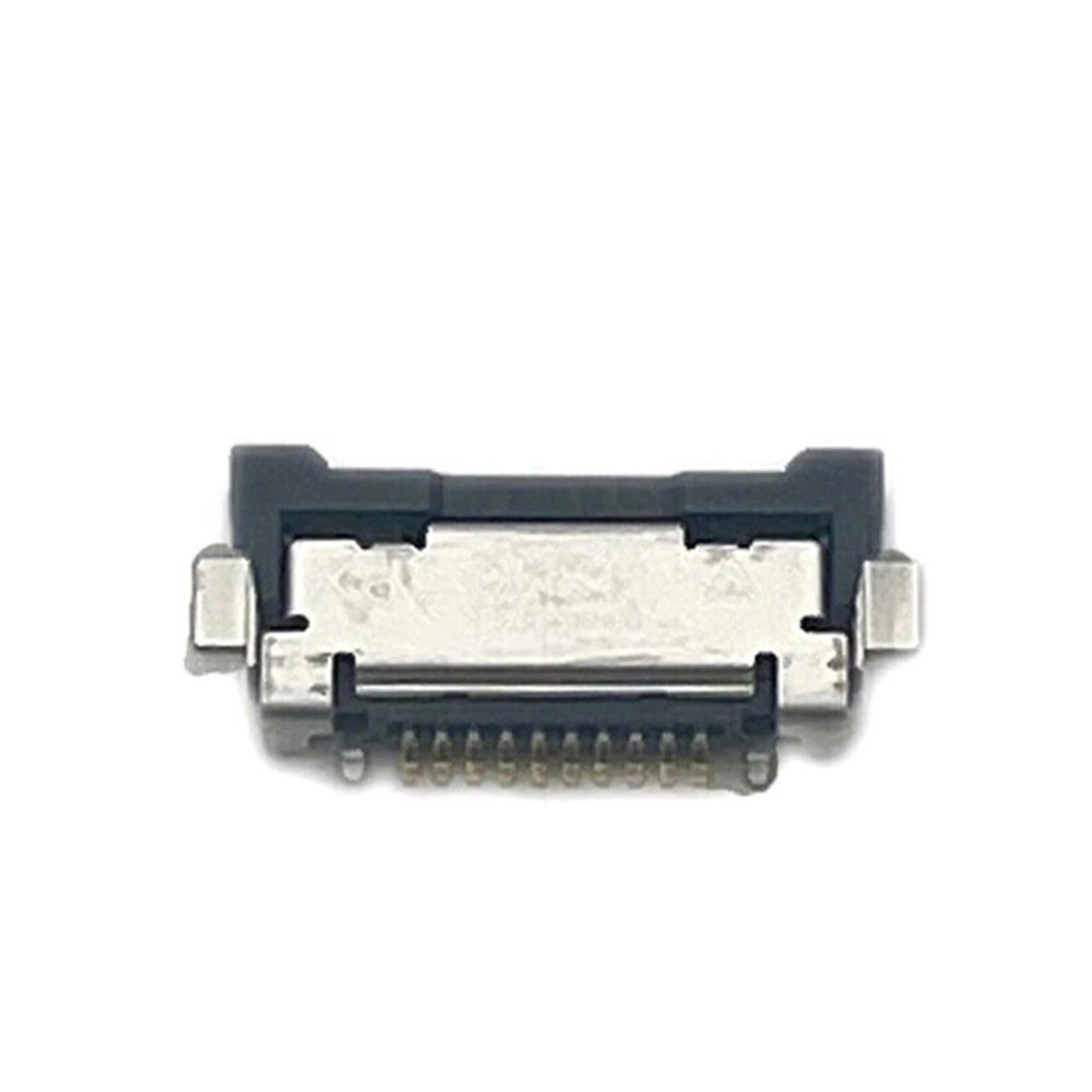
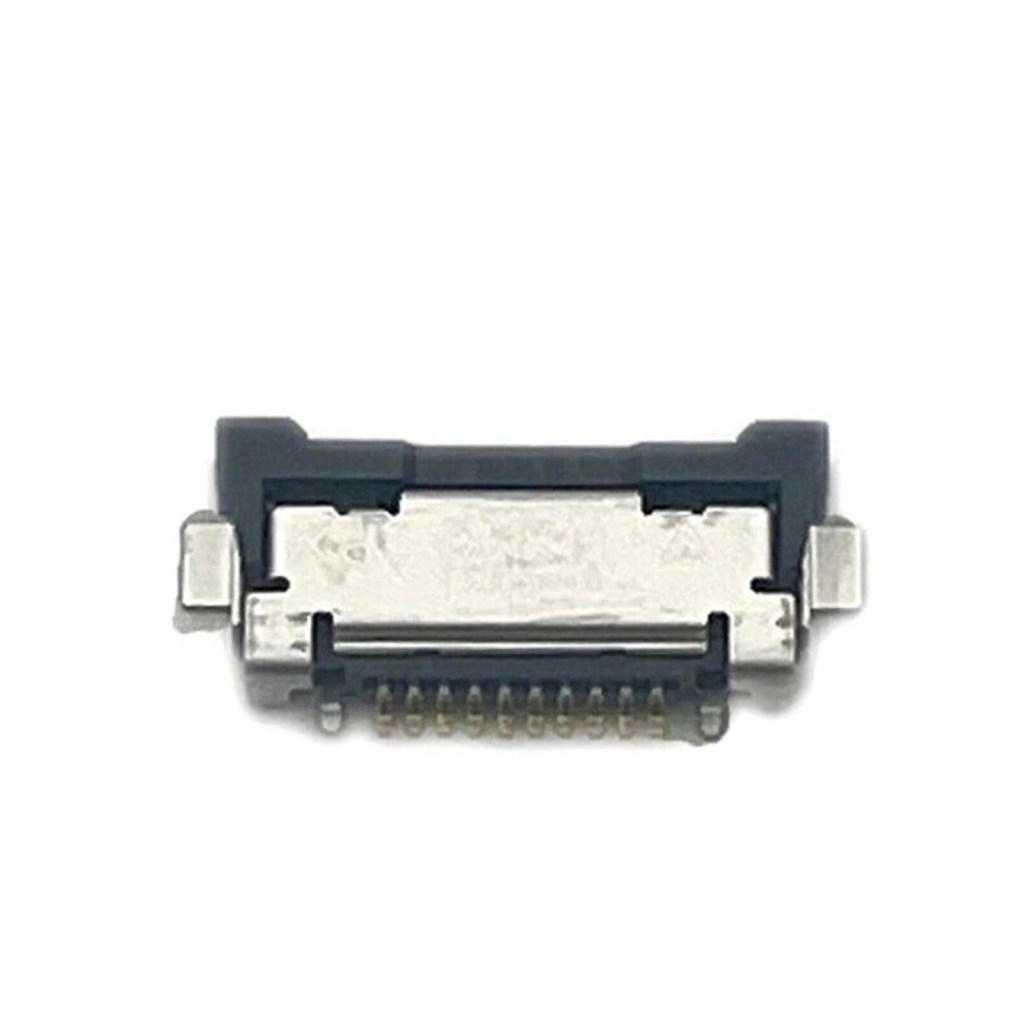

Ready your detective hats for the Official Launch Trailer of MOUSE: P.I. For Hire, the black and white first-person shooter by Fumi Games and PlaySide Studios.
Launching April 16, 2026 on Xbox Series X|S, with Xbox Play Anywhere support. Pre-order now!
https://www.xbox.com/games/store/mouse-pi-for-hire/9p7522hwd0nh
SUBSCRIBE TO XBOX: https://xbx.lv/2EEjmaR
FOLLOW XBOX https://twitter.com/xbox https://www.facebook.com/xbox https://www.instagram.com/xbox/ https://www.tiktok.com/@xbox https://www.threads.net/@xbox https://bsky.app/profile/xbox.com
In the world of interactive storytelling, first impressions matter. The official launch trailer for MOUSE: P.I. For Hire announces a bold entry into the mystery genre, blending witty narration, noir-inspired visuals, and a dash of unconventional charm. At its core, the trailer positions a seemingly ordinary feline investigator as the catalyst for a city-wide puzzle, inviting players to step into a world where clues are everywhere and misdirection hides in plain sight.
What stands out from the opening seconds is a meticulous attention to atmosphere. The animation style channels classic detective cinema while embracing modern polish: crisp line work, deliberate color palettes, and motion that suggests both speed and deliberation. The protagonist’s voice—whether observed through narration or textual messages—exudes a confident curiosity, a trademark of seasoned investigators who trust their senses more than their assumptions.
The trailer’s pacing is a masterclass in teaser design. It begins with a low-stakes setup—a missing object, a shadowy alley, a whisper of motive—and escalates through a sequence of bite-sized revelations. Each beat introduces a new layer: a skeptical client, an ambiguous lead, a ticking clock. The result is a compact, cinematic experience that promises a longer, richer narrative journey once players dive into the game.
Narrative hooks are complemented by tangible world-building. The city feels alive: street vendors, neon reflections, and minor characters whose quirks hint at deeper backstories. This is more than a chase for a culprit; it’s an excursion into a community where every citizen might hold a fragment of truth, and every clue carries a consequence.
Gameplay-wise, the trailer hints at a blend of traditional investigation mechanics with modern, accessible interfaces. Expect a mix of clue collection, deduction prompts, and decision points that shape the investigation’s direction. The presence of humor—sly traps for the unwary and clever twists for the observant—suggests that the game aims to honor both cerebral problem-solving and the joy of discovery.
From a design perspective, the choice to center a feline private investigator offers a refreshing detour from conventional detective archetypes. The character’s silhouette, movement, and demeanor convey independence, cleverness, and a touch of mischief. Pair that with a city that feels almost like a character itself, and the trailer positions MOUSE: P.I. For Hire as a standout in a crowded genre landscape.
Thematic threads teased by the trailer invite reflection on trust, perception, and the subtle diplomacy of negotiation. Investigations aren’t only about uncovering who did what; they’re about understanding why people behave the way they do when stakes rise. In that sense, the game promises not just puzzles to solve, but moral and social nuance to navigate.
For potential players, the official launch trailer does more than tease mechanics; it curates an experience. It signals a game built for curiosity, rewarded by thoughtful progression and character-driven moments. It invites audiences to suspend disbelief, lean into observation, and savor the moment when a clue snaps into place, changing the trajectory of the case—and perhaps how they relate to the city that hosts it.
As anticipation builds, MOUSE: P.I. For Hire appears to offer a compact yet rich introduction to a longer adventure. For fans of mystery, noir aesthetics, and character-centric storytelling, the trailer sets expectations that the full game will reward careful attention, patient analysis, and a sense of whimsy that keeps the genre’s heartbeat steady. The official launch marks not an ending, but a confident invitation to participate in a mystery where every alleyway, every shadow, and every squeak of a floorboard matters.
All the best video games, all the time. Watch no commentary gaming videos live and on demand. By Adrian M ThePRO the Game Professional.
• You are a pro gamer! • Share your content! • Get discovered!
Join The Pro Gamers Community on social media or login to 24/7 Video Game and submit your posts right to this website.
New & used video games, consoles, handhelds, retro, and gaming merchandise. Up Game Shop has the latest and greatest video game deals on the internet.


Seller: gulfcoastinvestments (100.0% positive feedback)
Location: US
Condition: Brand New
Price: 28.00 USD
Shipping cost: Free
Buy It Now
#Sponsored
In the ever-evolving landscape of video game collecting, Limited Run Games (LRG) has carved out a distinct niche by offering physical releases for digital-first titles and otherwise hard-to-find editions for modern platforms. Among these releases, certain items quickly become focal points for collectors and enthusiasts alike, not only because of the game itself but because of the story that surrounds its production, packaging, and perceived value. The PS4 entry titled The Swindle, when released under LRG’s distinctive model, serves as a compelling case study in how limited physical runs, seals, and branding shape market dynamics and consumer expectations.
Overview of the Offering LRG’s practice centers on producing a finite number of copies, each carefully packaged and sealed to preserve its status as a collectible. New, sealed copies are emphasized in marketing materials, underscoring scarcity as a core attribute. In this context, the PS4 edition of The Swindle—labeled as limited run #40 in a series of similarly curated releases—presents a narrative that intertwines promise, rarity, and risk for buyers.
Scarcity as a Marketing Device Scarcity is a well-known driver of perceived value in collectibles. When a product is positioned as a limited run, buyers often infer exclusivity, potential future appreciation, and a sense of participating in a curated moment of gaming history. However, scarcity can also introduce volatility: fluctuations in demand, supply chain constraints, and the intrinsic volatility of collectible markets can complicate the long-term value proposition. For The Swindle, limited run numbering amplifies these dynamics by giving buyers a crisp metric to gauge rarity—number 40 in this case—while still leaving room for interpretation about total production volume and distribution.
Branding, Packaging, and the Sealed Condition LRG’s sealed copies are marketed as pristine, authentic representations of a game’s release in a physical format. The seal is presented as a safeguard—an assurance that the contents remain untouched since leaving the factory. In practice, the condition of a seal can become a topic of scrutiny among collectors: variations in sealing integrity, the potential for resealed or tampered items, and the subjective assessment of what constitutes a “new” or “mint” state. When evaluating a purchase, buyers often weigh the authenticity narrative—conveys of factory freshness—against the practical realities of post-purchase handling, storage conditions, and the possibility of seal damage during shipping.
The Swindle: A Product with a Dual Identity The game itself carries its own merit within the catalog of indie and retro-inspired titles. Critics and players may assess the title for design, mechanics, and replay value, separate from its status as a Limited Run object. For collectors, the dual identity is crucial: The physical artifact represents a specific moment in the intersection of indie development and physical distribution strategy, while the digital or standard editions of the same title exist as a broader, ongoing reference point in the gaming ecosystem.
Market Considerations and Investment Perspectives For buyers, two questions often guide decisions: What is the practical value of owning a sealed edition today, and what is the projected trajectory of that value? Market observations suggest that a combination of desirability (based on the game’s reception and rarity), condition (sealed, unaltered), and provenance (original packaging, verifiable authenticity) influence volatility. It is prudent for collectors to consider resale liquidity, potential price cushions, and the possibility that interest can ebb as new limited releases emerge or as the broader market shifts toward digital collections.
Practical Buying Guidance - Verify authenticity: Examine packaging details, serial numbers, and any included proof of release that aligns with Limited Run’s stated production cycle. - Assess condition: Treat the seal as a living indicator of value. Consider professional grading or careful inspection for any signs of tampering or damage. - Research production scope: Seek credible disclosures from LRG about total run size and distribution channels to calibrate scarcity expectations. - Consider long-term intent: Determine whether the purchase aligns with a broader collecting strategy or is a targeted interest in a specific title and platform.
Conclusion The Limited Run PS4 edition of The Swindle embodies the convergence of indie game culture and tangible collectibles. It exemplifies how packaging, certification of new/sealed status, and numbered scarcity contribute to a collectible narrative that extends beyond gameplay. For enthusiasts, the appeal lies not only in playing the title but in engaging with a curated moment of market history—where the thrill of rarity meets the steady cadence of preservation and value assessment. As with any collectible, informed decisions grounded in authenticity, condition, and informed market insight will serve buyers best in navigating this evolving domain.
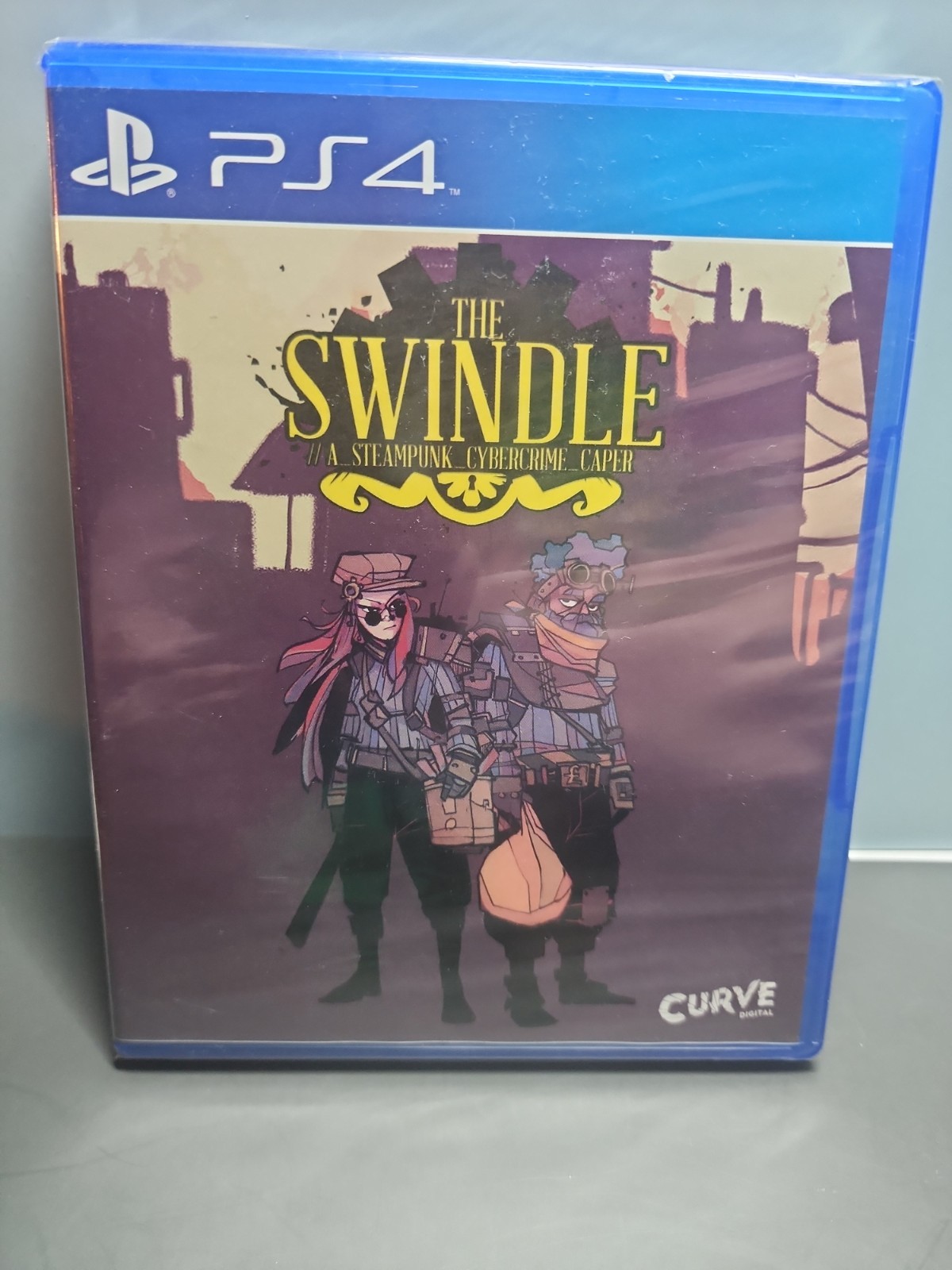
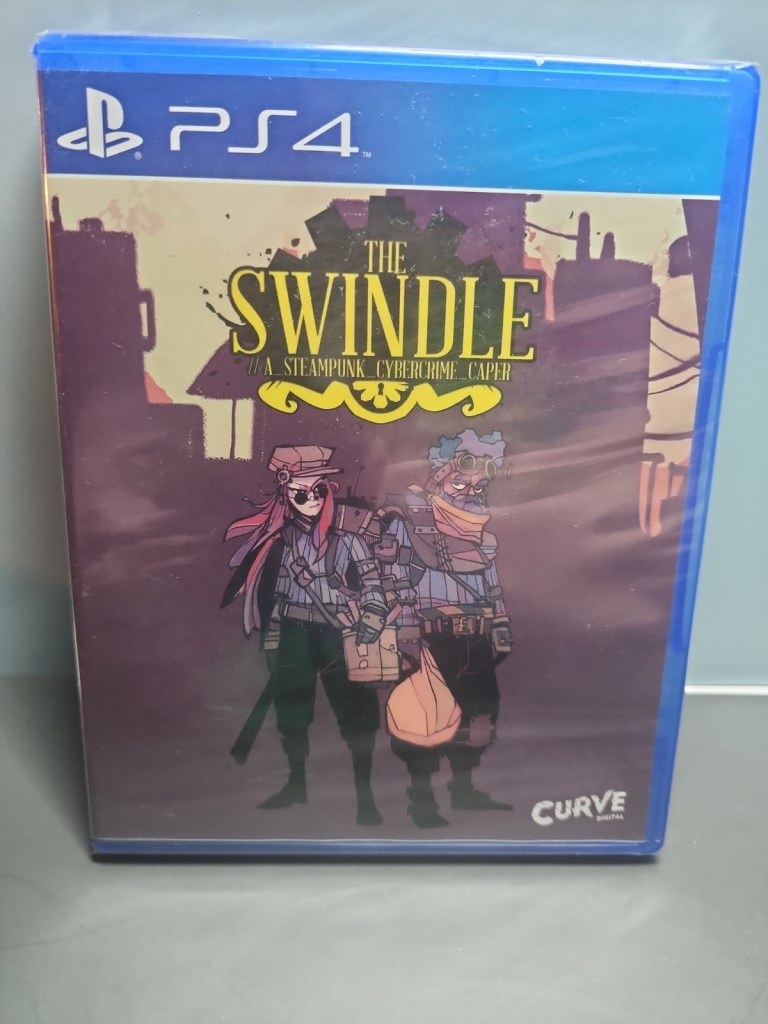

With the full 1.0 release of Palworld came a few changes to particular Pal designs when compared to their early access looks. Here are all the ones we've spotted between versions.
Palworld is a monster-catching survival game where you recruit Pals to not only fight with you, but to help build out your camp as well. Challenge the towers around the world and investigate the mysterious Tree of Life as you try to catch every Pal that you can.
#IGN #Gaming #Palworld
Palworld, the open-world crafting and creature-collection title that has captured the attention of players worldwide, has undergone a significant evolution from its Early Access phase to the 1.0 launch. A careful look at the pal designs reveals not just cosmetic tweaks, but a shift in visual language, usability, and thematic emphasis that impacts how players interact with the world and its inhabitants. This post surveys the notable changes to pal designs, offering context for why developers might have adjusted silhouettes, palettes, and features as the game moved towards its full release.
1) Silhouette and Readability Early Access: Paldrops and their friends often featured broader silhouettes with exaggerated features to ensure visibility in dense environments and on a wide range of hardware. Some designs favored complex shapes that, while charming, could blur at distance or under motion, especially on lower-end systems. 1.0 Update: As development matured, several pals received updated silhouettes that emphasize readability at various distances. The changes include clearer head shapes, more distinct limb proportions, and simplified torsos. The aim is to preserve personality while ensuring quick recognition during exploration and combat sequences.
2) Color Theory and Texture Work Early Access: Pal palettes leaned toward high-contrast, vibrant colors that pop against the game’s flora and fauna. Texturing tended toward stylized, almost cel-shaded shading to maintain performance and a cohesive visual language with the world. 1.0 Update: Colors have been refined for broader tonal balance. Some pals received texture refinements to reduce aliasing and enhance depth under dynamic lighting. The result is a more grounded appearance without losing the whimsical charm that defines Palworld’s core aesthetics.
3) Thematic Revisions and Identity Signals Early Access: Several pals embodied raw, untamed aesthetics—spiky motifs, jagged edges, and rugged silhouettes signaling a wild, adventure-driven universe. This aligned with the game’s promise of exploration, survival, and a bit of mischief with a dark humor undertone. 1.0 Update: The theme spectrum shifted toward more defined character roles. Some rivals or companion types gained softer facial features or muted color accents to convey intelligence, loyalty, or quirky personalities. The change often made backsides and expressions more legible in cutscenes and dialogue moments.
4) Animation and Motion Cues Early Access: Animations prioritized expressive, bouncy motion to convey personality within a sandbox environment. However, a subset of moves could appear awkward during transitions or in combat frames, sometimes obscuring intent. 1.0 Update: The animation rigging and blend trees were refined, resulting in smoother transitions and more readable attack and idle states. This not only enhances perceived personality but also helps players anticipate pal behavior during battles and cooperative tasks.
5) Evolution Animations and Progression Signals Early Access: Evolution mechanics often showcased dramatic transformations that emphasized dramatic flair. Some evolutions carried heavy silhouettes or drastic color shifts that could momentarily disrupt readability during fast-paced action. 1.0 Update: Evolution sequences were re-timed for clarity, with stage-based cues that clearly indicate power increases. Pals retain their core silhouettes, but with evolutions that accentuate the growth through controlled, legible changes rather than overwhelming overhauls.
6) Accessibility Considerations Early Access: Accessibility was addressed intermittently, with general color contrast and basic visibility in mind. However, players with color vision deficiencies or motion sensitivity could encounter challenges with certain pal designs. 1.0 Update: Accessibility has become more central. Pal designs now consider colorblind-safe palettes and higher-contrast markings on important visual cues. Additionally, animation cadence and shadow work have been tuned to be more comfortable for players sensitive to rapid motion.
7) Consistency Across Biomes Early Access: Pal designs sometimes reflected biome-specific aesthetics that didn’t always translate smoothly when viewed outside their native environments, causing occasional visual dissonance during travel or portaling between regions. 1.0 Update: Designers pursued greater cross-biome consistency. Pals retain their core identities while ensuring color and textural language harmonize with multiple ecosystems, reducing jarring transitions for players as they traverse diverse landscapes.
8) Fan Feedback Loop and Iteration Early Access: Community feedback highlighted favorites and controversial designs, prompting iterative tweaks. However, resource constraints meant not every concern could be addressed in a timely fashion. 1.0 Update: The redesigns appear more targeted, with a transparent rationale tied to gameplay impact, readability, and accessibility. While not every anticipated change can occur, the iterations reflect a structured approach to balancing aesthetics with playability.
Why these changes matter for players - Visual clarity enhances decision-making in combat and resource gathering, reducing cognitive load during hectic moments. - Consistent silhouettes and cohesive color palettes improve squad-building and pal recognition during exploration. - Accessibility enhancements broaden who can enjoy the game without sacrificing personality or charm. - Refined animations and smoother evolutions contribute to a more immersive narrative arc and a sense of meaningful progression.
Looking ahead As Palworld continues to evolve beyond 1.0, ongoing attention to pal design will likely focus on further aligning visual identity with in-game roles, mechanics, and storytelling. Expect refinements that maintain the franchise’s signature whimsy while sharpening clarity and accessibility across diverse hardware and player needs.
In summary, the journey from Early Access to 1.0 reflects a deliberate maturation of pal designs. Changes to silhouettes, color strategy, animation polish, and accessibility all converge to deliver a more legible, welcoming, and expressive cast of pals that players can form deeper bonds with as they explore the world.
All the best video games, all the time. Watch no commentary gaming videos live and on demand. By Adrian M ThePRO the Game Professional.
• You are a pro gamer! • Share your content! • Get discovered!
Join The Pro Gamers Community on social media or login to 24/7 Video Game and submit your posts right to this website.
New & used video games, consoles, handhelds, retro, and gaming merchandise. Up Game Shop has the latest and greatest video game deals on the internet.


Seller: vintageessentials* (100.0% positive feedback)
Location: US
Condition: Brand New
Price: 54.99 USD
Shipping cost: Free
Buy It Now
#Sponsored
In the world of sports video games, few titles carry the resonance of NCAA Football 14, especially for collectors and nostalgic gamers who remember the era when college football dominated console rosters. The Xbox 360 release from 2013 stands as the final installment in EA Sports’ long-running college football series, and finding a factory-sealed copy today is not only a shopping win but also a piece of gaming history.
From a collector’s perspective, a new factory-sealed (NFS) NCAA Football 14 indicates more than pristine packaging; it signals a snapshot of a cultural moment. The game arrived with high expectations from fans who had followed the series’ evolution across generations. The sealed status preserves the original artwork, insert materials, and disc integrity, which can translate to higher perceived value at auction, in catalogs, or within a curated display shelf.
What makes NCAA Football 14 particularly enduring is its blend of authentic team rosters, dynamic game modes, and the emotional appeal of college athletics. For the Xbox 360 version, players encountered the title at a time when console gaming prioritized both accessibility and depth. The gameplay mechanics offered a balance between execution and strategy: precise play-calling, timing-based passing, and defensive reads that rewarded disciplined play. The presentation mirrored the college gridiron atmosphere, with stadiums that hummed with crowd noise and signature cheers, reinforcing the immersion that fans sought.
From a practical standpoint, verifying a factory-sealed NCAA Football 14 involves a careful inspection of the packaging and seal integrity. Collectors often check for the original shrink wrap, intact factory seals, and any factory-stamped markings that verify authenticity. The condition of the manual, inserts, and disc packaging can influence value and display potential. When assessing an NFS copy, it’s prudent to consider the following:
Beyond monetary considerations, a new factory sealed NCAA Football 14 serves as a tangible link to the broader ecosystem of college sports media. It invites conversations about licensing, the lifecycle of sports franchises, and the ways in which video games capture the spirit of college football—rivalries, traditions, and the evolving role of student-athletes in popular culture. For enthusiasts, opening such a copy—when and if chosen—becomes a ceremonial moment, marking the transition from a preserved artifact to a playable relic within a curated collection.
In conclusion, a factory-sealed NCAA Football 14 (Xbox 360, 2013) is more than a game on a shelf. It is a preserved artifact of a pivotal moment in sports gaming, offering both collectible value and a doorway to revisiting the excitement of college football as it was experienced a decade ago. Whether you’re a seasoned collector or a new entrant exploring the vintage catalog, this title represents a noteworthy centerpiece for any thoughtful gaming library.



Created in collaboration between Saber, Lionsgate, and franchise director Chad Stahelski, the new “Untitled John Wick Game” will feature an original script set in the John Wick timeline, expanding on the franchise’s intricate lore with familiar characters fans already know, as well as completely new ones. Saber’s design will be faithful to the unique style and signature elements of the series, including a distinct gun fu combat system, jaw-dropping camerawork, immersive driving experiences, and a variety of memorable environments, all crafted to make players feel like they are in a John Wick movie, playing the role of John Wick himself.
#ps5 #ps5games #stateofplay #johnwick
May contain content inappropriate for children. Visit http://www.esrb.org for rating information.
All the best video games, all the time. Watch no commentary gaming videos live and on demand. By Adrian M ThePRO the Game Professional.
• You are a pro gamer! • Share your content! • Get discovered!
Join The Pro Gamers Community on social media or login to 24/7 Video Game and submit your posts right to this website.
New & used video games, consoles, handhelds, retro, and gaming merchandise. Up Game Shop has the latest and greatest video game deals on the internet.



Listing type: Fixed price
Best offer: Available
Seller: yunchaungke005 (99.3% positive feedback)
Location: CN
Condition: Brand New
Price: 6.22 USD
Shipping cost: 12.16 USD
Buy It Now
#Sponsored
In the world of console gaming, responsive feedback can elevate a session from immersive to truly exhilarating. The new Replacement 1Pair LeftRight Vibrating Motors Module for the Xbox 360 controller is engineered to deliver tactile precision and reliable performance, ensuring you feel every action on screen with clarity and consistency.
Product Overview - Dual-Motor Assembly: This package includes a matched pair of vibration motors designed to mirror each other’s movement, providing balanced force for a natural, even rumble across the entire controller. - Compatibility: Specifically crafted for Xbox 360 controllers, with a plug-and-play form factor that aligns with the original internal layout. Detailed installation notes guide you through the procedure with minimal downtime. - Performance and Feel: High-quality bearings and optimized resonance deliver steady vibrations across a wide frequency range. The result is crisp feedback during action sequences, collisions, and explosions, enhancing immersion without overpowering subtle in-game cues.
Key Benefits - Restored Haptics: For gamers experiencing faded or inconsistent vibrations, this module restores the full spectrum of haptic feedback, reviving the intended game feel. - Durability and Longevity: Constructed from robust materials designed to withstand regular usage, reducing the risk of premature failure and extending the life of your controller. - Easy Installation: The included hardware and straightforward wiring scheme simplify the replacement process, making it accessible for hobbyists and professionals alike. - Value and Reliability: By replacing only the vibrating components, you preserve the rest of the controller’s integrity while achieving a like-new tactile experience at a fraction of the cost of a full unit replacement.
What to Expect During Replacement 1. Preparation: Gather the necessary tools, power down the console, and disconnect any peripherals. Work in a clean, static-free environment. 2. Disassembly: Access the controller’s interior with careful removal of outer shells, ensuring you follow the casing’s screw placements to avoid damage. 3. Module Swap: Detach the old vibration motors and connect the new Left and Right motors in their designated positions, consulting the included wiring schematic for accurate connections. 4. Testing: Before sealing the controller, power up to test the vibration function. Confirm that both motors operate synchronously and without buzzing or intermittent drops. 5. Reassembly: Carefully reassemble the controller, ensuring all cables are routed securely and the shell snaps back into place without obstruction.
Maintenance Tips - Keep the motors clean and free from dust buildup to preserve performance and cooling efficiency. - If vibrations begin to waver, inspect connections for looseness and confirm the motor mounting is secure. - Avoid exposing the module to excessive moisture or heat, which can degrade performance over time.
Conclusion The Replacement 1Pair LeftRight Vibrating Motors Module for Xbox 360 Controller is a practical upgrade for gamers seeking dependable, balanced haptic feedback. Designed for straightforward installation and lasting performance, it restores the tactile feel that enhances gameplay, making every rumble a meaningful part of the experience.



Check out the Launch Trailer for Wreckreation, the vehicular combat racing game developed by Three Fields Entertainment.
Players will explore an expansive open world alone or with friends to create unique levels and race on them for victory. Wreckreation is available now for PlayStation 5 (PS5), Xbox Series X|S, and PC (Steam).
#Wreckreation #ArcadeRacer #OpenWorldRacing
All the best video games, all the time. Watch no commentary gaming videos live and on demand. By Adrian M ThePRO the Game Professional.
• You are a pro gamer! • Share your content! • Get discovered!
Join The Pro Gamers Community on social media or login to 24/7 Video Game and submit your posts right to this website.
New & used video games, consoles, handhelds, retro, and gaming merchandise. Up Game Shop has the latest and greatest video game deals on the internet.


Listing type: Fixed price
Seller: japan-otakuvault (100.0% positive feedback)
Location: JP
Condition: Very Good
Price: 147.50 USD
Shipping cost: 12.00 USD
Buy It Now
In the annals of retro gaming, the PlayStation era stands as a watershed moment for fighting games, where innovation met execution and fan communities grew around the shared thrill of tight mechanics and bold design choices. Among the many developers who contributed to this vibrant landscape, BANPRESTO carved a distinctive niche, bringing a blend of accessibility and strategic depth to a generation hungry for competitive edge. This piece surveys the critical dimensions of BANPRESTO’s retro fighting footprint, with a focused lens on a lesser-known but notable entry often cataloged under the A7298 designation.
Framing the context, the PlayStation’s rivalry-driven ecosystem demanded titles that could translate arcade tempo into home-friendly sessions without sacrificing the essence of the arcade stage. BANPRESTO rose to this challenge by prioritizing responsive controls, readable visual language, and a roster that balanced recognizable fighters with unique archetypes. The result was a game that both rewarded practiced execution and welcomed newer players to tee up a satisfying long-tail experience.
Mechanics and design philosophy form the backbone of any critical assessment. The title under discussion embraces a clean control schema, where movement, attack, and special inputs cohere into a rhythm that rewards timing over brute button-mashing. This alignment matters: it lowers the barrier to entry for casual competitors while still offering depth for experienced players who seek experimentation with combos, spacing, and risk-reward decision-making. A careful balance is struck between offense and defense, with a parry-like mechanic or defensive window that can tilt engagements from stalemate to momentum, depending on player execution.
From a visual perspective, retro fighters often face the tension between pixel clarity and expressive animation. The aesthetic choices—character silhouettes, hit feedback, and stage design—play a crucial role in readability during high-speed exchanges. A well-constructed title will maintain distinct silhouettes across the roster, ensuring that players can parse actions at a glance, a non-trivial consideration when screen-space narrows or when the frame rate dips under intense sequences. In the evaluated title, the art direction supports quick comprehension while still delivering personality for each fighter, a hallmark of enduring fighting game design.
Sound design complements the tactile experience. Punches, kicks, and special moves should land with satisfying impact, and the accompanying audio cues ought to reinforce spacing and timing. A well-tuned soundtrack can also contribute to the psychological tempo of matches, sustaining energy during longer sessions and helping players synchronize their play. In a retro package, the audio often carries a nostalgic charm, but the most effective implementations maintain clarity and punch without muddying the mix during rapid exchanges.
Balance considerations remain central to the critical appraisal. Historically, many retro fighters grapple with character balance, sometimes unintentionally privileging certain archetypes or exploitable sequences. A disciplined design approach involves continuous tuning—whether through the original release or subsequent iterations—to keep the roster viable across skill levels. In A7298-class titles, balance is tested in both local and potential competitive contexts, where the interplay between footsies, mix-ups, and punishable gaps shapes the meta. A robust design will encourage varied strategies rather than funneling players into a single optimal route.
Cultural and historical significance enriches the critique. BANPRESTO’s involvement in the fighting game scene reflects a broader trend of publishers layering arcade authenticity with home-friendly experimentation. For collectors and historians, the A7298 label points to a lineage of releases that emphasize accessible entry points coupled with technical nuance. Recognizing these titles helps illuminate how mid-tier or niche entries contributed to the evolution of fighting game etiquette, edge cases, and community experimentation.
Practical takeaways for modern enthusiasts include approaching retro titles with an emphasis on fundamentals: mastering spacing, recognizing safe and unsafe strings, and appreciating how small mechanical refinements accumulate into a distinctive play experience. For those revisiting this era, consider capturing match data, rewatching notable clips, and comparing input timing across different hardware emulation or original hardware to understand how marginal changes influence outcome in ways not immediately obvious during live play.
In conclusion, the examined BANPRESTO PS1 fighting title, particularly the A7298 identifier, embodies a thoughtful blend of accessibility and depth that characterizes many enduring retro fighters. It invites players to engage with the core pleasures of the genre—timed aggression, precise defense, and the satisfaction of outthinking an opponent—while preserving the charm and historical interest that make retro games a vital part of the broader fighting game conversation. For collectors, scholars, and players seeking a thoughtful retro fighting experience, this title offers a compact, yet meaningful, window into the creative experimentation that defined a pivotal era in gaming.
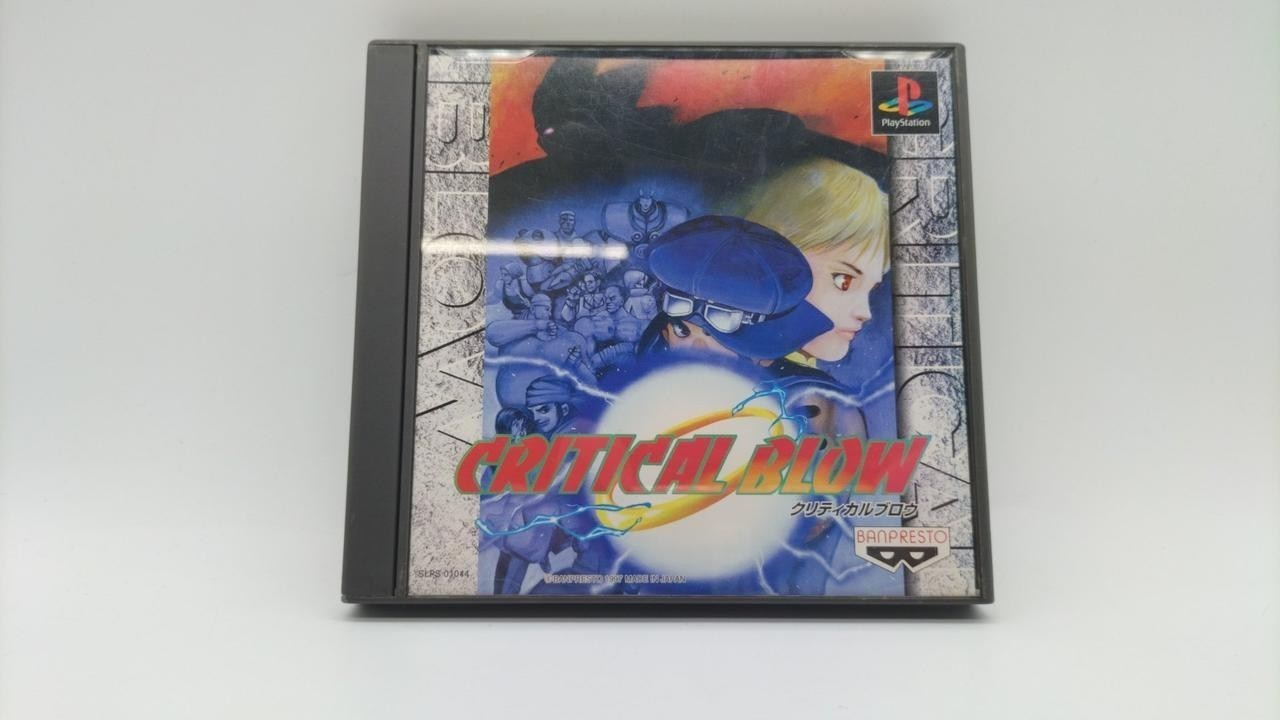
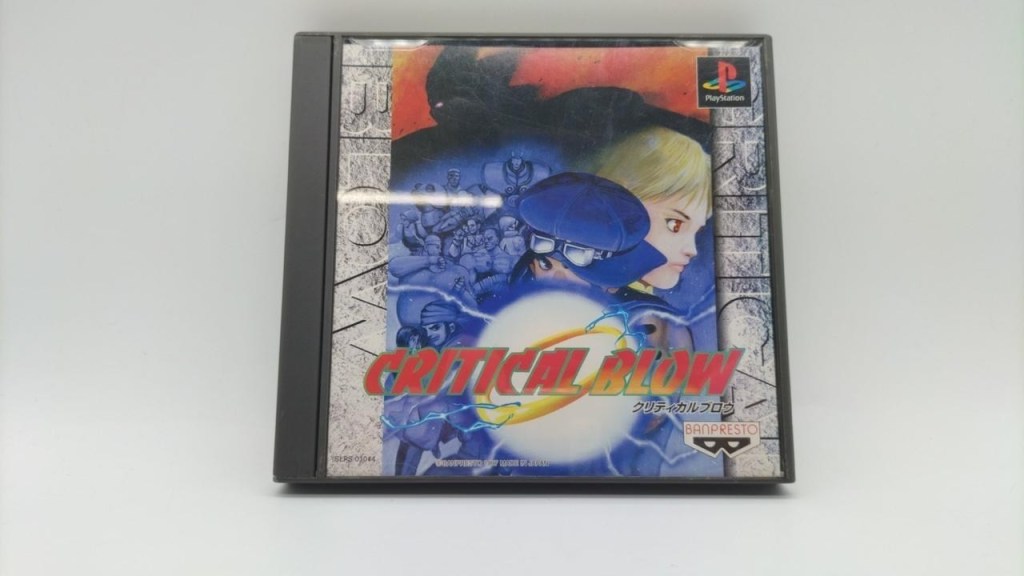

Valor Mortis is a first-person action soulslike from the creators of Ghostrunner. Rise from death as a former soldier of Napoleon’s army. Wield supernatural powers, battle horrifying monsters, and unravel a conspiracy that threatens all of humanity.
https://www.xbox.com/games/store/valor-mortis/9p861v1542bl?wfExp=382CT
SUBSCRIBE TO XBOX: https://xbx.lv/2EEjmaR
FOLLOW XBOX https://twitter.com/xbox https://www.facebook.com/xbox https://www.instagram.com/xbox/ https://www.tiktok.com/@xbox https://www.threads.net/@xbox https://bsky.app/profile/xbox.com
In the shadowed recesses where legends are born, Valor Mortis unfolds as a story trailer that promises more than spectacle—it offers a vow. This cinematic preview invites audiences to traverse a world where courage is forged in the crucible of grief, and every choice echoes beyond the horizon. The visuals blend stark realism with a hushed, almost spectral poise, suggesting a narrative that respects the weight of its themes while never surrendering to despair.
From the first frame, the trailer sets a tone of restrained grandeur. Sun-drenched ruins give way to twilight alleys, and the soundscape threads together distant drums, whispering winds, and a heartbeat that seems to synchronize with the viewer’s own. Each image is a prompt: a scarred landscape, a determined gaze, a companion silhouette that hints at kinship and risk. The pacing allows space for contemplation, inviting audiences to fill in the blanks with their own hopes and fears before the full story unfolds.
The central premise centers on a protagonist who bears the weight of past battles while stepping forward into an ambiguous future. The narrative thread is not an expedition toward triumph alone, but a meditation on the cost of survival—how memory and duty can coexist with doubt, and how the act of choosing can redefine what it means to be brave. The trailer teases a sequence of tests: difficult judgments, impossible sacrifices, and moments of quiet resilience that reveal character more than any explicit declaration could.
Cinematographically, Valor Mortis leans into contrasts—light slicing through shadow, the clean geometry of a ruined cityscape, and the tactile texture of fabric and weaponry that grounds the fantasy in tactile reality. The score builds with deliberate restraint, weaving string textures with metallic tones to evoke a sense of both reverence and urgency. When the music swells, it does so with purpose: to underscore a turning point rather than to overpower the viewer’s perception of the stakes.
Character design and world-building receive careful attention. Costumes, insignias, and relics are not mere adornments; they are narrative artifacts that hint at lineage, allegiance, and the long memory of conflict. The environment speaks a language of its own—crumbled monuments and peripatetic enclaves suggest a history that is as important as the present moment and as likely to endure as the characters who inhabit it.
The trailer closes with a quiet, resolute promise. A silhouette steps into a threshold, the frame tightens, and a single line of dialogue or a deliberately ambiguous visual cue lingers, inviting viewers to seek out the rest of the story. Valor Mortis presents itself as a journey not only through a perilous landscape but through the interior terrain of resolve: the moment when fear gives way to purpose, and the idea of what it means to be alive is redefined by the choices one makes when the odds are longest.
For audiences seeking a film that respects intelligence and emotion in equal measure, this preview offers a compelling invitation. It speaks to the appetite for narratives that honor complexity, reward attentive viewing, and leave room for interpretation as the world beyond the trailer continues to unfold. Valor Mortis promises a cinematic experience that lingers—an invitation to witness courage under pressure and to reflect on the moral weight of every decision.
All the best video games, all the time. Watch no commentary gaming videos live and on demand. By Adrian M ThePRO the Game Professional.
• You are a pro gamer! • Share your content! • Get discovered!
Join The Pro Gamers Community on social media or login to 24/7 Video Game and submit your posts right to this website.
New & used video games, consoles, handhelds, retro, and gaming merchandise. Up Game Shop has the latest and greatest video game deals on the internet.


Listing type: Fixed price
Best offer: Available
Seller: theretrocache (98.4% positive feedback)
Location: CA
Condition: Brand New
Price: 12.28 USD
Shipping cost: 7.22 USD
Buy It Now
#Sponsored
In the landscape of classic gaming, Namco Museum Vol. 4 stands as a carefully curated capsule of early 3D experimentation and timeless arcade-tinged fun. For collectors, restorers, and archivists alike, reproductions and preservation efforts play a critical role in ensuring these experiences endure beyond fading discs and obsolete hardware. This brief manual outlines a thoughtful approach to reproducing and maintaining Namco Museum Vol. 4 for the PlayStation 1, balancing historical fidelity with practical accessibility.
Scope and significance Namco Museum Vol. 4 compiles a diverse set of arcade-inspired titles that reflect Namco's evolution through the late 1990s. The mix typically features classic arcade converts and early polygonal interpretations that bridged the gap between coin-op roots and home console capability. Understanding the scope—ranging from control schemes and graphical aesthetics to soundtrack presentation and in-game behavior—helps guide responsible reproduction without compromising the original experience.
Core considerations for a faithful reproduction - Authentication of the original compilation: Verify the component games included, their respective source ROMs or codebases, and the intended order of tracks or titles within the disc image. - System compatibility: The PS1 hardware environment, including region encoding, memory cards, and display standards (NTSC/PAL), should inform the reproduction approach to ensure broad usability. - Visual fidelity: Preserve texture palettes, polygon count cues, and scanline behavior where applicable. Emulation-based reproductions should strive for frame-rate accuracy and timing parity with the original hardware. - Audio integrity: Reproduce the original soundtrack and sound effects with attention to channel layout, looping behavior, and dynamic range, mindful of disc-based compression artifacts that may have been present in the source release. - Input mapping: Maintain the feel of the original control schemes (d-pad or analog stick sensitivity, button layout) to preserve user experience, including default mappings and supported peripherals. - Coherence across titles: Ensure menu navigation, save behavior (where applicable), and transition animations reflect the overall user experience of Namco Museum Vol. 4 rather than a collection of unrelated pieces.
Technical approach - ROM and disc image management: Coordinate a legally compliant method for acquiring and handling source assets. Where public-domain or fan-supported resources exist, document their provenance and any modifications performed during reproduction. - Platform emulation vs. hardware recreation: Decide between accurate PS1 emulation with a faithful disc image or a hardware-assisted recreation that recreates the disc contents on compatible playback devices. Each path has implications for latency, color timing, and compatibility with CRT displays. - Verification and testing: Implement a structured testing protocol that compares key metrics—load times, frame rates, audio timing, input lag—against known baselines from archival reviews or developer documentation. - Documentation and metadata: Produce an accompanying readme that details the reproduced content, versioning of assets, and any deviations from the original release. Include troubleshooting tips and a changelog to assist future preservation work.
Ethical and legal considerations - Respect intellectual property: Restoration and reproduction efforts should comply with applicable laws and licensing terms. When dealing with legacy software, seek permissions where required and avoid distributing proprietary content beyond what is legally permissible. - Accessibility and sharing: Where possible, provide non-infringing access pathways for enthusiasts and researchers, such as metadata-rich archives, proof-of-concept demonstrations, or documentation that facilitates legitimate preservation under fair use or other applicable allowances.
Impact on the preservation community Reproductions that are transparent about their methods—assessing fidelity against original benchmarks, documenting hardware or emulation choices, and acknowledging any compromises—serve as valuable references for future preservation work. They enable researchers, historians, and fans to study Namco’s design language, the evolution of arcade-to-home conversions, and the technical ingenuity that enabled a multi-title compilation to feel cohesive on a single PlayStation 1 disc.
Conclusion Namco Museum Vol. 4 represents more than a collection of games; it captures a moment in the industry when experimentation with 3D space and arcade sensibilities converged on the PlayStation frontier. A thoughtful reproduction, grounded in fidelity, accessibility, and ethical practice, can extend the life of this compilation for new audiences while providing a reliable framework for ongoing preservation efforts. By balancing technical rigor with respect for the original material, enthusiasts and archivists can ensure that the spirit of Namco Museum Vol. 4 continues to inspire curiosity and appreciation for the ingenuity of classic game design.
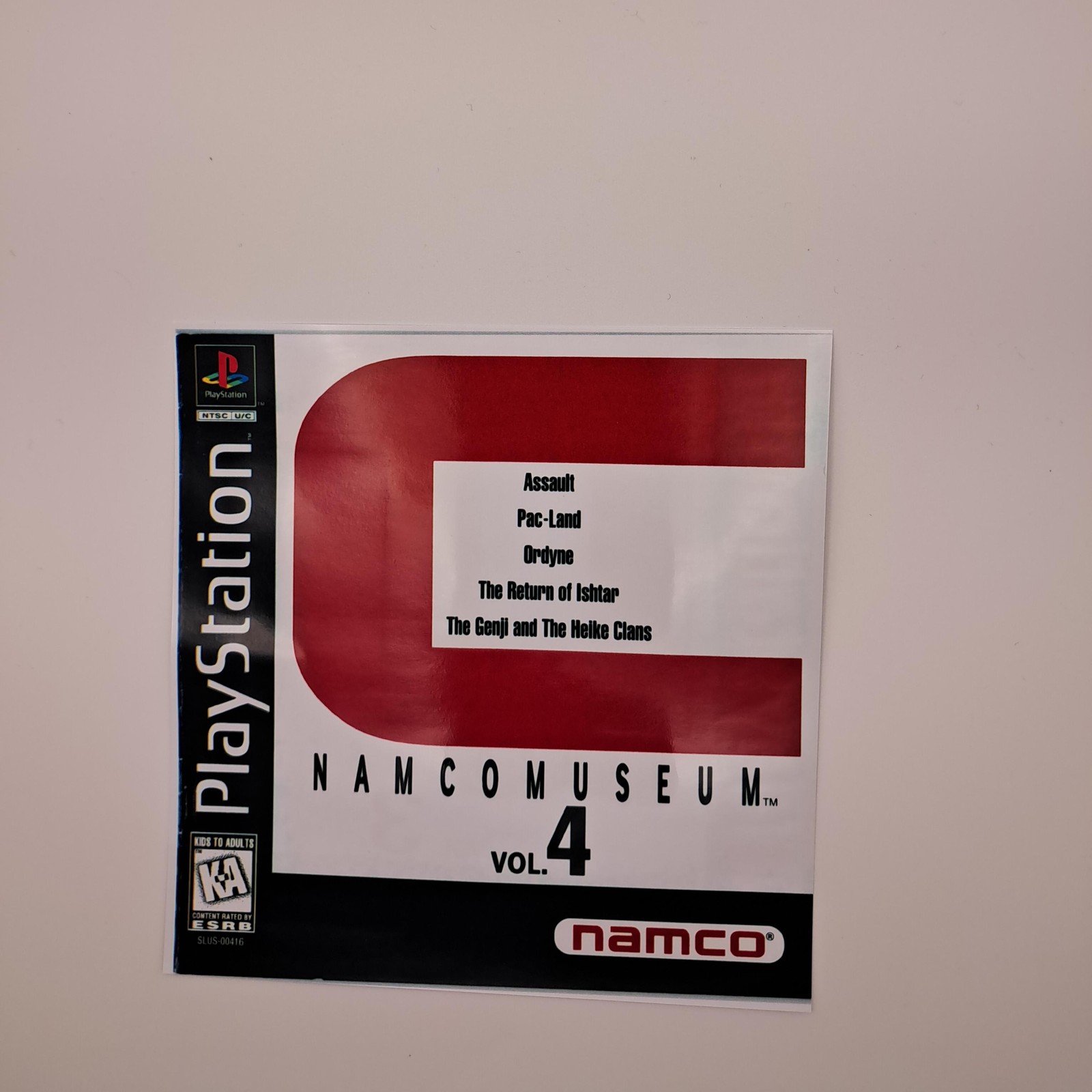
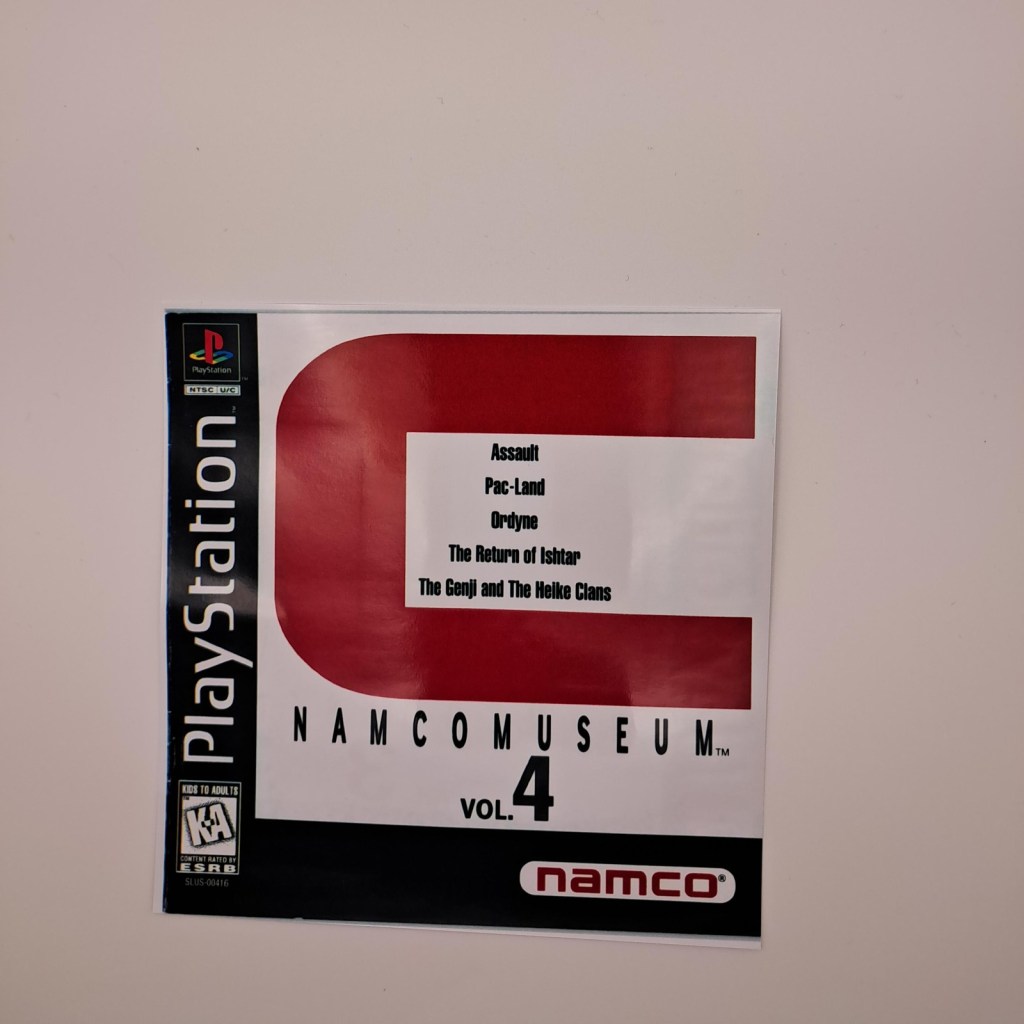

Wave goodbye to Early Access because MetaHuman Creator 5.6 is now fully integrated into Unreal Engine and ready to go. The new MetaHuman update brings unmatched fidelity, a large scan database, and advanced authoring workflows for faces, bodies, and clothing. Use tools like the expression editor to assist with facial expressions and the groom tool to reconfigure the fine details of your character's hair. What's more, MetaHuman Animator now generates real-time animation from almost any camera or audio source. Now, MetaHuman characters and animation work seamlessly in any Engine, including Unity, Godot, Maya, Houdini, and Blender.
"MetaHuman Creator Tech Demo | State of Unreal 2025"
24/7 Video Game All the best video games, all the time. Watch no commentary gaming videos live and on demand. By Adrian M ThePRO the GameProfessional.


Seller: antonline (99.5% positive feedback)
Location: US
Condition: Brand New
List price: 70.99 USD
You save: 7.94 USD (11% off)
Current price: 63.05 USD
Shipping cost: Free
Buy It Now
#Sponsored
Death End Re;Quest Code Z marks a compelling expansion of Idea Factory’s multiverse approach to storytelling, blending JRPG mechanics with visual novel pacing and a metafictional narrative that challenges players to distinguish reality from simulation. Released for PlayStation 4, Code Z builds on the foundation of its predecessor by refining combat systems, deepening character arcs, and introducing a sharper focus on the consequences of choices within a simulated world.
At its core, Code Z invites players to navigate two intertwined layers: the visible battlefield where party members execute precise tactical maneuvers against adversaries, and the hidden strata governed by the player’s decisions and the integrity of the game’s code. This dual-layer structure is more than a gimmick; it serves as a thematic backbone that explores the ethics of digital life, the weight of memory, and the fragility of certainty when truth fluctuates with every save and reload.
Gameplay loops emphasize synthesis between action-oriented combat and story-driven interrogation. Players assemble a roster of uniquely skilled heroines, each bringing a blend of attack patterns, special abilities, and narrative relevance. Battles reward thoughtful party composition, timing, and resource management, while exploration nurtures a sense of discovery as hidden routes, optional encounters, and lore items reveal the broader ramifications of the central mystery.
The narrative threads weave through a meta-text: the protagonist’s journey is frequently reframed as a question of who is narrating, who holds control, and what it means to unravel a world that may be masking a deeper level of manipulation. This self-referential layer invites players to consider how stories are constructed and who benefits from their consumption. The writing leans into mood over spectacle, delivering moments of quiet introspection that balance the adrenaline of combat sequences.
Visual presentation on the PlayStation 4 leverages a polished art direction that blends character-driven close-ups with expansive, otherscape environments. Temporal pacing is well-tuned, allowing players to absorb character dynamics while maintaining momentum through story beats and critical choices. The soundtrack complements these shifts, with motifs that underscore tension during plot revelations and swell during action-heavy combat, reinforcing the emotional resonance of key scenes.
From a structural perspective, Code Z offers a thoughtful progression system that respects player agency. Side quests and optional dialogues enrich the worldbuilding without derailing the central mystery. Players who engage with these sidelights are rewarded with deeper insights into the protagonists’ motivations and the moral texture of the game’s universe.
For returning fans and newcomers alike, Death End Re;Quest Code Z provides a cohesive experience that stands on its own while feeling like a natural continuation of the franchise’s core premises. It asks difficult questions about what it means to fight for a life that might be a carefully constructed digital echo and whether escaping a forged reality is ever truly possible, or merely another layer to peel back.
In summary, Death End Re;Quest Code Z for PlayStation 4 offers a refined blend of tactical combat, narrative depth, and meta-textual storytelling. It rewards curiosity, strategic thinking, and a readiness to confront uncomfortable questions about reality, memory, and agency within a meticulously crafted digital world.
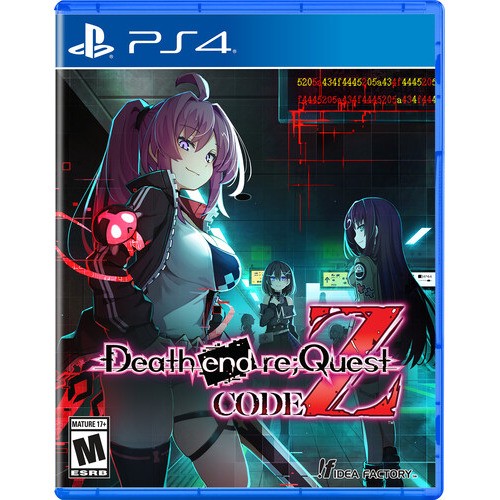


Don't miss the Redacted Event Gameplay Trailer for Rainbow Six Siege, a tactical first-person multiplayer game developed by Ubisoft. Players will accompany the legendary Solid Snake and Zero to access enemy data and extract the disc by any means necessary. Get a look at the gameplay of this Metal Gear Solid-themed mission with the Redacted Event for Rainbow Six Siege, available now through April 8 on PlayStation 4 (PS4), PlayStation 5 (PS5), Xbox One, Xbox Series X|S, and PC (Steam, Epic Games Store, and Ubisoft Connect).
In the world of competitive gaming, trailers do more than tease new content; they set the tone for the experience to come. The Rainbow Six Siege Official Redacted Event Gameplay Trailer exemplifies this balance—delivering high-impact visuals, strategic storytelling, and a crisp sense of anticipation for the community. This post breaks down the elements that elevate the trailer from a mere promo to a narrative invitation for players of all levels.
Cinematic Craft and Tactical Realism The trailer opens with a controlled, cinematic cadence that mirrors the meticulous planning typical of Rainbow Six Siege matches. Every transition feels purposeful, moving between close-quarters engagements and wide, map-spanning takedowns. The choreography emphasizes the fragility and resilience of operators, highlighting the tension between precision, timing, and teamwork. The result is a trailer that communicates not just what’s possible in play, but how strategy and communication shape outcomes in high-stakes scenarios.
Operator Spotlight and Team Dynamics A core strength of the trailer lies in its respectful treatment of operators as distinct, capable actors within a larger unit. Each operator’s silhouette, gadget, and signature move are presented with clarity, reinforcing the idea that success derives from complementary abilities, disciplined execution, and mutual trust. The gameplay snippets foreground coordinated rotations, information gathering, and decisive pressure, underscoring the cooperative nature that defines Rainbow Six Siege.
Tactics-Driven Pacing and Environmental Craft The trailer crafts pacing through a series of escalating moments: reconnaissance reveals vulnerabilities; a well-timed utility deployment stifles counterplay; decisive engagements convert plan into action. Visually, the environments are rendered to emphasize line-of-sight control, objective vulnerability, and the necessity of careful resource management. This environmental storytelling invites players to imagine how they would adapt their own tactics to the depicted scenarios.
Sound Design as a Strategic Companion Sound design in the trailer is not an accessory but a strategic tool. Subtle audio cues—footfalls, gadget beeps, distant gunfire—provide crucial context that anchors the action in realism. The audio mix reinforces spatial awareness, guiding the viewer’s focus to key moments and enhancing the sense of immersion without overwhelming the narrative.
Community and Competitive Implications For a franchise built on iteration and communal experimentation, the trailer signals more than new content; it signals ongoing support for a vibrant, competitive ecosystem. Watchers are invited to anticipate balance changes, new operator dynamics, and the evolution of map design. The messaging acknowledges that the best strategies emerge from player experimentation, iteration, and a shared language of tactics.
What to Look For in the Full Experience - Clear demonstrations of new tools or operator capabilities without compromising game balance. - Evolving map interactions that encourage both stealth and bold, decisive plays. - A narrative thread that connects the trailer to forthcoming events, challenges, or reward structures within the game.
Conclusion The Official Redacted Event Gameplay Trailer succeeds by intertwining cinematic polish with strategic clarity. It invites players to envision themselves inside a meticulously choreographed operation, where communication, preparation, and adaptability are the keys to success. As the trailer leaves audiences curious about the specifics of the event, it also reinforces the enduring appeal of Rainbow Six Siege: a game where tactical acumen, teamwork, and disciplined execution define what is possible.
All the best video games, all the time. Watch no commentary gaming videos live and on demand. By Adrian M ThePRO the Game Professional.
• You are a pro gamer! • Share your content! • Get discovered!
Join The Pro Gamers Community on social media or login to 24/7 Video Game and submit your posts right to this website.
New & used video games, consoles, handhelds, retro, and gaming merchandise. Up Game Shop has the latest and greatest video game deals on the internet.
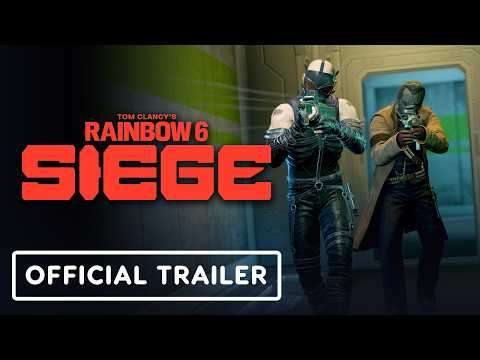


Listing type: Fixed price
Best offer: Available
Seller: meridian-co (100.0% positive feedback)
Location: JP
Condition: Good
Price: 264.20 USD
Shipping cost: Free
Buy It Now
#Sponsored
The Super Nintendo Entertainment System (SNES) helped carry Street Fighter II into a new era of console gaming, and the European version stands out for its nuanced journey through regional release considerations, localizations, and the enduring appeal of Capcom’s fighting game masterpiece. While Street Fighter II: The World Warrior initially defined competitive fighting on consoles, the European iteration reflects a careful balance of timing, translation decisions, and market expectations that shaped the title’s enduring legacy.
From the moment players loaded Street Fighter II on a European SNES console, they encountered a title that embodied the fundamentals of the genre: precise inputs, a roster of memorable rivals, and a system that rewarded strategic timing as much as button-mashing bravado. Capcom’s design philosophy—emphasizing balance, depth, and repeatable combos—translated well across regions, but the European version benefited from localized text, regional publishing considerations, and the evolving understanding of international import markets.
One of the enduring talking points about this version is how it navigated the language barrier without compromising the game’s accessibility. The core mechanics—character select, special moves, and the core fighter dynamics—remained consistent with the Japanese and North American builds, ensuring that players in Europe could master the same fundamentals. For many fans, the localized elements added a layer of clarity rather than friction, making it easier to study matchups, learn the arc of each character’s strengths, and improve technique through practice and repetition.
Beyond localization, the European release timeline intersected with a broader arcade-to-console migration that was already well underway. Street Fighter II’s adaptation to home systems required careful optimization of memory and performance, as developers worked within the SNES’s hardware constraints while preserving the game’s iconic animation and responsive controls. The result is a version that preserves the series’ signature motion-blur and punchy impact while ensuring smooth frame rates and reliable input registration that players could rely on during extended sessions.
Competitive play around the European version benefited from the same core mechanics that defined Street Fighter II globally: distinct character archetypes, a robust move set, and the potential for high-level strategic play. The European community contributed to the title’s early tier discussions, with players analyzing frame data, execution gaps, and matchup trees that transcended language and region. As a result, the game helped fuel a culture of practice, study, and community-driven optimization that would become a hallmark of fighting games on consoles.
From a preservation perspective, the European SNES version offers valuable insight into how Capcom and its partners approached regional releases. The iteration showcases a balance between faithful reproduction of the arcade experience and the practical considerations of home hardware. For collectors and historians, this version represents a snapshot of a pivotal transitional period in which console capabilities, regional distribution, and player communities coalesced around a shared love of precise, competitive play.
In retrospective terms, Street Fighter II on the SNES remains a milestone in the evolution of fighting games on home consoles. The European version, with its distinctive release timeline and localized polish, contributes to a broader narrative about accessibility, competition, and enduring design. For players revisiting this classic today, the experience remains a testament to Capcom’s ability to translate arcade precision into a home-friendly format—one that continues to inspire new generations of fighters to study, practice, and master the art of the duel.
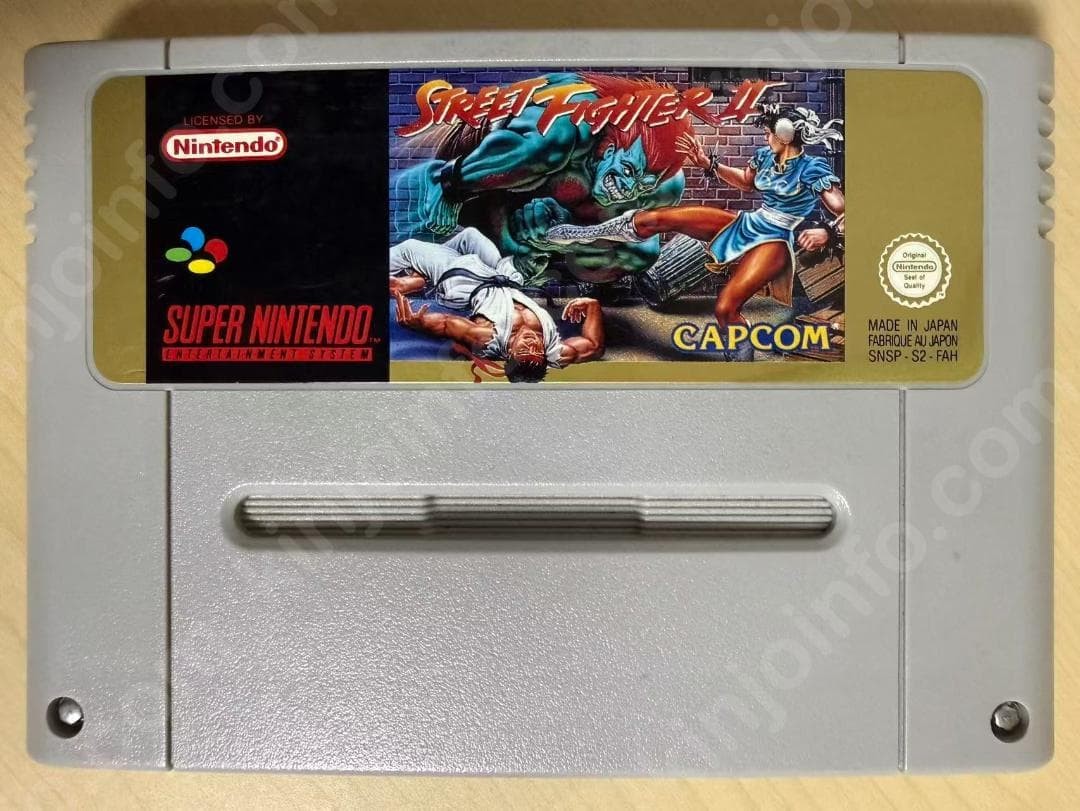
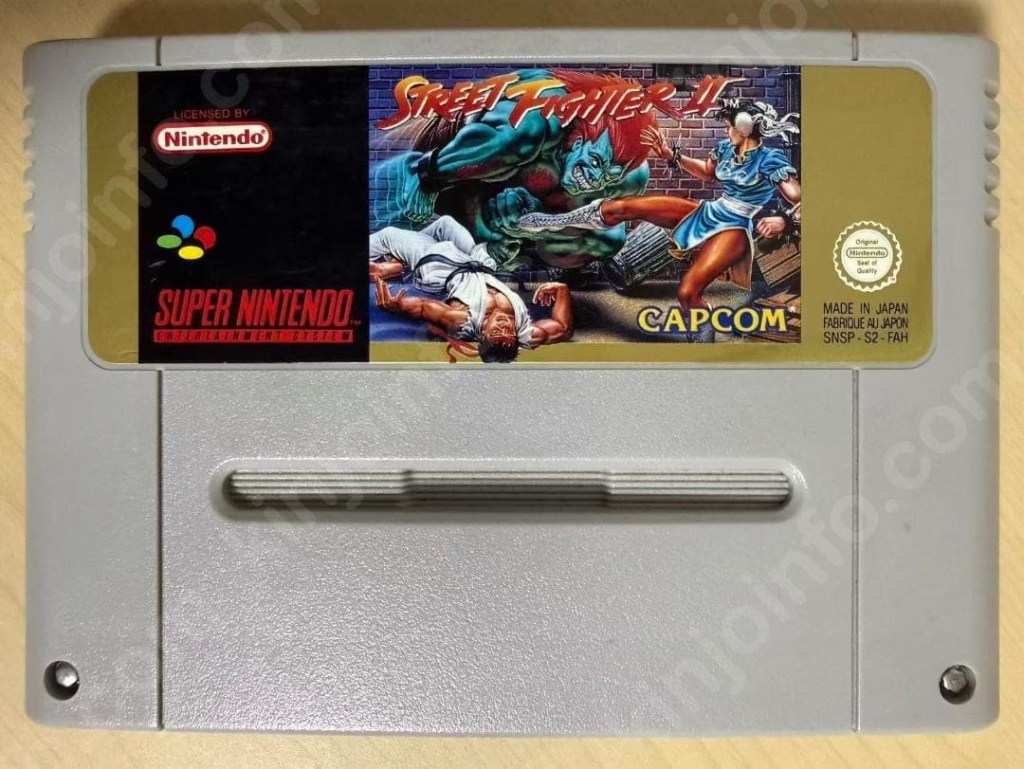

Wild Blue Skies is essentially a Star Fox game and they are not being shy about this. Everything from the aresenal at your disposal, the core gameplay, the characters on your team, the way the team communicates throughout the mission, the mission design, the missions briefings, and, you guessed it, the barrel roll, are all very much Star Fox with a different coat of paint. If you're less than patient with the absence of a new Star Fox game, Wild Blue Skies might just scratch the itch. Sure, you're not in the Lylat system fending off the forces of Andross, but it's very easy to imagine you are while playing this. Here's 7 Minutes of Wild Blue Skies gameplay.
#ign #gaming
All the best video games, all the time. Watch no commentary gaming videos live and on demand. By Adrian M ThePRO the Game Professional.
• You are a pro gamer! • Share your content! • Get discovered!
Join The Pro Gamers Community on social media or login to 24/7 Video Game and submit your posts right to this website.
New & used video games, consoles, handhelds, retro, and gaming merchandise. Up Game Shop has the latest and greatest video game deals on the internet.

Seller: sunsun_a (99.8% positive feedback)
Location: US
Condition: New
Price: 14.47 USD
Shipping cost: Free
Buy It Now
#Sponsored
In the evolving landscape of console hardware, the reliability and accessibility of internal components play a pivotal role in user experience. The Power Eject Button Cable Ribbon FPC Connector Socket for Xbox Series X exemplifies a critical junction where design precision meets practical functionality. This component, often residing within the console’s chassis, is responsible for linking the physical power and eject controls to the central processing units that manage boot sequences and disc operations. As such, its performance can have a direct impact on startup times, user feedback, and overall system responsiveness.
Key characteristics and considerations:
Electrical integrity: The ribbon cable and connector must maintain stable signal transmission for power management and control signals. Any degradation can lead to intermittent failures, delayed responses to power or eject requests, or, in the worst case, failure to boot. High-quality insulation, proper shielding, and corrosion-resistant contacts contribute to long-term reliability.
Mechanical durability: Repeated opening and closing of the console’s shell for maintenance or upgrades can stress the connector. The design typically emphasizes a secure locking mechanism and gentle mating force to minimize wear on both the cable and the socket.
Installation and serviceability: For technicians and diligent enthusiasts, proper handling practices are essential. Key tips include ensuring the console is powered down and unplugged before any internal work, handling the ribbon with clean, dry hands or anti-static precautions, and verifying that the connector is fully seated and locked after reassembly.
Diagnostics and troubleshooting: Symptoms such as delayed power-on, unresponsive eject buttons, or intermittent disc read issues can sometimes be traced to a loose or damaged FPC connector. When addressing these problems, a careful inspection for bent pins, discoloration, or signs of wear around the latch can guide the corrective steps.
Best practices for system health:
In summary, the Power Eject Button Cable Ribbon FPC Connector Socket is a small yet essential component within the Xbox Series X that supports reliable power management and user-initiated disc operations. Its integrity affects boot reliability, control responsiveness, and the overall tactile experience of using the console. By prioritizing correct installation, quality parts, and careful maintenance, enthusiasts and technicians can help ensure consistent performance and extended device longevity.
Ready your detective hats for the Official Launch Trailer of MOUSE: P.I. For Hire, the black and white first-person shooter by Fumi Games and PlaySide Studios.
Launching April 16, 2026 on Xbox Series X|S, with Xbox Play Anywhere support. Pre-order now!
https://www.xbox.com/games/store/mouse-pi-for-hire/9p7522hwd0nh
SUBSCRIBE TO XBOX: https://xbx.lv/2EEjmaR
FOLLOW XBOX https://twitter.com/xbox https://www.facebook.com/xbox https://www.instagram.com/xbox/ https://www.tiktok.com/@xbox https://www.threads.net/@xbox https://bsky.app/profile/xbox.com
In the world of interactive storytelling, first impressions matter. The official launch trailer for MOUSE: P.I. For Hire announces a bold entry into the mystery genre, blending witty narration, noir-inspired visuals, and a dash of unconventional charm. At its core, the trailer positions a seemingly ordinary feline investigator as the catalyst for a city-wide puzzle, inviting players to step into a world where clues are everywhere and misdirection hides in plain sight.
What stands out from the opening seconds is a meticulous attention to atmosphere. The animation style channels classic detective cinema while embracing modern polish: crisp line work, deliberate color palettes, and motion that suggests both speed and deliberation. The protagonist’s voice—whether observed through narration or textual messages—exudes a confident curiosity, a trademark of seasoned investigators who trust their senses more than their assumptions.
The trailer’s pacing is a masterclass in teaser design. It begins with a low-stakes setup—a missing object, a shadowy alley, a whisper of motive—and escalates through a sequence of bite-sized revelations. Each beat introduces a new layer: a skeptical client, an ambiguous lead, a ticking clock. The result is a compact, cinematic experience that promises a longer, richer narrative journey once players dive into the game.
Narrative hooks are complemented by tangible world-building. The city feels alive: street vendors, neon reflections, and minor characters whose quirks hint at deeper backstories. This is more than a chase for a culprit; it’s an excursion into a community where every citizen might hold a fragment of truth, and every clue carries a consequence.
Gameplay-wise, the trailer hints at a blend of traditional investigation mechanics with modern, accessible interfaces. Expect a mix of clue collection, deduction prompts, and decision points that shape the investigation’s direction. The presence of humor—sly traps for the unwary and clever twists for the observant—suggests that the game aims to honor both cerebral problem-solving and the joy of discovery.
From a design perspective, the choice to center a feline private investigator offers a refreshing detour from conventional detective archetypes. The character’s silhouette, movement, and demeanor convey independence, cleverness, and a touch of mischief. Pair that with a city that feels almost like a character itself, and the trailer positions MOUSE: P.I. For Hire as a standout in a crowded genre landscape.
Thematic threads teased by the trailer invite reflection on trust, perception, and the subtle diplomacy of negotiation. Investigations aren’t only about uncovering who did what; they’re about understanding why people behave the way they do when stakes rise. In that sense, the game promises not just puzzles to solve, but moral and social nuance to navigate.
For potential players, the official launch trailer does more than tease mechanics; it curates an experience. It signals a game built for curiosity, rewarded by thoughtful progression and character-driven moments. It invites audiences to suspend disbelief, lean into observation, and savor the moment when a clue snaps into place, changing the trajectory of the case—and perhaps how they relate to the city that hosts it.
As anticipation builds, MOUSE: P.I. For Hire appears to offer a compact yet rich introduction to a longer adventure. For fans of mystery, noir aesthetics, and character-centric storytelling, the trailer sets expectations that the full game will reward careful attention, patient analysis, and a sense of whimsy that keeps the genre’s heartbeat steady. The official launch marks not an ending, but a confident invitation to participate in a mystery where every alleyway, every shadow, and every squeak of a floorboard matters.
All the best video games, all the time. Watch no commentary gaming videos live and on demand. By Adrian M ThePRO the Game Professional.
• You are a pro gamer! • Share your content! • Get discovered!
Join The Pro Gamers Community on social media or login to 24/7 Video Game and submit your posts right to this website.
New & used video games, consoles, handhelds, retro, and gaming merchandise. Up Game Shop has the latest and greatest video game deals on the internet.
Seller: gulfcoastinvestments (100.0% positive feedback)
Location: US
Condition: Brand New
Price: 28.00 USD
Shipping cost: Free
Buy It Now
#Sponsored
In the ever-evolving landscape of video game collecting, Limited Run Games (LRG) has carved out a distinct niche by offering physical releases for digital-first titles and otherwise hard-to-find editions for modern platforms. Among these releases, certain items quickly become focal points for collectors and enthusiasts alike, not only because of the game itself but because of the story that surrounds its production, packaging, and perceived value. The PS4 entry titled The Swindle, when released under LRG’s distinctive model, serves as a compelling case study in how limited physical runs, seals, and branding shape market dynamics and consumer expectations.
Overview of the Offering LRG’s practice centers on producing a finite number of copies, each carefully packaged and sealed to preserve its status as a collectible. New, sealed copies are emphasized in marketing materials, underscoring scarcity as a core attribute. In this context, the PS4 edition of The Swindle—labeled as limited run #40 in a series of similarly curated releases—presents a narrative that intertwines promise, rarity, and risk for buyers.
Scarcity as a Marketing Device Scarcity is a well-known driver of perceived value in collectibles. When a product is positioned as a limited run, buyers often infer exclusivity, potential future appreciation, and a sense of participating in a curated moment of gaming history. However, scarcity can also introduce volatility: fluctuations in demand, supply chain constraints, and the intrinsic volatility of collectible markets can complicate the long-term value proposition. For The Swindle, limited run numbering amplifies these dynamics by giving buyers a crisp metric to gauge rarity—number 40 in this case—while still leaving room for interpretation about total production volume and distribution.
Branding, Packaging, and the Sealed Condition LRG’s sealed copies are marketed as pristine, authentic representations of a game’s release in a physical format. The seal is presented as a safeguard—an assurance that the contents remain untouched since leaving the factory. In practice, the condition of a seal can become a topic of scrutiny among collectors: variations in sealing integrity, the potential for resealed or tampered items, and the subjective assessment of what constitutes a “new” or “mint” state. When evaluating a purchase, buyers often weigh the authenticity narrative—conveys of factory freshness—against the practical realities of post-purchase handling, storage conditions, and the possibility of seal damage during shipping.
The Swindle: A Product with a Dual Identity The game itself carries its own merit within the catalog of indie and retro-inspired titles. Critics and players may assess the title for design, mechanics, and replay value, separate from its status as a Limited Run object. For collectors, the dual identity is crucial: The physical artifact represents a specific moment in the intersection of indie development and physical distribution strategy, while the digital or standard editions of the same title exist as a broader, ongoing reference point in the gaming ecosystem.
Market Considerations and Investment Perspectives For buyers, two questions often guide decisions: What is the practical value of owning a sealed edition today, and what is the projected trajectory of that value? Market observations suggest that a combination of desirability (based on the game’s reception and rarity), condition (sealed, unaltered), and provenance (original packaging, verifiable authenticity) influence volatility. It is prudent for collectors to consider resale liquidity, potential price cushions, and the possibility that interest can ebb as new limited releases emerge or as the broader market shifts toward digital collections.
Practical Buying Guidance - Verify authenticity: Examine packaging details, serial numbers, and any included proof of release that aligns with Limited Run’s stated production cycle. - Assess condition: Treat the seal as a living indicator of value. Consider professional grading or careful inspection for any signs of tampering or damage. - Research production scope: Seek credible disclosures from LRG about total run size and distribution channels to calibrate scarcity expectations. - Consider long-term intent: Determine whether the purchase aligns with a broader collecting strategy or is a targeted interest in a specific title and platform.
Conclusion The Limited Run PS4 edition of The Swindle embodies the convergence of indie game culture and tangible collectibles. It exemplifies how packaging, certification of new/sealed status, and numbered scarcity contribute to a collectible narrative that extends beyond gameplay. For enthusiasts, the appeal lies not only in playing the title but in engaging with a curated moment of market history—where the thrill of rarity meets the steady cadence of preservation and value assessment. As with any collectible, informed decisions grounded in authenticity, condition, and informed market insight will serve buyers best in navigating this evolving domain.
With the full 1.0 release of Palworld came a few changes to particular Pal designs when compared to their early access looks. Here are all the ones we've spotted between versions.
Palworld is a monster-catching survival game where you recruit Pals to not only fight with you, but to help build out your camp as well. Challenge the towers around the world and investigate the mysterious Tree of Life as you try to catch every Pal that you can.
#IGN #Gaming #Palworld
Palworld, the open-world crafting and creature-collection title that has captured the attention of players worldwide, has undergone a significant evolution from its Early Access phase to the 1.0 launch. A careful look at the pal designs reveals not just cosmetic tweaks, but a shift in visual language, usability, and thematic emphasis that impacts how players interact with the world and its inhabitants. This post surveys the notable changes to pal designs, offering context for why developers might have adjusted silhouettes, palettes, and features as the game moved towards its full release.
1) Silhouette and Readability Early Access: Paldrops and their friends often featured broader silhouettes with exaggerated features to ensure visibility in dense environments and on a wide range of hardware. Some designs favored complex shapes that, while charming, could blur at distance or under motion, especially on lower-end systems. 1.0 Update: As development matured, several pals received updated silhouettes that emphasize readability at various distances. The changes include clearer head shapes, more distinct limb proportions, and simplified torsos. The aim is to preserve personality while ensuring quick recognition during exploration and combat sequences.
2) Color Theory and Texture Work Early Access: Pal palettes leaned toward high-contrast, vibrant colors that pop against the game’s flora and fauna. Texturing tended toward stylized, almost cel-shaded shading to maintain performance and a cohesive visual language with the world. 1.0 Update: Colors have been refined for broader tonal balance. Some pals received texture refinements to reduce aliasing and enhance depth under dynamic lighting. The result is a more grounded appearance without losing the whimsical charm that defines Palworld’s core aesthetics.
3) Thematic Revisions and Identity Signals Early Access: Several pals embodied raw, untamed aesthetics—spiky motifs, jagged edges, and rugged silhouettes signaling a wild, adventure-driven universe. This aligned with the game’s promise of exploration, survival, and a bit of mischief with a dark humor undertone. 1.0 Update: The theme spectrum shifted toward more defined character roles. Some rivals or companion types gained softer facial features or muted color accents to convey intelligence, loyalty, or quirky personalities. The change often made backsides and expressions more legible in cutscenes and dialogue moments.
4) Animation and Motion Cues Early Access: Animations prioritized expressive, bouncy motion to convey personality within a sandbox environment. However, a subset of moves could appear awkward during transitions or in combat frames, sometimes obscuring intent. 1.0 Update: The animation rigging and blend trees were refined, resulting in smoother transitions and more readable attack and idle states. This not only enhances perceived personality but also helps players anticipate pal behavior during battles and cooperative tasks.
5) Evolution Animations and Progression Signals Early Access: Evolution mechanics often showcased dramatic transformations that emphasized dramatic flair. Some evolutions carried heavy silhouettes or drastic color shifts that could momentarily disrupt readability during fast-paced action. 1.0 Update: Evolution sequences were re-timed for clarity, with stage-based cues that clearly indicate power increases. Pals retain their core silhouettes, but with evolutions that accentuate the growth through controlled, legible changes rather than overwhelming overhauls.
6) Accessibility Considerations Early Access: Accessibility was addressed intermittently, with general color contrast and basic visibility in mind. However, players with color vision deficiencies or motion sensitivity could encounter challenges with certain pal designs. 1.0 Update: Accessibility has become more central. Pal designs now consider colorblind-safe palettes and higher-contrast markings on important visual cues. Additionally, animation cadence and shadow work have been tuned to be more comfortable for players sensitive to rapid motion.
7) Consistency Across Biomes Early Access: Pal designs sometimes reflected biome-specific aesthetics that didn’t always translate smoothly when viewed outside their native environments, causing occasional visual dissonance during travel or portaling between regions. 1.0 Update: Designers pursued greater cross-biome consistency. Pals retain their core identities while ensuring color and textural language harmonize with multiple ecosystems, reducing jarring transitions for players as they traverse diverse landscapes.
8) Fan Feedback Loop and Iteration Early Access: Community feedback highlighted favorites and controversial designs, prompting iterative tweaks. However, resource constraints meant not every concern could be addressed in a timely fashion. 1.0 Update: The redesigns appear more targeted, with a transparent rationale tied to gameplay impact, readability, and accessibility. While not every anticipated change can occur, the iterations reflect a structured approach to balancing aesthetics with playability.
Why these changes matter for players - Visual clarity enhances decision-making in combat and resource gathering, reducing cognitive load during hectic moments. - Consistent silhouettes and cohesive color palettes improve squad-building and pal recognition during exploration. - Accessibility enhancements broaden who can enjoy the game without sacrificing personality or charm. - Refined animations and smoother evolutions contribute to a more immersive narrative arc and a sense of meaningful progression.
Looking ahead As Palworld continues to evolve beyond 1.0, ongoing attention to pal design will likely focus on further aligning visual identity with in-game roles, mechanics, and storytelling. Expect refinements that maintain the franchise’s signature whimsy while sharpening clarity and accessibility across diverse hardware and player needs.
In summary, the journey from Early Access to 1.0 reflects a deliberate maturation of pal designs. Changes to silhouettes, color strategy, animation polish, and accessibility all converge to deliver a more legible, welcoming, and expressive cast of pals that players can form deeper bonds with as they explore the world.
All the best video games, all the time. Watch no commentary gaming videos live and on demand. By Adrian M ThePRO the Game Professional.
• You are a pro gamer! • Share your content! • Get discovered!
Join The Pro Gamers Community on social media or login to 24/7 Video Game and submit your posts right to this website.
New & used video games, consoles, handhelds, retro, and gaming merchandise. Up Game Shop has the latest and greatest video game deals on the internet.
Seller: vintageessentials* (100.0% positive feedback)
Location: US
Condition: Brand New
Price: 54.99 USD
Shipping cost: Free
Buy It Now
#Sponsored
In the world of sports video games, few titles carry the resonance of NCAA Football 14, especially for collectors and nostalgic gamers who remember the era when college football dominated console rosters. The Xbox 360 release from 2013 stands as the final installment in EA Sports’ long-running college football series, and finding a factory-sealed copy today is not only a shopping win but also a piece of gaming history.
From a collector’s perspective, a new factory-sealed (NFS) NCAA Football 14 indicates more than pristine packaging; it signals a snapshot of a cultural moment. The game arrived with high expectations from fans who had followed the series’ evolution across generations. The sealed status preserves the original artwork, insert materials, and disc integrity, which can translate to higher perceived value at auction, in catalogs, or within a curated display shelf.
What makes NCAA Football 14 particularly enduring is its blend of authentic team rosters, dynamic game modes, and the emotional appeal of college athletics. For the Xbox 360 version, players encountered the title at a time when console gaming prioritized both accessibility and depth. The gameplay mechanics offered a balance between execution and strategy: precise play-calling, timing-based passing, and defensive reads that rewarded disciplined play. The presentation mirrored the college gridiron atmosphere, with stadiums that hummed with crowd noise and signature cheers, reinforcing the immersion that fans sought.
From a practical standpoint, verifying a factory-sealed NCAA Football 14 involves a careful inspection of the packaging and seal integrity. Collectors often check for the original shrink wrap, intact factory seals, and any factory-stamped markings that verify authenticity. The condition of the manual, inserts, and disc packaging can influence value and display potential. When assessing an NFS copy, it’s prudent to consider the following:
Beyond monetary considerations, a new factory sealed NCAA Football 14 serves as a tangible link to the broader ecosystem of college sports media. It invites conversations about licensing, the lifecycle of sports franchises, and the ways in which video games capture the spirit of college football—rivalries, traditions, and the evolving role of student-athletes in popular culture. For enthusiasts, opening such a copy—when and if chosen—becomes a ceremonial moment, marking the transition from a preserved artifact to a playable relic within a curated collection.
In conclusion, a factory-sealed NCAA Football 14 (Xbox 360, 2013) is more than a game on a shelf. It is a preserved artifact of a pivotal moment in sports gaming, offering both collectible value and a doorway to revisiting the excitement of college football as it was experienced a decade ago. Whether you’re a seasoned collector or a new entrant exploring the vintage catalog, this title represents a noteworthy centerpiece for any thoughtful gaming library.
Created in collaboration between Saber, Lionsgate, and franchise director Chad Stahelski, the new “Untitled John Wick Game” will feature an original script set in the John Wick timeline, expanding on the franchise’s intricate lore with familiar characters fans already know, as well as completely new ones. Saber’s design will be faithful to the unique style and signature elements of the series, including a distinct gun fu combat system, jaw-dropping camerawork, immersive driving experiences, and a variety of memorable environments, all crafted to make players feel like they are in a John Wick movie, playing the role of John Wick himself.
#ps5 #ps5games #stateofplay #johnwick
May contain content inappropriate for children. Visit http://www.esrb.org for rating information.
All the best video games, all the time. Watch no commentary gaming videos live and on demand. By Adrian M ThePRO the Game Professional.
• You are a pro gamer! • Share your content! • Get discovered!
Join The Pro Gamers Community on social media or login to 24/7 Video Game and submit your posts right to this website.
New & used video games, consoles, handhelds, retro, and gaming merchandise. Up Game Shop has the latest and greatest video game deals on the internet.
Listing type: Fixed price
Best offer: Available
Seller: yunchaungke005 (99.3% positive feedback)
Location: CN
Condition: Brand New
Price: 6.22 USD
Shipping cost: 12.16 USD
Buy It Now
#Sponsored
In the world of console gaming, responsive feedback can elevate a session from immersive to truly exhilarating. The new Replacement 1Pair LeftRight Vibrating Motors Module for the Xbox 360 controller is engineered to deliver tactile precision and reliable performance, ensuring you feel every action on screen with clarity and consistency.
Product Overview - Dual-Motor Assembly: This package includes a matched pair of vibration motors designed to mirror each other’s movement, providing balanced force for a natural, even rumble across the entire controller. - Compatibility: Specifically crafted for Xbox 360 controllers, with a plug-and-play form factor that aligns with the original internal layout. Detailed installation notes guide you through the procedure with minimal downtime. - Performance and Feel: High-quality bearings and optimized resonance deliver steady vibrations across a wide frequency range. The result is crisp feedback during action sequences, collisions, and explosions, enhancing immersion without overpowering subtle in-game cues.
Key Benefits - Restored Haptics: For gamers experiencing faded or inconsistent vibrations, this module restores the full spectrum of haptic feedback, reviving the intended game feel. - Durability and Longevity: Constructed from robust materials designed to withstand regular usage, reducing the risk of premature failure and extending the life of your controller. - Easy Installation: The included hardware and straightforward wiring scheme simplify the replacement process, making it accessible for hobbyists and professionals alike. - Value and Reliability: By replacing only the vibrating components, you preserve the rest of the controller’s integrity while achieving a like-new tactile experience at a fraction of the cost of a full unit replacement.
What to Expect During Replacement 1. Preparation: Gather the necessary tools, power down the console, and disconnect any peripherals. Work in a clean, static-free environment. 2. Disassembly: Access the controller’s interior with careful removal of outer shells, ensuring you follow the casing’s screw placements to avoid damage. 3. Module Swap: Detach the old vibration motors and connect the new Left and Right motors in their designated positions, consulting the included wiring schematic for accurate connections. 4. Testing: Before sealing the controller, power up to test the vibration function. Confirm that both motors operate synchronously and without buzzing or intermittent drops. 5. Reassembly: Carefully reassemble the controller, ensuring all cables are routed securely and the shell snaps back into place without obstruction.
Maintenance Tips - Keep the motors clean and free from dust buildup to preserve performance and cooling efficiency. - If vibrations begin to waver, inspect connections for looseness and confirm the motor mounting is secure. - Avoid exposing the module to excessive moisture or heat, which can degrade performance over time.
Conclusion The Replacement 1Pair LeftRight Vibrating Motors Module for Xbox 360 Controller is a practical upgrade for gamers seeking dependable, balanced haptic feedback. Designed for straightforward installation and lasting performance, it restores the tactile feel that enhances gameplay, making every rumble a meaningful part of the experience.
Check out the Launch Trailer for Wreckreation, the vehicular combat racing game developed by Three Fields Entertainment.
Players will explore an expansive open world alone or with friends to create unique levels and race on them for victory. Wreckreation is available now for PlayStation 5 (PS5), Xbox Series X|S, and PC (Steam).
#Wreckreation #ArcadeRacer #OpenWorldRacing
All the best video games, all the time. Watch no commentary gaming videos live and on demand. By Adrian M ThePRO the Game Professional.
• You are a pro gamer! • Share your content! • Get discovered!
Join The Pro Gamers Community on social media or login to 24/7 Video Game and submit your posts right to this website.
New & used video games, consoles, handhelds, retro, and gaming merchandise. Up Game Shop has the latest and greatest video game deals on the internet.
Listing type: Fixed price
Seller: japan-otakuvault (100.0% positive feedback)
Location: JP
Condition: Very Good
Price: 147.50 USD
Shipping cost: 12.00 USD
Buy It Now
In the annals of retro gaming, the PlayStation era stands as a watershed moment for fighting games, where innovation met execution and fan communities grew around the shared thrill of tight mechanics and bold design choices. Among the many developers who contributed to this vibrant landscape, BANPRESTO carved a distinctive niche, bringing a blend of accessibility and strategic depth to a generation hungry for competitive edge. This piece surveys the critical dimensions of BANPRESTO’s retro fighting footprint, with a focused lens on a lesser-known but notable entry often cataloged under the A7298 designation.
Framing the context, the PlayStation’s rivalry-driven ecosystem demanded titles that could translate arcade tempo into home-friendly sessions without sacrificing the essence of the arcade stage. BANPRESTO rose to this challenge by prioritizing responsive controls, readable visual language, and a roster that balanced recognizable fighters with unique archetypes. The result was a game that both rewarded practiced execution and welcomed newer players to tee up a satisfying long-tail experience.
Mechanics and design philosophy form the backbone of any critical assessment. The title under discussion embraces a clean control schema, where movement, attack, and special inputs cohere into a rhythm that rewards timing over brute button-mashing. This alignment matters: it lowers the barrier to entry for casual competitors while still offering depth for experienced players who seek experimentation with combos, spacing, and risk-reward decision-making. A careful balance is struck between offense and defense, with a parry-like mechanic or defensive window that can tilt engagements from stalemate to momentum, depending on player execution.
From a visual perspective, retro fighters often face the tension between pixel clarity and expressive animation. The aesthetic choices—character silhouettes, hit feedback, and stage design—play a crucial role in readability during high-speed exchanges. A well-constructed title will maintain distinct silhouettes across the roster, ensuring that players can parse actions at a glance, a non-trivial consideration when screen-space narrows or when the frame rate dips under intense sequences. In the evaluated title, the art direction supports quick comprehension while still delivering personality for each fighter, a hallmark of enduring fighting game design.
Sound design complements the tactile experience. Punches, kicks, and special moves should land with satisfying impact, and the accompanying audio cues ought to reinforce spacing and timing. A well-tuned soundtrack can also contribute to the psychological tempo of matches, sustaining energy during longer sessions and helping players synchronize their play. In a retro package, the audio often carries a nostalgic charm, but the most effective implementations maintain clarity and punch without muddying the mix during rapid exchanges.
Balance considerations remain central to the critical appraisal. Historically, many retro fighters grapple with character balance, sometimes unintentionally privileging certain archetypes or exploitable sequences. A disciplined design approach involves continuous tuning—whether through the original release or subsequent iterations—to keep the roster viable across skill levels. In A7298-class titles, balance is tested in both local and potential competitive contexts, where the interplay between footsies, mix-ups, and punishable gaps shapes the meta. A robust design will encourage varied strategies rather than funneling players into a single optimal route.
Cultural and historical significance enriches the critique. BANPRESTO’s involvement in the fighting game scene reflects a broader trend of publishers layering arcade authenticity with home-friendly experimentation. For collectors and historians, the A7298 label points to a lineage of releases that emphasize accessible entry points coupled with technical nuance. Recognizing these titles helps illuminate how mid-tier or niche entries contributed to the evolution of fighting game etiquette, edge cases, and community experimentation.
Practical takeaways for modern enthusiasts include approaching retro titles with an emphasis on fundamentals: mastering spacing, recognizing safe and unsafe strings, and appreciating how small mechanical refinements accumulate into a distinctive play experience. For those revisiting this era, consider capturing match data, rewatching notable clips, and comparing input timing across different hardware emulation or original hardware to understand how marginal changes influence outcome in ways not immediately obvious during live play.
In conclusion, the examined BANPRESTO PS1 fighting title, particularly the A7298 identifier, embodies a thoughtful blend of accessibility and depth that characterizes many enduring retro fighters. It invites players to engage with the core pleasures of the genre—timed aggression, precise defense, and the satisfaction of outthinking an opponent—while preserving the charm and historical interest that make retro games a vital part of the broader fighting game conversation. For collectors, scholars, and players seeking a thoughtful retro fighting experience, this title offers a compact, yet meaningful, window into the creative experimentation that defined a pivotal era in gaming.
Valor Mortis is a first-person action soulslike from the creators of Ghostrunner. Rise from death as a former soldier of Napoleon’s army. Wield supernatural powers, battle horrifying monsters, and unravel a conspiracy that threatens all of humanity.
https://www.xbox.com/games/store/valor-mortis/9p861v1542bl?wfExp=382CT
SUBSCRIBE TO XBOX: https://xbx.lv/2EEjmaR
FOLLOW XBOX https://twitter.com/xbox https://www.facebook.com/xbox https://www.instagram.com/xbox/ https://www.tiktok.com/@xbox https://www.threads.net/@xbox https://bsky.app/profile/xbox.com
In the shadowed recesses where legends are born, Valor Mortis unfolds as a story trailer that promises more than spectacle—it offers a vow. This cinematic preview invites audiences to traverse a world where courage is forged in the crucible of grief, and every choice echoes beyond the horizon. The visuals blend stark realism with a hushed, almost spectral poise, suggesting a narrative that respects the weight of its themes while never surrendering to despair.
From the first frame, the trailer sets a tone of restrained grandeur. Sun-drenched ruins give way to twilight alleys, and the soundscape threads together distant drums, whispering winds, and a heartbeat that seems to synchronize with the viewer’s own. Each image is a prompt: a scarred landscape, a determined gaze, a companion silhouette that hints at kinship and risk. The pacing allows space for contemplation, inviting audiences to fill in the blanks with their own hopes and fears before the full story unfolds.
The central premise centers on a protagonist who bears the weight of past battles while stepping forward into an ambiguous future. The narrative thread is not an expedition toward triumph alone, but a meditation on the cost of survival—how memory and duty can coexist with doubt, and how the act of choosing can redefine what it means to be brave. The trailer teases a sequence of tests: difficult judgments, impossible sacrifices, and moments of quiet resilience that reveal character more than any explicit declaration could.
Cinematographically, Valor Mortis leans into contrasts—light slicing through shadow, the clean geometry of a ruined cityscape, and the tactile texture of fabric and weaponry that grounds the fantasy in tactile reality. The score builds with deliberate restraint, weaving string textures with metallic tones to evoke a sense of both reverence and urgency. When the music swells, it does so with purpose: to underscore a turning point rather than to overpower the viewer’s perception of the stakes.
Character design and world-building receive careful attention. Costumes, insignias, and relics are not mere adornments; they are narrative artifacts that hint at lineage, allegiance, and the long memory of conflict. The environment speaks a language of its own—crumbled monuments and peripatetic enclaves suggest a history that is as important as the present moment and as likely to endure as the characters who inhabit it.
The trailer closes with a quiet, resolute promise. A silhouette steps into a threshold, the frame tightens, and a single line of dialogue or a deliberately ambiguous visual cue lingers, inviting viewers to seek out the rest of the story. Valor Mortis presents itself as a journey not only through a perilous landscape but through the interior terrain of resolve: the moment when fear gives way to purpose, and the idea of what it means to be alive is redefined by the choices one makes when the odds are longest.
For audiences seeking a film that respects intelligence and emotion in equal measure, this preview offers a compelling invitation. It speaks to the appetite for narratives that honor complexity, reward attentive viewing, and leave room for interpretation as the world beyond the trailer continues to unfold. Valor Mortis promises a cinematic experience that lingers—an invitation to witness courage under pressure and to reflect on the moral weight of every decision.
All the best video games, all the time. Watch no commentary gaming videos live and on demand. By Adrian M ThePRO the Game Professional.
• You are a pro gamer! • Share your content! • Get discovered!
Join The Pro Gamers Community on social media or login to 24/7 Video Game and submit your posts right to this website.
New & used video games, consoles, handhelds, retro, and gaming merchandise. Up Game Shop has the latest and greatest video game deals on the internet.
Listing type: Fixed price
Best offer: Available
Seller: theretrocache (98.4% positive feedback)
Location: CA
Condition: Brand New
Price: 12.28 USD
Shipping cost: 7.22 USD
Buy It Now
#Sponsored
In the landscape of classic gaming, Namco Museum Vol. 4 stands as a carefully curated capsule of early 3D experimentation and timeless arcade-tinged fun. For collectors, restorers, and archivists alike, reproductions and preservation efforts play a critical role in ensuring these experiences endure beyond fading discs and obsolete hardware. This brief manual outlines a thoughtful approach to reproducing and maintaining Namco Museum Vol. 4 for the PlayStation 1, balancing historical fidelity with practical accessibility.
Scope and significance Namco Museum Vol. 4 compiles a diverse set of arcade-inspired titles that reflect Namco's evolution through the late 1990s. The mix typically features classic arcade converts and early polygonal interpretations that bridged the gap between coin-op roots and home console capability. Understanding the scope—ranging from control schemes and graphical aesthetics to soundtrack presentation and in-game behavior—helps guide responsible reproduction without compromising the original experience.
Core considerations for a faithful reproduction - Authentication of the original compilation: Verify the component games included, their respective source ROMs or codebases, and the intended order of tracks or titles within the disc image. - System compatibility: The PS1 hardware environment, including region encoding, memory cards, and display standards (NTSC/PAL), should inform the reproduction approach to ensure broad usability. - Visual fidelity: Preserve texture palettes, polygon count cues, and scanline behavior where applicable. Emulation-based reproductions should strive for frame-rate accuracy and timing parity with the original hardware. - Audio integrity: Reproduce the original soundtrack and sound effects with attention to channel layout, looping behavior, and dynamic range, mindful of disc-based compression artifacts that may have been present in the source release. - Input mapping: Maintain the feel of the original control schemes (d-pad or analog stick sensitivity, button layout) to preserve user experience, including default mappings and supported peripherals. - Coherence across titles: Ensure menu navigation, save behavior (where applicable), and transition animations reflect the overall user experience of Namco Museum Vol. 4 rather than a collection of unrelated pieces.
Technical approach - ROM and disc image management: Coordinate a legally compliant method for acquiring and handling source assets. Where public-domain or fan-supported resources exist, document their provenance and any modifications performed during reproduction. - Platform emulation vs. hardware recreation: Decide between accurate PS1 emulation with a faithful disc image or a hardware-assisted recreation that recreates the disc contents on compatible playback devices. Each path has implications for latency, color timing, and compatibility with CRT displays. - Verification and testing: Implement a structured testing protocol that compares key metrics—load times, frame rates, audio timing, input lag—against known baselines from archival reviews or developer documentation. - Documentation and metadata: Produce an accompanying readme that details the reproduced content, versioning of assets, and any deviations from the original release. Include troubleshooting tips and a changelog to assist future preservation work.
Ethical and legal considerations - Respect intellectual property: Restoration and reproduction efforts should comply with applicable laws and licensing terms. When dealing with legacy software, seek permissions where required and avoid distributing proprietary content beyond what is legally permissible. - Accessibility and sharing: Where possible, provide non-infringing access pathways for enthusiasts and researchers, such as metadata-rich archives, proof-of-concept demonstrations, or documentation that facilitates legitimate preservation under fair use or other applicable allowances.
Impact on the preservation community Reproductions that are transparent about their methods—assessing fidelity against original benchmarks, documenting hardware or emulation choices, and acknowledging any compromises—serve as valuable references for future preservation work. They enable researchers, historians, and fans to study Namco’s design language, the evolution of arcade-to-home conversions, and the technical ingenuity that enabled a multi-title compilation to feel cohesive on a single PlayStation 1 disc.
Conclusion Namco Museum Vol. 4 represents more than a collection of games; it captures a moment in the industry when experimentation with 3D space and arcade sensibilities converged on the PlayStation frontier. A thoughtful reproduction, grounded in fidelity, accessibility, and ethical practice, can extend the life of this compilation for new audiences while providing a reliable framework for ongoing preservation efforts. By balancing technical rigor with respect for the original material, enthusiasts and archivists can ensure that the spirit of Namco Museum Vol. 4 continues to inspire curiosity and appreciation for the ingenuity of classic game design.
Wave goodbye to Early Access because MetaHuman Creator 5.6 is now fully integrated into Unreal Engine and ready to go. The new MetaHuman update brings unmatched fidelity, a large scan database, and advanced authoring workflows for faces, bodies, and clothing. Use tools like the expression editor to assist with facial expressions and the groom tool to reconfigure the fine details of your character's hair. What's more, MetaHuman Animator now generates real-time animation from almost any camera or audio source. Now, MetaHuman characters and animation work seamlessly in any Engine, including Unity, Godot, Maya, Houdini, and Blender.
"MetaHuman Creator Tech Demo | State of Unreal 2025"
24/7 Video Game All the best video games, all the time. Watch no commentary gaming videos live and on demand. By Adrian M ThePRO the GameProfessional.
Seller: antonline (99.5% positive feedback)
Location: US
Condition: Brand New
List price: 70.99 USD
You save: 7.94 USD (11% off)
Current price: 63.05 USD
Shipping cost: Free
Buy It Now
#Sponsored
Death End Re;Quest Code Z marks a compelling expansion of Idea Factory’s multiverse approach to storytelling, blending JRPG mechanics with visual novel pacing and a metafictional narrative that challenges players to distinguish reality from simulation. Released for PlayStation 4, Code Z builds on the foundation of its predecessor by refining combat systems, deepening character arcs, and introducing a sharper focus on the consequences of choices within a simulated world.
At its core, Code Z invites players to navigate two intertwined layers: the visible battlefield where party members execute precise tactical maneuvers against adversaries, and the hidden strata governed by the player’s decisions and the integrity of the game’s code. This dual-layer structure is more than a gimmick; it serves as a thematic backbone that explores the ethics of digital life, the weight of memory, and the fragility of certainty when truth fluctuates with every save and reload.
Gameplay loops emphasize synthesis between action-oriented combat and story-driven interrogation. Players assemble a roster of uniquely skilled heroines, each bringing a blend of attack patterns, special abilities, and narrative relevance. Battles reward thoughtful party composition, timing, and resource management, while exploration nurtures a sense of discovery as hidden routes, optional encounters, and lore items reveal the broader ramifications of the central mystery.
The narrative threads weave through a meta-text: the protagonist’s journey is frequently reframed as a question of who is narrating, who holds control, and what it means to unravel a world that may be masking a deeper level of manipulation. This self-referential layer invites players to consider how stories are constructed and who benefits from their consumption. The writing leans into mood over spectacle, delivering moments of quiet introspection that balance the adrenaline of combat sequences.
Visual presentation on the PlayStation 4 leverages a polished art direction that blends character-driven close-ups with expansive, otherscape environments. Temporal pacing is well-tuned, allowing players to absorb character dynamics while maintaining momentum through story beats and critical choices. The soundtrack complements these shifts, with motifs that underscore tension during plot revelations and swell during action-heavy combat, reinforcing the emotional resonance of key scenes.
From a structural perspective, Code Z offers a thoughtful progression system that respects player agency. Side quests and optional dialogues enrich the worldbuilding without derailing the central mystery. Players who engage with these sidelights are rewarded with deeper insights into the protagonists’ motivations and the moral texture of the game’s universe.
For returning fans and newcomers alike, Death End Re;Quest Code Z provides a cohesive experience that stands on its own while feeling like a natural continuation of the franchise’s core premises. It asks difficult questions about what it means to fight for a life that might be a carefully constructed digital echo and whether escaping a forged reality is ever truly possible, or merely another layer to peel back.
In summary, Death End Re;Quest Code Z for PlayStation 4 offers a refined blend of tactical combat, narrative depth, and meta-textual storytelling. It rewards curiosity, strategic thinking, and a readiness to confront uncomfortable questions about reality, memory, and agency within a meticulously crafted digital world.
Don't miss the Redacted Event Gameplay Trailer for Rainbow Six Siege, a tactical first-person multiplayer game developed by Ubisoft. Players will accompany the legendary Solid Snake and Zero to access enemy data and extract the disc by any means necessary. Get a look at the gameplay of this Metal Gear Solid-themed mission with the Redacted Event for Rainbow Six Siege, available now through April 8 on PlayStation 4 (PS4), PlayStation 5 (PS5), Xbox One, Xbox Series X|S, and PC (Steam, Epic Games Store, and Ubisoft Connect).
In the world of competitive gaming, trailers do more than tease new content; they set the tone for the experience to come. The Rainbow Six Siege Official Redacted Event Gameplay Trailer exemplifies this balance—delivering high-impact visuals, strategic storytelling, and a crisp sense of anticipation for the community. This post breaks down the elements that elevate the trailer from a mere promo to a narrative invitation for players of all levels.
Cinematic Craft and Tactical Realism The trailer opens with a controlled, cinematic cadence that mirrors the meticulous planning typical of Rainbow Six Siege matches. Every transition feels purposeful, moving between close-quarters engagements and wide, map-spanning takedowns. The choreography emphasizes the fragility and resilience of operators, highlighting the tension between precision, timing, and teamwork. The result is a trailer that communicates not just what’s possible in play, but how strategy and communication shape outcomes in high-stakes scenarios.
Operator Spotlight and Team Dynamics A core strength of the trailer lies in its respectful treatment of operators as distinct, capable actors within a larger unit. Each operator’s silhouette, gadget, and signature move are presented with clarity, reinforcing the idea that success derives from complementary abilities, disciplined execution, and mutual trust. The gameplay snippets foreground coordinated rotations, information gathering, and decisive pressure, underscoring the cooperative nature that defines Rainbow Six Siege.
Tactics-Driven Pacing and Environmental Craft The trailer crafts pacing through a series of escalating moments: reconnaissance reveals vulnerabilities; a well-timed utility deployment stifles counterplay; decisive engagements convert plan into action. Visually, the environments are rendered to emphasize line-of-sight control, objective vulnerability, and the necessity of careful resource management. This environmental storytelling invites players to imagine how they would adapt their own tactics to the depicted scenarios.
Sound Design as a Strategic Companion Sound design in the trailer is not an accessory but a strategic tool. Subtle audio cues—footfalls, gadget beeps, distant gunfire—provide crucial context that anchors the action in realism. The audio mix reinforces spatial awareness, guiding the viewer’s focus to key moments and enhancing the sense of immersion without overwhelming the narrative.
Community and Competitive Implications For a franchise built on iteration and communal experimentation, the trailer signals more than new content; it signals ongoing support for a vibrant, competitive ecosystem. Watchers are invited to anticipate balance changes, new operator dynamics, and the evolution of map design. The messaging acknowledges that the best strategies emerge from player experimentation, iteration, and a shared language of tactics.
What to Look For in the Full Experience - Clear demonstrations of new tools or operator capabilities without compromising game balance. - Evolving map interactions that encourage both stealth and bold, decisive plays. - A narrative thread that connects the trailer to forthcoming events, challenges, or reward structures within the game.
Conclusion The Official Redacted Event Gameplay Trailer succeeds by intertwining cinematic polish with strategic clarity. It invites players to envision themselves inside a meticulously choreographed operation, where communication, preparation, and adaptability are the keys to success. As the trailer leaves audiences curious about the specifics of the event, it also reinforces the enduring appeal of Rainbow Six Siege: a game where tactical acumen, teamwork, and disciplined execution define what is possible.
All the best video games, all the time. Watch no commentary gaming videos live and on demand. By Adrian M ThePRO the Game Professional.
• You are a pro gamer! • Share your content! • Get discovered!
Join The Pro Gamers Community on social media or login to 24/7 Video Game and submit your posts right to this website.
New & used video games, consoles, handhelds, retro, and gaming merchandise. Up Game Shop has the latest and greatest video game deals on the internet.
Listing type: Fixed price
Best offer: Available
Seller: meridian-co (100.0% positive feedback)
Location: JP
Condition: Good
Price: 264.20 USD
Shipping cost: Free
Buy It Now
#Sponsored
The Super Nintendo Entertainment System (SNES) helped carry Street Fighter II into a new era of console gaming, and the European version stands out for its nuanced journey through regional release considerations, localizations, and the enduring appeal of Capcom’s fighting game masterpiece. While Street Fighter II: The World Warrior initially defined competitive fighting on consoles, the European iteration reflects a careful balance of timing, translation decisions, and market expectations that shaped the title’s enduring legacy.
From the moment players loaded Street Fighter II on a European SNES console, they encountered a title that embodied the fundamentals of the genre: precise inputs, a roster of memorable rivals, and a system that rewarded strategic timing as much as button-mashing bravado. Capcom’s design philosophy—emphasizing balance, depth, and repeatable combos—translated well across regions, but the European version benefited from localized text, regional publishing considerations, and the evolving understanding of international import markets.
One of the enduring talking points about this version is how it navigated the language barrier without compromising the game’s accessibility. The core mechanics—character select, special moves, and the core fighter dynamics—remained consistent with the Japanese and North American builds, ensuring that players in Europe could master the same fundamentals. For many fans, the localized elements added a layer of clarity rather than friction, making it easier to study matchups, learn the arc of each character’s strengths, and improve technique through practice and repetition.
Beyond localization, the European release timeline intersected with a broader arcade-to-console migration that was already well underway. Street Fighter II’s adaptation to home systems required careful optimization of memory and performance, as developers worked within the SNES’s hardware constraints while preserving the game’s iconic animation and responsive controls. The result is a version that preserves the series’ signature motion-blur and punchy impact while ensuring smooth frame rates and reliable input registration that players could rely on during extended sessions.
Competitive play around the European version benefited from the same core mechanics that defined Street Fighter II globally: distinct character archetypes, a robust move set, and the potential for high-level strategic play. The European community contributed to the title’s early tier discussions, with players analyzing frame data, execution gaps, and matchup trees that transcended language and region. As a result, the game helped fuel a culture of practice, study, and community-driven optimization that would become a hallmark of fighting games on consoles.
From a preservation perspective, the European SNES version offers valuable insight into how Capcom and its partners approached regional releases. The iteration showcases a balance between faithful reproduction of the arcade experience and the practical considerations of home hardware. For collectors and historians, this version represents a snapshot of a pivotal transitional period in which console capabilities, regional distribution, and player communities coalesced around a shared love of precise, competitive play.
In retrospective terms, Street Fighter II on the SNES remains a milestone in the evolution of fighting games on home consoles. The European version, with its distinctive release timeline and localized polish, contributes to a broader narrative about accessibility, competition, and enduring design. For players revisiting this classic today, the experience remains a testament to Capcom’s ability to translate arcade precision into a home-friendly format—one that continues to inspire new generations of fighters to study, practice, and master the art of the duel.
Wild Blue Skies is essentially a Star Fox game and they are not being shy about this. Everything from the aresenal at your disposal, the core gameplay, the characters on your team, the way the team communicates throughout the mission, the mission design, the missions briefings, and, you guessed it, the barrel roll, are all very much Star Fox with a different coat of paint. If you're less than patient with the absence of a new Star Fox game, Wild Blue Skies might just scratch the itch. Sure, you're not in the Lylat system fending off the forces of Andross, but it's very easy to imagine you are while playing this. Here's 7 Minutes of Wild Blue Skies gameplay.
#ign #gaming
All the best video games, all the time. Watch no commentary gaming videos live and on demand. By Adrian M ThePRO the Game Professional.
• You are a pro gamer! • Share your content! • Get discovered!
Join The Pro Gamers Community on social media or login to 24/7 Video Game and submit your posts right to this website.
New & used video games, consoles, handhelds, retro, and gaming merchandise. Up Game Shop has the latest and greatest video game deals on the internet.