When a Choice Leaves a Mark
Role-playing games often sell possibility as their greatest promise: every door might open, every character might have another conversation, and every quest could lead somewhere unexpected. But the Skyrim lead’s appreciation for Baldur’s Gate 3 closing off story paths points to a different kind of magic. Sometimes a choice feels meaningful precisely because it shuts down alternatives. That tension sits at the heart of the Skyrim and Baldur’s Gate 3 experience, even though the games approach player freedom in strikingly different ways.
The Power of a World That Remembers
In Baldur’s Gate 3, decisions can change relationships, redirect quests, and make certain outcomes impossible. The result is a story that does not simply wait for the player to see everything; it responds to what the player has done. That can mean living with a missed opportunity or watching a promising route disappear, but those losses help give decisions real narrative weight. The game’s branching design recalls the tabletop spirit behind Dungeons & Dragons, where a campaign unfolds through choices rather than a checklist of guaranteed scenes. Its sprawling possibilities have also made it a defining modern RPG, as discussed by outlets such as IGN.
Skyrim’s Freedom, Baldur’s Gate 3’s Trade-Offs
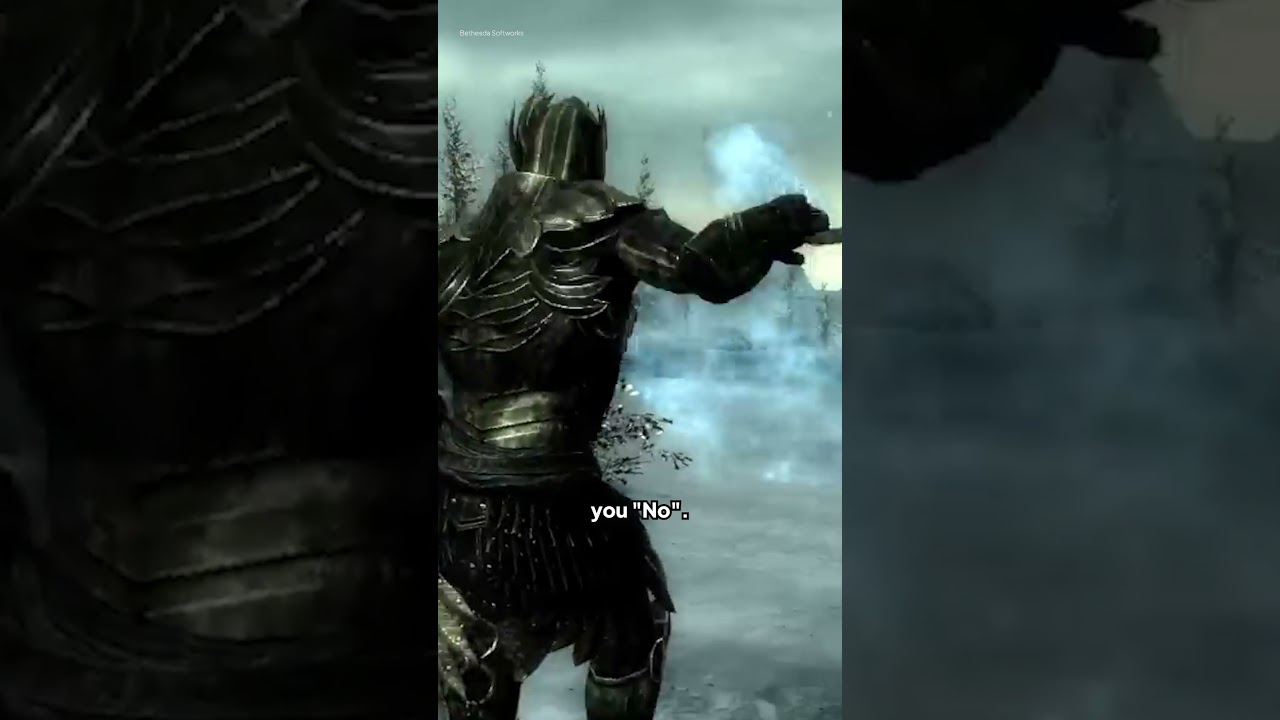
Skyrim became beloved for a different fantasy: wander in almost any direction, take up new pursuits, and build a character whose adventures can feel uniquely personal. Its open-ended structure makes exploration itself a reward. Baldur’s Gate 3, by contrast, often lets the consequences of one route close off another, asking players to accept that a single playthrough cannot contain every story. Neither approach makes the other obsolete. Together, they show how player freedom can mean both broad access to a world and the power to shape a narrower, more personal version of it. The contrast is part of what makes the two games fascinating touchstones in the wider Elder Scrolls and Baldur’s Gate legacies.
Why Missing Out Can Make the Story Better
There is a particular thrill in discovering that a game has not kept every option safely in reserve. A closed path can turn a casual decision into a memory: the alliance that never formed, the character who walked away, the quest that took a turn no guide could have predicted. That sense of irreversible consequence encourages players to talk about their different runs, compare surprises, and wonder what might have happened otherwise. It also gives replaying a genuine purpose, rather than making another run feel like a tour through leftover content. In that way, Baldur’s Gate 3 makes limitation feel less like a restriction and more like a storytelling tool—a quality that helps explain its place among the most discussed games covered by PC Gamer and GamesRadar+.