A promising path cut short
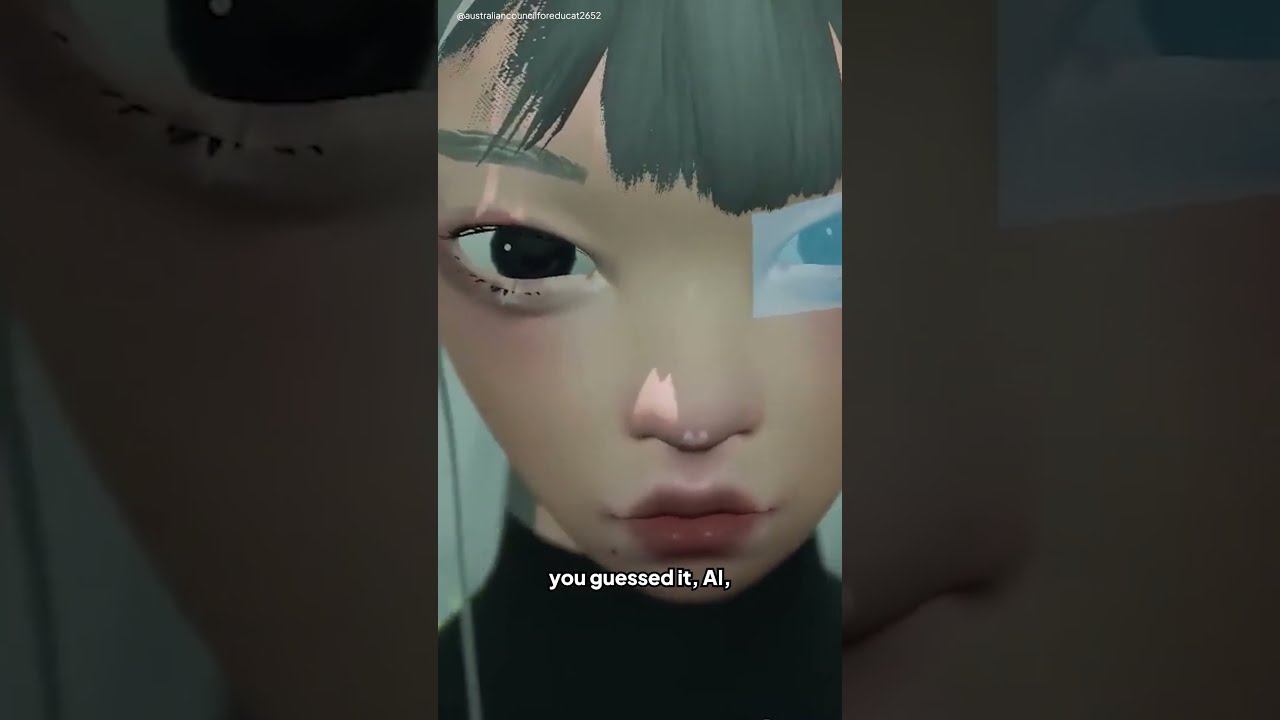
An educational game-development program has reportedly been cancelled because of AI, a decision that puts a difficult question in the spotlight: when new technology can generate code, art, and ideas, what happens to the programs designed to teach people how to make games? The headline offers few details, but the stakes are easy to recognize. Learning to build a game is about more than producing a finished project; it means developing creative problem-solving, technical confidence, and an understanding of how interactive worlds come together. Resources from Unity Learn and Unreal Engine’s learning hub show how broad that journey can be.
AI can speed up the work, not replace the learning
AI tools can make parts of development faster, from generating rough concepts to helping troubleshoot code. That usefulness, however, does not automatically make structured instruction unnecessary. Students still need to learn how to shape a playable idea, test it, revise it, and collaborate with others. Without that foundation, generated assets and snippets of code risk becoming shortcuts without understanding. The distinction matters across the industry, where Game Developer regularly explores the craft and business of making games, while GDC Vault offers a window into the skills and practices professionals share.
The bigger cost may be access
Educational programs can give aspiring creators a first step into an industry that may otherwise feel expensive, intimidating, or difficult to enter. A cancellation tied to AI therefore raises concerns beyond any single course: who gets the chance to learn, and whether emerging tools will broaden access or become a reason to invest less in people. Game creation brings together design, writing, art, sound, and engineering, making it a particularly engaging way to explore STEM skills. Organizations such as STEM Learning and Code.org illustrate the wider value of giving learners practical, creative routes into technology.
Make AI part of the lesson
The more constructive response may be to teach students how to use AI thoughtfully, rather than treating its arrival as proof that game-development education has lost its purpose. A strong program could examine where these tools help, where they fall short, and how creators can check their work and make informed choices. That approach would keep human judgment and original design at the center while preparing students for a changing field. The conversation is already relevant to platforms such as itch.io, where independent creators share experimental games, and to the broader development community represented by the International Game Developers Association.
What gets lost when the doors close
For now, the headline points to a tension that the games industry cannot solve with technology alone. AI may change how games are made, but learning to make them remains a human process of curiosity, practice, and collaboration. If educational opportunities disappear just as the tools are becoming more powerful, the industry could lose some of the very newcomers who might use those tools most imaginatively. The challenge is to ensure that innovation expands opportunity instead of narrowing it—a concern echoed in ongoing discussions at PC Gamer and across the rapidly evolving world of GamesIndustry.biz.