Brigador Killers is "boy slop" (and that’s OK) 🤷♂️ Brigador Killers is "boy slop"...
Brigador Killers is "boy slop" (and that's OK) 🤷♂️
 Brigador Killers is "boy slop" (and that's OK) 🤷♂️
In recent discussions surrounding contemporary media, provocative phrases and reclaimed slurs often surface as focal points for debate. One such term, controversially described as 'boy slop,' raises questions about why certain language persists, what it signals about audience boundaries, and how creators navigate reception. This post examines why some communities tolerate, reinterpret, or even celebrate abrasive lexicon within a broader media ecosystem, and what that means for writers, critics, and fans alike.
First, it’s important to distinguish between shock value and expressive intent. Language that deliberately unsettles can function as a lens to examine power dynamics, identity, and cultural anxieties. When used in a specific context—whether in dialogue, satire, or subculture storytelling—it may illuminate character, social hierarchy, or thematic tension. However, this same mechanism can alienate readers who feel excluded or harmed by jargon, slurs, or aggressive terminology. The line between bold, boundary-pushing writing and gratuitous offense is not fixed; it evolves with audience expectations, genre conventions, and the evolving standards of decency in public discourse.
From a craft perspective, writers often face a trade-off: push the envelope to create memorable, authentic voices, or preserve accessibility and inclusivity. The decision is rarely binary. It involves clarifying intent, establishing narrative justification, and ensuring that provocative language serves character development rather than sensationalism. When an author steers into contentious terminology, it can reveal the social fabric of the depicted world—its power structures, its taboo subjects, and the moral ambiguities of its characters.
Audience reception is equally nuanced. Some readers may interpret bold language as a sign of realism or unvarnished honesty, while others may view it as a distraction or harm. Critics can respond by analyzing the function of the term within the scene: does it expose a character’s bias, reinforce a theme, or destabilize the reader’s comfort? Constructive critique often centers on impact and intent, rather than blanket condemnation or uncritical endorsement.
In considering whether provocative terms are acceptable, it helps to ground the discussion in a framework of accountability and responsibility. Writers can: - Establish clear contextual justification for the language used, ensuring it serves narrative purpose beyond mere shock. - Balance intensity with sensitivity, recognizing readers’ diverse backgrounds and experiences. - Provide space for critical reflection, allowing the text to prompt conversations about power, marginalization, and language itself. - Invite editorial oversight or sensitivity reading when dealing with potentially harmful terminology to gauge impact across different communities.
Cultural trends around taboo language are not static. What is deemed permissible in one era or subculture may be scrutinized in another. The meta-conversation extends beyond individual phrases to questions of representation, consent, and the responsibility of creators to readers. In analyzing a work that incorporates controversial expressions, it’s valuable to consider authorial intent, audience dynamics, and the broader artistic aims: does the usage challenge readers to confront uncomfortable realities, or does it rely on decontextualized shock?
Ultimately, the acceptability of provocative language within a piece like a Brigador Killers narrative depends on a constellation of factors: narrative necessity, character portrayal, thematic resonance, and the ethical stance of the creators. As readers and critics, engaging with these works thoughtfully—acknowledging provocations while evaluating their purpose—produces richer, more informed conversations about language, power, and storytelling in contemporary media.
All the best video games, all the time. Watch no commentary gaming videos live and on demand. By Adrian M ThePRO the Game Professional.
• You are a pro gamer! • Share your content! • Get discovered!
Join The Pro Gamers Community on social media or login to 24/7 Video Game and submit your posts right to this website.
New & used video games, consoles, handhelds, retro, and gaming merchandise. Up Game Shop has the latest and greatest video game deals on the internet.



















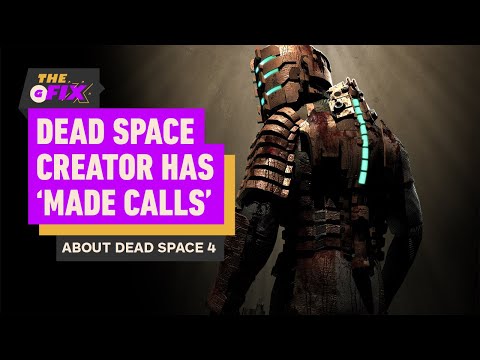 Dead Space 4 Could Happen Under New EA Ownership, Series Creator "Making Calls" - IGN Daily Fix