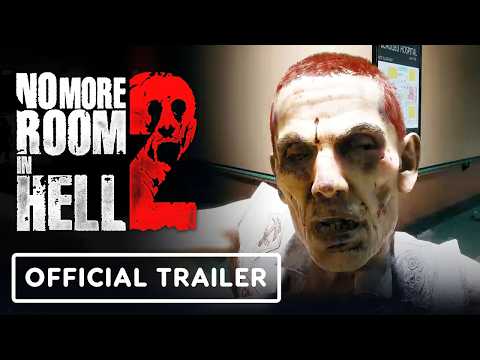
No More Room in Hell 2 – Official Version 1.0 Launch Trailer

No More Room in Hell 2 leaves early access, and version 1.0 is available now on PC (Steam, Epic Games Store), PlayStation 5 (PS5), and Xbox Series X/S. Watch the No More Room in Hell 2 version 1.0 launch trailer for this co-op zombie shooter survival horror game to see brutal gameplay and more. Version 1.0 of No More Room in Hell 2 brings an 8-player co-op experience where high-stakes permadeath ensures every encounter with the undead is a fight for survival – and every victory is another step back from the brink of apocalypse. Additionally, Version 1.0 features new game modes, bug fixes, performance optimizations, and more.
#IGN #Gaming
No More Room in Hell 2 – Official Version 1.0 Launch Trailer
In the realm of independent survival horror, few titles manage to fuse tension, atmosphere, and cooperative grit as seamlessly as No More Room in Hell 2. The Official Version 1.0 Launch Trailer marks a watershed moment for the project, delivering a compact yet powerful preview of what players can expect when the doors finally swing open to a world overrun by the undead. This trailer, meticulously crafted to communicate both scale and stakes, serves as a high-impact invitation to a community of players who value teamwork, strategy, and a steady nerve.
Visuals and atmosphere take center stage from the opening frame. The trailer sets a relentless tempo: dimly lit urban environments, claustrophobic interiors, and a cityscape simmering with the hush of imminent danger. The lighting work is purposeful—high-contrast shadows carve out corridors of uncertainty, while the occasional flicker of neon signs and broken storefronts punctuates a landscape that feels both lived-in and perilous. The result is an immediate sense of immersion, a visual language that says: in this world, every corner could hide a threat, and every decision could be life or death.
What elevates this launch trailer beyond a mere teaser is its masterful conveyance of cooperative play. The footage foregrounds small-band encounters where players must coordinate, allocate resources, and adapt on the fly. Situational leadership, callouts, and clear role distribution are presented not as ideas, but as necessities for survival. This emphasis on teamwork aligns with the core promise of No More Room in Hell 2: that resilience is forged through collective effort, not solitary bravado.
The narrative thread of the trailer is deliberately lean, focusing on momentum over exposition. We glimpse the early stages of an outbreak, the scramble for safe routes, and the moment-to-moment decision-making that defines successful co-op play. The sound design reinforces this cadence: bone-chilling ambient noise, distant sirens, metallic scuffles, and the muffled thud of approaching danger create a sonic texture that keeps players alert and engaged without tipping into exploitative horror.
Mechanically, the trailer highlights refinements that players will recognize from the vertical slice of gameplay previously released to the community, while teasing enhancements that are expected in Version 1.0. Expect a balanced blend of stealth and confrontation, with a robust inventory system that rewards prudent planning and resourcefulness. The combat mechanics honor the franchise’s reputation for challenge, offering meaningful risk-reward dynamics that encourage careful engagement rather than reckless slashing.
From a production standpoint, the trailer demonstrates a refined art direction and polished performance that signal a mature stage in development. The pacing is controlled, with deliberate cuts that mirror the rhythm of a tense survival scenario. The on-screen text and audio cues are crisp, providing essential context without interrupting immersion. This balance between information and atmosphere is indicative of a thoughtful approach to onboarding new players while satisfying veterans who crave depth.
For players and communities following the project, the Version 1.0 Launch Trailer is more than a trailer—it’s a statement. It communicates that No More Room in Hell 2 aims to honor the legacy of the original while elevating it through more expansive environments, smarter AI, and more robust cooperative constraints. It invites players to anticipate a shared experience that rewards collaboration, strategic planning, and, above all, steady nerve under pressure.
Looking ahead, the launch trailer sets expectations for ongoing post-release support and content cadence. It signals a commitment to iterative improvements, community feedback, and the continued refinement of balance, accessibility, and replayability. For fans of the genre, this is an encouraging sign that the team intends to sustain momentum well beyond the initial rollout.
In sum, the No More Room in Hell 2 Official Version 1.0 Launch Trailer is a compact yet potent showcase: a visual and auditory invitation to a world where survival hinges on collective skill, strategic restraint, and unwavering focus. It establishes a clear throughline for the game’s identity, while leaving room for the surprises that seasoned players crave in the months following release.
24/7 Video Game
All the best video games, all the time. Watch no commentary gaming videos live and on demand. By Adrian M ThePRO the Game Professional.
Join The Pro Gamers Community
• You are a pro gamer! • Share your content! • Get discovered!
Join The Pro Gamers Community on social media or login to 24/7 Video Game and submit your posts right to this website.
Up Game Shop
New & used video games, consoles, handhelds, retro, and gaming merchandise. Up Game Shop has the latest and greatest video game deals on the internet.

















































































 In the world of high-stakes action cinema, few trailers manage to harness the kinetic energy of a full feature-length thrill ride while still promising the depth of a fully realized narrative. The official season trailer for Delta Force, titled Meltdown, does just that. It eschews noisy spectacle for precise, calculated storytelling that invites audiences to lean in, pay attention, and experience the tension long before the first showdown lands. From the opening frame, Meltdown establishes a tone that is both grounded and relentlessly intense. The cinematography leans into tight, controlled camera work that follows the protagonists through claustrophobic urban environments, where every hallway becomes a potential ambush and every corridor holds a choice that could tip the balance of the mission. The lighting favors stark contrasts—shadows that loom with meaning and highlights that illuminate the characters’ resolve—creating a visual language that communicates calm under pressure and the readiness to act when the moment demands it. The narrative rhythm of the trailer mirrors the urgency of modern counterterrorism narratives without sacrificing character nuance. We witness a core team whose dynamics are built on trust, training, and a shared sense of duty. The dialogue is economical but pointed, puncturing the veneer of cinematic bravado with lines that reveal strategic thinking, moral ambiguity, and a commitment to safeguarding innocent lives. This is not merely a sequence of explosive set-pieces; it is a study in disciplined execution under duress. Audiences will notice a deliberate audio design that pairs a restrained score with precisely placed diegetic sounds—the click of a safety, the whisper of a breath, the distant hum of electronics—that together form an acoustic texture as carefully calibrated as the choreography on screen. The soundscape underscores the trailer’s core message: actions carry consequences, and every decision must be weighed with the precision of a master tactician. The action sequence architecture in Meltdown avoids gratuitous excess in favor of narrative momentum. When the trailer pivots toward its most visually arresting moments—rapid entry, synchronized team movement, and the quiet crescendo of a countdown—these beats feel earned, not manufactured. The pacing respects the audience’s intelligence, ensuring that each blast of energy serves a larger strategic purpose within the story’s arc. Production design supports a world that feels lived-in and believable. The environments are meticulously realized: a blend of urban terrain, secure facilities, and command centers that read as operational hubs rather than cinematic props. The gear—plates, optics, comms—appears authentic, reinforcing engagement through credibility and attention to detail. At its core, Meltdown promises a Delta Force narrative that values resilience, leadership, and teamwork under pressure. It invites viewers to question what is required to prevent catastrophe and how far professionals must go to contain threats that collide with ordinary lives. The trailer’s closing moments offer a compelling hook: a moral crossroads that hints at the personal stakes beneath the mission’s exterior and suggests a season that will explore the cost of command. For fans of action cinema who crave restraint married to impact, Meltdown delivers a cinematic experience that is both aspirational and grounded. It is a reminder that in the world of elite operations, success hinges not on spectacle alone but on the discipline to execute with purpose when every second matters.