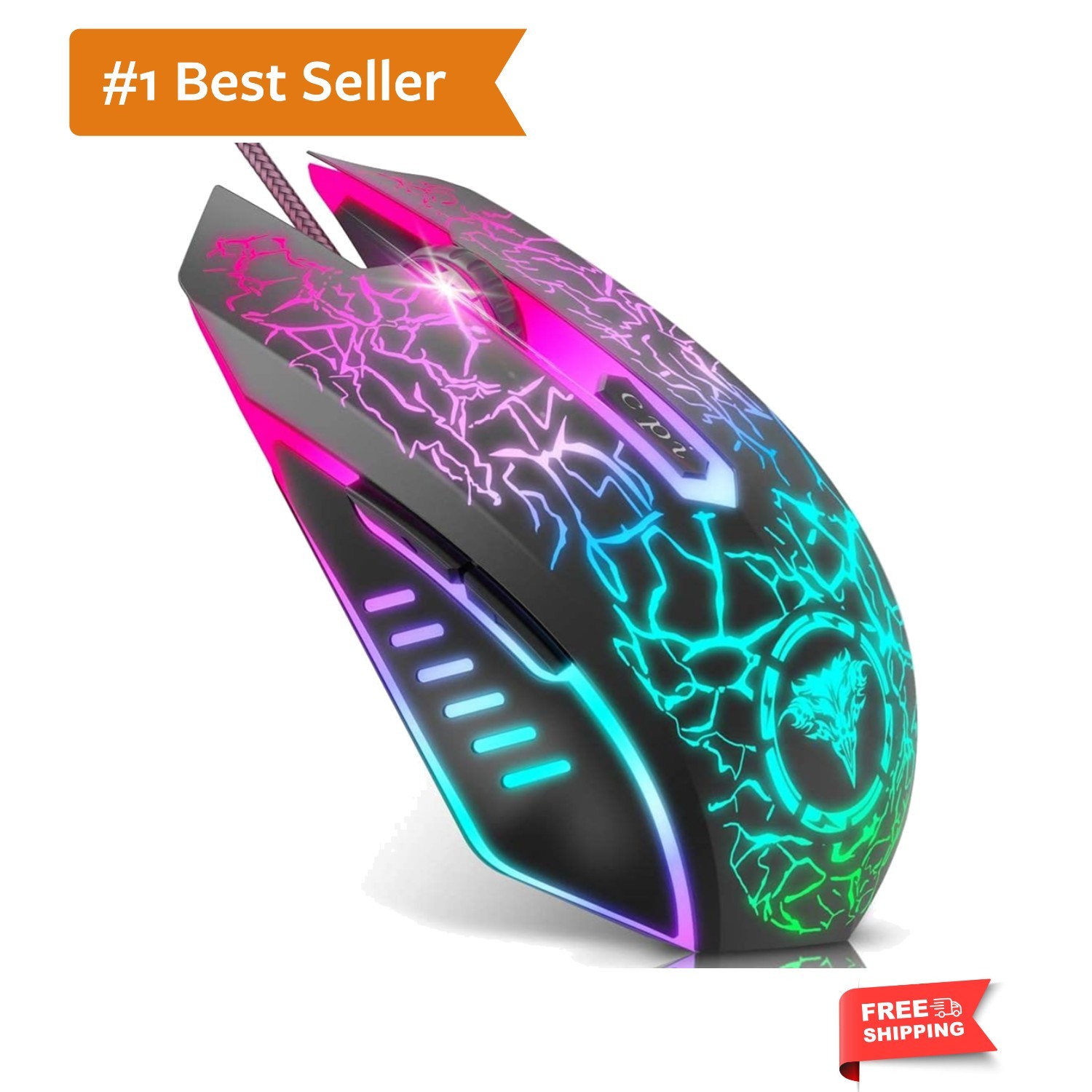
Seller: d-luxe (99.3% positive feedback) Location: US Condition: New Price: 20.99 USD Shipping cost:...

Seller: d-luxe (99.3% positive feedback)
Location: US
Condition: New
Price: 20.99 USD
Shipping cost: Free
Buy It Now
#Sponsored
via eBay: Gamer laptop https://www.ebay.com/itm/236923457592?_skw=Gamer+laptop+-%28Gaming+Laptop%29&hash=item3729bd1038%3Ag%3AO0oAAeSw8MZqTTai&mkevt=1&mkcid=1&mkrid=711-53200-19255-0&campid=5339144323&customid=&toolid=10049
Buy it on eBay
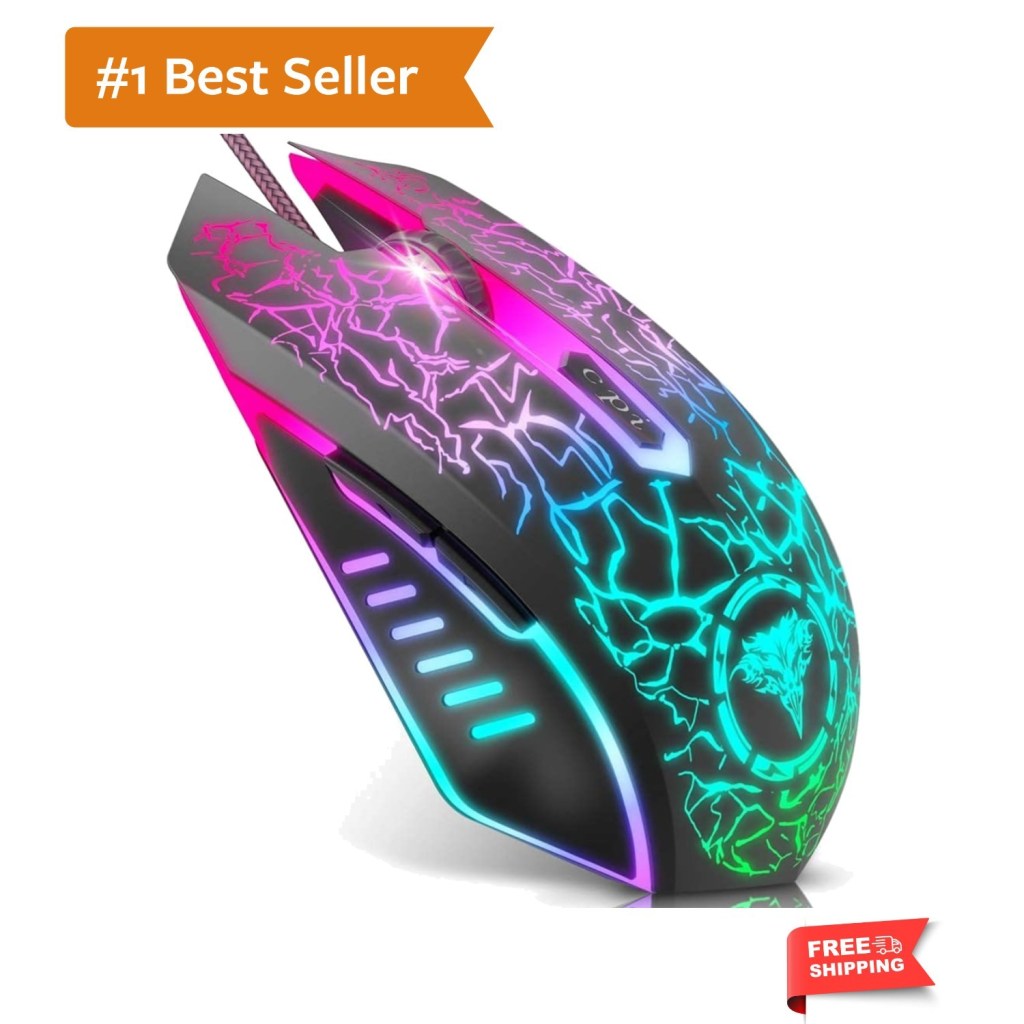
In the fast-paced world of gaming, the right input device can be the difference between a hard-fought victory and a frustrating defeat. A wired ergonomic gaming mouse designed for laptops and desktop PCs offers a reliable, high-performance solution that prioritizes comfort, precision, and customization. This article examines what to look for in an optical gaming mouse and how RGB lighting, build quality, and ergonomic design come together to enhance long-session play.
Why wired matters for gamers - Latency and reliability: Wired mice typically deliver lower latency and steadier performance than wireless alternatives, which is critical for first-person shooters, real-time strategy, and competitive titles. - Power consistency: With a constant power source, you don’t have to worry about battery life or connectivity drops during crucial moments. - Simplicity and compatibility: A wired connection minimizes setup complexity and tends to offer broader compatibility across different gaming laptops and desktops.
Ergonomics that support long sessions A comfortable grip and well-balanced weight distribution reduce strain during extended play. Key ergonomic considerations include: - Grip style compatibility: Whether you prefer palm, claw, or fingertip grip, select a shape that supports your natural hand posture. - Contoured housing: Gentle curves, sculpted thumb rests, and thoughtfully placed buttons can prevent fatigue and encourage precise movements. - Weight and balance: Some players benefit from adjustable weights or a modular chassis to tailor the feel to their personal preference. - Button placement: Proximity of primary and secondary buttons to the thumb and ring finger should allow rapid, repeatable clicks without hand repositioning.
Optical sensors and precision The heart of a gaming mouse is its sensor. Modern optical sensors offer high DPI ranges, low lift-off distance, and advanced tracking features. When evaluating an optical sensor, consider: - DPI range and reliability: A wide, stable DPI range (e.g., 400–16000 or higher) supports a variety of playstyles, from precise sniping to rapid camera panning. - In-game accuracy: Look for sensors with low jitter, high smoothness, and excellent acceleration control to ensure predictable movement. - Lift-off distance (LOD): A low and consistent LOD minimizes unintended DPI changes as you lift and re-acquire the mouse on the mouse pad. - CPI vs. DPI terminology: Be aware of marketing terms; ensure the sensor specifications meet real-world expectations.
Buttons, switches, and durability Durable switches and responsive buttons contribute to a reliable long-term experience. Consider: - Primary button feel: A crisp, tactile click with consistent actuation force improves reaction time and muscle memory. - Side and additional buttons: Programmable buttons should be easily reachable without compromising grip comfort. - Durability: Look for switches rated for tens of millions of clicks and high-quality internal components to withstand daily gaming use.
RGB and aesthetics without distraction RGB lighting can enhance the aesthetic appeal and provide functional cues, such as profile or DPI indicators. When evaluating RGB features: - Customizability: Software should offer per-button, per-zone lighting, while preserving performance and avoiding excessive power draw. - Synchronization: Some mice support syncing with motherboard or other peripherals for a cohesive system-wide look. - Practical cues: Subtle lighting for profiles and status indicators can aid in quickly identifying the active configuration during intense sessions.
Build quality and portability For gamers who switch between a laptop and a desktop setup, portability and durability matter: - Material quality: A robust, lightweight shell with a grippy texture helps secure handling across different surfaces. - Cable design: A high-quality braided cable with a coated connector reduces wear and tangling; some models feature detachable or reinforced cables for enhanced durability. - Pad compatibility: Choose a mouse with a shape and weight that perform well on common gaming surfaces, from low-friction pads to cloth and hard mice mats.
Software and customization ecosystem Effective software enables precise tailoring of performance and aesthetics: - Macro programming: Map complex actions or combos to a single button for faster in-game responses. - Profile management: Create and switch between multiple profiles for different games or users. - On-device memory: Some mice store configurations in onboard memory, allowing you to carry settings between machines without software installation.
Factors to consider when choosing the right model - Grip style and size: Ensure the silhouette suits your hand size and preferred grip to prevent fatigue. - Sensor performance: Prioritize models with credible sensor specs and positive user feedback in your game genre. - Wireless vs. wired trade-off: If latency is a critical factor, a wired model is generally preferable; for portability, a compact wireless option with strong battery life could be viable, though often priced higher. - Budget and value: Decide how much you’re willing to invest in a durable, ergonomic mouse with the features most important to you. Higher-end models often offer finer sensor precision, refined buttons, and expanded customization.
Conclusion A wired ergonomic gaming mouse tailored for laptops and PCs can significantly enhance accuracy, comfort, and control during long gaming sessions. By focusing on an ergonomic shape, a responsive optical sensor, durable switches, thoughtful button placement, and meaningful RGB customization, players gain a reliable tool that complements their skills rather than countering them. When selecting a model, prioritize how it feels in your hand, how it performs on your preferred surface, and how well the software supports the exact capabilities you need for your games.