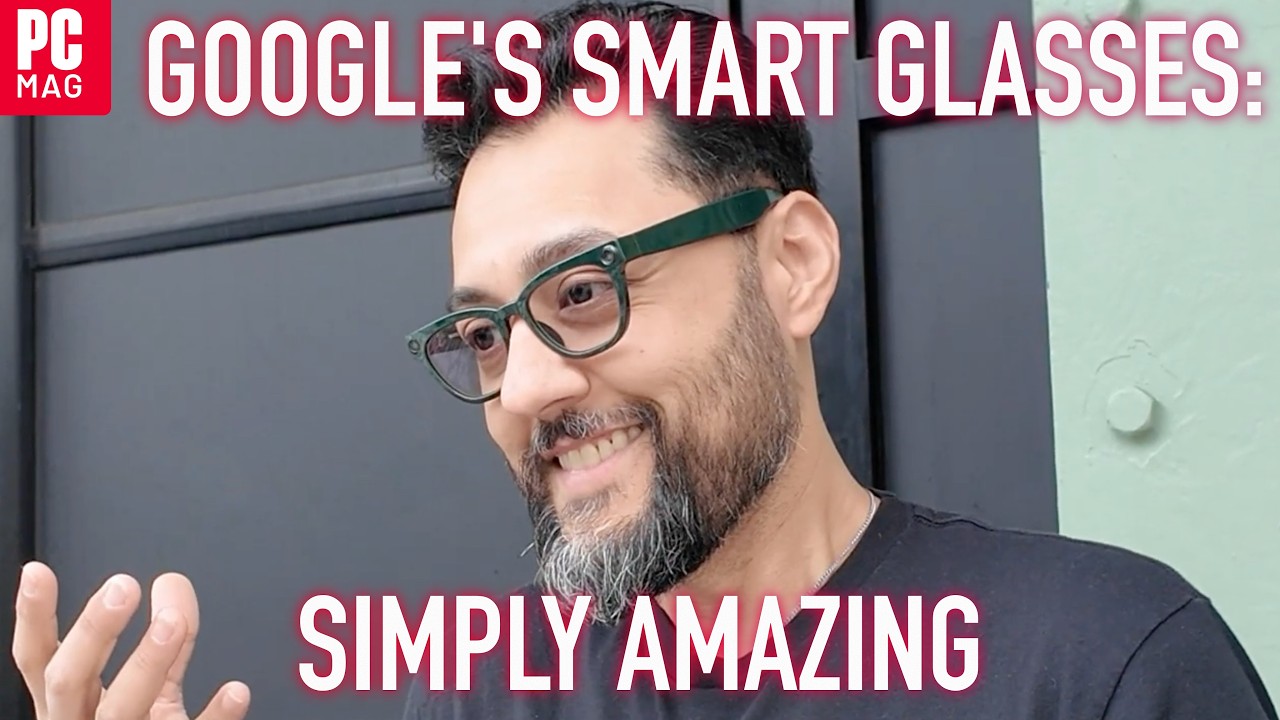
Google’s Smart Glasses Deserve More Than a Nickname
Smart glasses have spent years fighting an image problem: too often, they looked like a gadget searching for a reason to exist. Google’s new Intelligent Eyewear, developed with Warby Parker and Gentle Monster, makes a more persuasive case. Beneath the frames’ everyday style is a practical ambition—put useful assistance within reach without turning every moment into a phone-checking ritual. The familiar “pervert glasses” label may linger, but this design is aiming for something far more considered: wearable AI that feels natural.
Gemini Steps Into Everyday Life
The most compelling test for eyewear like this is not a flashy demonstration; it is the unremarkable business of getting through a day. While cooking, navigating, or trying to identify an unfamiliar object, the glasses put Gemini in a position to answer questions in context. That hands-free quality is the point. Instead of stopping to unlock a screen, a wearer can ask for help and keep moving—a small shift that could make Google’s AI assistant feel less like an app and more like a quiet companion. The idea also reflects a broader push toward ambient computing, a concept explored across the wider smart-glasses market.
Translation That Travels With the Conversation
Real-time language assistance may be the feature that makes the technology click for people beyond early adopters. When translation happens through eyewear, it can help a traveler follow an exchange without constantly shifting attention between another person and a phone. That does not make language barriers disappear, and the experience still depends on how well the system understands the moment. But the promise of on-the-go translation is easy to grasp: technology that supports a conversation rather than taking it over. It is a natural extension of tools such as Google Translate and the broader Google ecosystem.
Privacy Is Part of the Design, Not an Afterthought
Any eyewear with a camera or AI features invites an immediate question: what can other people see, and when is the device listening or recording? Those concerns cannot be brushed aside as a footnote. Smart glasses operate in shared spaces, where the comfort of the wearer has to be balanced against the privacy of everyone nearby. Clear signals, thoughtful controls, and transparent policies matter as much as clever features. Google’s challenge is to make responsible use feel built into the product, while addressing the questions raised by Google’s privacy and support resources and by ongoing public discussions about privacy in everyday technology.
The Real Test Is Whether the Intelligence Earns Its Place
Smart glasses still have to justify their cost, comfort, and place in a crowded lineup of devices. The strongest argument for Google’s approach is not that it can do everything a phone can; it is that it may make a handful of useful tasks easier at exactly the right moment. Cooking help, object recognition, navigation, and translation offer a clearer purpose than novelty alone. The partnership with Warby Parker and Gentle Monster also recognizes that eyewear has to look and feel wearable before its technology matters. For readers weighing the category, PCMag’s smart-glasses guide offers a useful comparison, while Google’s official blog provides a window into the company’s broader ambitions. The most encouraging takeaway is simple: the intelligence finally has a job to do.