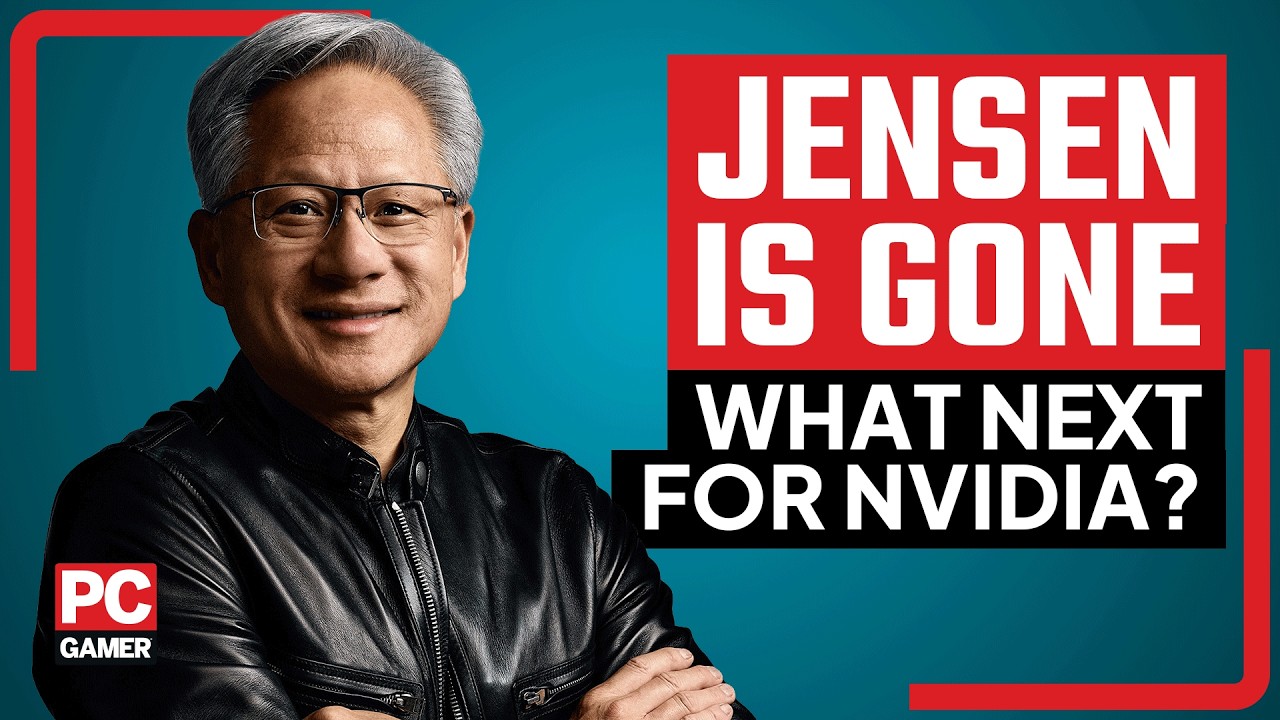
A corporate crisis rarely arrives as a single headline. In the account laid out by PC Gamer, Jensen Huang’s reported resignation from Nvidia’s top roles is the climax of a story that sprawls across export controls, alleged chip smuggling, personal controversy, and mounting pressure from investors and lawmakers. The stakes are unusually high: Nvidia is not just a hardware company, but a central force in the AI boom and a pillar of the PC gaming industry. For context on the company’s reach, see Nvidia’s official site and Reuters’ technology coverage.
A resignation with far-reaching consequences
The video’s opening frames Huang’s departure as a dramatic turning point, with the CEO role only one part of the story: it says he also left the presidency and board. Yet the supplied description offers a list of subjects and timestamps rather than supporting documents or independent confirmation, so claims about the resignation and the allegations surrounding it should be treated as reported claims, not established facts. That distinction matters when a story concerns a public company and a figure whose decisions affect global markets. Nvidia’s investor-relations page and the SEC’s company filings search are useful places to check formal announcements.
Export controls turn chips into geopolitical flashpoints
At the center of the account is a conflict that has been building for years: governments want to limit the flow of advanced chips to strategic rivals, while companies face pressure to sell into enormous markets and comply with shifting rules. The video connects those tensions to alleged smuggling and to a person identified in its description as Alice Huang, but supplies no evidence that would establish the claims. The broader issue is real and consequential: export controls can reshape product lines, supply chains, and access to computing power. Background on the policy landscape is available from the U.S. Bureau of Industry and Security and the Council on Foreign Relations.
Personal allegations collide with corporate scrutiny
The timeline also says a congressional hearing included a statement about an affair, then points to a second alleged affair and calls for Huang to step down. Such material can dominate headlines, but it should not be conflated with proof of corporate wrongdoing: personal allegations and questions about governance require different standards of evidence. The video’s references to class-action lawsuits and internal memos raise another set of questions—what was disclosed, when it was disclosed, and whether investors were misled. Those issues depend on records and court filings, not speculation; readers can follow developments through CourtListener and Reuters’ legal coverage.
Markets remember the crypto boom
A sharp share-price drop, as described in the video, would make the company’s troubles impossible to separate from the broader market mood. Nvidia’s fortunes have repeatedly been tied to waves of demand for its processors, from gaming graphics to cryptocurrency mining and, more recently, AI infrastructure. The comparison with the crypto-mining boom is instructive: surging demand can make a business look unstoppable, while a sudden reversal exposes how quickly expectations can change. For a window into the industry’s cycles, The Verge’s technology coverage and Tom’s Hardware track the products and market forces behind the headlines.
What comes after Huang
The video closes by looking toward export restrictions, tariffs, and a search for a successor—issues that would test any leadership team, especially at a company operating at the intersection of consumer hardware and geopolitical strategy. If the reported resignation is confirmed, Nvidia would face the challenge of reassuring employees, customers, regulators, and investors while maintaining momentum in a fiercely competitive sector. If it is not confirmed, the episode still illustrates how quickly leadership rumors can become market-moving narratives. Until reliable documentation clarifies what has happened, the most responsible approach is to separate verifiable corporate statements from allegations and speculation, using Nvidia’s newsroom and the SEC as primary sources.