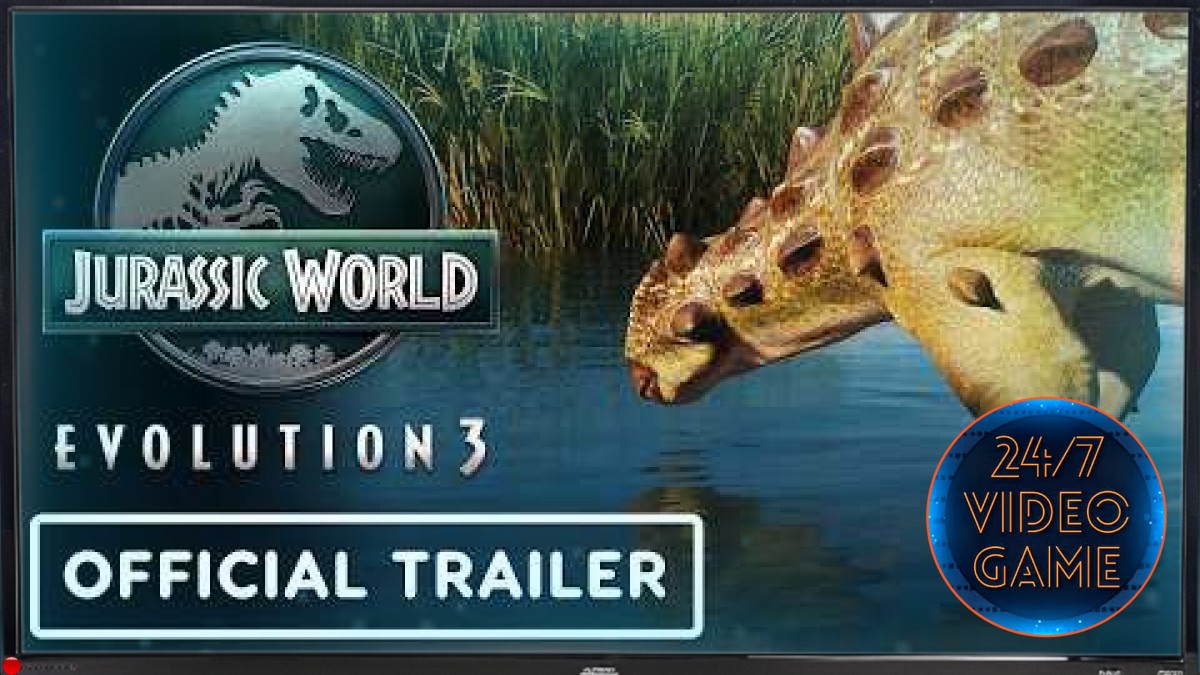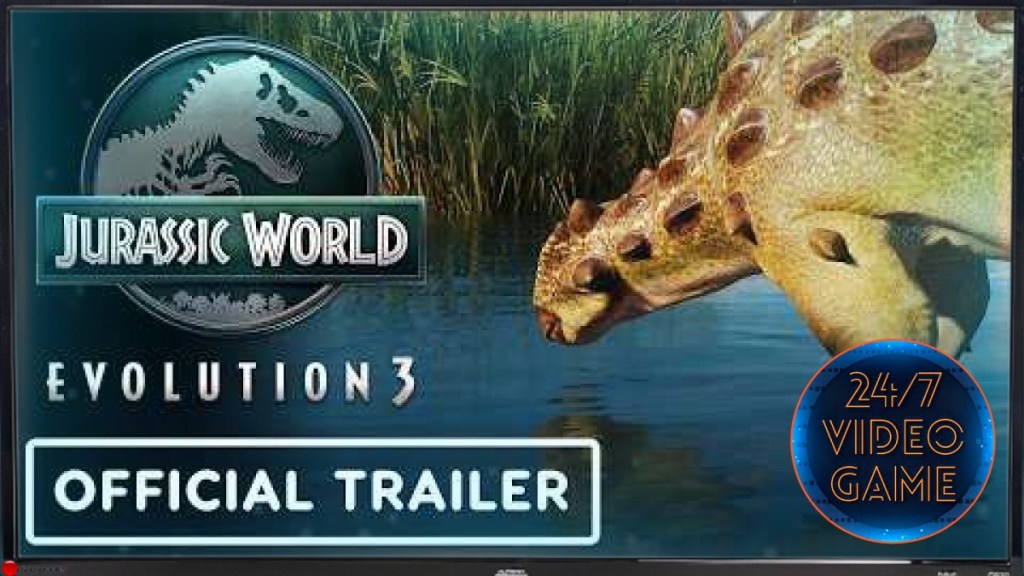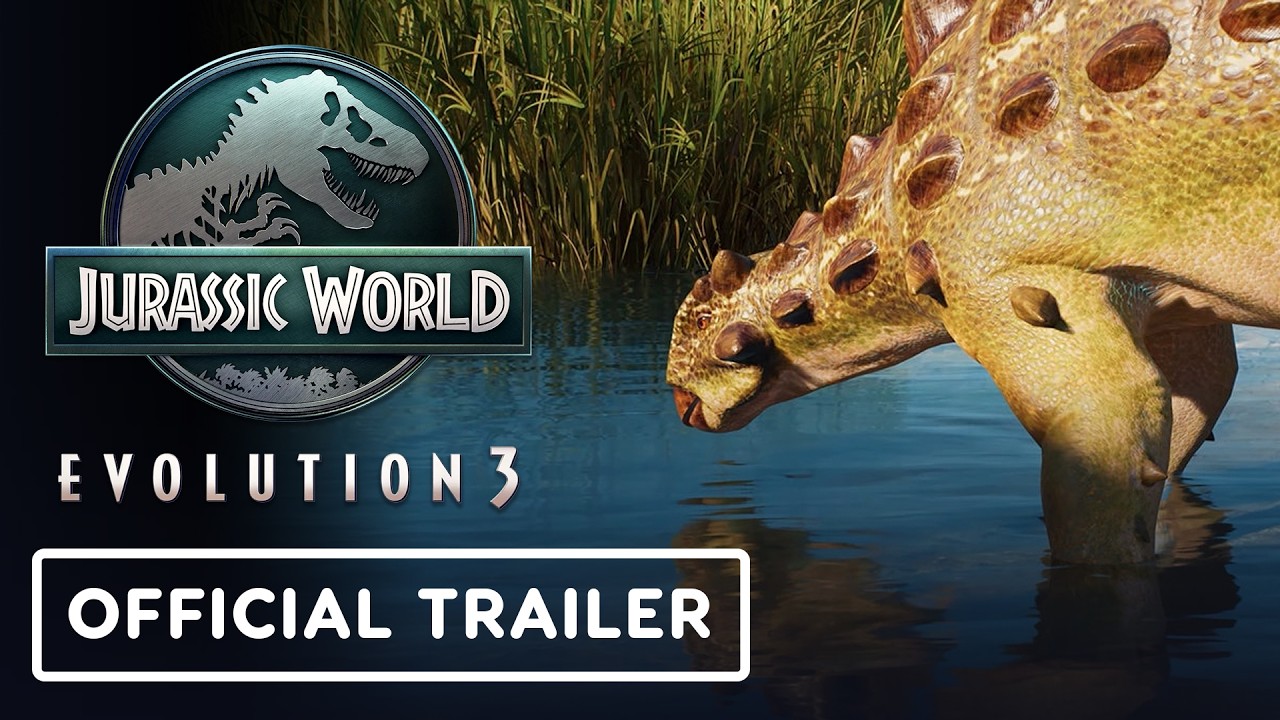
The latest Jurassic World Evolution 3 showcase turns its attention to two very different kinds of prehistoric presence. The Euoplocephalus brings the appeal of a heavily armored herbivore, while the towering Camarasaurus offers the gentle, long-necked spectacle that can make a park feel truly alive. Their family units are now available in a free update, adding new ways to bring these species into the prehistoric habitats players create. Learn more about the game at the official Jurassic World Evolution site and explore the dinosaurs’ real-world history through Britannica’s dinosaur overview.
Euoplocephalus Brings Armor and Character
Euoplocephalus has always looked built for a world where survival meant being prepared. Its low-slung body and protective armor give it an unmistakable silhouette, and the trailer’s focus on a family unit shifts the emphasis from a single impressive animal to a group with a place in the park’s living ecosystem. That added dimension suits a management game where dinosaur behavior and habitat design are as important to the fantasy as the viewing platforms. For background on the species, see Euoplocephalus’s scientific profile and the Natural History Museum’s dinosaur directory.
Camarasaurus Makes the Landscape Feel Bigger
Where Euoplocephalus commands attention close to the ground, Camarasaurus changes the scale of everything around it. Its towering neck and substantial frame make it a natural centerpiece, and seeing the species presented as a family unit gives the park a warmer, more dynamic sense of life. The trailer’s pairing of these two dinosaurs highlights the variety that helps a carefully planned enclosure feel like a habitat rather than a display case. More about the animal can be found at Camarasaurus’s species page and in the Natural History Museum’s dinosaur directory.
Juveniles Put Generations at the Heart of the Park
The showcase also points to one of the game’s defining features: the series debut of juvenile dinosaurs. Raising generations changes the emotional texture of park management, giving players more to consider than fences, facilities, and visitor flow. A family group can make an enclosure feel like a small piece of a larger prehistoric world, while the practical challenge remains familiar—designing a safe, compelling environment that works for animals and guests alike. The game’s wider creative ambitions are outlined at the official game website, while Frontier Developments provides information about the studio behind the series.
A Free Update With Room to Roam
Available now on PC, PlayStation 5, and Xbox Series X|S, Jurassic World Evolution 3 invites players to build parks across the globe and shape their own version of Jurassic World. The Euoplocephalus and Camarasaurus family units add fresh personality to that creative toolkit without a separate purchase, making this free update a welcome reason to revisit an existing park—or start a new one. For the latest game details, visit the official Jurassic World Evolution site or check Frontier’s official website.