A softer kind of gaming nostalgia
Cozy Game Restoration makes a humble promise: slow down, pick up a treasured old game, and give it the care it deserves. In its launch trailer, the cleaning-simulation game from Parasol Corp. centers on tactile little rituals—peeling away stubborn stickers, dusting cartridges, and tending to physical games that carry memories beyond their plastic shells. The premise sits comfortably alongside the broader appeal of cozy games, where satisfaction comes less from pressure than from thoughtful, hands-on routines. It also taps into the history of video games as objects people collect, keep, and revisit.
Every cartridge has a past
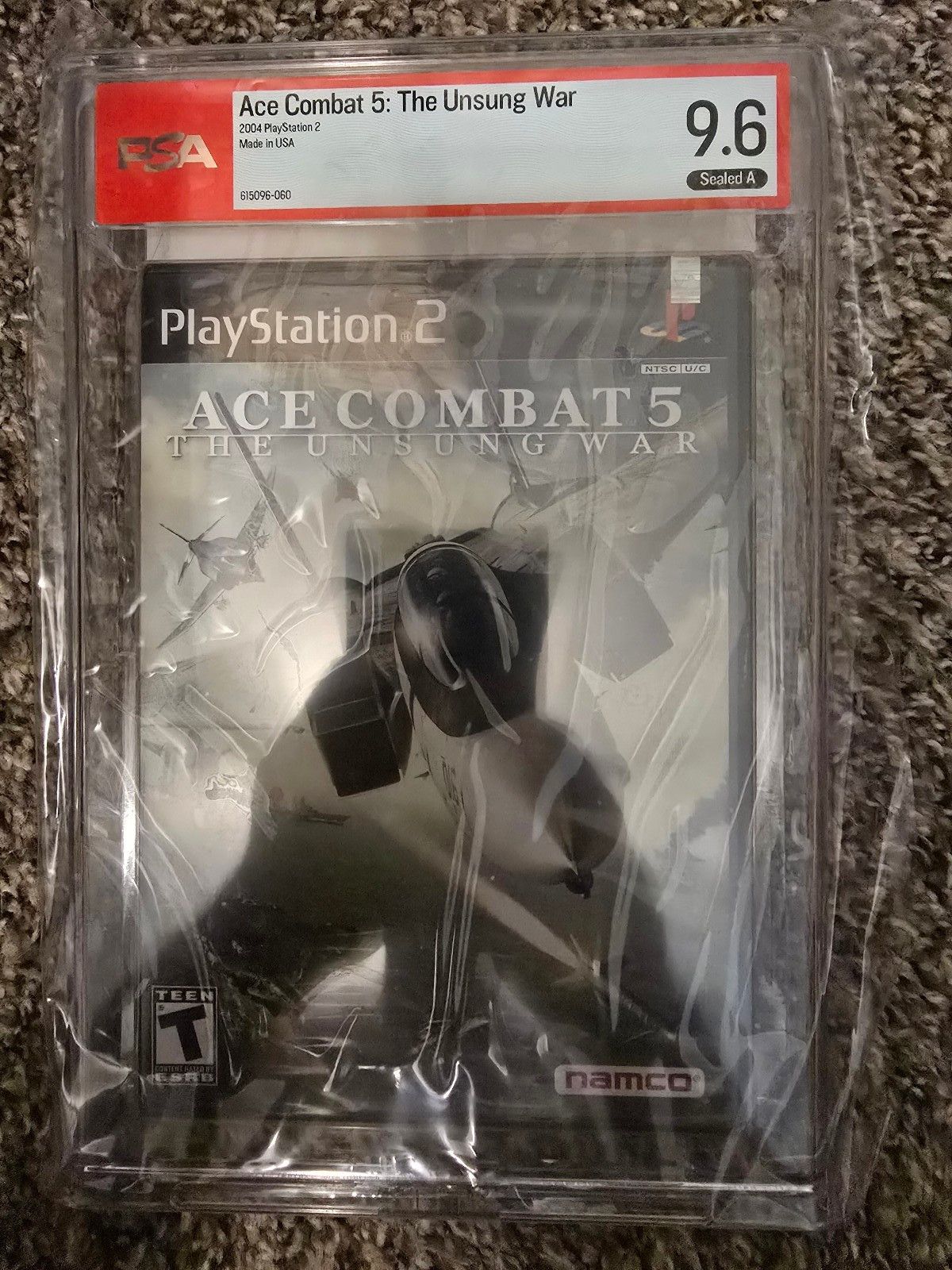
The work shown in Cozy Game Restoration is small in scale but rich in implication. A sticker can conceal a name, a dusty cartridge can suggest years in a box, and a careful cleanup can make an old favorite feel ready for another spin. That attention to physical media gives the game a natural connection to video game collecting, where condition and provenance often matter as much as the title itself. It also recalls the care taken to preserve aging technology, a subject explored by organizations such as the Strong National Museum of Play.
The pleasure of taking things slowly
Rather than framing restoration as a race, the trailer presents it as a calming sequence of deliberate actions. That measured pace could make cleaning and repair feel rewarding in their own right, turning familiar maintenance into the game’s central pleasure. The approach belongs to a wider design tradition that values low-pressure play, from life-simulation favorites to the growing range of relaxing games featured by IGN. For players drawn to the nostalgia of cartridges and consoles, Polygon has also chronicled how games can become part of personal history, not just entertainment.
Restoring memories, one game at a time
Now available for PC on Steam, Cozy Game Restoration offers a warmly specific fantasy: the chance to care for the artifacts of a gaming past, even when the memories attached to them belong to someone else. Its appeal may lie in that balance between practical detail and emotional suggestion—the satisfying removal of grime alongside the quiet possibility that a rescued game has a story waiting to be remembered. Players can find the release on Steam and learn more about the medium’s preservation challenges through the Video Game History Foundation.