 247videogame
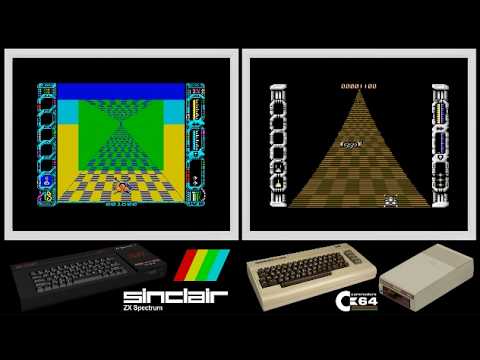
 ZX Spectrum vs C64 : ELIMINATOR (Side by side comparison)

A side by side comparison of Eliminator for the ZX Spectrum and the Commodore 64. Left video = Left speaker. Right video = Right speaker. On your device set left/right audio balance to 0, if you want only audio from one version.
ZX Spectrum vs C64 : ELIMINATOR (Side by side comparison)
The ZX Spectrum and the Commodore 64 are two pillars of 1980s home computing, each shaping an era with distinct philosophies, hardware choices, and cultural footprints. In this side-by-side examination, we’ll compare their core architectures, performance characteristics, development ecosystems, and lasting legacies to understand how they each earned a place in computing history.
1) Hardware Foundations – CPU and Clock Speeds: • ZX Spectrum: Zilog Z80A at 3.5 MHz. This modest clock speed was paired with a compact, budget-focused design that emphasized cost and energy efficiency over raw horsepower. • Commodore 64: MOS Technology 6510 (a derivative of the 6502) at approximately 0.985 MHz, with a synchronized memory fabric that included a generous baseline RAM configuration. In practice, the C64’s memory bandwidth and integrated peripherals gave it a more robust, multi-faceted performance profile.
- Memory and Graphics: • ZX Spectrum: 16KB or 48KB RAM configurations were common, with a simple, character-based display system. The graphics engine was tightly coupled with memory layout, often resulting in distinctive color clash and a more programmer-driven approach to graphics. • Commodore 64: 64KB RAM, with a sophisticated VIC-II graphics chip and a powerful SID sound chip. The VIC-II supported sprites, smooth borders, and hardware-assisted color handling, enabling more ambitious visuals for the era.
-
I/O and Expansion: • ZX Spectrum: Expansion largely relied on edge connectors, with third-party peripherals like printers and tape interfaces. The design favored compactness and affordability. • Commodore 64: A rich ecosystem of peripherals—disk drives, printers, modems, and joysticks—was readily available, driven by a modular, open approach to peripheral integration.
2) Software and Development Experience – Programming Paradigms: • ZX Spectrum: Enthusiasts often wrote in Sinclair BASIC, with a vibrant emphasis on clever, memory-efficient code due to hardware constraints. Assembly language was commonly used to push the system further. • Commodore 64: A broader software base spanned games, productivity, and utilities. BASIC remained a starting point, but many developers moved quickly to highly optimized 6502/6510 assembly to extract more performance.
- Game and Demo Culture: • ZX Spectrum: A prolific library of text adventures, arcade-style titles, and a wave of innovative indies. The machine’s quirks—color clash, border effects, and fast-twitch loading methods—became a canvas for creativity. • Commodore 64: The C64 dominated with a vast catalog of games, demos, and commercial software. Its hardware acceleration in graphics and audio made it a favorite for developers who aimed for high polish and broad appeal.
3) Performance in Practice – Real-World Responsiveness: • ZX Spectrum: For many tasks, the system felt snappy and responsive due to efficient use of limited resources. The cost-to-performance ratio was appealing for hobbyists and education alike. • Commodore 64: The C64 often delivered a richer multimedia experience, with more elaborate graphics and sound, thanks to its dedicated chips and larger memory pool.
- Reliability and Ecosystem Matches: • ZX Spectrum: The ecosystem thrived on affordability, rapid prototyping, and a strong culture of magazine-driven programming and user-created content. • Commodore 64: A mature market with robust third-party support, widespread peripherals, and established distribution channels, which helped sustain a vibrant ongoing software pipeline.
4) Legacy and Influence – Cultural Footprint: • ZX Spectrum: A symbol of accessible home computing in the UK and Europe, known for its distinctive keyboard design, bold color palettes, and a generation of hobbyist programmers. • Commodore 64: A global icon of 8-bit computing, renowned for its versatility, built-in features, and the enduring appeal of its software library.
- Technological Impact: • ZX Spectrum: Demonstrated that cost-conscious design could unlock broad participation in computing, influencing educational programs and maker culture. • Commodore 64: Proved that integrated peripherals and powerful graphics/audio could redefine what an 8-bit machine could achieve, informing future generations of home computers and game consoles.
Conclusion Both machines embody distinct philosophies of the 8-bit era: the Spectrum’s elegance through constraint and risktaking, and the C64’s ambition through integrated capabilities and a thriving peripheral ecosystem. For historians and enthusiasts, exploring these machines side by side reveals how design choices—CPU performance, memory architecture, graphics and sound capabilities, and ecosystem maturity—shape not only how software is written, but how communities form, stories are told, and technology endures.
24/7 Video Game
All the best video games, all the time. Watch no commentary gaming videos live and on demand. By Adrian M ThePRO the Game Professional.
Join The Pro Gamers Community
• You are a pro gamer! • Share your content! • Get discovered!
Join The Pro Gamers Community on social media or login to 24/7 Video Game and submit your posts right to this website.
Up Game Shop
New & used video games, consoles, handhelds, retro, and gaming merchandise. Up Game Shop has the latest and greatest video game deals on the internet.

Discover more from 24/7 Video Game
Subscribe to get the latest posts sent to your email.