A familiar forest, seen in a new light
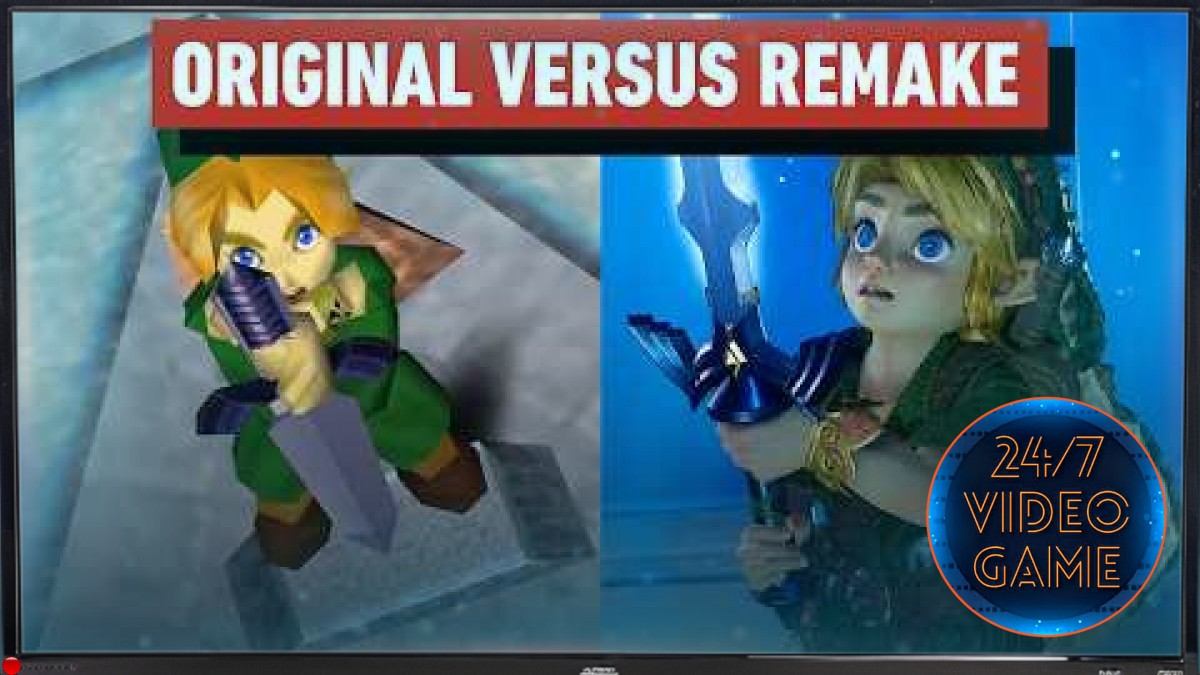
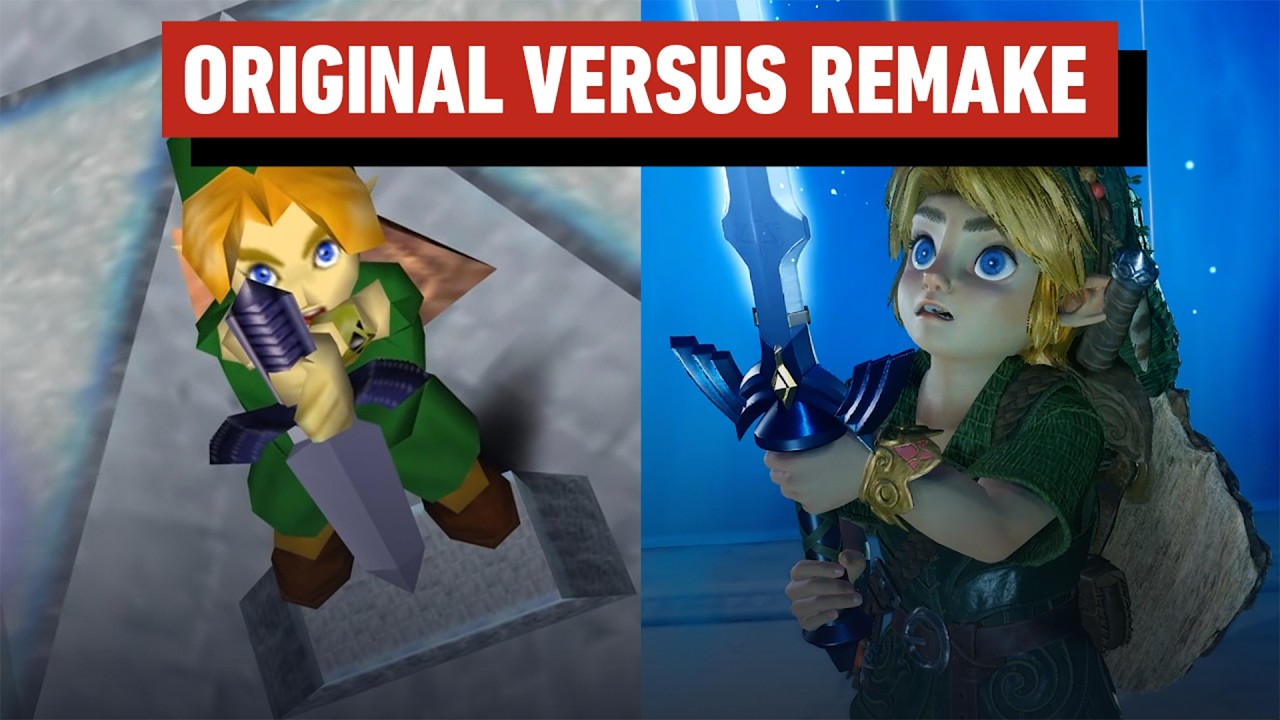
Few opening scenes in gaming carry the instant warmth of Kokiri Forest, where a young Link’s adventure begins among leafy paths, wooden homes, and the friendly bustle of the Kokiri. A side-by-side look at the Nintendo 64 original and the Switch 2 remake makes the passage of time tangible: refreshed character models, richer environmental textures, upgraded lighting, and smoother performance bring new definition to a place many players can picture from memory. The 1998 classic remains unmistakable, while the Nintendo Switch 2 presentation gives its familiar world a more polished, modern sheen.
Ocarina of Time’s dungeons get room to breathe
The real test for any visual overhaul is whether it serves the journey, not just the screenshots. Across temples and dungeons, the comparison highlights how updated surfaces and lighting can make ancient halls feel more atmospheric, sharpening the contrast between shadowy corners and illuminated routes. Those details matter in a game built around observation and exploration: a room should feel like a place to read, navigate, and uncover, rather than a backdrop. The game’s enduring design gives the refreshed environments a strong foundation, while Nintendo’s hardware offers a contemporary canvas for Hyrule’s most memorable spaces.
New detail for old enemies and familiar heroes
Character and enemy redesigns provide some of the most immediate points of comparison. The remake’s overhauled models give familiar figures more definition, while revised textures help the world feel less like a collection of angular N64-era shapes and more like a cohesive fantasy landscape. Yet the original’s stylized simplicity has its own charm; its visual language is inseparable from the game’s identity and the memories attached to it. That tension between nostalgia and reinvention is part of the appeal, echoing the broader history of The Legend of Zelda and the continuing conversation around game remakes.
Ganondorf remains the final word
All roads lead to the confrontation with Ganondorf, the climactic encounter that gives the comparison its biggest dramatic showcase. Updated effects, stronger lighting, and improved performance can lend the final battle greater scale, but spectacle alone cannot replace the tension built by the original adventure. The appeal lies in seeing how a modern presentation can amplify a scene whose power already comes from its stakes and setting. Taken together, the boss fights, dungeon journeys, and Hyrule locations show how much visual craft has changed since 1998—and how enduring the game’s underlying identity remains. For more background on the original, visit Britannica’s overview and the game’s history.