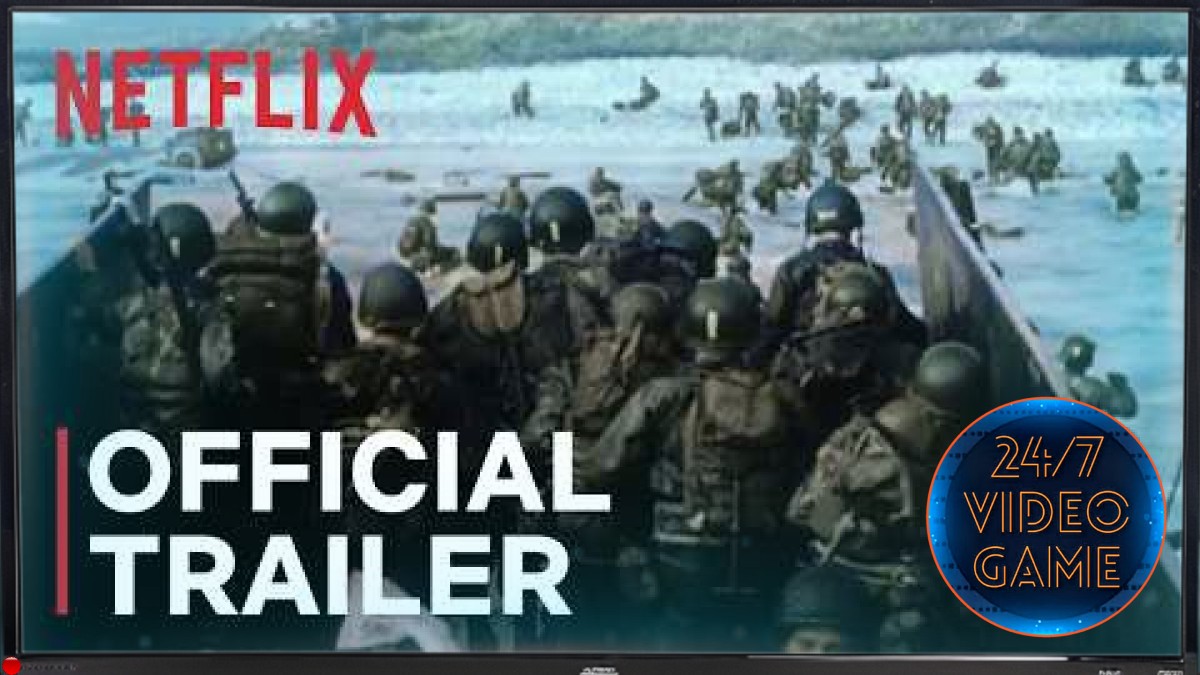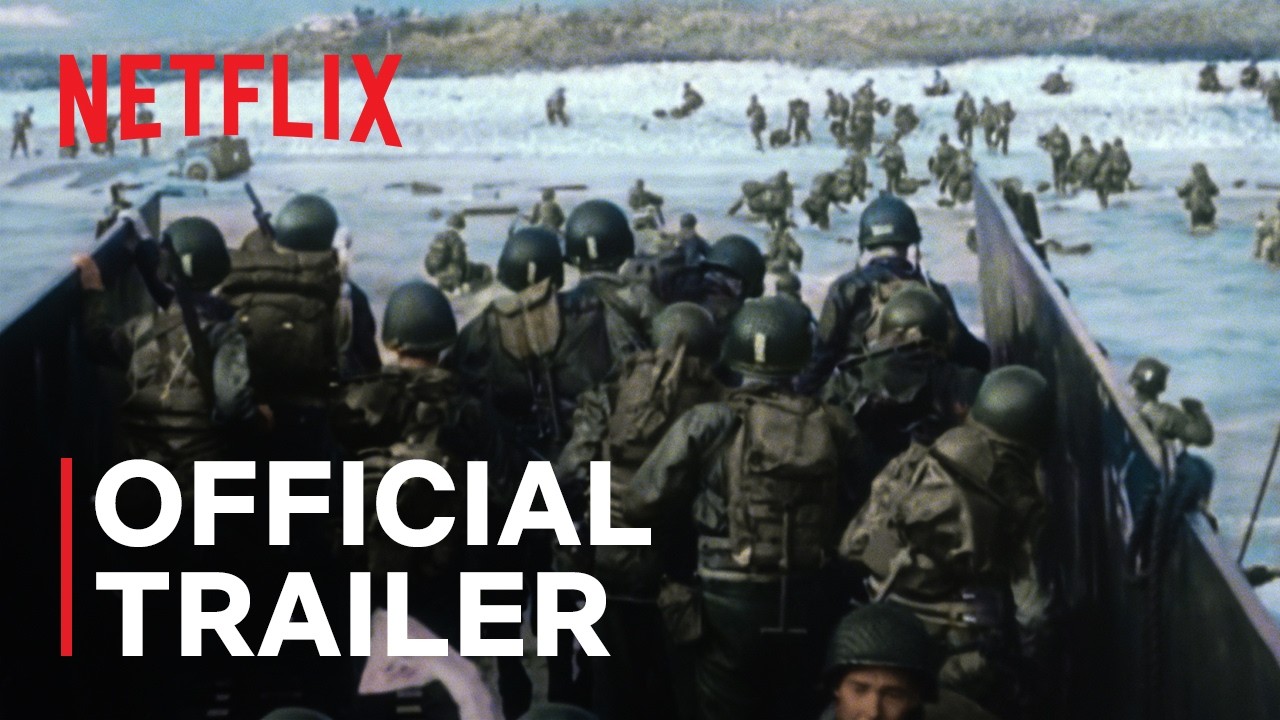
War documentaries often begin with familiar milestones, but World War II Behind Enemy Lines promises a closer, more personal route through history. Its trailer frames the story around one U.S. Army unit, following its battles, bravery, and covert missions from D-Day to V-E Day. Rather than surveying the entire conflict, the series focuses on the experiences of soldiers moving through it—an approach that gives the immense scale of the war a human point of entry. The documentary is available through Netflix, while the wider history of the conflict can be explored through the National WWII Museum.
A Familiar War Seen Through Unfamiliar Images
The trailer’s most striking promise is visual: never-before-seen restored footage offers a chance to encounter World War II beyond the images that have circulated for generations. Restoration can make archival material feel newly immediate, revealing details that time, damage, or poor reproduction may have obscured. The footage is paired with rare firsthand accounts, grounding the historical record in the memories of people who lived through its events. For context on D-Day, the Imperial War Museums provides a detailed overview, while the Encyclopaedia Britannica traces the invasion’s place in the Allied campaign.
One Army Unit and the Long Road to Victory
By following a single unit from D-Day to V-E Day, the series can turn a sweeping timeline into a connected journey. The description points to both battlefield engagements and covert missions, suggesting a portrait of military service that encompasses more than frontline combat. That focus leaves room for the tension between planning and uncertainty, and for the everyday decisions that shaped a unit’s experience of war. The U.S. Army’s official site offers broader insight into the institution’s history, while the National WWII Museum’s articles provide additional perspectives on the conflict’s campaigns and people.
Personal Testimony Gives the Archive Its Voice
Rare testimony can change the feel of a historical documentary. Dates and campaign maps establish where events happened; firsthand memories can convey what those moments meant to the people caught inside them. In World War II Behind Enemy Lines, those accounts are positioned alongside restored archival images, creating a dialogue between recorded evidence and lived recollection. That combination offers a compelling reason to watch for history-minded viewers and documentary fans alike. Netflix lists the title on its official viewing page, and the Library of Congress Veterans History Project preserves a wider collection of personal accounts from American service members.
A Compact Perspective on a Vast Conflict
The trailer presents a focused lens rather than a complete account of World War II, and that distinction is part of its appeal. A single unit’s path can make a vast, familiar history feel more immediate, while restored footage and firsthand voices give the story a texture that summary alone cannot provide. The series’ central promise is not simply to revisit famous dates, but to follow the people and missions connected to them. Viewers can find the documentary through Netflix and explore the broader historical record at the National WWII Museum.