Mortal Kombat Arrives in the Real World
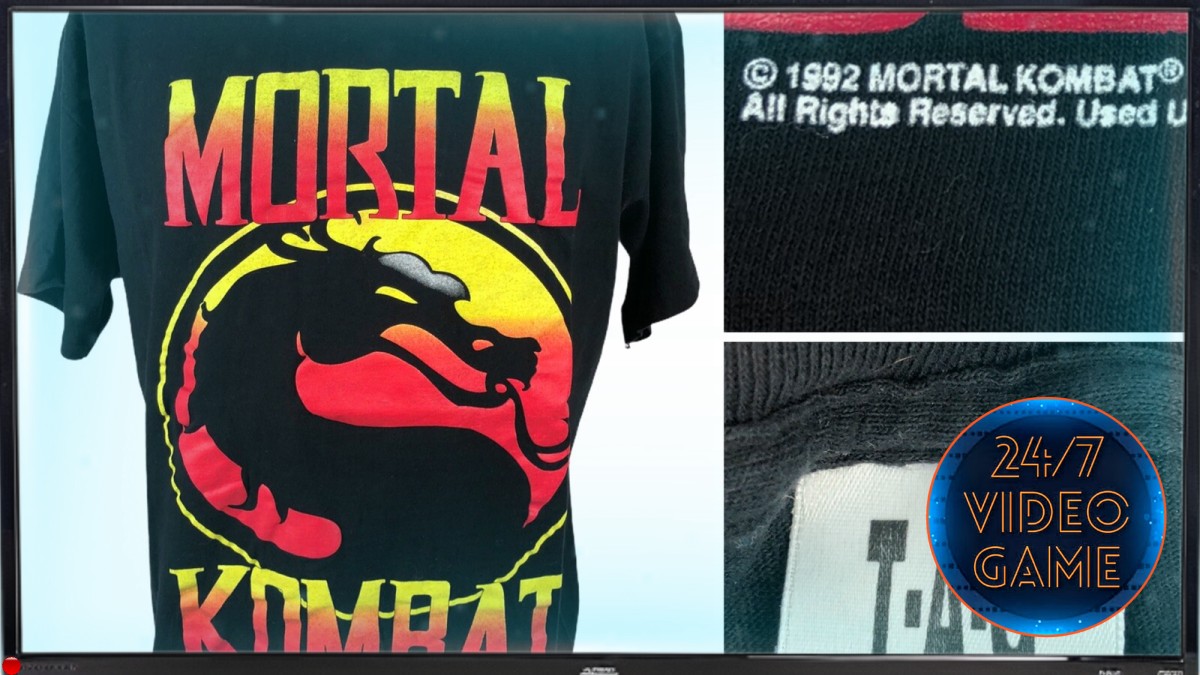
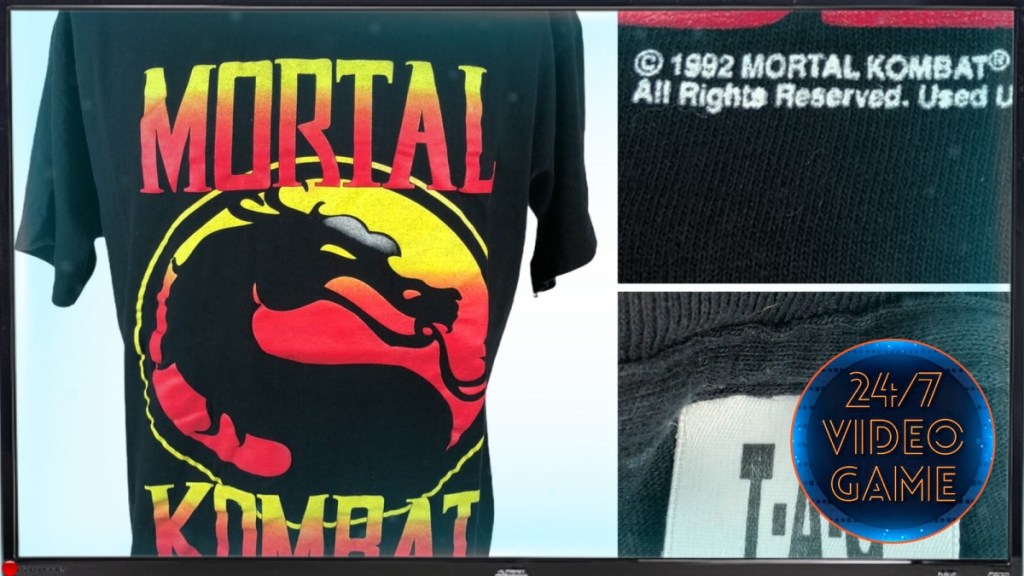
Some pieces of gaming history were made to be played; others were made to be worn. This vintage 1992 Mortal Kombat T-shirt, identified as an original Midway shirt in XL and made in the USA, belongs to the moment when the arcade phenomenon was bursting beyond the cabinet. The game’s mix of martial-arts spectacle and supernatural fantasy gave it an unmistakable identity, and its impact still echoes through the franchise’s history on Wikipedia and the series’ official Mortal Kombat website.
The Arcade Era, Printed in Cotton
In 1992, Midway helped bring a fighting game to arcades that felt louder, stranger, and more cinematic than its rivals. Players chose from a roster of sharply defined fighters, learned their moves, and discovered the dramatic finishing sequences that quickly became part of gaming folklore. A shirt from that year offers a tactile connection to that early era—an artifact of the culture that grew around the game, rather than just another piece of licensed apparel. The original release is documented by the game’s Wikipedia entry, while IGN’s Mortal Kombat coverage traces the franchise’s enduring presence in games.
A Vintage Find with Arcade Character
The appeal of a vintage game shirt is partly about design, but it is also about the stories carried by an object that has outlasted its original moment. The listing describes this as an original XL, made-in-USA shirt, details that will matter to collectors weighing its period connection and wearability. Its 1992 date places it at the franchise’s beginning, when Mortal Kombat was still establishing the characters and visual language that would become instantly recognizable. For a wider look at how the game became a pop-culture touchstone, see Britannica’s overview and GameSpot’s Mortal Kombat coverage.
More Than Merch
For longtime fans, a shirt like this can evoke the ritual of feeding coins into an arcade machine, memorizing a favorite fighter’s attacks, and watching a crowd gather around a cabinet. For collectors, it represents a crossover moment when video games were becoming visible in everyday style, not just in bedrooms and arcades. That blend of nostalgia and cultural history is part of what keeps Mortal Kombat compelling decades later, alongside its evolving cast and competitive legacy. The franchise’s wider story can be explored through its official site and its long-running series history.