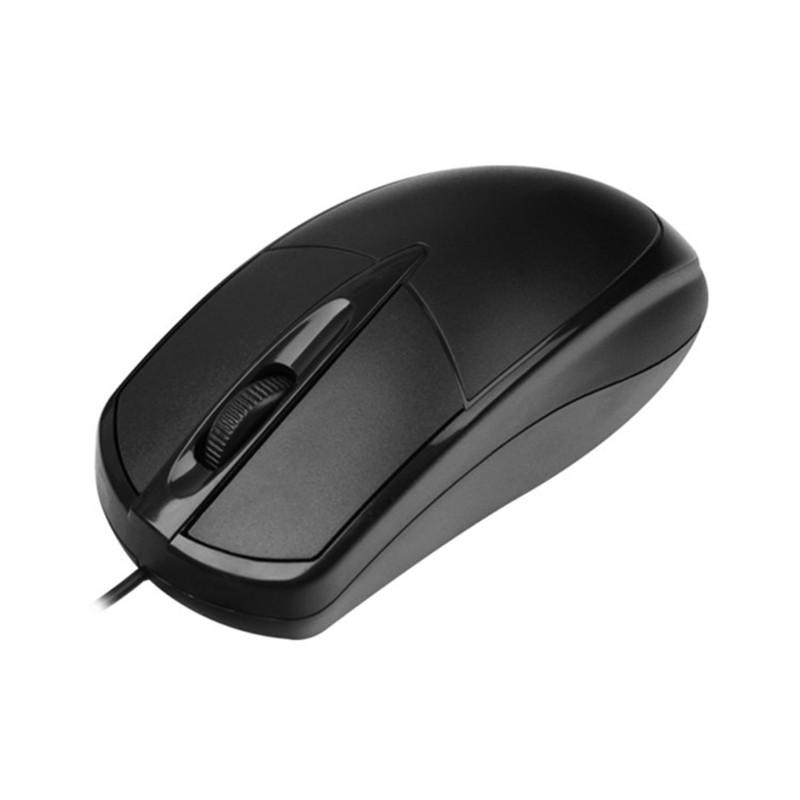
USB Wired Computer Mouse Gamer PC Laptop Notebook Computer Mouse Mice for Home
Seller: ge3s_sn (95.7% positive feedback)
Location: CN
Condition: New
Price: 10.71 USD
Shipping cost: 5.16 USD
Buy It Now
#Sponsored
via eBay: Gamer laptop https://www.ebay.com/itm/188711710244?_skw=Gamer+laptop+-%28Gaming+Laptop%29&hash=item2bf0182e24%3Ag%3A9g4AAeSwsFZqadTr&mkevt=1&mkcid=1&mkrid=711-53200-19255-0&campid=5339144323&customid=&toolid=10049

Compare Live Prices
Lore & Research Data
Partner Deals & Off-Topic
In an era where precision and comfort can define the quality of your daily computing, a dependable USB wired mouse remains an essential accessory for home setups. Whether you’re outfitting a gaming rig, a work-from-home workstation, or a casual laptop configuration, a wired mouse offers reliable, low-latency performance without the need for batteries or wireless interference. This guide highlights key considerations to help you select a USB wired mouse that pairs well with desktops, laptops, and notebooks used at home.
1) Why choose a USB wired mouse – Consistent performance: With a direct wired connection, you experience minimal input lag and stable tracking, which is especially beneficial for gaming, graphic design, and precise navigation. – No battery maintenance: Unlike wireless models, wired mice do not require charging, so you won’t experience unexpected outages during work or play. – affordability and durability: Wired mice generally provide robust builds at a lower price point, making them a smart long-term investment for multiple devices in a home setup. – cross-device compatibility: USB mice work across Windows, macOS, and Linux systems, making them versatile for PCs, laptops, and notebooks.
2) Key specifications to consider – Sensor type and DPI range: Optical and laser sensors are common, with DPI (dots per inch) indicating sensitivity. For home use, a DPI range of 800–3200 covers everyday navigation and gaming needs. Higher DPI is useful for high-resolution displays or precise tasks like design work. – Ergonomics and shape: Choose a design that fits your hand size and grip style (palm, claw, or fingertip). An ergonomic profile reduces fatigue during long sessions, which is valuable for both productivity and gaming. – Buttons and programmability: Standard 3-button mice with a scroll wheel suffice for most tasks. Some models include additional side buttons or programmable macros, which can streamline workflow in productivity apps or games. – Build quality and comfort: Look for a solid chassis, smooth scroll wheel, durable switches, and a comfortable coating. A well-constructed mouse withstands daily use on a home desk. – Cable length and braid: A flexible, braided USB cable is durable and reduces tangling. Ensure the length fits your setup, especially when your PC is placed away from the workstation. – Plug-and-play compatibility: Most USB wired mice are plug-and-play, requiring no driver installations. For advanced features, check compatibility with your operating system and required software.
3) Matching your devices: PCs, laptops, and notebooks – Desktop PCs: Desktops benefit from larger mice with more ergonomic support. A wired option is ideal when the PC is stationary and a stable cursor feel is desired for long gaming or productivity sessions. – Laptops and notebooks: Portability-friendly wired mice still work well with laptops, especially when you want reliable performance without relying on battery-powered peripherals. If you frequently travel, consider a compact or ultralight wired model that won’t add bulk to your bag. – Monitors and display setup: If you work with multiple displays or high-resolution screens, a mouse with precise tracking and a comfortable DPI range helps maintain accuracy across surfaces.
4) Use-case scenarios – Gaming at home: Choose a wired gaming mouse with a comfortable grip, responsive switches, and a sensor with stable performance at standard desk distances. A model with adjustable DPI and a reliable scroll wheel enhances both responsiveness and control. – Productivity and everyday tasks: A snappy, comfortable ergonomic mouse with programmable buttons can speed up navigation, document editing, and email workflows. – Creative work: For photo editing or CAD-like tasks, look for precise sensors and smooth cursor response. Some designers prefer higher DPI or more tactile feedback from the scroll wheel.
5) Care and maintenance – Cleaning: Regularly dust and wipe the sensor area and buttons. Use compressed air to remove debris from between the clicks. – Cable care: Avoid wrapping the cable tightly; store it loosely to prevent internal wire fatigue. – Surface choices: A clean, flat desk surface enables the most accurate tracking. Consider a mouse pad if your desk texture or lighting affects performance.
6) Conclusion A USB wired mouse remains a reliable, cost-effective choice for home computing across desktops, laptops, and notebooks. By prioritizing ergonomics, sensor quality, and compatibility, you can select a model that delivers precise control for work, gaming, and everyday use. Invest in a wired mouse that fits your grip, fits your desk, and stays comfortable through long sessions, and you’ll experience improved accuracy and efficiency across all your home computing needs.