A small accessory with one very specific job
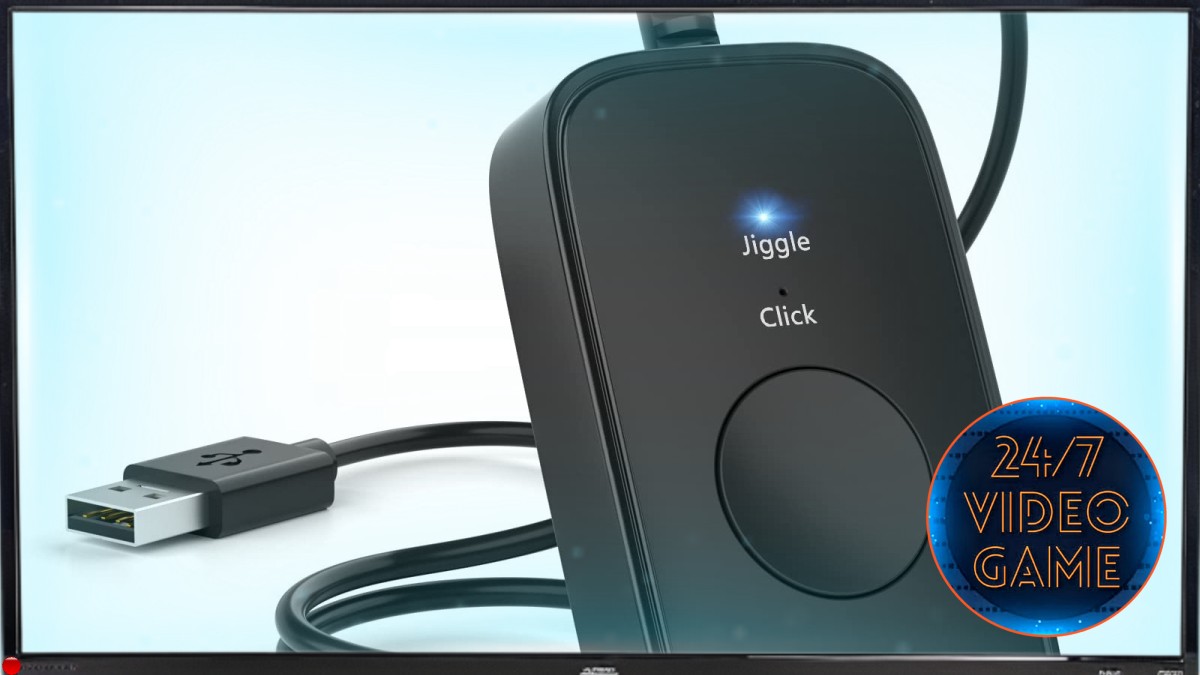
A computer that keeps drifting off to sleep can interrupt a long download, presentation, or other task that needs the screen to stay active. The USB mouse jiggler is designed to address that nuisance by creating automatic mouse movement, helping prevent a PC from registering as idle. The product title promises an “undetectable” design, but that claim alone doesn’t establish how the device works or how any particular computer will respond. For a broader look at how USB accessories connect to computers, see Wikipedia’s USB overview and the USB Implementers Forum.
Convenience meets the settings menu
At a listed price of $20.32, with free shipping and a new condition, this accessory offers a plug-in alternative for people who want to keep a computer awake without repeatedly touching the mouse. But it isn’t the only option: Windows and macOS both provide settings for managing sleep and display behavior, which may be a better fit when the goal is simply to keep a personal PC running during a legitimate task. Microsoft explains its options in its Windows support center, while Apple’s Mac support pages cover power and sleep settings for Mac users.
Useful tech still calls for a little judgment
Automatic movement can be convenient, but context matters. In workplaces or shared-device environments, using a gadget to suggest activity when someone isn’t actually working could conflict with employer policies or monitoring rules. The sensible move is to check those policies first and use the device only for an appropriate purpose, such as preventing unwanted sleep during an authorized, unattended task. Guidance on responsible workplace technology can be found through the Cybersecurity and Infrastructure Security Agency and the Federal Trade Commission’s business guidance.
A niche gadget for a familiar frustration
The appeal is straightforward: a small USB device promises to handle one repetitive job in the background, with no elaborate setup implied by the product title. Still, the listing details provide limited information about compatibility, controls, or the exact movement pattern, so buyers should verify those specifics before ordering. For a potential purchaser, the decision comes down to whether automatic movement is more convenient than adjusting the computer’s built-in settings—and whether that convenience fits the rules of the environment where the PC will be used. Product research can start with PCMag’s computing coverage and general buyer-protection information from the FTC’s consumer advice site.