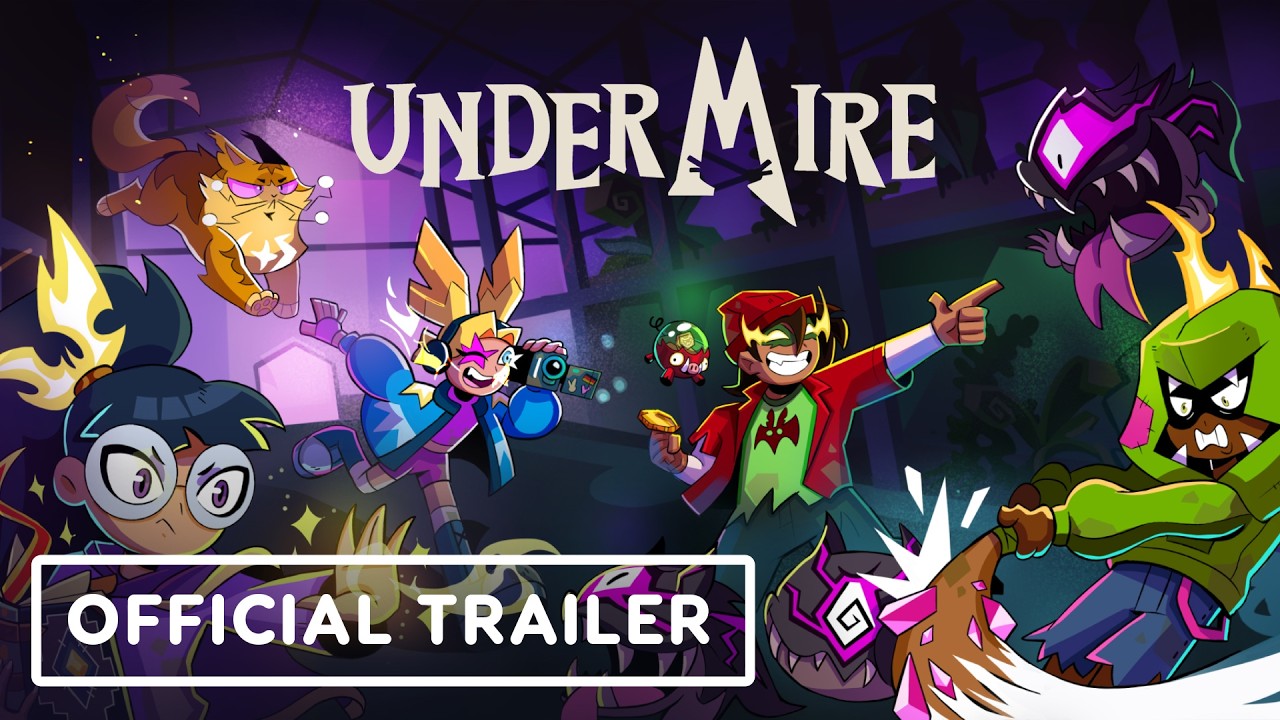
Watch the Release Date Trailer for UnderMire, a hand-drawn first-person roguelite developed by Table Knight Games. Players will take on enemies from biome to biome to cast spells, secure magical tools, and keep the fear gauge in check. UnderMire is launching on November 13 for PC (Steam).
UnderMire Melds Hand-Drawn Charm with Roguelite Rhythm
In a landscape crowded with polished realism, UnderMire steps forward with a personal, hand-drawn aesthetic that signals a bold shift toward atmosphere and bite-sized strategy. The Release Date Trailer signals not just a countdown to launch, but a promise of mood-driven discovery where players navigate from biome to biome, casting spells and securing magical tools while a steadily ticking fear gauge heightens the tension. For those who crave a compact, immersive run-and-gun of wits and reflexes, this title from Table Knight Games offers a refreshingly tactile approach to roguelite design. A broader audience can explore the game’s textures through industry insiders on sources like IMDb and IGN, which have long tracked the craft and cadence of contemporary indie showcases.
The trailer leans into a rhythm that blends exploration with a sense of looming peril. Each biome presents a distinct palette and danger set, inviting players to learn and adapt rather than simply grind. This approach mirrors the storytelling tempo appreciated by audiences who frequent encyclopedic profiles of game worlds and music-anchored game experiences. In this context, UnderMire earns extra credit for weaving spell-craft into movement, turning every encounter into a miniature duel of wits where timing, resource management, and spatial awareness collide. The game’s emphasis on maintaining the fear gauge adds a fresh layer of narrative drive that can elevate the loop from mere repetition to meaningful risk and reward, a pattern often celebrated by industry retrospectives on design philosophy.
From a design perspective, the decision to pursue a hand-drawn aesthetic is more than a visual choice; it signals a tactile philosophy. Observers can expect deliberate line work, expressive character silhouettes, and animation that reads like a living sketchbook. This kind of artistry has found resonance in communities that value artisanal craft as much as mechanical precision, a sentiment echoed in discussions on pop culture archives and gaming journalism hubs. The marriage of style and systems—where biomes demand specific spell sets and tool utilization—positions Table Knight Games to deliver not only a test of reflexes but a narrative journey that rewards experimentation. For early impressions, trade outlets like Rotten Tomatoes and encyclopedic game histories provide a sense of how indie titles carve their own lanes within the broader market.
Community and curiosity go hand in hand as audiences anticipate the November 13 PC release on Steam. The Release Date Trailer not only marks a milestone but also surfaces a conversation about how players will map navigation through interconnected biomes, discovering magical tools that alter how the run plays out. Insightful coverage from outlets like video game industry chronicles and media feature essays highlights the cross-pollination between gameplay mechanics and trailer storytelling. As the title continues to generate chatter in fan spaces and professional circles alike, the expectation is that UnderMire will reward players who approach each run with strategic curiosity and a taste for the uncanny, much as revered roguelites have done in years past, as chronicled by production notes and industry previews.
Ultimately, the promise of UnderMire rests on its ability to blend tactile artistry with tight, repeatable systems. The hand-drawn world invites players to linger on the frame, while the roguelite loop insists on learning from each descent into a new biome. For fans of immersive, magazine-style storytelling, the title offers a compelling case study in how visual craft and mechanical depth can intersect to produce a memorable experience. As November approaches, curiosity will grow around how the fear gauge mechanizes tension and how the spell-craft toolkit evolves across runs, offering a narrative tempo that keeps pace with the evolving indie scene documented by major outlets like encyclopedia-style features and behind-the-scenes looks.