
Unveiling Disclosure Day: A Cinematic Pulse That Keeps You On The Edge
In a landscape where truth often hides behind press briefings and glossy PR, Disclosure Day arrives like a whistle blown during a crowded hallway. The film positions a meteorologist and a cybersecurity expert at the heart of a movement that aims to pull back the curtain on a government cover-up of extraterrestrial life. As a piece of immersive entertainment, the narrative marries meticulous science with high-stakes suspense, inviting audiences to consider what would happen if the pieces of a long-buried mosaic finally clicked into focus. For those curious about the intersection of real-world tech and speculative possibility, this is the kind of story that proves how fiction can catalyze conversation about authenticity and accountability. IMDb and Wikipedia offer context on the broader discourse around media portrayals of UFO disclosures, while IGN provides a sense of how genres blend in contemporary streaming features.
Crafting a World Where Truth Takes Center Stage
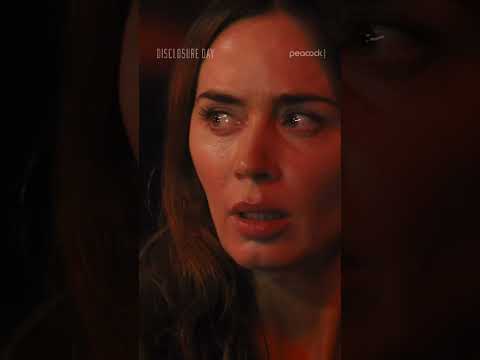
The core pairing—an acute observer of atmospheric patterns and a robust defender of digital frontiers—reads like a carefully calibrated balance of expertise. This dynamic anchors the story’s tension, enabling viewers to ride through complex technical dialogues without losing the emotional throughline. Emily Blunt and Josh O’Connor embody a calibration of restraint and urgency that keeps the plot propulsive while remaining credible. For readers who crave a deeper dive into the production context, look to a variety of industry conversations on Wikipedia for production histories and IMDb pages that map the ensemble’s broader career trajectories, which enrich the viewing experience. Rotten Tomatoes offers a snapshot of critical discourse around the performance chemistry that drives this alliance forward.
A Cinematic Orchestra: Steven Spielberg’s Subtle Directorial Hand
With Steven Spielberg attached to the project, the film inherits a legacy of cinematic orchestration that respects the intelligence of its audience while amplifying the wonder of its premise. The storytelling cadence leans into sensory storytelling—sound design that amplifies the weight of a disclosure, visuals that echo the vastness of the unknown, and pacing that invites repeated viewings. Fans can explore Spielberg’s broader filmography on Wikipedia and IMDb to see how this project sits among his long arc of genre-defining moments. For a sense of how contemporary outlets gauge Spielberg’s influence, Billboard tracks the cultural resonance of major releases that echo his signature approach.
007-Grade Vectors: The Cast Conjures Real-World Stakes
The ensemble, including Colin Firth and Eve Hewson, elevates the material beyond a whispered conspiracy into a chorus of credible, high-stakes voices. Each performance lands with a note of authenticity, turning what could have been a standard thriller into a textured examination of how information becomes power. Industry observers will find it worthwhile to compare these performances with other big-budget explorations of secrecy on platforms like IMDb and Rotten Tomatoes, where audience and critic conversations illuminate the public’s appetite for this kind of storytelling alongside IGN’s feature breakdowns.
Peacock as a Stage for Modern Disclosure Narratives
Peacock’s streaming framework provides a versatile backdrop for a narrative that thrives on momentum and accessibility. The service’s positioning as a home for Original programming alongside established favorites mirrors the show’s blend of fresh mystery and familiar emotional stakes. For those tracking the streaming ecosystem, a quick tour of Peacock’s catalog—via Official Peacock Site and Wikipedia—offers clarity on how this project sits amid live sports, original series, and a broad slate of film choices. Critics across Metacritic and Variety have weighed in on Peacock’s role in shaping contemporary viewing rituals as audiences shift toward streaming-first premieres.
From Screen to Soundbite: The Cultural Pulse of a Disclosure Day
Beyond the plot mechanics, the film taps into a broader cultural anxiety about transparency and governance. The discourse around extraterrestrial life, long a staple of sci-fi lore, finds a new resonance when filtered through a contemporary lens that emphasizes journalistic resolve and civic responsibility. Viewers can explore the cultural dimension of disclosure narratives through thoughtful summaries on BBC and The New York Times, which situate the film within ongoing conversations about trust, information sovereignty, and the ethics of disclosure. As audiences prepare for Peacock’s streaming window, the discourse remains lively on IGN and Billboard where entertainment intersects with the broader cultural conversation about truth and media power.