The World’s Best Boss and His Worst Instincts
Michael Scott wants to be the kind of boss everyone loves. The trouble is that his hunger for approval often outruns his judgment, turning ordinary workplace encounters into spectacularly uncomfortable scenes. In The Office, that gap between Michael’s self-image and reality is a comic engine all its own, brought vividly to life by Steve Carell. The show’s mockumentary format, also explored in its official NBC series page, lets every pause, glance, and uneasy reaction land like a tiny disaster unfolding in real time.
When Michael Turns a Double Date Into a Double Take
A blind date should give Michael a chance to make a good impression. Instead, it becomes another stage for his need to perform, as though every conversation were an audition for the role of Most Charming Man in Scranton. The awkwardness is classic Michael Scott: he means well, but his relentless goofiness makes it hard for anyone else to relax. That tension between good intentions and poor execution is central to the series’ appeal, a quality reflected in IMDb’s listing for The Office and the show’s enduring reputation among television comedy fans.
A Kiss, a Rejection, and the Cost of Misreading the Room
Some of Michael’s most painful moments come when he mistakes familiarity for permission. His attempt to kiss Pam and his kiss with Oscar push that discomfort into especially fraught territory, as coworkers are left to navigate behavior that Michael treats as spontaneous fun. The scenes ask viewers to sit with the fallout rather than letting the cringe disappear in a punchline. Jenna Fischer and Oscar Nuñez help ground those moments in the reactions of people who have to live through Michael’s impulses, a dynamic that can be traced through the cast information on NBC’s series page and IMDb’s cast credits.
Dunder Mifflin’s Rules Keep Getting Bent
From the pool-table dancer to the warehouse rules, Michael repeatedly treats the workplace as a playground for his latest idea. That approach may delight him, but it leaves the people around him to manage the consequences—and to keep the company functioning while their boss turns routine office life into a spectacle. The show’s Dunder Mifflin setting makes these misfires feel deliciously recognizable: the stakes are small enough to be funny, yet personal enough to sting. The ensemble’s reactions are part of the joke, a strength celebrated by the Television Academy’s coverage of The Office and discussed in the series’ long-running cultural legacy.
The Cringe Works Because the Office Keeps Watching
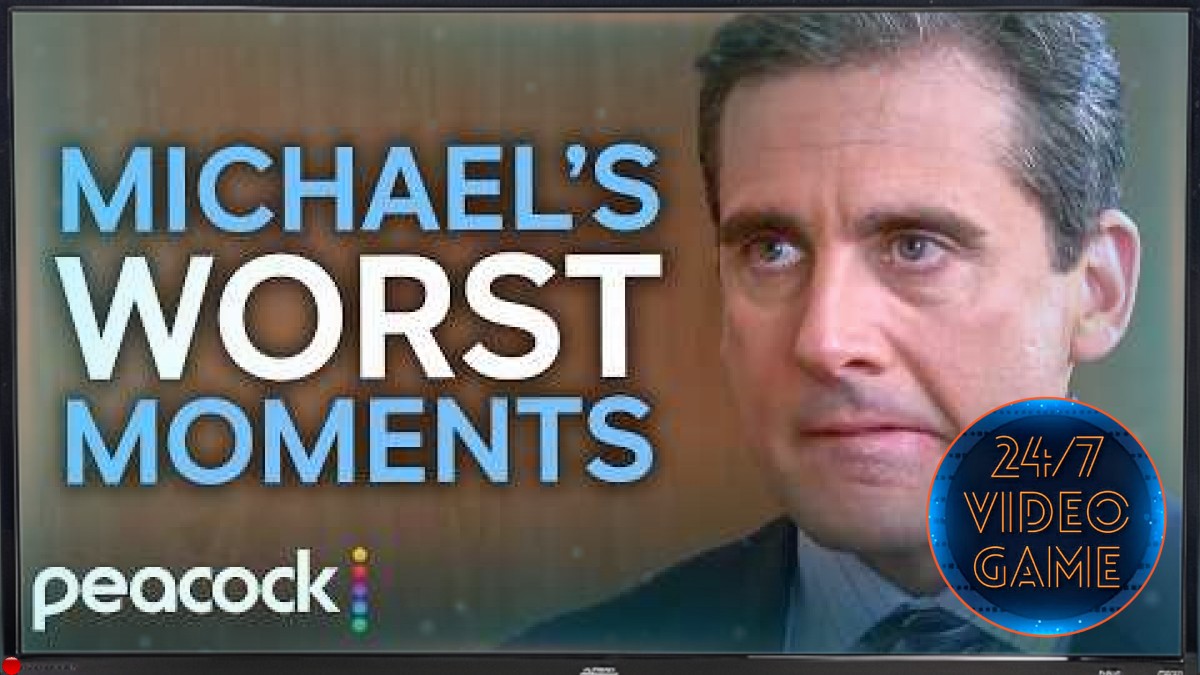
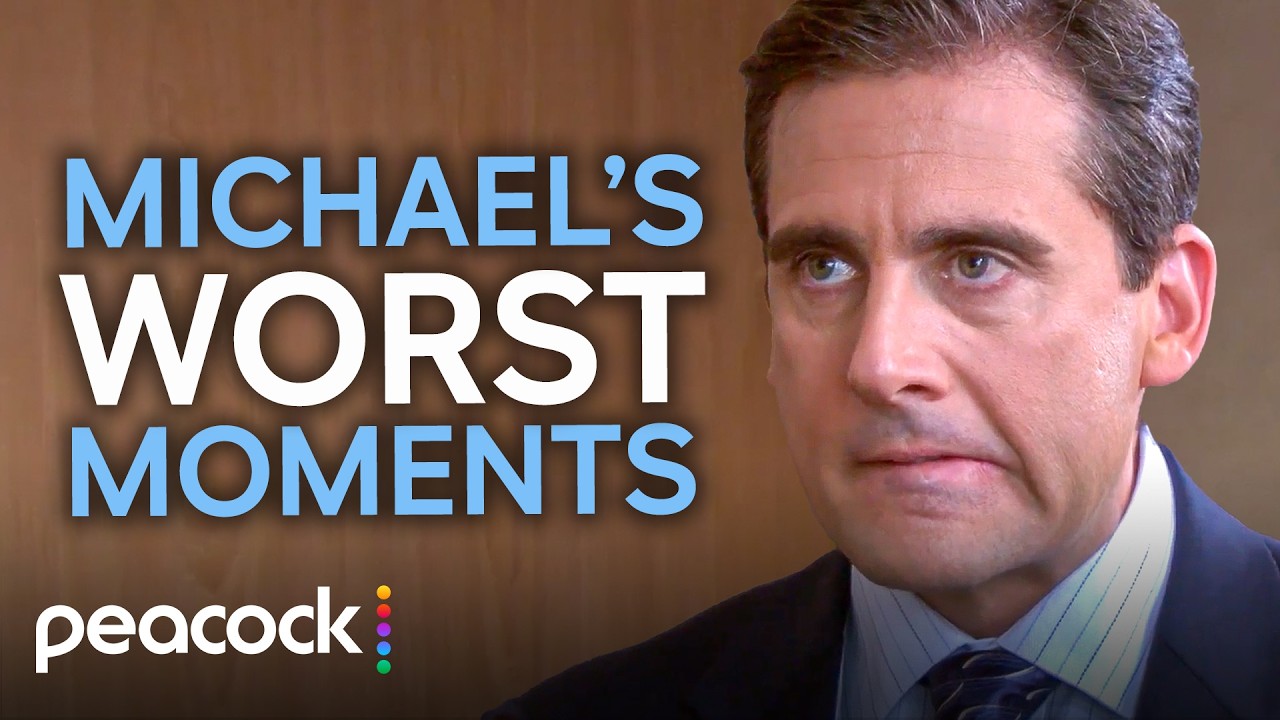
Michael’s worst moments can veer from insensitive remarks about Hitler, Bin Laden, and Toby to impersonating Darryl and accidentally hitting Meredith. The range is startling, but the mockumentary style gives each moment room to breathe: the camera catches the silence after the joke, the uneasy look across the room, and the dawning realization that Michael has gone too far again. That reaction-shot rhythm turns embarrassment into a shared experience, while The Office remains affectionate toward a deeply flawed boss without pretending his choices are harmless. Viewers can revisit the series through Peacock’s The Office page or explore its background at NBC, where Michael’s most uncomfortable antics still capture the strange comedy of working life.