A massacre leaves more questions than answers
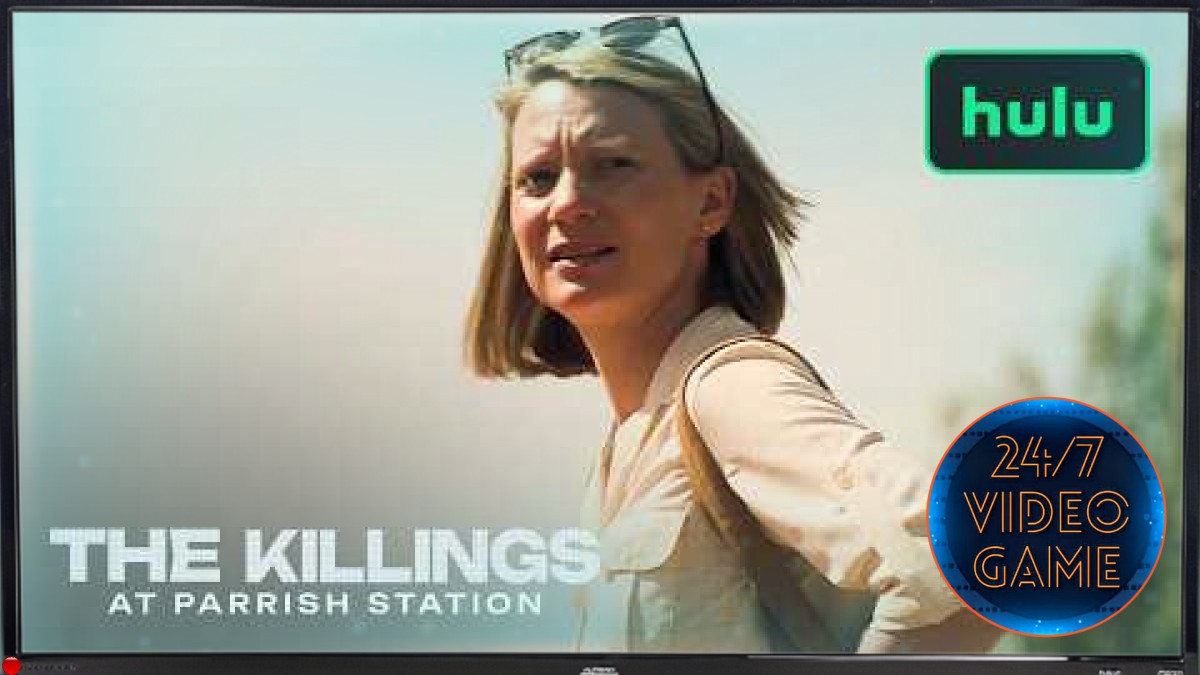
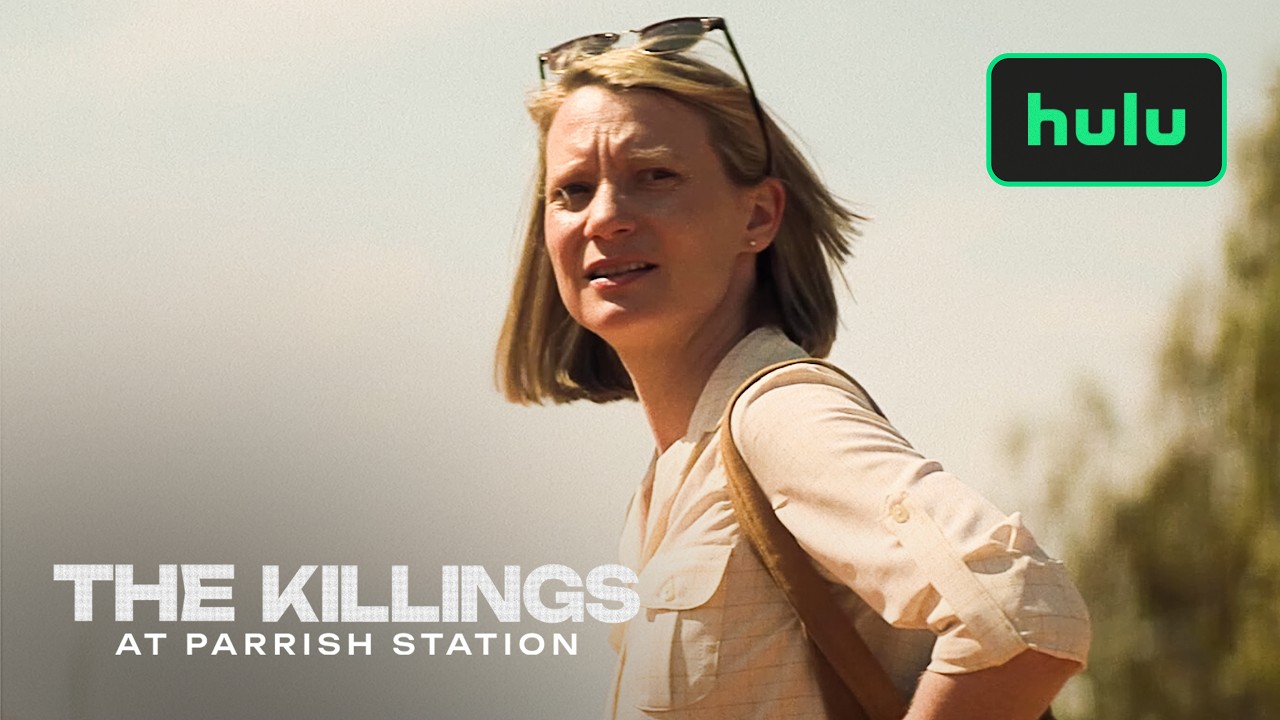
In The Killings at Parrish Station, the Australian outback is more than a stark backdrop. It is a place where isolation can turn every unanswered question into a threat. The series begins with a brutal massacre at a remote research station in 1987, drawing Detective Georgia Cooke and her partner, Michael Thorne, into a case that refuses to fit the boundaries of an ordinary investigation. The setting calls to mind the expansive unease of the Australian outback, while the show’s blend of crime and supernatural dread sits in familiar territory for fans of horror stories that let atmosphere do as much work as the shocks.
The Bone Gospel complicates the case
The investigation’s most unsettling clues point toward a delusional survivor, a mysterious text called The Bone Gospel, and Callum Parrish, the station’s eccentric benefactor. Those pieces suggest a mystery built not just around who committed the killings, but around the beliefs and power structures that helped make them possible. That combination has the potential to satisfy viewers drawn to the puzzle-box storytelling of television mysteries and the eerie folklore that has long shaped supernatural fiction. Here, every apparent explanation seems to open another door rather than close one.
Georgia Cooke pays a personal price
As the case grows more inexplicable, Georgia’s grip on reality begins to fracture, and the fallout reaches far beyond the station. Her career is put at risk, her daughter Frankie loses trust in her, and Georgia ultimately loses her freedom. That family conflict gives the horror a sharp emotional edge: the most frightening cost may not be what Georgia sees, but what the people closest to her can no longer believe. The premise echoes the psychological tension found in psychological horror, while putting a strained mother-daughter relationship at the center of a story that might otherwise be driven solely by its mysteries. Georgia’s unraveling is both the engine of the investigation and its most intimate consequence.
Thirty-seven years later, the nightmare returns
The story then leaps forward 37 years, finding Georgia institutionalized as a string of identical murders pulls her back into the Parrish Station nightmare. That jump turns the original case into something with a long shadow: whatever happened in 1987 was not contained by time, and the new killings suggest a pattern that has been waiting to surface again. The structure offers room for the series to revisit old evidence while confronting the gap between Georgia’s memories and the present-day investigation. Fans of long-running mystery narratives may recognize the appeal of a story that keeps expanding its questions, a tradition explored across television coverage at IGN and the broader landscape of crime fiction.
A remote station with a lasting hold
By joining a period-set massacre, a cryptic text, fractured family bonds, and murders repeating decades later, The Killings at Parrish Station builds its hook around the fear that the past is not finished. Its remote setting promises tension, but Georgia’s personal losses give the story a human center—and the paranormal turn keeps the investigation from settling into familiar procedural rhythms. The series is now streaming on Hulu, where its collision of mystery and supernatural unease may appeal to viewers browsing the service’s television lineup for a story that makes every return to Parrish Station feel dangerous.