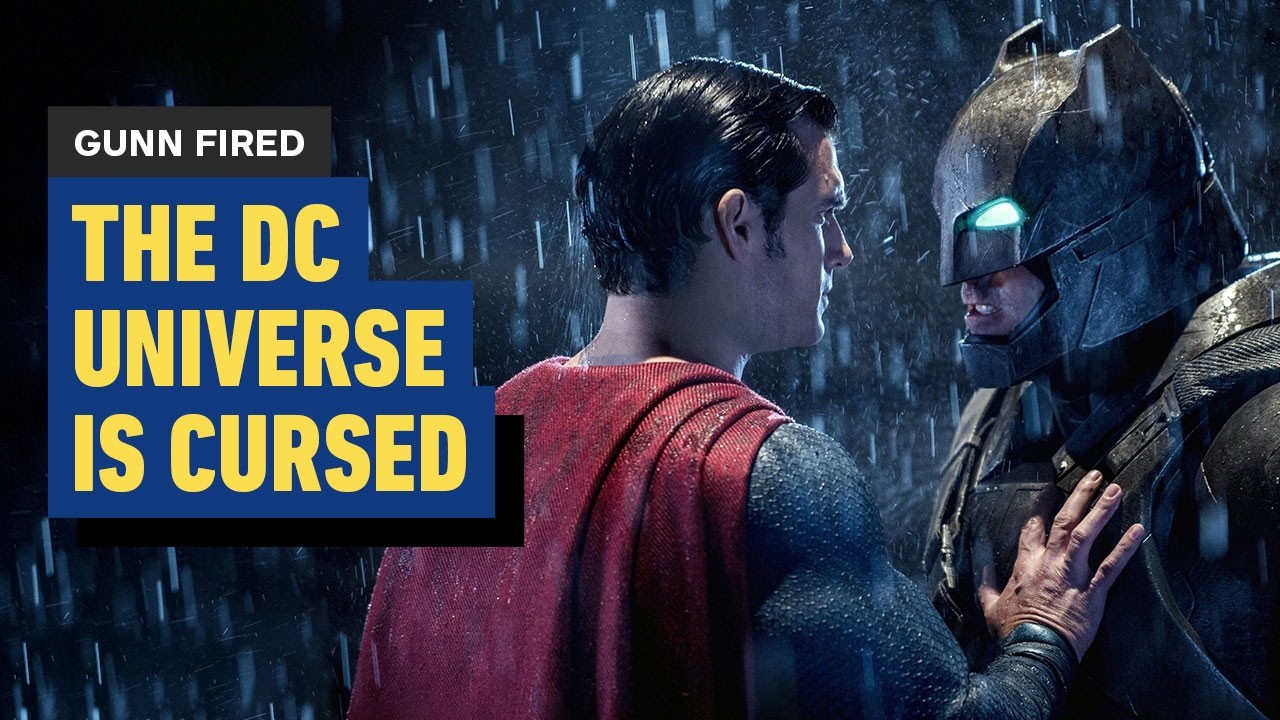
Another reset in a universe built on resets
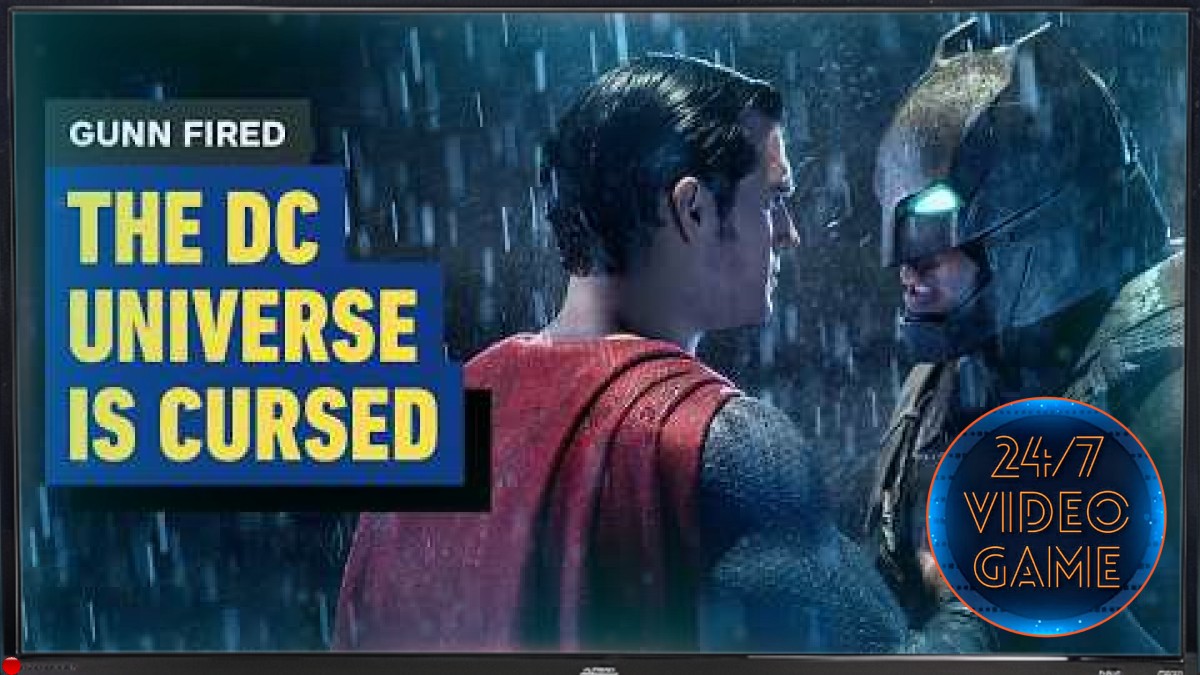
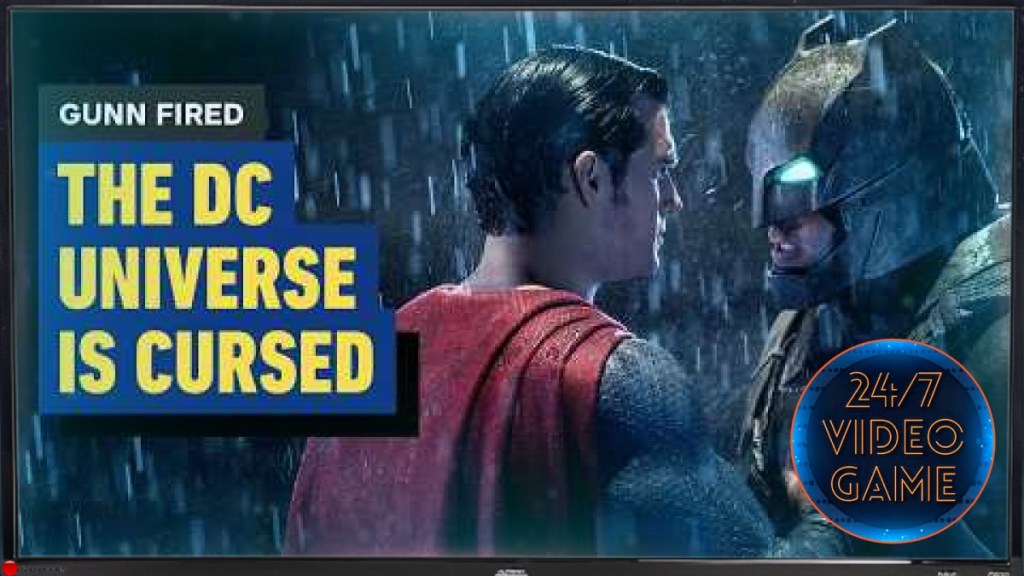
Barely a month after Paramount Skydance closed its acquisition of Warner Bros. Discovery, reports that James Gunn and Peter Safran are leaving DC Studios have thrown the future of the DCU into fresh uncertainty. For a franchise that has spent years promising a coherent new beginning, the timing feels almost too familiar. Gunn’s ambitious slate was meant to bring order to a sprawling universe; now, with projects reportedly partway through development, that blueprint could be reshaped before it has fully taken form. The developments put DC Studios and its still-young DCU at a crossroads, as https://variety.com/“>Variety and https://www.hollywoodreporter.com/“>The Hollywood Reporter have chronicled the industry’s shifting studio landscape.
James Gunn’s big bet meets a familiar obstacle
Gunn’s plan was more than a lineup of superhero movies. It was an attempt to connect films and television under a shared creative vision, with familiar icons such as Superman serving as the foundation rather than the entire structure. Whether audiences embraced every choice or not, a clearly announced slate gave fans something the franchise had often lacked: a sense of where the story might go next. A leadership change, however, can turn that roadmap into a set of questions overnight. Coverage from https://www.ign.com/“>IGN and https://deadline.com/“>Deadline reflects just how closely entertainment fans and industry watchers follow major shifts in DC’s plans.
DC’s long struggle to find a steady rhythm
The “cursed” label is dramatic, but DC’s big-screen history makes the joke understandable. Across different eras, the studio’s strategy has swung between standalone visions, interconnected storytelling, sequels, spin-offs, and attempted course corrections. Some films have found passionate audiences; others have become symbols of a larger plan that never quite came together. That unevenness has made it harder for any one direction to feel permanent, especially beside the Marvel Cinematic Universe, whose long-running model helped set audience expectations for superhero continuity. The contrast is explored across https://www.rottentomatoes.com/“>Rotten Tomatoes and https://en.wikipedia.org/wiki/List_of_films_based_on_DC_Comics_publications“>Wikipedia’s overview of DC films.
The real challenge is more than a new boss
New leadership can bring fresh energy, but a change at the top does not automatically solve the deeper problem. A successful cinematic universe needs compelling individual stories as much as it needs connective tissue; audiences have little reason to follow a grand master plan if the films and series do not work on their own. For DC, the immediate question is whether the next leadership team will preserve parts of Gunn and Safran’s approach, rebuild the slate, or choose a more flexible path. The answer could shape the futures of Batman, Superman, and a growing roster of DC characters. Updates from https://www.dc.com/“>DC.com and https://variety.com/“>Variety offer useful context as the studio’s direction develops.
A universe can survive a shake-up
DC’s history is not simply a record of failed plans; it is also a reminder that the characters remain remarkably resilient. Batman and Superman have endured changing creative teams, styles, and generations of audiences, while each new adaptation gets the chance to make an unfamiliar impression. The DCU may continue in a revised form, or it may face yet another reboot—but either outcome leaves room for a strong film to win viewers on its own merits. The franchise’s biggest hurdle may not be a curse so much as the pressure to imitate a rival’s model instead of finding a stable identity of its own. That possibility keeps the conversation alive on https://www.ign.com/“>IGN and among readers exploring DC’s history at https://www.dc.com/“>DC.com.