The Sandman | Season 1 Recap | Netflix
Before diving back into The Dreaming, catch up on what happened last season on The Sandman. Watch on Netflix: …


Before diving back into The Dreaming, catch up on what happened last season on The Sandman. Watch on Netflix: …

On August 25, discover the story of the Dallas Cowboys and their legendary owner, president and general manager Jerry Jones.…

When Anna (Sofia Carson), an ambitious young American woman, sets out for Oxford University to fulfill a childhood dream, she…

When a dangerous new troll is awakened, unleashing devastation across Norway, beloved adventurers Nora, Andreas and Captain Kris are thrust…

Katie Taylor. Amanda Serrano. Alycia Baumgardner. Jennifer Miranda. These four fighters will lead the first-ever all women’s professional boxing card…

Party like it’s raining 45.6 billion won — SQUID GAME SEASON 3 IS NOW PLAYING!! #SquidGame #SquidGame3 Watch on Netflix:…

The Endless are all welcomed to Orpheus’s and Eurydice’s wedding, but one of Orpheus’s uncles has an ominous greeting for…

Countdown: Taylor vs. Serrano follows Katie Taylor and Amanda Serrano’s intense journey and preparations as they train for their historic…

Perfect Match brings together the most famously single stars of Netflix’s unscripted series to a tropical paradise in an attempt…

In 1998, 23-year-old Amy Bradley vanished without a trace while on a cruise with her family. Over the years, there…

A Brazilian dad meets his match in his daughter’s Argentine in-laws — where a trip to Bariloche spirals into a…

From the makers of the award-winning 24 Hours in A&E, this six-part documentary series goes over the shoulder and under…

Behind every hit song is the person who wrote it. In the new docu-series, HITMAKERS, we follow twelve of the…
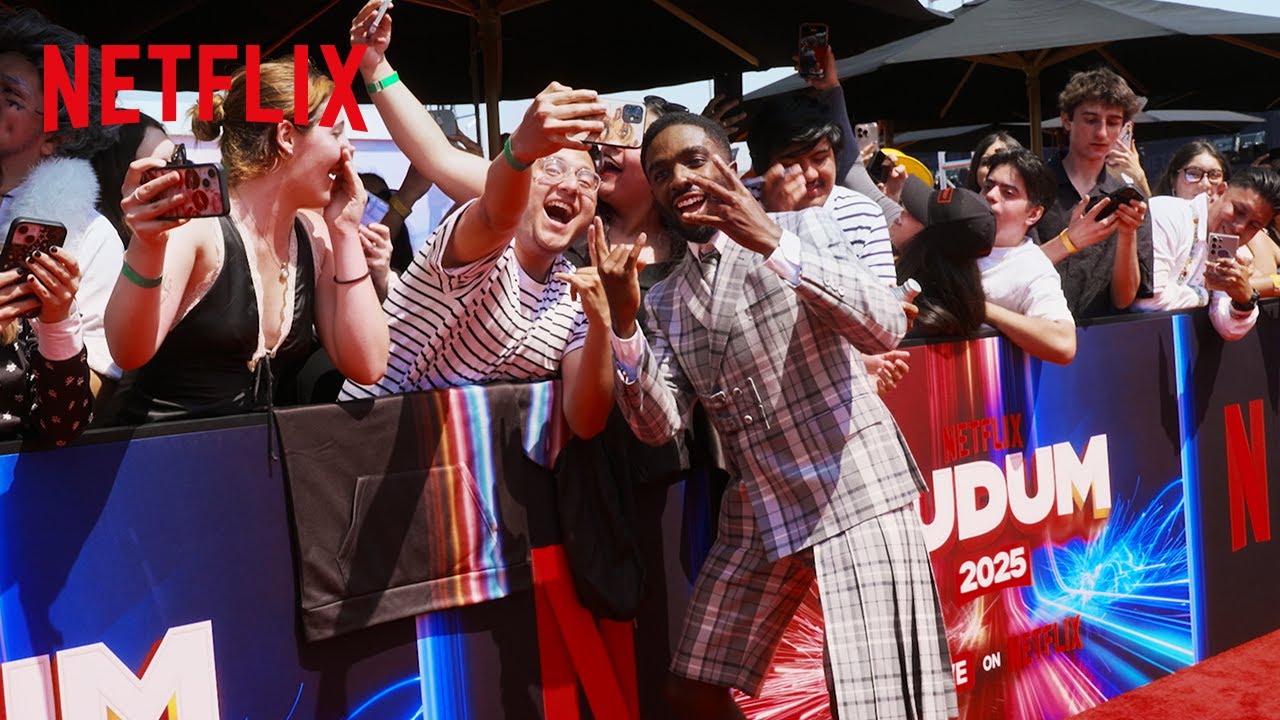
TUDUM 2025 was the party of the year, bringing together your favorite stars to celebrate our fandom and showcase the…

In a music competition series like no other, 50 singers will form 6 bands without ever seeing each other— but…

Attack on London: Hunting The 7/7 Bombers is the story of one of the most devastating terror attacks on British…

The hit Netflix Sports Series has returned, and Joe Burrow, Kirk Cousins, and Jared Goff are not holding back. Hear…

From a massive Squid Game finale parade stretching from Gwanghwamun Square to Seoul Plaza, to an unforgettable fan gathering with…

Watch the Canelo vs. Crawford: Las Vegas Press Conference on Friday, June 27 at 7 PM ET | 4 PM…

Meet the seven Endless siblings from The Sandman: Season 2: Dream, Death, Destiny, Desire, Despair, Delirium and Destruction. Volume 1…

Squid Game Season 2 left us on a cliffhanger… but are you prepared for what’s next? Watch on Netflix: …

Watch the Canelo vs. Crawford: New York Press Conference on Sunday, June 22 at 2 PM ET | 11 AM…

You may now loosen your corsets. That’s a wrap on Bridgerton Season 4. Watch on Netflix: About Netflix: Netflix…

A very Squid Game premiere celebration ⏺️🔼⏹️ Watch on Netflix: About Netflix: Netflix is one of the world’s leading…

You’ll be singing NON STOP. Kpop Demon Hunters premieres tomorrow! Watch on Netflix: About Netflix: Netflix is one of…

Watch the Canelo vs. Crawford: Riyadh Press Conference on Friday, June 20 at 2:30 PM ET | 11:30 AM PT!…

In 2012, a teenage girl in the small Dutch town of Haren creates a Facebook event for her sixteenth birthday…

After the loss of his wife, Youssef, a devoted father, navigates the ups and downs of parenthood while carrying the…

A homemade flying saucer lifts off, and a 6-year-old boy might be inside. National panic ensues — but what truly…

At Nevermore, we embrace every Outcast — Werewolves, Vampires, Sirens, Gorgons, DaVincis and more. Apply today at Watch on…
Disclosure: 24/7 Video Game may earn a commission from purchases made through the links in this article. As an Amazon Associate I earn from qualifying purchases.
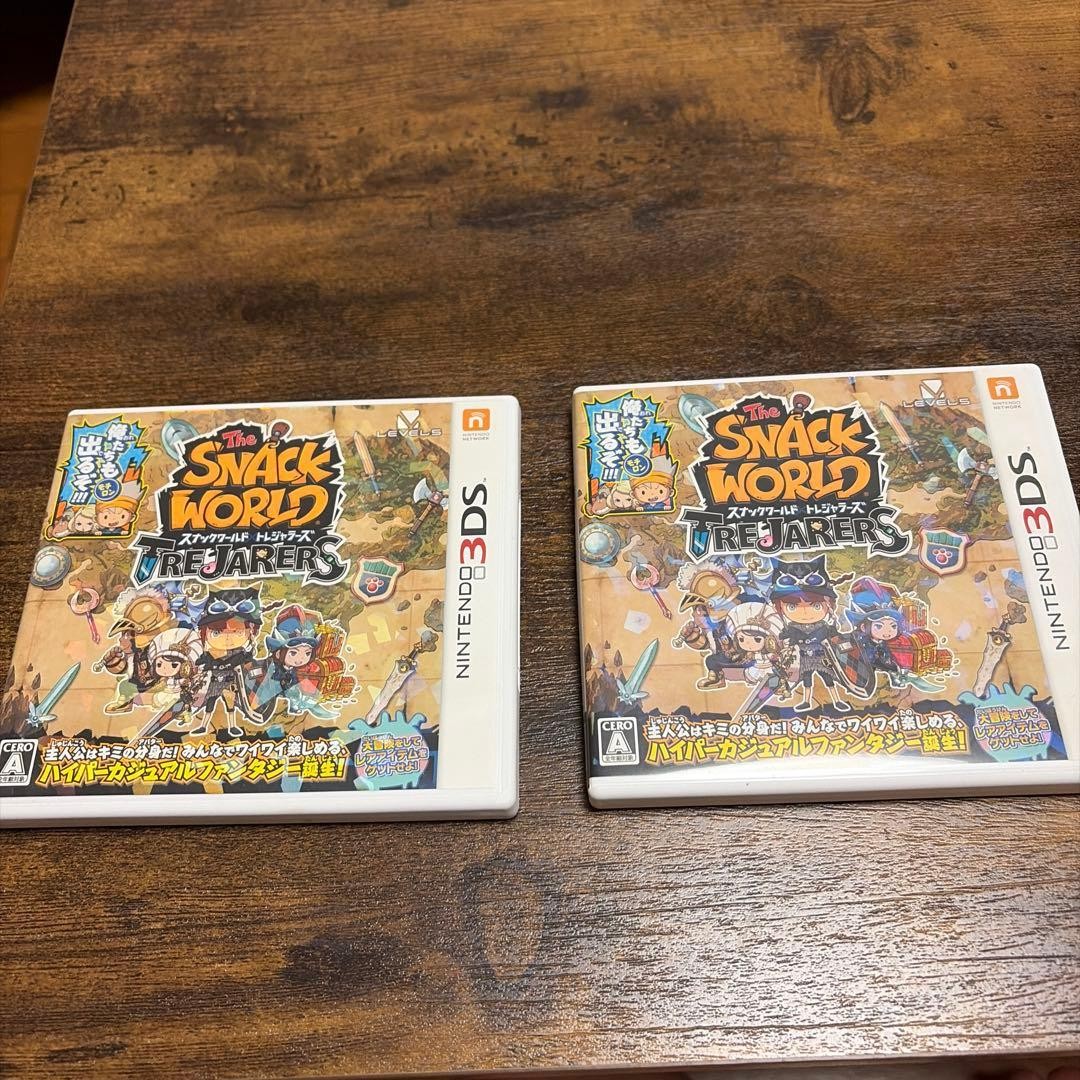
Nintendo’s 3DS era still hums with unmistakable charm, and Snack World Trejarers lands squarely in that legacy as a bold, goofy, and deeply tactile JRPG that rewards curious explorers. The presentation blends quirky weapon designs with a world that feels handcrafted—every town, every dungeon entrance carries a distinct personality that invites you to dive in and catalog the peculiarities. The game wears its RPG heart on its sleeve, but the real thrill lies in its texture: the chibi character silhouettes against lush, vibrant environments, the snappy battle animations, and a loot loop that never feels grindy so much as satisfying. If you’re hunting a collector’s piece that blends whimsy with solid turn-based mechanics, Snack World Trejarers stands out as a portable standout that still looks surprisingly modern in its attention to detail. For a deeper dive into its historical context and reception, read the latest reviews, explore the deeper lore, and watch the official trailers: read the latest reviews, explore the deeper lore, watch the official trailers.
The atmosphere leans into a playful, arcade-like energy that still respects traditional JRPG rhythms. Its world design encourages exploration, with hidden corners and clever enemy placement that reward persistent players. The character classes and equipment systems offer a satisfying layer of strategy, while collectable items and cosmetic flair give you every reason to keep poking around. If you’re chasing that nostalgic 3DS aura—bright, bold, and delightfully weird—Snack World Trejarers scratches that itch and then some. For a broader sense of where this game fits in the franchise and its design lineage, you can also check the official materials and fan-made explorations through these links: read the latest reviews, explore the deeper lore, watch the official trailers.
In terms of ownership value and collector appeal, this title offers a compact package with a strong sense of identity. It’s the kind of game that doesn’t need constant hype to stay in rotation; its charm endures because it feels complete—quirks, battles, and loot all coalescing into a memorable whole. If you’re assembling a curated 3DS library or simply want a standout oddity to show off to friends, this release deserves a place on your shelf. When you’re ready to compare prices and hunt for a copy, consider hunting for a copy on Amazon, checking Walmart’s inventory, or finding a listing on eBay: hunt for a copy on Amazon, check Walmart's inventory, find a listing on eBay.
If you’re chasing similar joys, consider two more Nintendo-tinged adventures that scratch a similar itch: Super Monkey Ball Jr. (for its bite-sized party vibes wrapped in a quirky shell) and The Legend of Zelda: A Link Between Worlds (for its inventive world design and puzzle-forward dungeons). For quick access, you can search Amazon for these titles and catch up with their official trailers: Amazon search, YouTube trailer, Amazon search, YouTube trailer.
Grab the featured deal right here: View this listing on eBay

Bongo is a single screen platform game much in a similar vein as Popeye. You control Bongo the rat as he moves about the screen attempting to collect gems while avoiding the bad guy after him. You can teleport Bongo to various parts of the screen by positioning yourself on top of the letters in his name (B O N G O) and pressing the fire button. The screens contain ladders that can be traversed up and down, slides that will slide Bongo to the bottom and conveyor belts that can impede his movement or make him move faster. Only one gem is visible at a time. After five gems have been collected, Bongo rescues his girlfriend and moves on to the next screen. Bonus letters spelling out Bongo can also be collected.
RZX Archive public domain game file made by Albert Valls.
Released by Anirog Software in 1984.
Huge playlist archive with ZX Spectrum games from 1984: https://www.youtube.com/playlist?list=PLxOanVBhqd3sk5iLYKjfJ1CpbcTPfmFLO
"BONGO -=Classic Gaming=- Walkthrough, ZX Spectrum"
24/7 Video Game All the best video games, all the time. Watch no commentary gaming videos live and on demand. By Adrian M ThePRO the GameProfessional.


Seller: casm-1979 (100.0% positive feedback)
Location: US
Condition: Brand New
Price: 59.99 USD
Shipping cost: 6.99 USD
Buy It Now
#Sponsored
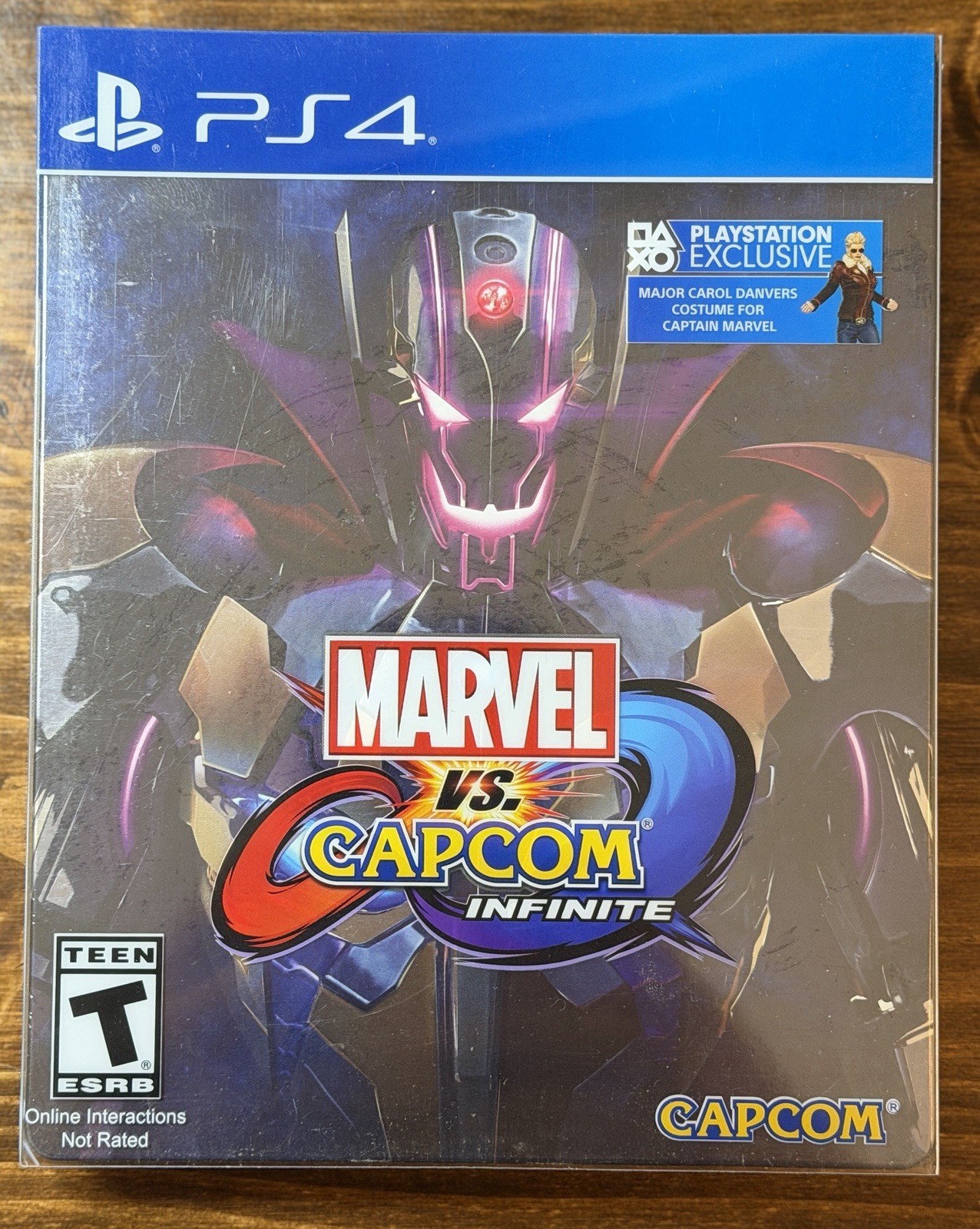
In the crowded arena of crossover fighting games, Marvel vs. Capcom: Infinite on PlayStation 4 stands out for its deliberate design shifts that aim to balance accessibility with depth. The Deluxe Edition amplifies this experience by bundling the core game with valuable extras, offering both newcomers and seasoned players a streamlined entry point into a universe where two mythologies collide with kinetic energy and strategic rigor.
From a gameplay perspective, Marvel vs. Capcom: Infinite emphasizes fluid, cinematic combat that rewards players who master the rhythm of offense, defense, and assist-based spamming in a controlled, deliberate way. The combat system elevates team-based strategy, enabling players to assemble a dynamic trio of characters and a supporting assist character to weave together sequences that look and feel spectacular. The PS4 version optimizes performance to maintain frame-rate stability during these high-octane exchanges, ensuring that the tactile feedback—the thudding impact of hits, the dramatic screen-filling VFX, and the satisfying pops of combo finishers—remains consistently engaging throughout a session.
Aesthetically, the game borrows heavily from a stylized, comic-book palette that aligns with the Marvel and Capcom legacies. The Deluxe Edition’s bonus content—whether it’s additional costumes, stage variants, or aesthetic unlocks—serves to deepen the sense of ownership and personalization for players who invest time in mastering the roster. The visual language remains bold and readable, with character silhouettes and special effects designed to cut through the chaos of a fast-paced brawl, a crucial attribute when players are navigating the chaos of assist calls and tag exchanges.
The roster, while curated for broad appeal, provides enough breadth to satisfy both casual exhibition matches and high-level experimentation. Iconic faces from the Marvel universe mingle with Capcom stalwarts, and the interplay between characters often rewards players who think in terms of team synergies rather than solo reconnaissance. In practice, success comes from coordinating a lead character’s offensive pressure with the timing of assists and the strategic deployment of the Infinity Stones, a nod to the game’s modernized thematic layer that adds a layer of risk-versus-reward decision-making to every engagement.
The Deluxe Edition is a practical choice for players who value convenience and extended content. It typically bundles the base game with a collection of unlockables and cosmetics that might otherwise require time-consuming unlock sequences or separate digital purchases. For players who are stacking a library or who anticipate long-term engagement in modes like ranked matches or casual brawls, the included extras can shorten the path to a more personalized play experience and a greater sense of progression.
On the technical front, the PlayStation 4 iteration remains faithful to the core engineering goals: tight hit detection, responsive inputs, and a combat tempo that rewards precision and planning. Load times, matchmaking, and online stability are critical facets of the overall package, and during hands-on sessions the experience held up well, with minimal interruptions that could break a player's momentum during a crucial series of exchanges.
For those evaluating Marvel vs. Capcom: Infinite: Deluxe Edition on PS4, the key question is value—whether the additional content, combined with the polished core experience, delivers a meaningful return on investment for both the curious newcomer and the battle-hardened veteran. The edition makes a compelling case for itself by balancing immediate accessibility with the potential for depth through character variety, team dynamics, and the strategic layering of Infinity Stones within an engaging, fast-paced fighter framework.
In summary, this PS4 version, amplified by the Deluxe Edition bundle, stands as a refined, accessible conduit to a cherished crossover universe. It invites players to experiment with team combinations, leverage assist mechanics, and execute flashy, high-impact sequences that honor both Marvel’s breadth and Capcom’s technical lineage. For fans seeking a competitive yet visually exhilarating fighter with generous cosmetic and content incentives, Marvel vs. Capcom: Infinite – Deluxe Edition on PlayStation 4 presents a well-considered package that pays off with extended playability and a sense of ongoing progression.


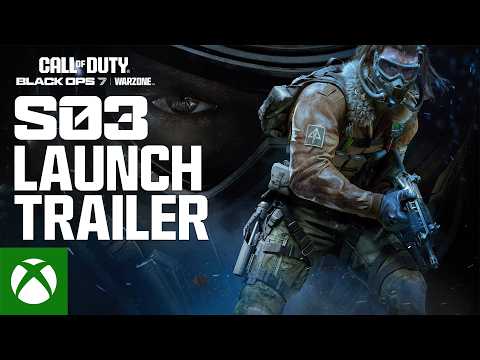
Triple the pressure. Triple the plays. Jump on 03 🤯 Season 03 of #BlackOps7 and Call of Duty #Warzone lands on April 2 🔥
https://www.xbox.com/games/call-of-duty-black-ops-7
SUBSCRIBE TO XBOX: https://xbx.lv/2EEjmaR
FOLLOW XBOX https://twitter.com/xbox https://www.facebook.com/xbox https://www.instagram.com/xbox/ https://www.tiktok.com/@xbox https://www.threads.net/@xbox https://bsky.app/profile/xbox.com
The Season 03 launch trailer for Call of Duty: Warzone alongside Black Ops 7 marks a pivotal moment for the franchise, signaling a renewed commitment to scale, strategy, and spectacle. As the screen fades in, the cinematic cadence establishes a tone that balances high-octane action with the subtle undercurrents of a shifting meta. This season arrives with a promise: redefine frontline engagement, expand the tactical toolkit, and deepen the lore that fans have followed across years of interconnected campaigns.
From the opening aerial shots to ground-level skirmishes, the trailer emphasizes proximity warfare and adaptive play. New map segments unveil a more dynamic environment where line-of-sight becomes as critical as loadout choice, and every encounter demands a calculated risk. The integration with Black Ops 7’s lineage is palpable; the trailer threads in familiar weapons, mechanics, and operator aesthetics, while pushing them into fresh silhouettes and utility contexts that reward timing and team coordination.
Content-wise, Season 03 expands the battle-pass ecosystem with extractable rewards that balance cosmetic allure and functional upgrades. Expect a cadence of seasonal challenges that tease cross-game synergies, encouraging players to experiment with weapon pivots, operator synergies, and vehicle-based strategies. The trailer hints at new modes or modifiers that nudge players toward creative approaches—whether that means altered armor dynamics, shield interactions, or objective rotations that reward map awareness over brute force.
Visually, the trailer leverages a refined color palette and lighting rig that punctuates critical moments: suppressive fire cutting through dusk silhouettes, tactical sweeps through rain-soaked streets, and explosive climaxes that spotlight both raw power and precise execution. The audio design marries thunderous gunplay with a braided score that crescendos at key moments, reinforcing the sense that Season 03 is as much about atmosphere as it is about mechanics.
On the strategic front, the Season 03 ecosystem invites players to rethink loadouts and roles. With new weapons entering the fold and potential rebalances to existing armaments, teams will need to recalibrate their approach to cover, rotation timing, and objective control. The emphasis on utility—think scanners, suppression devices, and mobility tools—will likely shift how squads coordinate, encouraging deliberate comms and anticipatory play.
For returnees and newcomers alike, the Season 03 launch trailer signals a sustained investment in the Warzone-Breakthrough narrative that fans have come to expect: moments of calculated risk, emergent tactics, and the thrill of clutch plays under mounting pressure. It’s a reminder that in this evolving battlefield, the edge goes to those who anticipate change, adapt swiftly, and execute with disciplined precision.
Bottom line: Season 03 for Call of Duty: Warzone and Black Ops 7 doubles down on strategic depth, polished presentation, and a forward-looking roadmap that promises new rhythms to master. As players drop into the update, the trailer’s pulse-check becomes a compass—directing teams toward smarter engagements, richer customization, and a more immersive shared warzone experience.
All the best video games, all the time. Watch no commentary gaming videos live and on demand. By Adrian M ThePRO the Game Professional.
• You are a pro gamer! • Share your content! • Get discovered!
Join The Pro Gamers Community on social media or login to 24/7 Video Game and submit your posts right to this website.
New & used video games, consoles, handhelds, retro, and gaming merchandise. Up Game Shop has the latest and greatest video game deals on the internet.

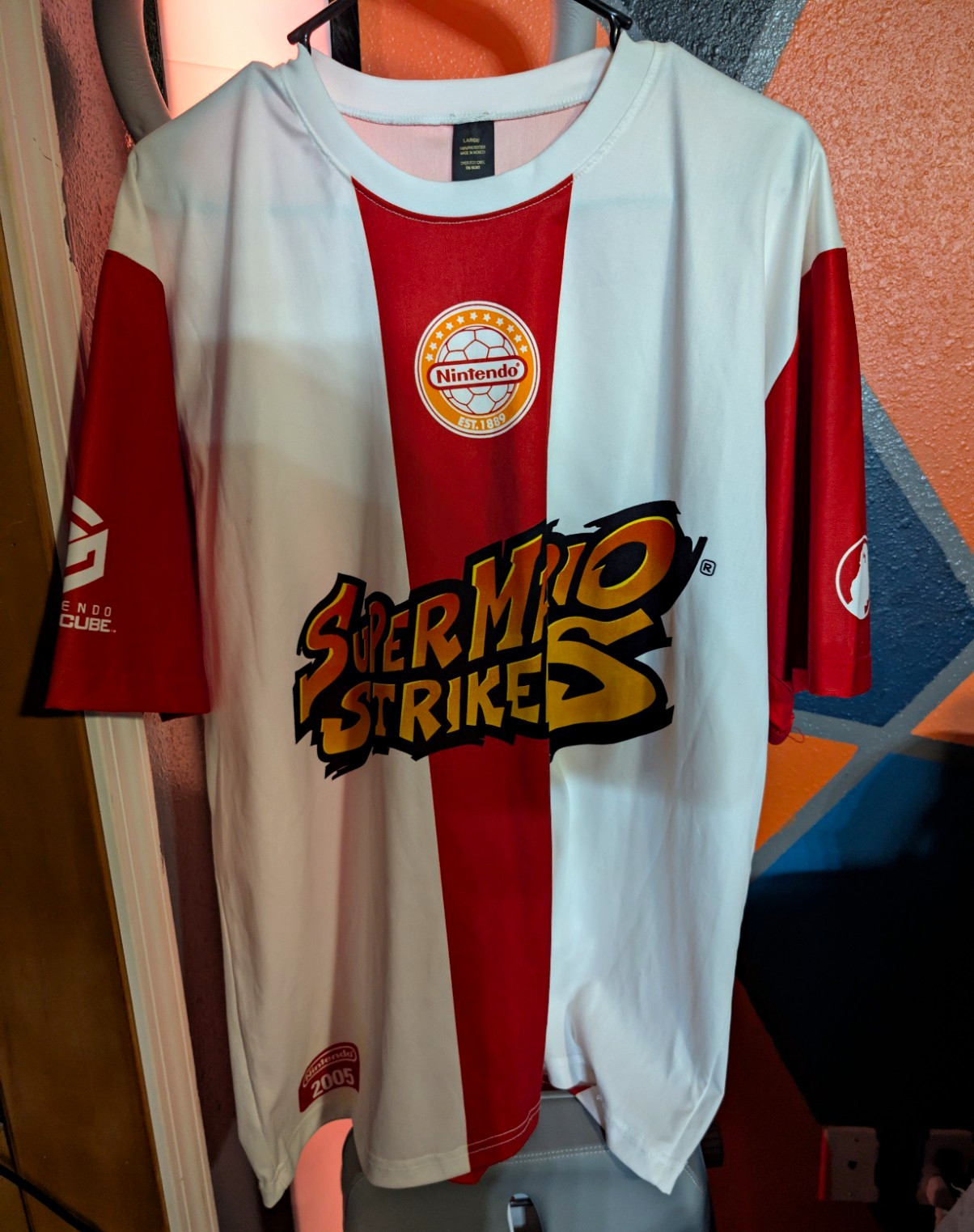
The Mario Strikers Promotion Large Jersey represents more than a simple piece of fan apparel; it is a tangible artifact that sits at the intersection of sports video games, promotional marketing, and collector culture. Emerging from a period when crossover branding between Nintendo’s iconic Mario universe and real-world sports branding gained traction, this item captures a moment when digital aesthetics and physical merchandise converged to expand the reach of a franchise beyond screens. As a collectible, its value is influenced by its rarity, the fidelity of its imagery to the Mario Strikers aesthetic, and the broader nostalgia market that prizes items associated with early- to mid-2000s gaming culture. The jersey’s existence within e-commerce marketplaces highlights a broader trend: the commodification of game-related ephemera as verifiable artifacts of gaming history, rather than solely as in-game commodities. This context helps explain why similar items command attention from collectors who map their collections across consoles, genres, and promotional campaigns.
In the wider tapestry of gaming journalism, promotional apparel tied to a specific title embodies how video games expanded into lifestyle branding. The Mario Strikers franchise—an offbeat, soccer-inspired spin on the Mario universe—has often existed at the periphery of mainstream sports branding, gaining cultural significance through fan communities, tournaments, and promotional partnerships. The jersey in question sits within a lineage of licensed apparel that includes character imagery, team logos, and stylized typography that resonate with players who remember the thrill of unlocking in-game enhancements and chasing high scores. It also serves as a case study for how used-market listings contribute to the historical record of a game’s cultural footprint: each listing preserves a snapshot of the item’s condition, provenance, and on-market dynamics at the moment of sale. For researchers and enthusiasts, such pieces help illuminate how fan culture, merchandising strategies, and digital IPs co-evolve over time.
Item specifications and marketplace presentation offer additional layers of analysis. The listing identifies the product as a large jersey featuring Mario Strikers branding, with a price point of $300 USD and free shipping in a fixed-price format with best offer available. The seller’s profile and the item’s condition—listed as used—play a role in assessing market liquidity and perceived value. In an archival sense, documenting the exact listing parameters—including location, shipping terms, and media assets—provides a precise record of the item’s market trajectory and potential resale dynamics. These data points contribute to a broader understanding of how physical collectibles tied to digital licenses navigate scarcity, demand, and the ebb and flow of collector interest.
Item Specifications
| Item Specifications | |
|---|---|
| Platform | T-Shirt / Apparel (Promotional Jersey) |
| Release Era | Promotional Merchandise Era |
| Condition | Used |
| Deep Dive Research | |
| 24/7 Video Game | Explore 24/7 Video Game Archives |
| History & Lore | Read the Wikipedia Entry |
| Video Content | Watch Related YouTube Videos |
| Compare Prices & Availability | |
| Up Game Shop | Get Your Game UP! |
| Amazon | Check Amazon Availability |
| Walmart | Check Walmart Availability |
| eBay | View Official eBay Listing |
The design of the Mario Strikers Promotion Large Jersey is emblematic of mid-2000s cross-media marketing, where video game franchises leveraged apparel as a means to extend brand visibility beyond console ecosystems. The jersey’s visual language—bright color palettes, stylized typography, and character-driven iconography—echoes the way game art was translated into wearable form. The physical garment becomes a canvas for fan identity, signaling allegiance to a particular game world while also functioning as a collectible artifact. For collectors, the tactile qualities of the piece, including fabric weight, stitching, and print fidelity, contribute to its long-term desirability, especially when paired with provenance from a seller’s listing history and accompanying media assets such as product photography.
A key figure in the broader Mario Strikers universe is the fictional character Mario, a protagonist who has long served as the franchise’s anchor. While not the sole driver of every promotional item, Mario’s presence in promotional apparel frequently aligns with brand campaigns designed to maximize recognition and merch potential. In this particular context, a dedicated discussion about the character’s impact would explore how Mario’s cultural cachet translates into tangible merchandise, reinforcing the franchise’s global appeal and providing a lens through which to examine fan engagement, nostalgia cycles, and the economics of licensed apparel. The interplay between the character’s on-screen persona and the off-screen merchandising strategy reveals how branding decisions shape collector behavior and influence the historical record of a title’s cultural footprint. For those seeking broader context, note that the concept of cross-media branding and character-driven merchandising is explored in related narratives about game IP development and promotional ecosystems across esports and traditional sports marketing.
In sum, the Mario Strikers Promotion Large Jersey stands as a notable artifact within the spectrum of gaming memorabilia. It encapsulates a period when digital franchises sprawled into physical wearables, inviting collectors to engage with history through tactile reminders of interactive experiences. Its market presentation—complete with explicit pricing, shipping terms, and a direct purchasing path—also offers a snapshot of how such items circulate within online marketplaces, contributing to an ongoing, data-rich chronicle of gaming culture. This item thus remains relevant not only for its aesthetic and nostalgic resonance but also for its function as a data point in the evolving study of game-based merchandising and collector economies.
Secure this specific listing for your collection right here: View the official listing on eBay
Disclosure: 24/7 Video Game may earn a commission from purchases made through the links in this article. As an Amazon Associate I earn from qualifying purchases.

Join us on September 24th at 9:00 am PT for the Indie Fall Fest from The MIX and Digital Bandidos. Featuring unrelased indie games that will launch demos in October 2025.
#IGN #Gaming
All the best video games, all the time. Watch no commentary gaming videos live and on demand. By Adrian M ThePRO the Game Professional.
• You are a pro gamer! • Share your content! • Get discovered!
Join The Pro Gamers Community on social media or login to 24/7 Video Game and submit your posts right to this website.
New & used video games, consoles, handhelds, retro, and gaming merchandise. Up Game Shop has the latest and greatest video game deals on the internet.



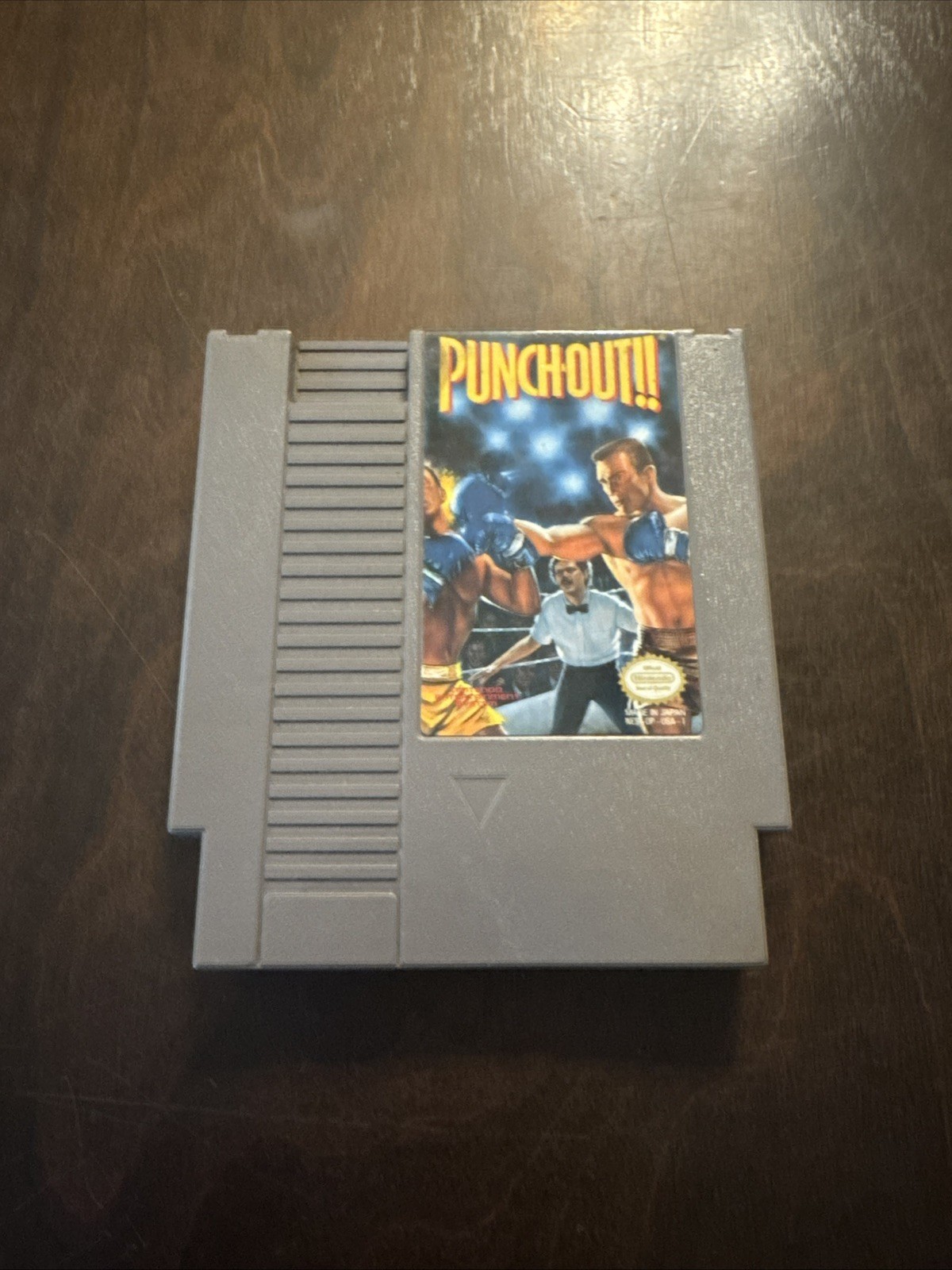
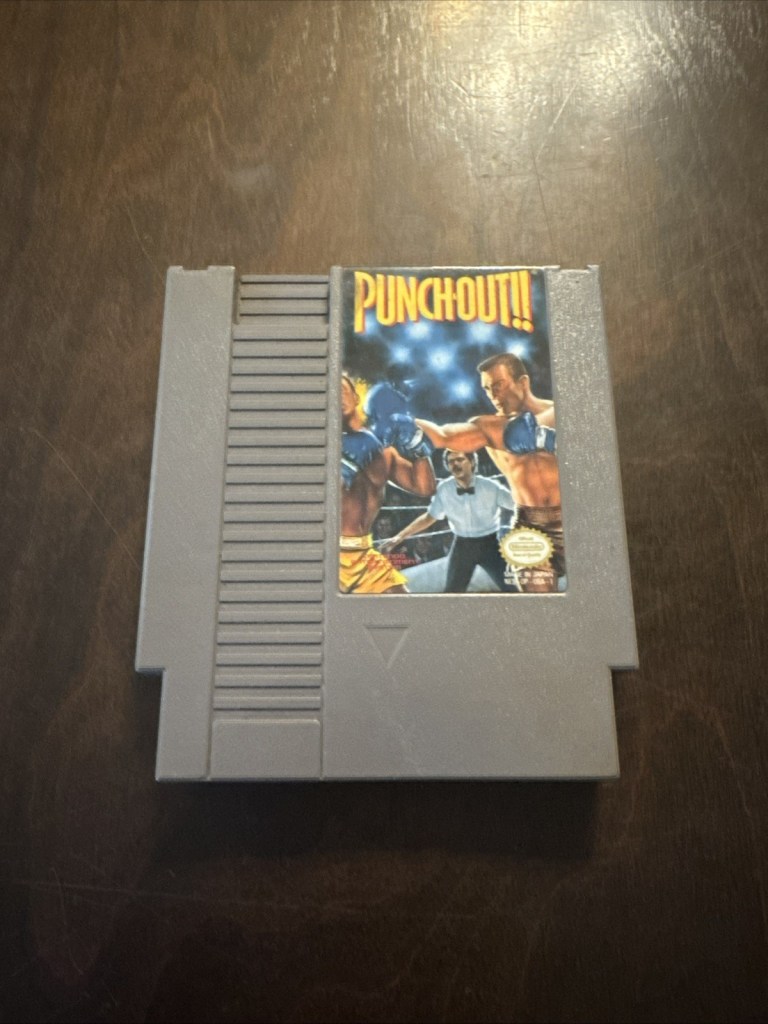
Punch-Out!! stands as a landmark title within the Nintendo Entertainment System library, emblematic of a transitional era when arcade-inspired design principles migrated to the living room and home television. First released in 1987 in arcades and subsequently adapted for the NES in 1990, the game fused fast reflexes, memorization, and character-driven boss encounters into a structured, sport-adjacent package. Its cultural footprint extends beyond its core gameplay, influencing how retro gaming is perceived in collector circles and how boxing-based interactivity is represented in late-1980s and early-1990s game design. The NES version scaled the arcade’s rapid pacing to accessible home play, enabling a broader audience to engage with a boxing universe that rewarded pattern recognition, timing, and strategic exploitation of enemy tells. In contemporary discussions of gaming history, Punch-Out!! is frequently cited for its distinctive art direction, its nuanced enemy roster, and its ability to transform a relatively simple control scheme into a deeply memorable challenge sequence. The title’s enduring relevance is underscored by collector interest in complete-in-box editions, cartridge variants, and period packaging that captures the era’s aesthetic sensibilities while maintaining functional hardware compatibility across the NES ecosystem. This synthesis of accessible mechanics and distinctive character design makes Punch-Out!! a touchstone for researchers tracing the evolution of sports-themed video games within the broader medium.The object of this analysis is the 1990 NES iteration commonly described in listings as Punch-Out!! (Nintendo Entertainment System NES 1990) Vintage Retro — Tested. From a collecting and archival perspective, such listings provide a snapshot of the market’s valuation of playable, semi-functional hardware alongside the nostalgia-driven demand for retro titles. The listing’s stated condition, price point, and shipping terms contribute to a broader understanding of how late-era NES items circulate within online marketplaces, where the balance between playability and preservation often informs a buyer’s decision. The cultural resonance of this specific release is enhanced by its association with a formative era of home-console boxing titles, a genre that has continued to evolve through sequels, remakes, and cross-media adaptations. As a cultural artifact, this item embodies the intersection of reproducible nostalgia and tangible hardware history, offering researchers and collectors alike a tangible artifact to study the material culture surrounding retro game appreciation. The enduring appeal lies not only in the gameplay legacy but also in the physical object—the cartridge, label art, and packaging—that together narrate a period when video games began asserting themselves as collectible objects with historical significance.
Disclosure: 24/7 Video Game may earn a commission from purchases made through the links in this article. As an Amazon Associate I earn from qualifying purchases.

A feeling of being safer than one really is... Take a look at the teaser for the long-awaited sequel to Alien: Isolation, the survival horror game developed by Creative Assembly.
#ign #gaming
In the dense hush of a shuttered space, where every corridor hums with latent threat, the official teaser for the next chapter in the Alien: Isolation saga promises a return to the franchise’s most precise and nerve-wracking horror. This trailer does not merely announce a sequel; it recalibrates the stakes, inviting players to step back into a universe where stealth is not a tactic but a lifeline.
From the opening frames, the atmosphere is unmistakably callous and meticulous—cool lighting, tight angles, and a soundscape that threads distant mechanical whines with the near-silent footfalls of an unseen hunter. The trailer leans into the franchise’s core strength: the paranoia of proximity. In a few cleverly cut sequences, we glimpse a character navigating a labyrinth of maintenance ducts, air vents, and deserted service bays, underscoring a design philosophy that has always privileged player restraint over loud confrontation.
Visuals are crisp and purposeful. Industrial textures—peeling paint, riveted hull plates, and frost on viewport glass—create a tactile sense of space that feels both lived-in and perilous. The creature’s silhouette is teased rather than shown, amplifying suspense as players are reminded that danger often manifests in absence: a sound that isn’t there, a shadow that doesn’t quite align, a heartbeat that syncs with the player’s breath.
Sound design takes center stage, with the unmistakable emphasis on feedback loops that reward careful pacing. The metallic groan of a station settling, the whisper of a vent’s grate, and the muffled thud of distant footsteps form a sonic map of the environment. Music is sparing but devastatingly effective, a low tremolo that rises just enough to signal impending danger without tipping into melodrama.
Narrative threads begin to surface in the teaser, hinting at a larger, more intricate conspiracy that fans will recognize as the franchise’s hallmark. The teaser suggests that the new installment will expand beyond a singular chase to explore the consequences of containment breaches, corporate malfeasance, and the fragile humanity of those who are asked to survive within the gravity of a corporate nightmare.
Mechanics appear poised to honor the series’ DNA: resource scarcity, inventive improvisation, and a refined AI that learns from your patterns without surrendering to predictability. The teaser’s glimpses of crafting, environmental interaction, and stealth-based progression imply a game that rewards patient observation and strategic risk-taking over reckless bravado.
For long-time enthusiasts and newcomers alike, the teaser announces a return to a universe where every choice carries weight. It promises a meticulously crafted experience that respects the franchise’s legacy while pushing its boundaries—maintaining the claustrophobic tension that has defined the Alien: Isolation experience, and expanding it with new threats, smarter systems, and a narrative scope that deepens the lore.
In sum, the Official Sequel Teaser is not merely a promotional shard; it’s a deliberate invitation to re-enter a world where survival hinges on precision, restraint, and unwavering vigilance. Fans can anticipate a continuation that honors the franchise’s reputation for uncompromising suspense, while delivering fresh impulses that will keep players awake long after the lights return. The countdown has begun, and the horizon promises a new chapter of meticulously engineered fear.
All the best video games, all the time. Watch no commentary gaming videos live and on demand. By Adrian M ThePRO the Game Professional.
• You are a pro gamer! • Share your content! • Get discovered!
Join The Pro Gamers Community on social media or login to 24/7 Video Game and submit your posts right to this website.
New & used video games, consoles, handhelds, retro, and gaming merchandise. Up Game Shop has the latest and greatest video game deals on the internet.

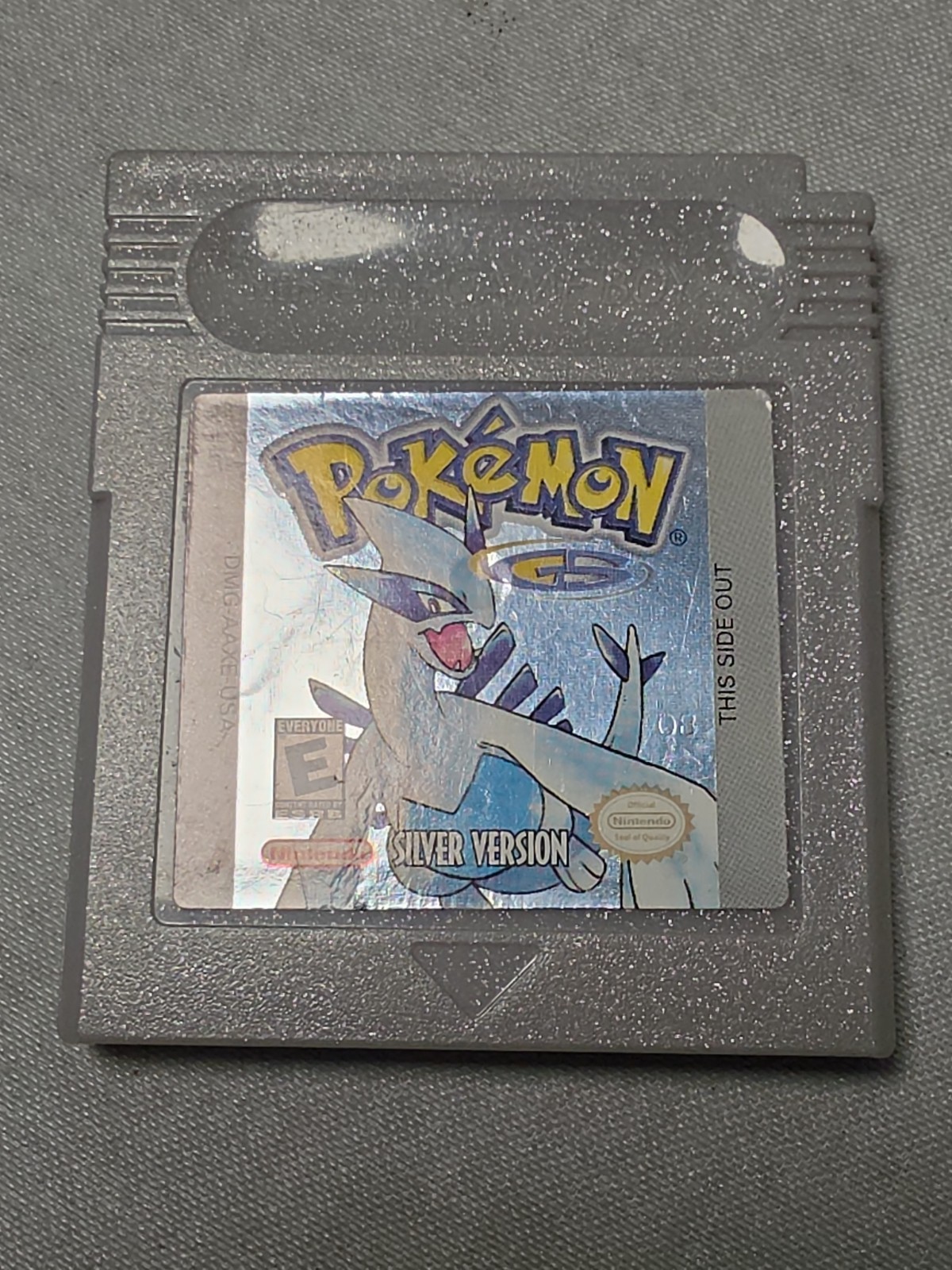
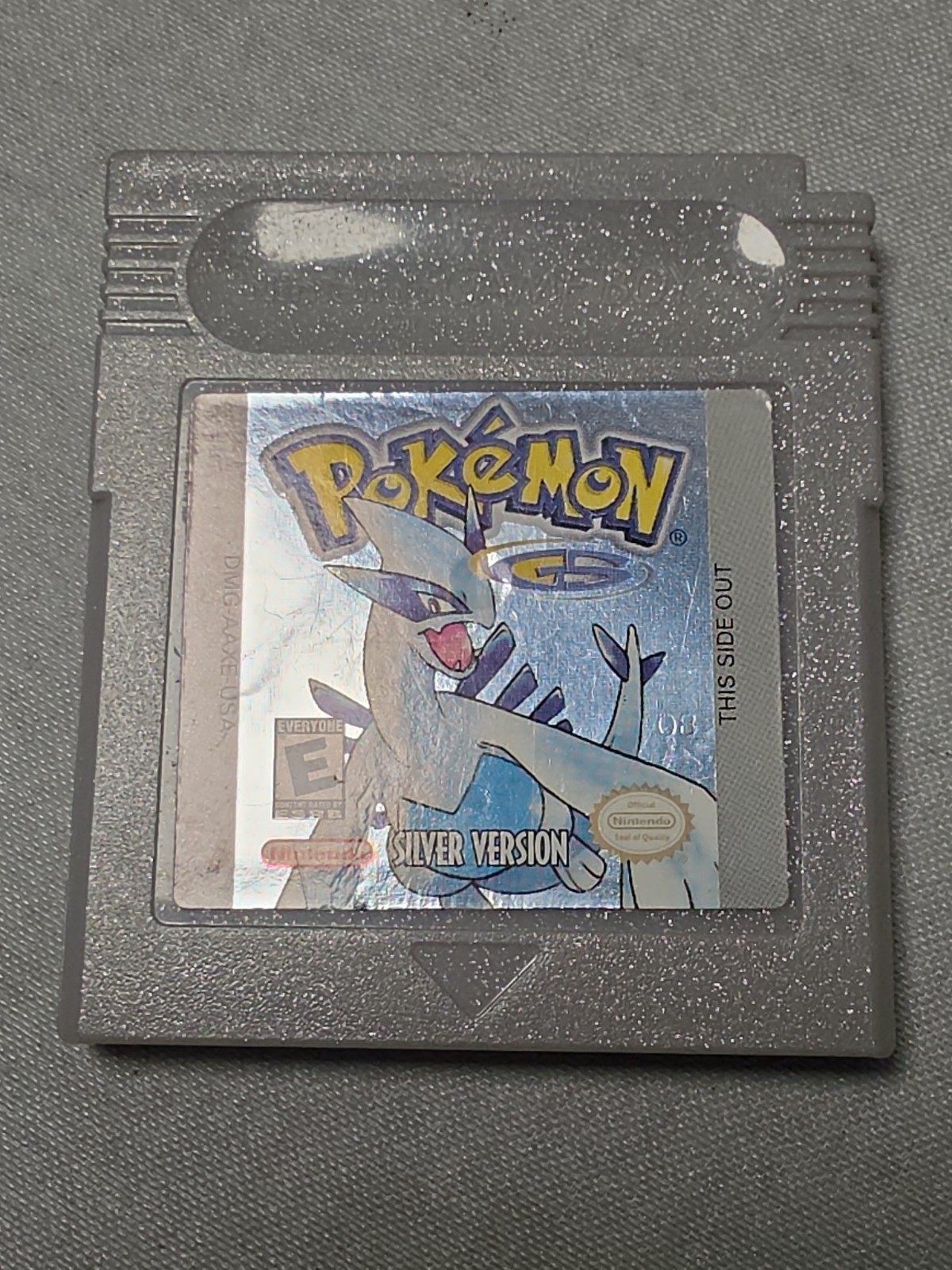
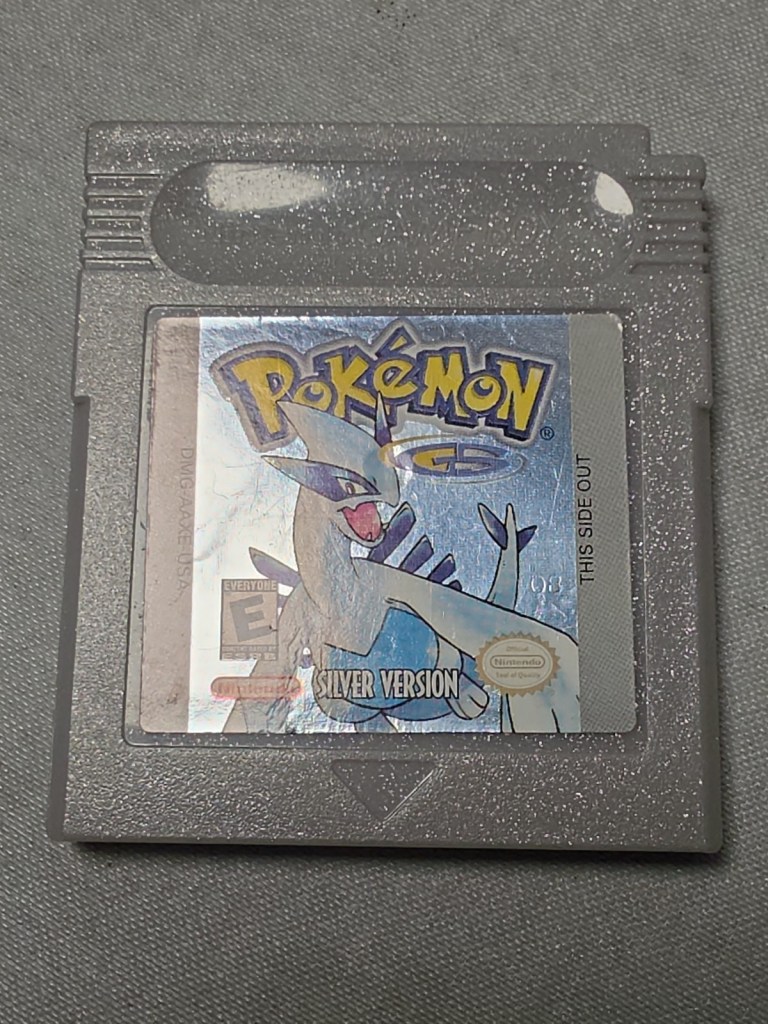
Momentum builds when a vintage cartridge surfaces, carrying with it a whisper of the late era of the Game Boy Color era. This piece dives into the tactile thrill of unearthing a Pokemon Silver Authentic GBC Cartridge, a relic that folds time back to a summer of battery-backed adventures and pocket-sized quests. For enthusiasts and casual gamers alike, the moment a pristine cartridge meets modern curiosity never fails to spark a cascade of questions: What makes this cartridge special, and how does it stand up to contemporary standards? Wikipedia offers a broad panorama of handheld history, while IGN anchors the conversation in current retro culture.
Authenticity matters when the legend of Pokemon Silver extends beyond its in-game leagues to the physical artifact that houses the journey. The listing details, from listing type to the quality of the cartridge, provide a snapshot of the collector’s market and the careful grading that accompanies it. As collectors compare condition marks and serials, Pokemon.com remains a beacon for franchise credibility, while Billboard reminds audiences how cultural artifacts resonate beyond gaming. The ongoing dialogue between preservation and accessibility is central to the hobby’s vibrancy, echoing the complexity of retro gaming communities worldwide.
Beyond the nostalgia, the GBC hardware carries a design ethos that still informs contemporary hardware tinkering. The cartridge’s stability, the screen’s glow, and the cartridge’s data storage practices all contributed to a holistic experience that defined a generation. Readers who explore the hardware lineage can cross-reference with Wikipedia for a technical snapshot, and with IMDb for broader media connections that often accompany beloved franchises like Pokemon.
Every listing tells a story about demand, supply, and the emotional currency of collecting. The price tag, the shipping costs, and the seller’s feedback score sketch a map of trust across a global bazaar where nostalgia meets commerce. As with any vibrant marketplace, Rogerebert.com might not cover this niche, but it serves as a reminder that storytelling thrives when communities rally around a shared object. For those curious about how markets shape preservation, Wikipedia provides a broader lens, while Nerdist offers ongoing culture coverage that keeps retro discussions lively.
When a cartridge like Pokemon Silver passes from shelf to screen, it becomes part of a larger hall of fame in the mind of gamers who cherish discoveries in portable play. The narrative shifts from individual item to the community’s shared memory, a tapestry woven with anecdotes, mutations, and even debates about authenticity. For historical context, Wikipedia offers a blueprint of handheld evolution, while IMDb occasionally threads compatible documentary material into the broader cultural fabric.
In the end, the thrill of a tested, authentic Pokemon Silver GBC cartridge is less about the numerical value and more about the enduring pulse of discovery, preservation, and shared joy among fans. The physical object remains a conduit for memory, curiosity, and ongoing conversations about how classic experiences map onto modern screens. For readers seeking deeper dives, Wikipedia and IGN offer gateways into broader retro gaming discourse that continues to captivate new generations of players.

Watch the Launch Trailer for Bounty Star, a 3D action-adventure mech Western game developed by Dinogod. Players will brave the unforgiving American Southwest as Clem to make use of her combat and mech-piloting talents for a good cause across the Red Expanse.
Dispatch criminals and dangerous beasts alike while making key upgrades to Clem's mech and establishing a comfortable homestead to prepare for what lies next. Bounty Star is available now for PlayStation 5 (PS5), Xbox Series X|S, Xbox Game Pass, and PC (Steam).
#BountyStar #ActionAdventure #Western
All the best video games, all the time. Watch no commentary gaming videos live and on demand. By Adrian M ThePRO the Game Professional.
• You are a pro gamer! • Share your content! • Get discovered!
Join The Pro Gamers Community on social media or login to 24/7 Video Game and submit your posts right to this website.
New & used video games, consoles, handhelds, retro, and gaming merchandise. Up Game Shop has the latest and greatest video game deals on the internet.



Seller: thegreatfindsstore (100.0% positive feedback)
Location: US
Condition: Used
Price: 30.00 USD
Shipping cost: Free
Buy It Now
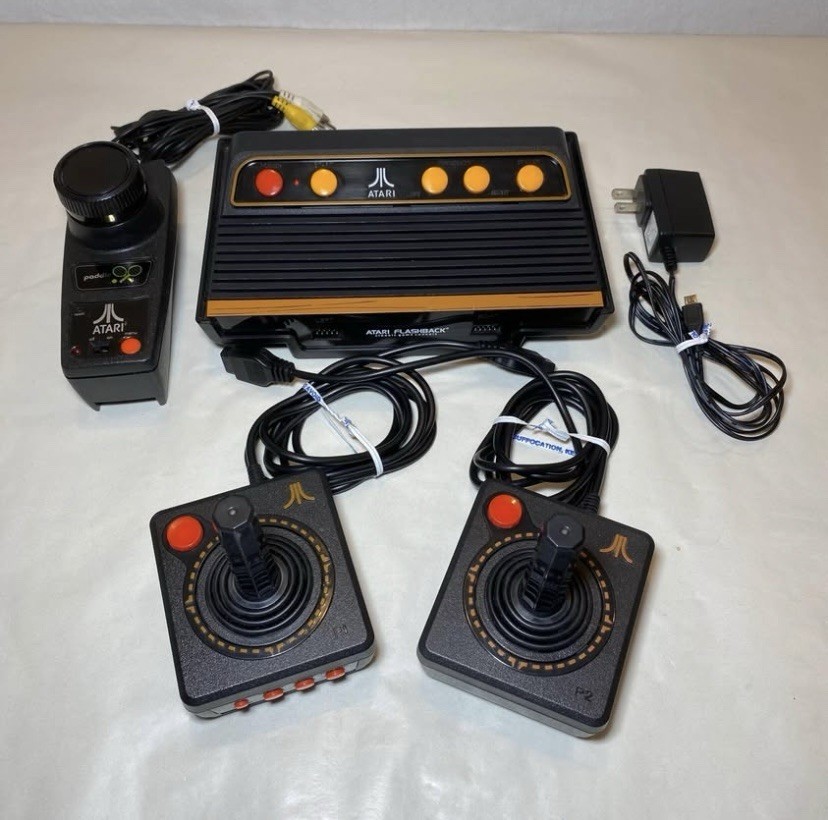
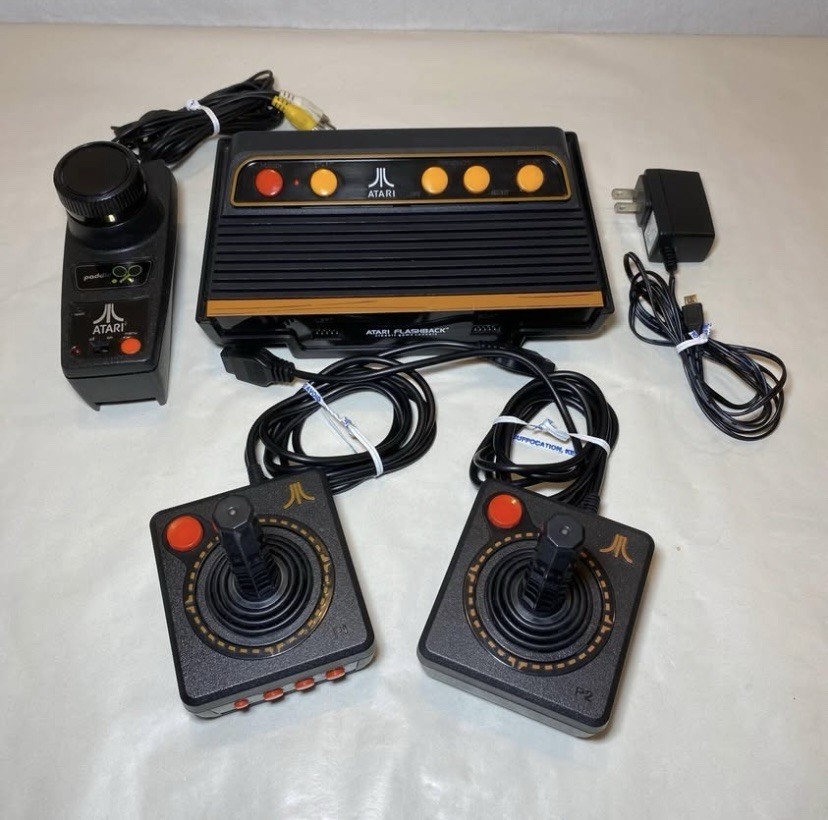
The Atari Flashback 9 Retro Video Game Console has carved out a niche for players who crave a succinct, tactile return to the arcade-era classics, all wrapped in a streamlined, plug-and-play package. This latest iteration continues to honor Atari’s legacy while delivering a modern, accessible entry point for both nostalgic adults and curious newcomers. Central to its appeal is the emphasis on reliable controller compatibility, particularly the paddle-style peripherals that hark back to the original arcade experiences.
Hardware and Setup The Flashback 9 arrives with a compact, retro-styled console designed for effortless setup. Users can simply connect the unit to a TV via HDMI, power it, and access a preloaded library of classic titles. The plug-and-play focus minimizes friction: no complex firmware updates, no external emulation boxes, just a straightforward doorway to Atari’s era-defining games. The included controllers—especially the paddles—are tuned to deliver that familiar feedback without the fuss of proprietary adapters or tricky synchronization steps. For many players, this means immediate immersion and fewer barriers to getting hands-on with the games they remember.
Paddle Controllers: A Return to Form The paddle controllers are the centerpiece for fans who associate Atari with the tactile charm of analog input. In practice, the paddles provide smooth, responsive rotation that is well-suited to racing titles and precision-based shooters in the collection. Build quality remains sturdy, with a comfortable grip and reliable wheel action that translates well to the screen. While some players may still crave the precise centering and micro-adjustments of the original hardware, the current generation of paddles hits a fine balance between retro feel and modern playability.
Game Library and Vintage Experience The included lineup spans a curated cross-section of Atari’s most enduring titles, offering familiar faces alongside arcade staples. The emulation shines through a clean presentation: crisp spritework, faithful color palettes, and a responsive control mapping that makes era-appropriate challenges approachable. The experience is less about pushing cutting-edge graphics and more about recapturing the cadence of classic play, from start-to-finish sessions that evoke the atmosphere of arcade lounges and living room setups from decades past.
Performance and Reliability Feedback from testers highlights consistent performance across a variety of games. Load times remain modest, and the compatibility with paddle peripherals is maintained without noticeable input lag or drift during extended play sessions. For collectors and casual players alike, this reliability translates into fewer interruptions and more time spent enjoying the games themselves.
Considerations for Buyers - Plug-and-play simplicity: ideal for gift-giving or quick weekend sessions without the need for additional hardware. - Paddle peripheral quality: a standout feature for fans of analog control, though personal preference may vary based on the specific titles you enjoy. - Library scope: a thoughtfully chosen catalog that emphasizes classic Atari experiences while offering enough variety to sustain replayability. - Display and sound: the output remains faithful to the era, with a respectful nod to the original audio cues and visual style.
Conclusion The Atari Flashback 9 offers a refined, user-friendly route back to the golden age of arcade gaming. Its emphasis on dependable paddle controllers, straightforward setup, and a well-curated library makes it an appealing option for both seasoned retro enthusiasts and newcomers curious about the roots of home gaming. If you value immediacy, authenticity, and a touch of nostalgia, this console delivers a compelling retro gaming session right out of the box.

24/7 Video Game All the best video games, all the time. Watch no commentary gaming videos live and on demand. By Adrian M ThePRO the GameProfessional.
"Battlefield Team Death Match PS5 Gameplay 06/26/2025"

• You are a pro gamer!
• Share your content!
• Get discovered!
Join The Pro Gamers Community on social media or login to 24/7 Video Game and submit your posts right to this website.
Up Game Shop New & used video games, consoles, handhelds, retro, and gaming merchandise. Up Game Shop has the latest and greatest video game deals on the internet.

Listing type: Fixed price
Best offer: Available
Seller: himari_auto (100.0% positive feedback)
Location: JP
Condition: Used
Price: 378.00 USD
Shipping cost: Free
Buy It Now
#Sponsored
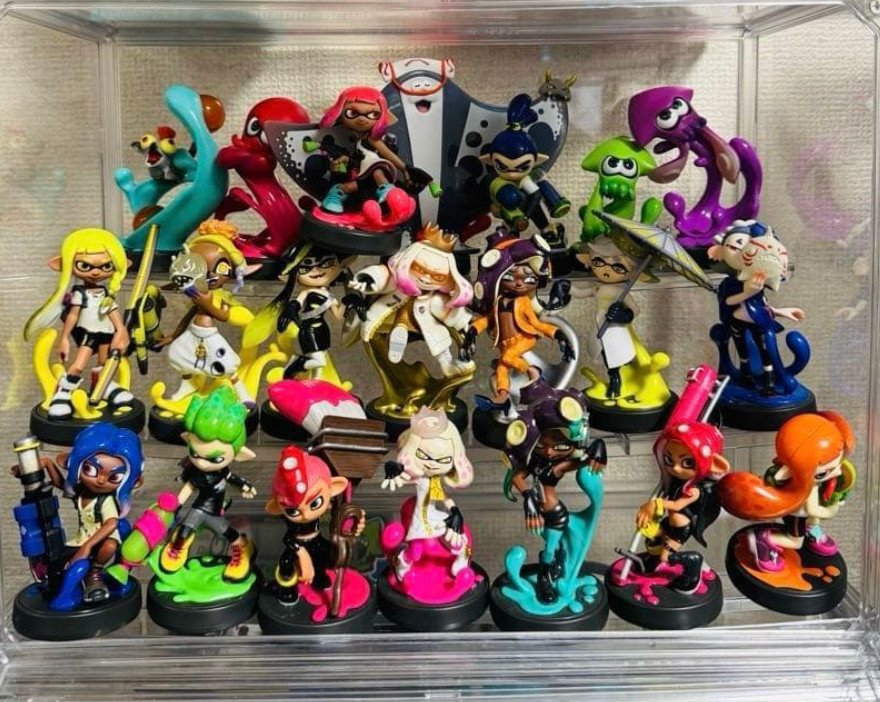
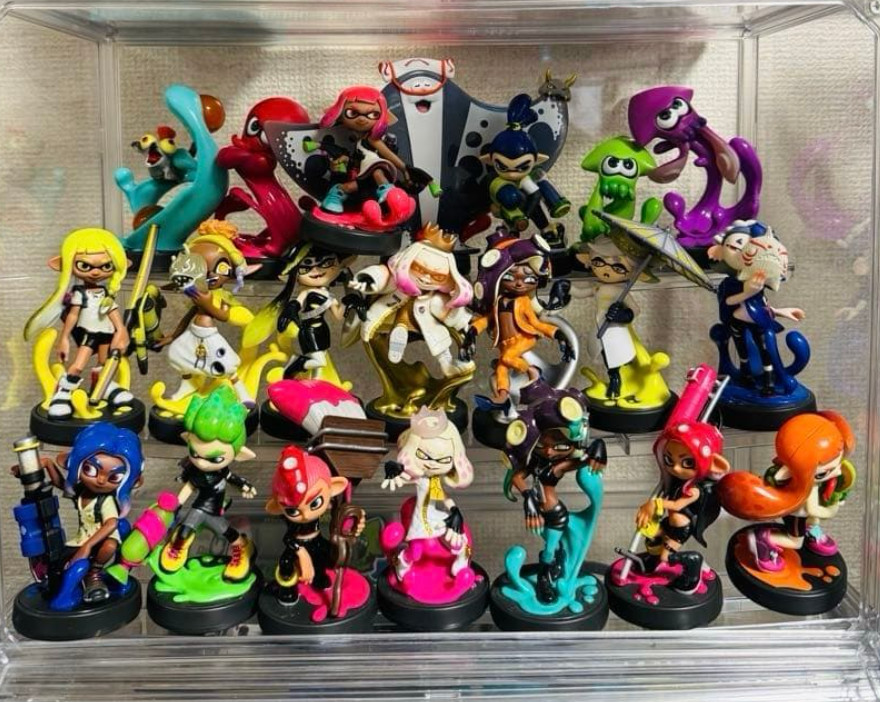
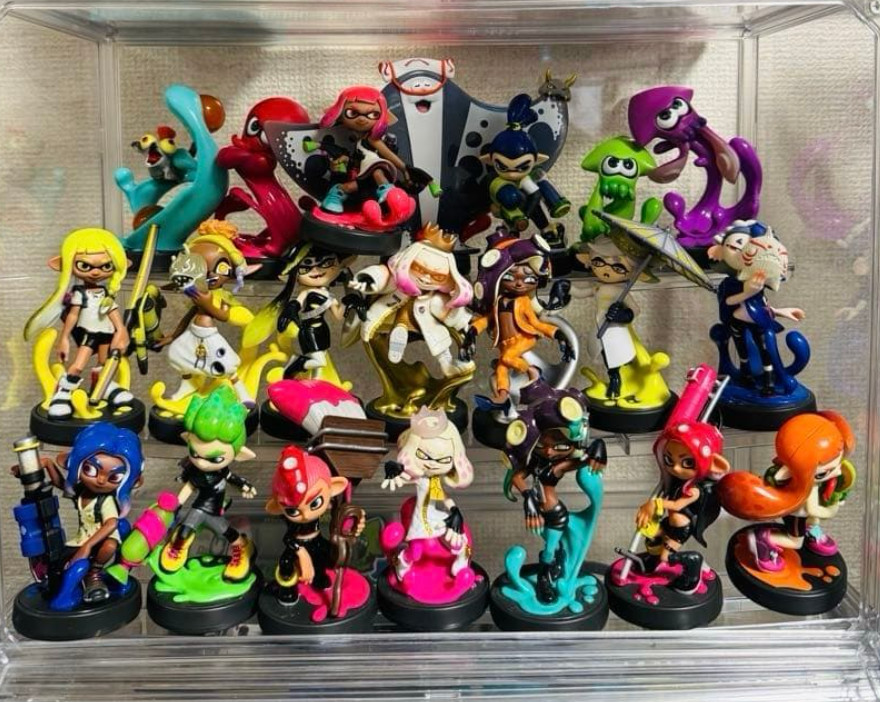
In the vibrant world of Nintendo collectibles, few items capture the crossover between gaming memory and tangible keepsakes like the Splatoon amiibo line. For collectors and enthusiasts looking to expand their library, a lot comprising 21 figures—described here as a Side Order that includes Alterna and Deep Cut variants—offers a compelling balance of rarity, display value, and playability. This draft provides a practical approach to assessing, authenticating, and responsibly managing such a lot, especially when the pieces are used.
Assessing condition and value - Visual inspection: Look for scratches, paint wear, defacing on the figure surfaces, and any damage to the base or connector area. While display-only enthusiasts may accept light wear, functional amiibo should be tested for NFC compatibility if you have the necessary hardware. - Packaging vs. loose: Determine whether the figures are loose, carded, or semi-carded. Loose figures generally fetch a lower price but offer flexibility for custom display. Carded or sealed items retain higher value, particularly when the card backs are intact and the holographic logo remains unblemished. - Compatibility and use: Amiibo function across Nintendo platforms, enabling in-game bonuses, character skins, or in-game currencies when scanned. Ensure you have a compatible device to verify functionality if that is part of the buying or selling decision.
Authentication and provenance - Source verification: When possible, obtain documentation or seller notes about purchase history, the existence of original packaging, and any restoration or repaint work. For used lots, a clear provenance reduces risk of counterfeit concerns or misrepresentation. - Variant awareness: Some figures exist as variants or re-releases with subtle differences. Cross-reference with trusted guides or official Nintendo rosters to confirm whether a figure in the lot is a sought-after variant or a standard release. - Serial checks: NFC and production marks on bases can help confirm authenticity. In a collectible market, precise dating and production run data can influence price and desirability.
Valuation considerations - Market dynamics: The value of an amiibo lot fluctuates with demand, new game releases, and the discovery of popular configurations within a lot. A 21-figure set that includes Alterna and Deep Cut elements may command a premium if the variants are recognized as desirable by the community. - Condition-adjusted pricing: A well-preserved lot with many cards intact and minimal wear will typically outperform a similar set with visible damage. If the lot is mostly loose with some figures in good condition, you can negotiate a price that reflects both display potential and handling history. - Completeness and presentation: If a prospective buyer or seller values completeness, the presence of a cohesive group of characters and consistent condition can influence the negotiation. A well-documented inventory with photos increases confidence and may support a higher perceived value.
Best practices for buyers and sellers - Transparent listing: For sellers, provide a clear tally of included figures, their condition, whether packaging is present, and any known issues. For buyers, request close-up images of each figure, bases, and any packaging fragments. - Verification window: If feasible, offer a short window for buyers to test NFC functionality or request additional verification photos. This reduces post-purchase disputes and builds trust. - Proper handling: When moving between buyers, use protective packaging, especially for cards and delicate bases. For loose figures, consider soft padding and secure storage to prevent paint chipping or base damage during transit.
Display and storage ideas - Thematic displays: Create a cohesive display by grouping figures by character or release wave. Incorporate small labels with character names and release years to enhance the exhibition value. - Safe storage: If you plan to retain the lot, consider UV-protective cases or acrylic displays that minimize dust exposure while maintaining visibility. Temperature-controlled environments help preserve paint integrity over time.
Conclusion A 21-figure Splatoon amiibo lot featuring Side Order elements along with Alterna and Deep Cut variants represents a nuanced intersection of collection, playability, and display potential. Whether you are buying to complete a collection, optimizing display value, or exploring the nostalgia of Splatoon-era figures, approach the purchase with a clear checklist: verify condition, confirm authenticity, assess market value, and plan for careful handling and storage. With thoughtful consideration, this lot can become a centerpiece in a well-curated Nintendo collection that resonates with both seasoned collectors and new enthusiasts.

Enjoy the new gameplay launch trailer for Primal Planet, the primeval pixel-art survival metroidvania that hits PC on July 28. Check it out on Steam if you're interested: https://store.steampowered.com/app/2350270/Primal_Planet/
"Primal Planet - Official Launch Trailer"
24/7 Video Game All the best video games, all the time. Watch no commentary gaming videos live and on demand. By Adrian M ThePRO the GameProfessional.


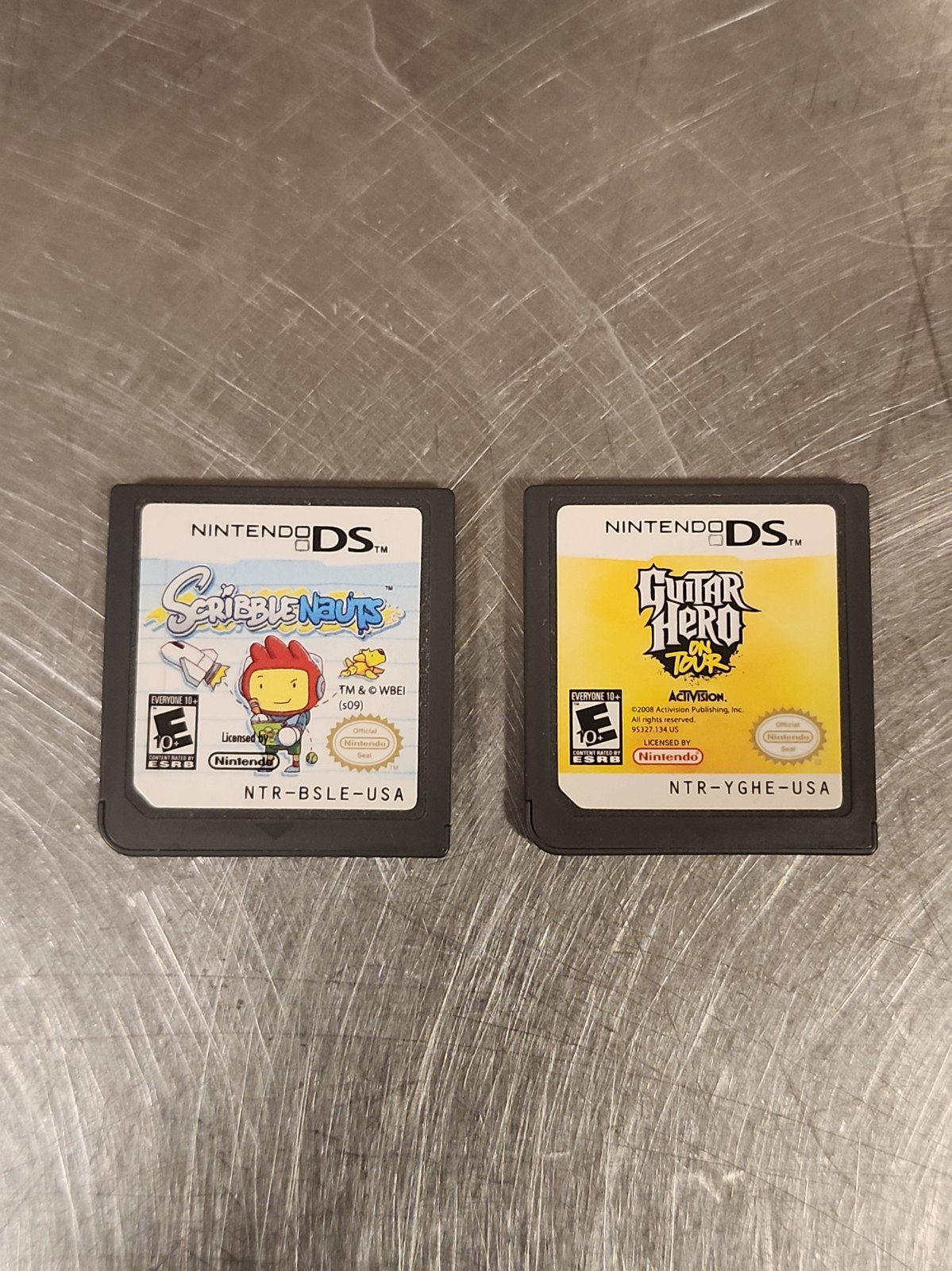
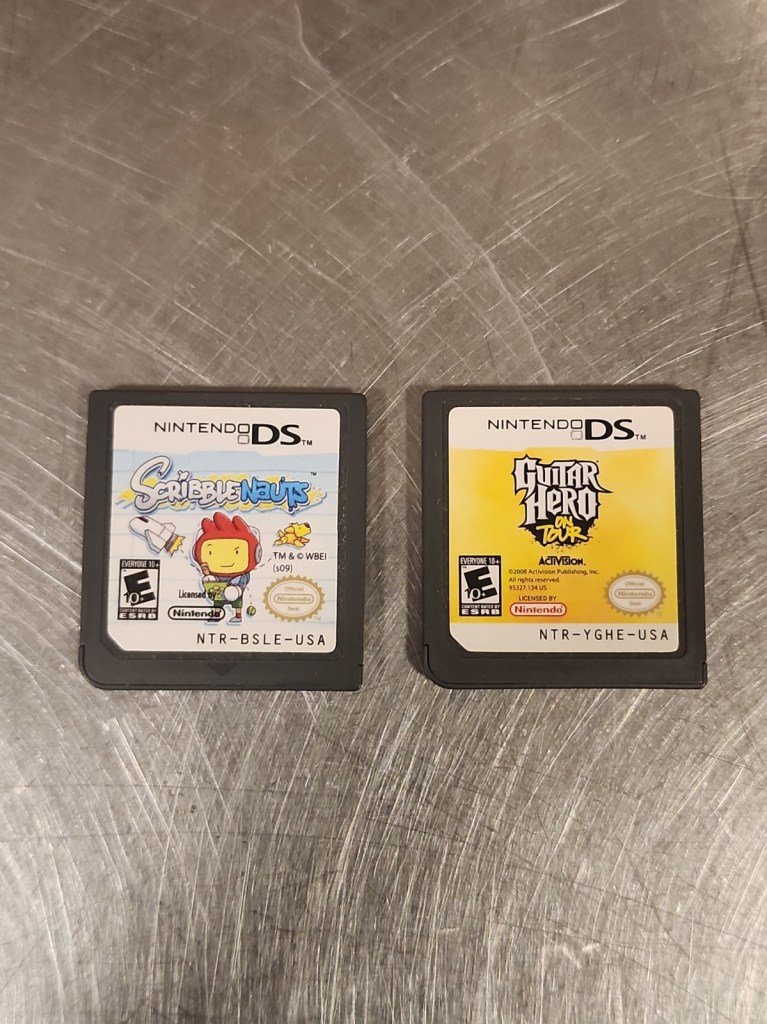
Are you really a gamer if you’ve never slapped your own nostalgia across a cartridge and called it a lifestyle? If you disagree, you probably haven’t held a Scribblenauts cartridge in one hand and a Guitar Hero On Tour cartridge in the other, realizing that two wildly different eras of handheld gaming somehow align on a single, stubborn crease of plastic. Here’s a product that doesn’t just exist to collect dust; it shouts a mission statement to every collector who believes in the sacred relics of a gaming era when innovation came in tiny, stubborn cartridges and epic memories were made in the palm of your hand.
Let’s talk about the package that cements this moment in time: Scribblenauts Nintendo DS paired with Guitar Hero On Tour—cartridges only, no peripherals. This isn’t a bundle you casually stumble upon at a convention; it’s a blink-and-you-miss-it snapshot of a gaming world where creativity (Scribblenauts’ genius) and rhythm (Guitar Hero On Tour’s pulse) collided in the most portable way possible. The cartridges-only nature is a boast, not a limitation: it declares you’re after purity, not fluff. You’re here for the core DNA of two iconic IPs that defined a generation of handheld play, now accessible in a single, quietly thrilling package.
Why does this matter to collectors and to gamers who love the culture surrounding it? Because it’s a bridge across two legendary franchises that rarely shared shelf space: a puzzle-platformer that rewarded thinking outside the lines and a rhythm game that turned your fingertips into metronomes. Owning the cartridges signals allegiance to the era when game libraries fit into your pocket and your personality could be read by the game you chose to carry. It’s not just about playing the games; it’s about owning a statement: that handheld moments mattered, that scarcity creates a certain cultural currency, and that the right cartridge can conjure a memory you didn’t even know you were missing.
In the wild world of retro and used markets, this item becomes a conversation starter, a test of your memory and your collection’s spine. Very Good condition, priced at a mere $17.78, it’s the kind of find that makes you rethink what “affordable” means in the world of nostalgia. It’s a reminder that as much as the industry evolves toward streaming, cloud saves, and digital libraries, the tactile thrill of a cartridge in hand remains unmatched—the click of the label, the risk of a scratched pin, the certainty that you own a piece of the culture you claim to love.
As a collectible and a functional piece of gaming history, this cartridge-only bundle invites you to showcase your allegiance with a bold, unapologetic stance. It’s not about having the perfect playthrough; it’s about owning a chapter of handheld gaming that helped shape what we today nerd out about online. The eBay listing from a seller with high feedback suggests reliability, and that blend of nostalgia and trust is exactly what makes this find worth chasing in a world full of flashy modern gear.
Now, if you’re chasing a way to prove you were there from the start, or you’re looking for a conversation starter that will spark debates at your next retro gaming meet-up, this is the item to bring along. Cartridges-only means fewer modern compatibility headaches, a cleaner shelf, and a story you can tell about how you started collecting in a world when every new cartridge felt like a small revolution. This is the kind of piece that helps you tell the story of gaming’s journey, one cartridge at a time.
Comparison Shopping Section
🔥 Deal Check: Don't just take our word for it. Compare prices across the web:
Grab the featured deal right here: Check Availability
Where are you playing from, and what was your very first console?

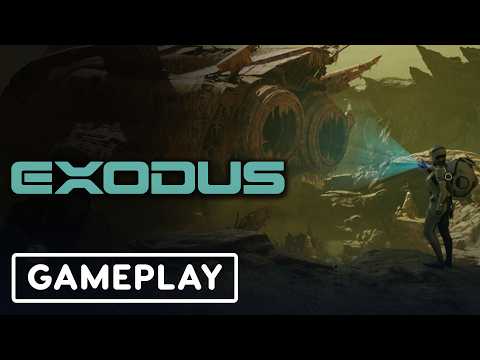
Take a tour of the most volcanically active world in the Malakbel system in this latest Exodus video, highlighting work-in-progress gameplay from the upcoming sci-fi action-adventure RPG. The new video showcases Jun Aslan, along with companions Elise and Phaedra, as they pass through a cave with toxic yellow mist and walls coated in condensed sulfur. We also get to see a deep volcanic crater, and a derelict starship half-buried in the landscape.
Extended gameplay for Exodus will be revealed in summer 2026.
Exodus will be available on PlayStation 5 (PS5), Xbox Series X/S, and PC in 2027.
Exodus is a sci-fi action-adventure RPG where you become the Traveler—leading humanity’s fight for survival against the Celestials. Face our evolution 40,000 years in the future, explore extraordinary worlds, and confront time itself to shape the fate of generations.
The latest official gameplay video for Exodus delivers a tour through one of the game’s most ambitious environments: a volcanic hellscape that tests player skill, nerves, and strategic thinking. The clip is a carefully crafted showcase designed to illustrate the intersection of atmospheric storytelling, technical prowess, and fluid combat that Exodus promises to deliver.
Visually, the volcanic environment stands as a tour de force. Molten rivers carve through jagged rock, ash-filled skies cast a perpetual dusk over the landscape, and distant eruptions punctuate moments of quiet exploration with sudden bursts of intensity. The developers use lighting and particle effects to create a sense of danger without overwhelming the player, ensuring that key landmarks remain legible even as the scene teems with hazardous detail. The result is a setting that feels lived-in and reactive, rather than merely impressive.
From a design perspective, the video highlights a careful balance between navigation and risk. Narrow ledges, crumbling platforms, and heat-distorted air corridors demand precise movement and timing. Yet the path is not punitive; mid-level checkpoints, adaptive enemy behavior, and environmental cues guide players toward strategic pacing. The persistent threat of lava flows and sudden eruptions introduces a dynamic rhythm, rewarding patient skirmishes and well-timed dodges as much as head-on confrontation.
Combat in this section appears to emphasize versatility. A variety of foes populate the volcanic trench, each with distinct attack patterns that encourage a mix of defensive posture and opportunistic aggression. The on-screen feedback—stamina management, stamina-based parries, and weave-able attack windows—appears to be integrated in a way that rewards mastery without sacrificing accessibility for newer players. Special effects and sound design reinforce success moments with satisfying feedback, making every landing feel consequential while maintaining the momentum of the encounter.
The audio direction complements the harsh visuals. Subtle wind through crevices, the rumble of distant lava, and the metallic clang of weapons against armored hides create an immersive audio tapestry that anchors the action. The voice work and environmental dialogue contribute to a cohesive world-building layer, suggesting a broader narrative scope beyond the immediate encounter.
Performance considerations appear to be a focus of the presentation as well. The footage demonstrates smooth frame pacing during rapid oscillations between hazard zones and combat sequences, with attention paid to maintaining consistent visuals even as particle effects intensify. For players evaluating potential systems requirements, the segment serves as a practical barometer for how Exodus handles high-stress scenography without compromising playability.
In terms of game progression, the volcanic segment seems designed to function as a catalyst for learning and adaptation. The combination of environmental hazards and enemy variety provides opportunities to experiment with different loadouts, tools, and tactical approaches. Viewers are left with a sense of anticipation for how later sections might elevate this blueprint—introducing new mechanics, larger-scale boss encounters, and evolving terrain dynamics that build on the foundations laid in this demonstration.
Overall, the official gameplay video for Exodus’s Into a Volcanic Hellscape offers a compelling snapshot of what players can expect: a meticulously crafted arena that challenges skill and timing, supported by cohesive visuals, invigorating audio, and a design philosophy that emphasizes player agency within a dangerous but fair environment. For fans and newcomers alike, it’s a promising glimpse into the kind of high-stakes, cinematic experience that Exodus aspires to deliver.
All the best video games, all the time. Watch no commentary gaming videos live and on demand. By Adrian M ThePRO the Game Professional.
• You are a pro gamer! • Share your content! • Get discovered!
Join The Pro Gamers Community on social media or login to 24/7 Video Game and submit your posts right to this website.
New & used video games, consoles, handhelds, retro, and gaming merchandise. Up Game Shop has the latest and greatest video game deals on the internet.
Disclosure: 24/7 Video Game may earn a commission from purchases made through the links in this article. As an Amazon Associate I earn from qualifying purchases.
Nintendo’s 3DS era still hums with unmistakable charm, and Snack World Trejarers lands squarely in that legacy as a bold, goofy, and deeply tactile JRPG that rewards curious explorers. The presentation blends quirky weapon designs with a world that feels handcrafted—every town, every dungeon entrance carries a distinct personality that invites you to dive in and catalog the peculiarities. The game wears its RPG heart on its sleeve, but the real thrill lies in its texture: the chibi character silhouettes against lush, vibrant environments, the snappy battle animations, and a loot loop that never feels grindy so much as satisfying. If you’re hunting a collector’s piece that blends whimsy with solid turn-based mechanics, Snack World Trejarers stands out as a portable standout that still looks surprisingly modern in its attention to detail. For a deeper dive into its historical context and reception, read the latest reviews, explore the deeper lore, and watch the official trailers: read the latest reviews, explore the deeper lore, watch the official trailers.
The atmosphere leans into a playful, arcade-like energy that still respects traditional JRPG rhythms. Its world design encourages exploration, with hidden corners and clever enemy placement that reward persistent players. The character classes and equipment systems offer a satisfying layer of strategy, while collectable items and cosmetic flair give you every reason to keep poking around. If you’re chasing that nostalgic 3DS aura—bright, bold, and delightfully weird—Snack World Trejarers scratches that itch and then some. For a broader sense of where this game fits in the franchise and its design lineage, you can also check the official materials and fan-made explorations through these links: read the latest reviews, explore the deeper lore, watch the official trailers.
In terms of ownership value and collector appeal, this title offers a compact package with a strong sense of identity. It’s the kind of game that doesn’t need constant hype to stay in rotation; its charm endures because it feels complete—quirks, battles, and loot all coalescing into a memorable whole. If you’re assembling a curated 3DS library or simply want a standout oddity to show off to friends, this release deserves a place on your shelf. When you’re ready to compare prices and hunt for a copy, consider hunting for a copy on Amazon, checking Walmart’s inventory, or finding a listing on eBay: hunt for a copy on Amazon, check Walmart's inventory, find a listing on eBay.
If you’re chasing similar joys, consider two more Nintendo-tinged adventures that scratch a similar itch: Super Monkey Ball Jr. (for its bite-sized party vibes wrapped in a quirky shell) and The Legend of Zelda: A Link Between Worlds (for its inventive world design and puzzle-forward dungeons). For quick access, you can search Amazon for these titles and catch up with their official trailers: Amazon search, YouTube trailer, Amazon search, YouTube trailer.
Grab the featured deal right here: View this listing on eBay
Bongo is a single screen platform game much in a similar vein as Popeye. You control Bongo the rat as he moves about the screen attempting to collect gems while avoiding the bad guy after him. You can teleport Bongo to various parts of the screen by positioning yourself on top of the letters in his name (B O N G O) and pressing the fire button. The screens contain ladders that can be traversed up and down, slides that will slide Bongo to the bottom and conveyor belts that can impede his movement or make him move faster. Only one gem is visible at a time. After five gems have been collected, Bongo rescues his girlfriend and moves on to the next screen. Bonus letters spelling out Bongo can also be collected.
RZX Archive public domain game file made by Albert Valls.
Released by Anirog Software in 1984.
Huge playlist archive with ZX Spectrum games from 1984: https://www.youtube.com/playlist?list=PLxOanVBhqd3sk5iLYKjfJ1CpbcTPfmFLO
"BONGO -=Classic Gaming=- Walkthrough, ZX Spectrum"
24/7 Video Game All the best video games, all the time. Watch no commentary gaming videos live and on demand. By Adrian M ThePRO the GameProfessional.
Seller: casm-1979 (100.0% positive feedback)
Location: US
Condition: Brand New
Price: 59.99 USD
Shipping cost: 6.99 USD
Buy It Now
#Sponsored
In the crowded arena of crossover fighting games, Marvel vs. Capcom: Infinite on PlayStation 4 stands out for its deliberate design shifts that aim to balance accessibility with depth. The Deluxe Edition amplifies this experience by bundling the core game with valuable extras, offering both newcomers and seasoned players a streamlined entry point into a universe where two mythologies collide with kinetic energy and strategic rigor.
From a gameplay perspective, Marvel vs. Capcom: Infinite emphasizes fluid, cinematic combat that rewards players who master the rhythm of offense, defense, and assist-based spamming in a controlled, deliberate way. The combat system elevates team-based strategy, enabling players to assemble a dynamic trio of characters and a supporting assist character to weave together sequences that look and feel spectacular. The PS4 version optimizes performance to maintain frame-rate stability during these high-octane exchanges, ensuring that the tactile feedback—the thudding impact of hits, the dramatic screen-filling VFX, and the satisfying pops of combo finishers—remains consistently engaging throughout a session.
Aesthetically, the game borrows heavily from a stylized, comic-book palette that aligns with the Marvel and Capcom legacies. The Deluxe Edition’s bonus content—whether it’s additional costumes, stage variants, or aesthetic unlocks—serves to deepen the sense of ownership and personalization for players who invest time in mastering the roster. The visual language remains bold and readable, with character silhouettes and special effects designed to cut through the chaos of a fast-paced brawl, a crucial attribute when players are navigating the chaos of assist calls and tag exchanges.
The roster, while curated for broad appeal, provides enough breadth to satisfy both casual exhibition matches and high-level experimentation. Iconic faces from the Marvel universe mingle with Capcom stalwarts, and the interplay between characters often rewards players who think in terms of team synergies rather than solo reconnaissance. In practice, success comes from coordinating a lead character’s offensive pressure with the timing of assists and the strategic deployment of the Infinity Stones, a nod to the game’s modernized thematic layer that adds a layer of risk-versus-reward decision-making to every engagement.
The Deluxe Edition is a practical choice for players who value convenience and extended content. It typically bundles the base game with a collection of unlockables and cosmetics that might otherwise require time-consuming unlock sequences or separate digital purchases. For players who are stacking a library or who anticipate long-term engagement in modes like ranked matches or casual brawls, the included extras can shorten the path to a more personalized play experience and a greater sense of progression.
On the technical front, the PlayStation 4 iteration remains faithful to the core engineering goals: tight hit detection, responsive inputs, and a combat tempo that rewards precision and planning. Load times, matchmaking, and online stability are critical facets of the overall package, and during hands-on sessions the experience held up well, with minimal interruptions that could break a player's momentum during a crucial series of exchanges.
For those evaluating Marvel vs. Capcom: Infinite: Deluxe Edition on PS4, the key question is value—whether the additional content, combined with the polished core experience, delivers a meaningful return on investment for both the curious newcomer and the battle-hardened veteran. The edition makes a compelling case for itself by balancing immediate accessibility with the potential for depth through character variety, team dynamics, and the strategic layering of Infinity Stones within an engaging, fast-paced fighter framework.
In summary, this PS4 version, amplified by the Deluxe Edition bundle, stands as a refined, accessible conduit to a cherished crossover universe. It invites players to experiment with team combinations, leverage assist mechanics, and execute flashy, high-impact sequences that honor both Marvel’s breadth and Capcom’s technical lineage. For fans seeking a competitive yet visually exhilarating fighter with generous cosmetic and content incentives, Marvel vs. Capcom: Infinite – Deluxe Edition on PlayStation 4 presents a well-considered package that pays off with extended playability and a sense of ongoing progression.
Triple the pressure. Triple the plays. Jump on 03 🤯 Season 03 of #BlackOps7 and Call of Duty #Warzone lands on April 2 🔥
https://www.xbox.com/games/call-of-duty-black-ops-7
SUBSCRIBE TO XBOX: https://xbx.lv/2EEjmaR
FOLLOW XBOX https://twitter.com/xbox https://www.facebook.com/xbox https://www.instagram.com/xbox/ https://www.tiktok.com/@xbox https://www.threads.net/@xbox https://bsky.app/profile/xbox.com
The Season 03 launch trailer for Call of Duty: Warzone alongside Black Ops 7 marks a pivotal moment for the franchise, signaling a renewed commitment to scale, strategy, and spectacle. As the screen fades in, the cinematic cadence establishes a tone that balances high-octane action with the subtle undercurrents of a shifting meta. This season arrives with a promise: redefine frontline engagement, expand the tactical toolkit, and deepen the lore that fans have followed across years of interconnected campaigns.
From the opening aerial shots to ground-level skirmishes, the trailer emphasizes proximity warfare and adaptive play. New map segments unveil a more dynamic environment where line-of-sight becomes as critical as loadout choice, and every encounter demands a calculated risk. The integration with Black Ops 7’s lineage is palpable; the trailer threads in familiar weapons, mechanics, and operator aesthetics, while pushing them into fresh silhouettes and utility contexts that reward timing and team coordination.
Content-wise, Season 03 expands the battle-pass ecosystem with extractable rewards that balance cosmetic allure and functional upgrades. Expect a cadence of seasonal challenges that tease cross-game synergies, encouraging players to experiment with weapon pivots, operator synergies, and vehicle-based strategies. The trailer hints at new modes or modifiers that nudge players toward creative approaches—whether that means altered armor dynamics, shield interactions, or objective rotations that reward map awareness over brute force.
Visually, the trailer leverages a refined color palette and lighting rig that punctuates critical moments: suppressive fire cutting through dusk silhouettes, tactical sweeps through rain-soaked streets, and explosive climaxes that spotlight both raw power and precise execution. The audio design marries thunderous gunplay with a braided score that crescendos at key moments, reinforcing the sense that Season 03 is as much about atmosphere as it is about mechanics.
On the strategic front, the Season 03 ecosystem invites players to rethink loadouts and roles. With new weapons entering the fold and potential rebalances to existing armaments, teams will need to recalibrate their approach to cover, rotation timing, and objective control. The emphasis on utility—think scanners, suppression devices, and mobility tools—will likely shift how squads coordinate, encouraging deliberate comms and anticipatory play.
For returnees and newcomers alike, the Season 03 launch trailer signals a sustained investment in the Warzone-Breakthrough narrative that fans have come to expect: moments of calculated risk, emergent tactics, and the thrill of clutch plays under mounting pressure. It’s a reminder that in this evolving battlefield, the edge goes to those who anticipate change, adapt swiftly, and execute with disciplined precision.
Bottom line: Season 03 for Call of Duty: Warzone and Black Ops 7 doubles down on strategic depth, polished presentation, and a forward-looking roadmap that promises new rhythms to master. As players drop into the update, the trailer’s pulse-check becomes a compass—directing teams toward smarter engagements, richer customization, and a more immersive shared warzone experience.
All the best video games, all the time. Watch no commentary gaming videos live and on demand. By Adrian M ThePRO the Game Professional.
• You are a pro gamer! • Share your content! • Get discovered!
Join The Pro Gamers Community on social media or login to 24/7 Video Game and submit your posts right to this website.
New & used video games, consoles, handhelds, retro, and gaming merchandise. Up Game Shop has the latest and greatest video game deals on the internet.
The Mario Strikers Promotion Large Jersey represents more than a simple piece of fan apparel; it is a tangible artifact that sits at the intersection of sports video games, promotional marketing, and collector culture. Emerging from a period when crossover branding between Nintendo’s iconic Mario universe and real-world sports branding gained traction, this item captures a moment when digital aesthetics and physical merchandise converged to expand the reach of a franchise beyond screens. As a collectible, its value is influenced by its rarity, the fidelity of its imagery to the Mario Strikers aesthetic, and the broader nostalgia market that prizes items associated with early- to mid-2000s gaming culture. The jersey’s existence within e-commerce marketplaces highlights a broader trend: the commodification of game-related ephemera as verifiable artifacts of gaming history, rather than solely as in-game commodities. This context helps explain why similar items command attention from collectors who map their collections across consoles, genres, and promotional campaigns.
In the wider tapestry of gaming journalism, promotional apparel tied to a specific title embodies how video games expanded into lifestyle branding. The Mario Strikers franchise—an offbeat, soccer-inspired spin on the Mario universe—has often existed at the periphery of mainstream sports branding, gaining cultural significance through fan communities, tournaments, and promotional partnerships. The jersey in question sits within a lineage of licensed apparel that includes character imagery, team logos, and stylized typography that resonate with players who remember the thrill of unlocking in-game enhancements and chasing high scores. It also serves as a case study for how used-market listings contribute to the historical record of a game’s cultural footprint: each listing preserves a snapshot of the item’s condition, provenance, and on-market dynamics at the moment of sale. For researchers and enthusiasts, such pieces help illuminate how fan culture, merchandising strategies, and digital IPs co-evolve over time.
Item specifications and marketplace presentation offer additional layers of analysis. The listing identifies the product as a large jersey featuring Mario Strikers branding, with a price point of $300 USD and free shipping in a fixed-price format with best offer available. The seller’s profile and the item’s condition—listed as used—play a role in assessing market liquidity and perceived value. In an archival sense, documenting the exact listing parameters—including location, shipping terms, and media assets—provides a precise record of the item’s market trajectory and potential resale dynamics. These data points contribute to a broader understanding of how physical collectibles tied to digital licenses navigate scarcity, demand, and the ebb and flow of collector interest.
Item Specifications
| Item Specifications | |
|---|---|
| Platform | T-Shirt / Apparel (Promotional Jersey) |
| Release Era | Promotional Merchandise Era |
| Condition | Used |
| Deep Dive Research | |
| 24/7 Video Game | Explore 24/7 Video Game Archives |
| History & Lore | Read the Wikipedia Entry |
| Video Content | Watch Related YouTube Videos |
| Compare Prices & Availability | |
| Up Game Shop | Get Your Game UP! |
| Amazon | Check Amazon Availability |
| Walmart | Check Walmart Availability |
| eBay | View Official eBay Listing |
The design of the Mario Strikers Promotion Large Jersey is emblematic of mid-2000s cross-media marketing, where video game franchises leveraged apparel as a means to extend brand visibility beyond console ecosystems. The jersey’s visual language—bright color palettes, stylized typography, and character-driven iconography—echoes the way game art was translated into wearable form. The physical garment becomes a canvas for fan identity, signaling allegiance to a particular game world while also functioning as a collectible artifact. For collectors, the tactile qualities of the piece, including fabric weight, stitching, and print fidelity, contribute to its long-term desirability, especially when paired with provenance from a seller’s listing history and accompanying media assets such as product photography.
A key figure in the broader Mario Strikers universe is the fictional character Mario, a protagonist who has long served as the franchise’s anchor. While not the sole driver of every promotional item, Mario’s presence in promotional apparel frequently aligns with brand campaigns designed to maximize recognition and merch potential. In this particular context, a dedicated discussion about the character’s impact would explore how Mario’s cultural cachet translates into tangible merchandise, reinforcing the franchise’s global appeal and providing a lens through which to examine fan engagement, nostalgia cycles, and the economics of licensed apparel. The interplay between the character’s on-screen persona and the off-screen merchandising strategy reveals how branding decisions shape collector behavior and influence the historical record of a title’s cultural footprint. For those seeking broader context, note that the concept of cross-media branding and character-driven merchandising is explored in related narratives about game IP development and promotional ecosystems across esports and traditional sports marketing.
In sum, the Mario Strikers Promotion Large Jersey stands as a notable artifact within the spectrum of gaming memorabilia. It encapsulates a period when digital franchises sprawled into physical wearables, inviting collectors to engage with history through tactile reminders of interactive experiences. Its market presentation—complete with explicit pricing, shipping terms, and a direct purchasing path—also offers a snapshot of how such items circulate within online marketplaces, contributing to an ongoing, data-rich chronicle of gaming culture. This item thus remains relevant not only for its aesthetic and nostalgic resonance but also for its function as a data point in the evolving study of game-based merchandising and collector economies.
Secure this specific listing for your collection right here: View the official listing on eBay
Disclosure: 24/7 Video Game may earn a commission from purchases made through the links in this article. As an Amazon Associate I earn from qualifying purchases.
Join us on September 24th at 9:00 am PT for the Indie Fall Fest from The MIX and Digital Bandidos. Featuring unrelased indie games that will launch demos in October 2025.
#IGN #Gaming
All the best video games, all the time. Watch no commentary gaming videos live and on demand. By Adrian M ThePRO the Game Professional.
• You are a pro gamer! • Share your content! • Get discovered!
Join The Pro Gamers Community on social media or login to 24/7 Video Game and submit your posts right to this website.
New & used video games, consoles, handhelds, retro, and gaming merchandise. Up Game Shop has the latest and greatest video game deals on the internet.
Punch-Out!! stands as a landmark title within the Nintendo Entertainment System library, emblematic of a transitional era when arcade-inspired design principles migrated to the living room and home television. First released in 1987 in arcades and subsequently adapted for the NES in 1990, the game fused fast reflexes, memorization, and character-driven boss encounters into a structured, sport-adjacent package. Its cultural footprint extends beyond its core gameplay, influencing how retro gaming is perceived in collector circles and how boxing-based interactivity is represented in late-1980s and early-1990s game design. The NES version scaled the arcade’s rapid pacing to accessible home play, enabling a broader audience to engage with a boxing universe that rewarded pattern recognition, timing, and strategic exploitation of enemy tells. In contemporary discussions of gaming history, Punch-Out!! is frequently cited for its distinctive art direction, its nuanced enemy roster, and its ability to transform a relatively simple control scheme into a deeply memorable challenge sequence. The title’s enduring relevance is underscored by collector interest in complete-in-box editions, cartridge variants, and period packaging that captures the era’s aesthetic sensibilities while maintaining functional hardware compatibility across the NES ecosystem. This synthesis of accessible mechanics and distinctive character design makes Punch-Out!! a touchstone for researchers tracing the evolution of sports-themed video games within the broader medium.The object of this analysis is the 1990 NES iteration commonly described in listings as Punch-Out!! (Nintendo Entertainment System NES 1990) Vintage Retro — Tested. From a collecting and archival perspective, such listings provide a snapshot of the market’s valuation of playable, semi-functional hardware alongside the nostalgia-driven demand for retro titles. The listing’s stated condition, price point, and shipping terms contribute to a broader understanding of how late-era NES items circulate within online marketplaces, where the balance between playability and preservation often informs a buyer’s decision. The cultural resonance of this specific release is enhanced by its association with a formative era of home-console boxing titles, a genre that has continued to evolve through sequels, remakes, and cross-media adaptations. As a cultural artifact, this item embodies the intersection of reproducible nostalgia and tangible hardware history, offering researchers and collectors alike a tangible artifact to study the material culture surrounding retro game appreciation. The enduring appeal lies not only in the gameplay legacy but also in the physical object—the cartridge, label art, and packaging—that together narrate a period when video games began asserting themselves as collectible objects with historical significance.
Disclosure: 24/7 Video Game may earn a commission from purchases made through the links in this article. As an Amazon Associate I earn from qualifying purchases.
A feeling of being safer than one really is... Take a look at the teaser for the long-awaited sequel to Alien: Isolation, the survival horror game developed by Creative Assembly.
#ign #gaming
In the dense hush of a shuttered space, where every corridor hums with latent threat, the official teaser for the next chapter in the Alien: Isolation saga promises a return to the franchise’s most precise and nerve-wracking horror. This trailer does not merely announce a sequel; it recalibrates the stakes, inviting players to step back into a universe where stealth is not a tactic but a lifeline.
From the opening frames, the atmosphere is unmistakably callous and meticulous—cool lighting, tight angles, and a soundscape that threads distant mechanical whines with the near-silent footfalls of an unseen hunter. The trailer leans into the franchise’s core strength: the paranoia of proximity. In a few cleverly cut sequences, we glimpse a character navigating a labyrinth of maintenance ducts, air vents, and deserted service bays, underscoring a design philosophy that has always privileged player restraint over loud confrontation.
Visuals are crisp and purposeful. Industrial textures—peeling paint, riveted hull plates, and frost on viewport glass—create a tactile sense of space that feels both lived-in and perilous. The creature’s silhouette is teased rather than shown, amplifying suspense as players are reminded that danger often manifests in absence: a sound that isn’t there, a shadow that doesn’t quite align, a heartbeat that syncs with the player’s breath.
Sound design takes center stage, with the unmistakable emphasis on feedback loops that reward careful pacing. The metallic groan of a station settling, the whisper of a vent’s grate, and the muffled thud of distant footsteps form a sonic map of the environment. Music is sparing but devastatingly effective, a low tremolo that rises just enough to signal impending danger without tipping into melodrama.
Narrative threads begin to surface in the teaser, hinting at a larger, more intricate conspiracy that fans will recognize as the franchise’s hallmark. The teaser suggests that the new installment will expand beyond a singular chase to explore the consequences of containment breaches, corporate malfeasance, and the fragile humanity of those who are asked to survive within the gravity of a corporate nightmare.
Mechanics appear poised to honor the series’ DNA: resource scarcity, inventive improvisation, and a refined AI that learns from your patterns without surrendering to predictability. The teaser’s glimpses of crafting, environmental interaction, and stealth-based progression imply a game that rewards patient observation and strategic risk-taking over reckless bravado.
For long-time enthusiasts and newcomers alike, the teaser announces a return to a universe where every choice carries weight. It promises a meticulously crafted experience that respects the franchise’s legacy while pushing its boundaries—maintaining the claustrophobic tension that has defined the Alien: Isolation experience, and expanding it with new threats, smarter systems, and a narrative scope that deepens the lore.
In sum, the Official Sequel Teaser is not merely a promotional shard; it’s a deliberate invitation to re-enter a world where survival hinges on precision, restraint, and unwavering vigilance. Fans can anticipate a continuation that honors the franchise’s reputation for uncompromising suspense, while delivering fresh impulses that will keep players awake long after the lights return. The countdown has begun, and the horizon promises a new chapter of meticulously engineered fear.
All the best video games, all the time. Watch no commentary gaming videos live and on demand. By Adrian M ThePRO the Game Professional.
• You are a pro gamer! • Share your content! • Get discovered!
Join The Pro Gamers Community on social media or login to 24/7 Video Game and submit your posts right to this website.
New & used video games, consoles, handhelds, retro, and gaming merchandise. Up Game Shop has the latest and greatest video game deals on the internet.
Momentum builds when a vintage cartridge surfaces, carrying with it a whisper of the late era of the Game Boy Color era. This piece dives into the tactile thrill of unearthing a Pokemon Silver Authentic GBC Cartridge, a relic that folds time back to a summer of battery-backed adventures and pocket-sized quests. For enthusiasts and casual gamers alike, the moment a pristine cartridge meets modern curiosity never fails to spark a cascade of questions: What makes this cartridge special, and how does it stand up to contemporary standards? Wikipedia offers a broad panorama of handheld history, while IGN anchors the conversation in current retro culture.
Authenticity matters when the legend of Pokemon Silver extends beyond its in-game leagues to the physical artifact that houses the journey. The listing details, from listing type to the quality of the cartridge, provide a snapshot of the collector’s market and the careful grading that accompanies it. As collectors compare condition marks and serials, Pokemon.com remains a beacon for franchise credibility, while Billboard reminds audiences how cultural artifacts resonate beyond gaming. The ongoing dialogue between preservation and accessibility is central to the hobby’s vibrancy, echoing the complexity of retro gaming communities worldwide.
Beyond the nostalgia, the GBC hardware carries a design ethos that still informs contemporary hardware tinkering. The cartridge’s stability, the screen’s glow, and the cartridge’s data storage practices all contributed to a holistic experience that defined a generation. Readers who explore the hardware lineage can cross-reference with Wikipedia for a technical snapshot, and with IMDb for broader media connections that often accompany beloved franchises like Pokemon.
Every listing tells a story about demand, supply, and the emotional currency of collecting. The price tag, the shipping costs, and the seller’s feedback score sketch a map of trust across a global bazaar where nostalgia meets commerce. As with any vibrant marketplace, Rogerebert.com might not cover this niche, but it serves as a reminder that storytelling thrives when communities rally around a shared object. For those curious about how markets shape preservation, Wikipedia provides a broader lens, while Nerdist offers ongoing culture coverage that keeps retro discussions lively.
When a cartridge like Pokemon Silver passes from shelf to screen, it becomes part of a larger hall of fame in the mind of gamers who cherish discoveries in portable play. The narrative shifts from individual item to the community’s shared memory, a tapestry woven with anecdotes, mutations, and even debates about authenticity. For historical context, Wikipedia offers a blueprint of handheld evolution, while IMDb occasionally threads compatible documentary material into the broader cultural fabric.
In the end, the thrill of a tested, authentic Pokemon Silver GBC cartridge is less about the numerical value and more about the enduring pulse of discovery, preservation, and shared joy among fans. The physical object remains a conduit for memory, curiosity, and ongoing conversations about how classic experiences map onto modern screens. For readers seeking deeper dives, Wikipedia and IGN offer gateways into broader retro gaming discourse that continues to captivate new generations of players.
Watch the Launch Trailer for Bounty Star, a 3D action-adventure mech Western game developed by Dinogod. Players will brave the unforgiving American Southwest as Clem to make use of her combat and mech-piloting talents for a good cause across the Red Expanse.
Dispatch criminals and dangerous beasts alike while making key upgrades to Clem's mech and establishing a comfortable homestead to prepare for what lies next. Bounty Star is available now for PlayStation 5 (PS5), Xbox Series X|S, Xbox Game Pass, and PC (Steam).
#BountyStar #ActionAdventure #Western
All the best video games, all the time. Watch no commentary gaming videos live and on demand. By Adrian M ThePRO the Game Professional.
• You are a pro gamer! • Share your content! • Get discovered!
Join The Pro Gamers Community on social media or login to 24/7 Video Game and submit your posts right to this website.
New & used video games, consoles, handhelds, retro, and gaming merchandise. Up Game Shop has the latest and greatest video game deals on the internet.
Seller: thegreatfindsstore (100.0% positive feedback)
Location: US
Condition: Used
Price: 30.00 USD
Shipping cost: Free
Buy It Now
The Atari Flashback 9 Retro Video Game Console has carved out a niche for players who crave a succinct, tactile return to the arcade-era classics, all wrapped in a streamlined, plug-and-play package. This latest iteration continues to honor Atari’s legacy while delivering a modern, accessible entry point for both nostalgic adults and curious newcomers. Central to its appeal is the emphasis on reliable controller compatibility, particularly the paddle-style peripherals that hark back to the original arcade experiences.
Hardware and Setup The Flashback 9 arrives with a compact, retro-styled console designed for effortless setup. Users can simply connect the unit to a TV via HDMI, power it, and access a preloaded library of classic titles. The plug-and-play focus minimizes friction: no complex firmware updates, no external emulation boxes, just a straightforward doorway to Atari’s era-defining games. The included controllers—especially the paddles—are tuned to deliver that familiar feedback without the fuss of proprietary adapters or tricky synchronization steps. For many players, this means immediate immersion and fewer barriers to getting hands-on with the games they remember.
Paddle Controllers: A Return to Form The paddle controllers are the centerpiece for fans who associate Atari with the tactile charm of analog input. In practice, the paddles provide smooth, responsive rotation that is well-suited to racing titles and precision-based shooters in the collection. Build quality remains sturdy, with a comfortable grip and reliable wheel action that translates well to the screen. While some players may still crave the precise centering and micro-adjustments of the original hardware, the current generation of paddles hits a fine balance between retro feel and modern playability.
Game Library and Vintage Experience The included lineup spans a curated cross-section of Atari’s most enduring titles, offering familiar faces alongside arcade staples. The emulation shines through a clean presentation: crisp spritework, faithful color palettes, and a responsive control mapping that makes era-appropriate challenges approachable. The experience is less about pushing cutting-edge graphics and more about recapturing the cadence of classic play, from start-to-finish sessions that evoke the atmosphere of arcade lounges and living room setups from decades past.
Performance and Reliability Feedback from testers highlights consistent performance across a variety of games. Load times remain modest, and the compatibility with paddle peripherals is maintained without noticeable input lag or drift during extended play sessions. For collectors and casual players alike, this reliability translates into fewer interruptions and more time spent enjoying the games themselves.
Considerations for Buyers - Plug-and-play simplicity: ideal for gift-giving or quick weekend sessions without the need for additional hardware. - Paddle peripheral quality: a standout feature for fans of analog control, though personal preference may vary based on the specific titles you enjoy. - Library scope: a thoughtfully chosen catalog that emphasizes classic Atari experiences while offering enough variety to sustain replayability. - Display and sound: the output remains faithful to the era, with a respectful nod to the original audio cues and visual style.
Conclusion The Atari Flashback 9 offers a refined, user-friendly route back to the golden age of arcade gaming. Its emphasis on dependable paddle controllers, straightforward setup, and a well-curated library makes it an appealing option for both seasoned retro enthusiasts and newcomers curious about the roots of home gaming. If you value immediacy, authenticity, and a touch of nostalgia, this console delivers a compelling retro gaming session right out of the box.
24/7 Video Game All the best video games, all the time. Watch no commentary gaming videos live and on demand. By Adrian M ThePRO the GameProfessional.
"Battlefield Team Death Match PS5 Gameplay 06/26/2025"
• You are a pro gamer!
• Share your content!
• Get discovered!
Join The Pro Gamers Community on social media or login to 24/7 Video Game and submit your posts right to this website.
Up Game Shop New & used video games, consoles, handhelds, retro, and gaming merchandise. Up Game Shop has the latest and greatest video game deals on the internet.
Listing type: Fixed price
Best offer: Available
Seller: himari_auto (100.0% positive feedback)
Location: JP
Condition: Used
Price: 378.00 USD
Shipping cost: Free
Buy It Now
#Sponsored
In the vibrant world of Nintendo collectibles, few items capture the crossover between gaming memory and tangible keepsakes like the Splatoon amiibo line. For collectors and enthusiasts looking to expand their library, a lot comprising 21 figures—described here as a Side Order that includes Alterna and Deep Cut variants—offers a compelling balance of rarity, display value, and playability. This draft provides a practical approach to assessing, authenticating, and responsibly managing such a lot, especially when the pieces are used.
Assessing condition and value - Visual inspection: Look for scratches, paint wear, defacing on the figure surfaces, and any damage to the base or connector area. While display-only enthusiasts may accept light wear, functional amiibo should be tested for NFC compatibility if you have the necessary hardware. - Packaging vs. loose: Determine whether the figures are loose, carded, or semi-carded. Loose figures generally fetch a lower price but offer flexibility for custom display. Carded or sealed items retain higher value, particularly when the card backs are intact and the holographic logo remains unblemished. - Compatibility and use: Amiibo function across Nintendo platforms, enabling in-game bonuses, character skins, or in-game currencies when scanned. Ensure you have a compatible device to verify functionality if that is part of the buying or selling decision.
Authentication and provenance - Source verification: When possible, obtain documentation or seller notes about purchase history, the existence of original packaging, and any restoration or repaint work. For used lots, a clear provenance reduces risk of counterfeit concerns or misrepresentation. - Variant awareness: Some figures exist as variants or re-releases with subtle differences. Cross-reference with trusted guides or official Nintendo rosters to confirm whether a figure in the lot is a sought-after variant or a standard release. - Serial checks: NFC and production marks on bases can help confirm authenticity. In a collectible market, precise dating and production run data can influence price and desirability.
Valuation considerations - Market dynamics: The value of an amiibo lot fluctuates with demand, new game releases, and the discovery of popular configurations within a lot. A 21-figure set that includes Alterna and Deep Cut elements may command a premium if the variants are recognized as desirable by the community. - Condition-adjusted pricing: A well-preserved lot with many cards intact and minimal wear will typically outperform a similar set with visible damage. If the lot is mostly loose with some figures in good condition, you can negotiate a price that reflects both display potential and handling history. - Completeness and presentation: If a prospective buyer or seller values completeness, the presence of a cohesive group of characters and consistent condition can influence the negotiation. A well-documented inventory with photos increases confidence and may support a higher perceived value.
Best practices for buyers and sellers - Transparent listing: For sellers, provide a clear tally of included figures, their condition, whether packaging is present, and any known issues. For buyers, request close-up images of each figure, bases, and any packaging fragments. - Verification window: If feasible, offer a short window for buyers to test NFC functionality or request additional verification photos. This reduces post-purchase disputes and builds trust. - Proper handling: When moving between buyers, use protective packaging, especially for cards and delicate bases. For loose figures, consider soft padding and secure storage to prevent paint chipping or base damage during transit.
Display and storage ideas - Thematic displays: Create a cohesive display by grouping figures by character or release wave. Incorporate small labels with character names and release years to enhance the exhibition value. - Safe storage: If you plan to retain the lot, consider UV-protective cases or acrylic displays that minimize dust exposure while maintaining visibility. Temperature-controlled environments help preserve paint integrity over time.
Conclusion A 21-figure Splatoon amiibo lot featuring Side Order elements along with Alterna and Deep Cut variants represents a nuanced intersection of collection, playability, and display potential. Whether you are buying to complete a collection, optimizing display value, or exploring the nostalgia of Splatoon-era figures, approach the purchase with a clear checklist: verify condition, confirm authenticity, assess market value, and plan for careful handling and storage. With thoughtful consideration, this lot can become a centerpiece in a well-curated Nintendo collection that resonates with both seasoned collectors and new enthusiasts.
Enjoy the new gameplay launch trailer for Primal Planet, the primeval pixel-art survival metroidvania that hits PC on July 28. Check it out on Steam if you're interested: https://store.steampowered.com/app/2350270/Primal_Planet/
"Primal Planet - Official Launch Trailer"
24/7 Video Game All the best video games, all the time. Watch no commentary gaming videos live and on demand. By Adrian M ThePRO the GameProfessional.
Are you really a gamer if you’ve never slapped your own nostalgia across a cartridge and called it a lifestyle? If you disagree, you probably haven’t held a Scribblenauts cartridge in one hand and a Guitar Hero On Tour cartridge in the other, realizing that two wildly different eras of handheld gaming somehow align on a single, stubborn crease of plastic. Here’s a product that doesn’t just exist to collect dust; it shouts a mission statement to every collector who believes in the sacred relics of a gaming era when innovation came in tiny, stubborn cartridges and epic memories were made in the palm of your hand.
Let’s talk about the package that cements this moment in time: Scribblenauts Nintendo DS paired with Guitar Hero On Tour—cartridges only, no peripherals. This isn’t a bundle you casually stumble upon at a convention; it’s a blink-and-you-miss-it snapshot of a gaming world where creativity (Scribblenauts’ genius) and rhythm (Guitar Hero On Tour’s pulse) collided in the most portable way possible. The cartridges-only nature is a boast, not a limitation: it declares you’re after purity, not fluff. You’re here for the core DNA of two iconic IPs that defined a generation of handheld play, now accessible in a single, quietly thrilling package.
Why does this matter to collectors and to gamers who love the culture surrounding it? Because it’s a bridge across two legendary franchises that rarely shared shelf space: a puzzle-platformer that rewarded thinking outside the lines and a rhythm game that turned your fingertips into metronomes. Owning the cartridges signals allegiance to the era when game libraries fit into your pocket and your personality could be read by the game you chose to carry. It’s not just about playing the games; it’s about owning a statement: that handheld moments mattered, that scarcity creates a certain cultural currency, and that the right cartridge can conjure a memory you didn’t even know you were missing.
In the wild world of retro and used markets, this item becomes a conversation starter, a test of your memory and your collection’s spine. Very Good condition, priced at a mere $17.78, it’s the kind of find that makes you rethink what “affordable” means in the world of nostalgia. It’s a reminder that as much as the industry evolves toward streaming, cloud saves, and digital libraries, the tactile thrill of a cartridge in hand remains unmatched—the click of the label, the risk of a scratched pin, the certainty that you own a piece of the culture you claim to love.
As a collectible and a functional piece of gaming history, this cartridge-only bundle invites you to showcase your allegiance with a bold, unapologetic stance. It’s not about having the perfect playthrough; it’s about owning a chapter of handheld gaming that helped shape what we today nerd out about online. The eBay listing from a seller with high feedback suggests reliability, and that blend of nostalgia and trust is exactly what makes this find worth chasing in a world full of flashy modern gear.
Now, if you’re chasing a way to prove you were there from the start, or you’re looking for a conversation starter that will spark debates at your next retro gaming meet-up, this is the item to bring along. Cartridges-only means fewer modern compatibility headaches, a cleaner shelf, and a story you can tell about how you started collecting in a world when every new cartridge felt like a small revolution. This is the kind of piece that helps you tell the story of gaming’s journey, one cartridge at a time.
Comparison Shopping Section
🔥 Deal Check: Don't just take our word for it. Compare prices across the web:
Grab the featured deal right here: Check Availability
Where are you playing from, and what was your very first console?
Take a tour of the most volcanically active world in the Malakbel system in this latest Exodus video, highlighting work-in-progress gameplay from the upcoming sci-fi action-adventure RPG. The new video showcases Jun Aslan, along with companions Elise and Phaedra, as they pass through a cave with toxic yellow mist and walls coated in condensed sulfur. We also get to see a deep volcanic crater, and a derelict starship half-buried in the landscape.
Extended gameplay for Exodus will be revealed in summer 2026.
Exodus will be available on PlayStation 5 (PS5), Xbox Series X/S, and PC in 2027.
Exodus is a sci-fi action-adventure RPG where you become the Traveler—leading humanity’s fight for survival against the Celestials. Face our evolution 40,000 years in the future, explore extraordinary worlds, and confront time itself to shape the fate of generations.
The latest official gameplay video for Exodus delivers a tour through one of the game’s most ambitious environments: a volcanic hellscape that tests player skill, nerves, and strategic thinking. The clip is a carefully crafted showcase designed to illustrate the intersection of atmospheric storytelling, technical prowess, and fluid combat that Exodus promises to deliver.
Visually, the volcanic environment stands as a tour de force. Molten rivers carve through jagged rock, ash-filled skies cast a perpetual dusk over the landscape, and distant eruptions punctuate moments of quiet exploration with sudden bursts of intensity. The developers use lighting and particle effects to create a sense of danger without overwhelming the player, ensuring that key landmarks remain legible even as the scene teems with hazardous detail. The result is a setting that feels lived-in and reactive, rather than merely impressive.
From a design perspective, the video highlights a careful balance between navigation and risk. Narrow ledges, crumbling platforms, and heat-distorted air corridors demand precise movement and timing. Yet the path is not punitive; mid-level checkpoints, adaptive enemy behavior, and environmental cues guide players toward strategic pacing. The persistent threat of lava flows and sudden eruptions introduces a dynamic rhythm, rewarding patient skirmishes and well-timed dodges as much as head-on confrontation.
Combat in this section appears to emphasize versatility. A variety of foes populate the volcanic trench, each with distinct attack patterns that encourage a mix of defensive posture and opportunistic aggression. The on-screen feedback—stamina management, stamina-based parries, and weave-able attack windows—appears to be integrated in a way that rewards mastery without sacrificing accessibility for newer players. Special effects and sound design reinforce success moments with satisfying feedback, making every landing feel consequential while maintaining the momentum of the encounter.
The audio direction complements the harsh visuals. Subtle wind through crevices, the rumble of distant lava, and the metallic clang of weapons against armored hides create an immersive audio tapestry that anchors the action. The voice work and environmental dialogue contribute to a cohesive world-building layer, suggesting a broader narrative scope beyond the immediate encounter.
Performance considerations appear to be a focus of the presentation as well. The footage demonstrates smooth frame pacing during rapid oscillations between hazard zones and combat sequences, with attention paid to maintaining consistent visuals even as particle effects intensify. For players evaluating potential systems requirements, the segment serves as a practical barometer for how Exodus handles high-stress scenography without compromising playability.
In terms of game progression, the volcanic segment seems designed to function as a catalyst for learning and adaptation. The combination of environmental hazards and enemy variety provides opportunities to experiment with different loadouts, tools, and tactical approaches. Viewers are left with a sense of anticipation for how later sections might elevate this blueprint—introducing new mechanics, larger-scale boss encounters, and evolving terrain dynamics that build on the foundations laid in this demonstration.
Overall, the official gameplay video for Exodus’s Into a Volcanic Hellscape offers a compelling snapshot of what players can expect: a meticulously crafted arena that challenges skill and timing, supported by cohesive visuals, invigorating audio, and a design philosophy that emphasizes player agency within a dangerous but fair environment. For fans and newcomers alike, it’s a promising glimpse into the kind of high-stakes, cinematic experience that Exodus aspires to deliver.
All the best video games, all the time. Watch no commentary gaming videos live and on demand. By Adrian M ThePRO the Game Professional.
• You are a pro gamer! • Share your content! • Get discovered!
Join The Pro Gamers Community on social media or login to 24/7 Video Game and submit your posts right to this website.
New & used video games, consoles, handhelds, retro, and gaming merchandise. Up Game Shop has the latest and greatest video game deals on the internet.
In World of Warcraft, movement abilities can turn a routine journey into a tiny adventure. The premise behind “Just my Skyborne’s ‘Walk on Air’ ability getting me into trouble” captures that familiar MMO gamble: a power that seems perfect for skipping the hard part can create an entirely new problem. Skyborne’s Walk on Air ability sounds like an invitation to glide past danger, but Azeroth has a knack for making shortcuts feel delightfully uncertain. For a sense of the game’s sprawling world, explore the official World of Warcraft site and its history on Wikipedia.
That tension is part of what makes movement abilities so entertaining to watch. A character hovering above the ground can look completely in control—right up until the route, timing, or surroundings turn against them. The joke rests on the gap between effortless traversal and the consequences of trusting it too much, a flavor of slapstick that fits neatly into a game where exploration and mishaps often share the same path. Players can dig into the game’s systems through Wowhead, while IGN’s World of Warcraft coverage offers another window into the enduring MMO.
Short clips thrive on this kind of surprise. There is no need for a grand raid finale or an elaborate bit of role-play when a single ability can set up a perfectly timed turn of events. The appeal lies in the instantly recognizable setup: one confident leap, an unexpected complication, and a player left to deal with the fallout. That spontaneous charm is one reason World of Warcraft continues to generate stories worth sharing, whether they come from a carefully planned group run or an ordinary trip across the map. The official WoW website and the community-focused Wowhead database both reflect how much life the game’s world still holds.
For anyone with a similarly chaotic moment saved to their hard drive, PC Gamer is inviting players to submit their best clip for a chance to win $500. Skyborne’s airborne misadventure is a reminder that a great gaming clip does not have to be polished or perfectly planned; sometimes the most memorable footage begins with a clever ability and ends somewhere unexpected. The submission details are available at PC Gamer Clips, with more gaming news and features at PC Gamer.
For Matt Mercer, the world of VTubers has taken on a deeper meaning. The voice actor and performer, best known to many fans as a guiding force behind Critical Role, is developing a more nuanced understanding of a form of entertainment that can look, at first glance, like a familiar streamer setup with an animated face in place of a camera feed. But VTubing is more than a visual gimmick: it is a performance built around character, technology, and the relationship between creator and audience.
A VTuber avatar may be the first thing viewers notice, but it is only one part of the show. Behind the expressive model is a creator making choices about voice, timing, personality, and how much of themselves to reveal. That balance between performer and persona has plenty in common with voice acting, while the live, audience-facing format connects VTubing to the wider streaming world. Mercer’s reported shift in perspective points toward an appreciation of that layered craft—not simply the technology on screen, but the human performance animating it.
Mercer’s career sits at an intriguing crossroads of improvisation, character work, and fan-driven storytelling. Through Critical Role, audiences have watched performers build fictional worlds in real time, turning voices and spontaneous choices into an ongoing shared experience. VTubers work with a different set of tools, but the appeal can be similarly rooted in connection and character. For fans exploring the medium through outlets such as PC Gamer, a respected performer’s deeper understanding offers a useful reminder that digital presentation does not make a performance less personal.
VTubing continues to blur boundaries between gaming, animation, and live entertainment, creating room for creators to shape identities that might be difficult to express through conventional on-camera formats. That evolution invites comparisons with other forms of digital fandom, from the communities gathered around YouTube creators to the character-rich worlds celebrated across anime culture. Mercer’s growing appreciation captures the appeal of that shift: beneath the models, software, and spectacle are performers finding new ways to tell stories—and audiences eager to meet them there.

Twenty years after Gears of War first brought the fight against the Locust to players, its mix of desperate survival, thunderous firefights, and unforgettable characters still carries weight. The series helped define the blockbuster feel of modern action games, pairing cinematic spectacle with the tense, tactical rhythm of cover-based combat. Its anniversary is a chance to revisit not only a landmark in Xbox history, but a world whose battles became part of gaming culture. The series’ history and its place in games journalism tell a story of influence that reaches well beyond its opening salvo.
At the heart of the original adventure was a simple but powerful idea: survival meant thinking about where to stand. The cover system turned walls, wreckage, and ruined streets into active parts of each encounter, giving firefights a deliberate push-and-pull that felt distinct from run-and-gun action. That design became one of the series’ defining signatures, while the iconic Lancer—with its chainsaw bayonet—made close-quarters combat impossible to mistake for anything else. The game’s Xbox legacy and its enduring reputation among gaming critics reflect how thoroughly those ideas entered the genre’s vocabulary.
The spectacle mattered, but Marcus Fenix and the rest of Delta Squad gave the conflict its human scale. Beneath the gravelly dialogue and explosive set pieces sat a story about loyalty, grief, and people trying to endure a world that had already taken too much from them. The series balanced its larger-than-life action with quieter moments of camaraderie, making the team feel like more than a collection of soldiers charging toward the next fight. That blend helped the Gears of War universe grow into a lasting narrative world, explored through both its official franchise home and its wider franchise history.
For many fans, Gears has always been as much about the people on the other side of the screen as the war on Sera. Competitive matches, cooperative campaigns, and the enduring appeal of Horde mode gave friends reasons to return long after the credits rolled. Across two decades, the series has evolved while holding on to its unmistakable ingredients: chunky weapons, close-call revives, bold character work, and battles that feel best when fought together. The anniversary celebrates a landmark game, certainly, but also a community built around Gears of War—a legacy chronicled by GameSpot and carried forward by the players who still answer the call to the battlefield.

When a long-running online world starts drawing a fresh wave of players, the change is felt before any population chart can explain it. The title WoW Forever’s servers are filling up, a simple signal that more adventurers are logging in and looking for a place in the crowd. For a game built around shared journeys, that momentum matters: a busy world can make every dungeon queue, bustling city, and chance encounter feel newly alive. The enduring appeal of World of Warcraft has always rested partly on that sense of a world inhabited by other people, while its long history is chronicled on Wikipedia.
Population growth can change the texture of play. More players mean more activity in the shared spaces that turn routine travel into a social experience, whether that means spotting a group forming for an adventure or simply watching a capital city come to life. That shared-world energy is one of the genre’s great strengths, and it helps explain why MMORPGs can remain compelling long after their first wave of attention. The broader history of online role-playing games offers plenty of context at IGN, while PC Gamer continues to track the shifting passions of PC gaming communities.
A fuller server can also reshape the practical side of an online game. Group content may feel easier to organize, trading can become more active, and newcomers have a better chance of finding fellow players at the same stage of their journey. Those are possibilities rather than guarantees—server populations rise and fall, and the experience depends on where and when people play—but the prospect of a livelier community is exciting. In WoW Forever, the players themselves are part of the attraction, a point that echoes across GameSpot’s World of Warcraft coverage and the wider PC Gamer WoW archive.
For now, the most compelling takeaway is the renewed sense of possibility suggested by those filling servers. A growing population does not automatically settle questions about a game’s long-term future, but it does create the conditions for fresh friendships, memorable group runs, and the spontaneous stories that make online worlds feel personal. If the momentum holds, WoW Forever could become more than a place to revisit familiar pleasures; it could become a gathering point for players ready to make new memories together. That enduring community spirit is part of the legacy explored by Encyclopaedia Britannica and celebrated throughout the official World of Warcraft news hub.
The launch trailer for Stellar Blade Complete Edition makes a simple, enticing promise: EVE’s high-speed battle against the Naytiba can now go wherever a Nintendo Switch 2 does. The pitch is an appealing match for a game built around cinematic spectacle and quick, deliberate combat. On a home screen or in handheld play, the adventure’s striking sci-fi world is ready to follow players into a new setting. Find out more about the console at Nintendo’s official Switch 2 page, or explore the game’s background on Wikipedia.
At the heart of Stellar Blade is the promise of stylish action: fast exchanges, imposing enemies, and a heroine whose every encounter carries a sense of momentum. The trailer leans into that identity, presenting the Complete Edition as a cinematic adventure as much as a combat showcase. Its portable arrival could make those bursts of intensity especially inviting, while the game’s dramatic presentation gives the journey a larger-than-life feel. For more on the title, visit its reference page and the official PlayStation game page.
The Complete Edition framing gives the Switch 2 launch the feel of a full invitation into EVE’s world, rather than a brief return visit. For players discovering the game for the first time, that means an opportunity to take in its blend of science-fiction adventure and precision-focused combat in one package. The trailer keeps the emphasis on the experience itself—action, atmosphere, and a cinematic journey—without needing to overcomplicate the message. Details on the game are available through PlayStation’s official listing and Wikipedia.
There is a particular appeal to carrying a visually ambitious action game beyond the living room. Nintendo Switch 2 gives the launch a fresh context, while EVE’s journey supplies the kind of dramatic stakes that can make even a short play session feel like a step deeper into another world. The trailer’s message is straightforward and effective: Stellar Blade Complete Edition is ready for players who want its stylish battles and cinematic adventure close at hand. See the platform details at Nintendo and learn more about the game at its official PlayStation page.
Calling World of Warcraft a millennial retirement home makes for a tidy joke, but it misses what keeps Azeroth busy. The game is not simply a museum where former adventurers revisit old victories; it is a living MMORPG, built around shared routines, fresh challenges, and the familiar pleasure of logging in alongside other people. Like other enduring online worlds discussed by IGN and documented in Wikipedia’s history of the game, WoW’s real staying power comes from giving players reasons to return—and room for new ones to arrive.
Some players first crossed the Dark Portal as teenagers; others discovered the game long after its early expansions had become part of gaming history. That mix of ages and experience is not a sign that WoW has stopped moving. It is evidence that a long-running world can gather people at different stages of life, binding veterans and newcomers through guilds, dungeons, and the small, unscripted conversations that happen between quests. The broader appeal of online communities has been explored by PC Gamer and GamesRadar+, where games are treated not just as products but as places people return to.
Nostalgia may be the first door back into Azeroth, but it rarely explains the whole visit. Expansions, seasonal events, and evolving activities give the world new rhythms, while familiar landscapes offer the comfort of knowing where to find a favorite inn or flight point. That balance between fresh content and well-worn traditions helps WoW feel less like a frozen relic and more like a neighborhood that keeps adding streets. The game’s continuing evolution can be followed through Blizzard’s official World of Warcraft site and the wider coverage at Eurogamer.
Loot gets replaced, level caps shift, and the latest raid eventually becomes yesterday’s news. The friendships formed during the climb can last much longer. A guild’s shared triumph over a difficult boss—or the comic failure that comes immediately before it—turns progression into a story players carry beyond the screen. That is the deeper appeal of cooperative play: not merely reaching the end of a dungeon, but having familiar names there when the door opens. The social side of online games has also been examined by The Guardian’s games coverage and Polygon, both of which regularly explore how virtual worlds shape real communities.
There is affection in the retirement-home gag, especially for players who have spent years watching Azeroth change around them. But it undersells the game’s unusual achievement: World of Warcraft can be a repository of memories and an active, welcoming place at the same time. Its appeal is not confined to one generation or one golden era. As long as players keep arriving, forming groups, and making new stories in an old world, WoW’s longevity looks less like a long goodbye and more like an invitation to stay awhile. For a glimpse of the larger gaming landscape around it, GameSpot and PC Gamer continue to track the games and communities shaping PC play.
In Stranger Than Heaven, Suzy Day is chasing a dream that can be heard as clearly as it can be felt: making it as a singer. The in-game performance of “Mr. Bee,” portrayed by Tori Kelly, offers a glimpse of that ambition in motion, turning a character moment into a musical introduction. Kelly’s experience as a vocalist gives the performance a natural point of connection for fans of her work, while the song’s place in the story promises to make music part of Suzy’s identity rather than a decorative flourish. For more on Kelly’s career, visit her biography and Billboard’s artist page.
“Mr. Bee” is created by Suzy and Daito in postwar Atami, a setting marked by cultural change. As people and influences from overseas begin flowing into Japan, the town becomes a meeting point for shifting tastes and new possibilities. That backdrop gives the song an appealing double meaning: it belongs to two characters building something together, but it also emerges from a community in the middle of transformation. The historical context of Atami and postwar Japan offers a useful frame for the era the game evokes.
Putting a real-world singer behind Suzy Day makes “Mr. Bee” feel especially suited to an in-game performance. Kelly is known for a powerful, expressive voice, and her involvement helps underline the character’s central aspiration: finding a way to be heard. The result is a meeting between character performance and live musical energy, with the song serving as a small window into Suzy’s personality and her partnership with Daito. Fans can explore Kelly’s releases through Spotify and learn more about her work at the Recording Academy.
“Mr. Bee” suggests that Stranger Than Heaven is interested in more than spectacle: its music is tied to character, collaboration, and a world changing around its people. Suzy’s dream gives the performance an intimate emotional core, while the arrival of new cultural influences widens its significance beyond a single song. The game is scheduled to launch on PlayStation 5 on January 15, 2027, and players can follow updates through the PlayStation website and the IGN games hub.


For developers hoping to bring a game to Steam, Valve has acknowledged a familiar source of frustration: approvals are running behind. The delay puts a spotlight on the process that stands between a finished submission and a store page ready for players to discover. On a platform as influential as Steam, even a short wait can matter to teams coordinating announcements, launch plans, and marketing. Valve’s position in PC gaming is hard to overstate, as the company behind Valve Software has helped shape how millions of players buy and play games.
Approval is more than a final checkbox. A release date may be tied to a carefully timed campaign, and a store listing can be central to how a small studio reaches its audience. When the review queue moves slowly, developers may have less certainty about when those plans can go live. That uncertainty carries particular weight for independent teams, whose budgets and schedules can be tighter than those of major publishers. The broader PC market, tracked by outlets such as PC Gamer and PCGamesN, depends on a steady flow of new releases—and on the storefronts that connect them with players.
Steam’s enormous catalog is part of its appeal, but managing a sprawling storefront also means balancing speed with reliable checks. Valve has not, in the headline provided, specified why approvals are delayed or how long the backlog may last, so the cause should not be assumed. Discussion around AI-generated content and platform policies has made review standards a point of interest across the industry, but that context does not establish that AI is responsible for this particular slowdown. The challenge for any digital marketplace is to keep its rules clear while handling submissions at scale, a balancing act familiar to platforms such as itch.io and the Epic Games Store.
For studios in the queue, the most useful next step may be clearer expectations: how long reviews typically take, what can cause a submission to stall, and when developers should adjust a planned launch. Valve’s admission that it is running behind at least signals that the delay is recognized, but the practical impact will depend on how quickly the process catches up. Steam remains a major gateway for PC releases, and the health of its launch pipeline affects both creators and players looking for what comes next. As the industry watches, IGN and Game Developer offer useful windows into the business and culture surrounding game releases.

Official featured transmission on 24/7 Video Game.

The Update 3.0 launch trailer offers a brisk look at the latest changes coming to Company of Heroes 3, Relic Entertainment’s strategy game built around the intensity and uncertainty of wartime combat. Rather than focusing on a single headline feature, the update spans audio, gameplay, balance changes, and more—a broad sweep of adjustments that can reshape how a familiar battlefield feels. The trailer sets the stage for those changes, while the game’s wider history and design are explored by IGN’s Company of Heroes 3 coverage and the series overview on Wikipedia.
For a real-time strategy game, an update touching gameplay and balance can matter far beyond a list of patch notes. Small adjustments may change the rhythm of a match, the value of a tactical choice, or the way players respond when a hard-fought position starts to crumble. The trailer signals that Update 3.0 reaches into several parts of the experience, although its description does not specify individual changes. Players looking for verified details can consult the official Company of Heroes site and the game’s Steam page.
The inclusion of audio changes is a reminder that battlefield atmosphere is built from more than moving units and capturing territory. Sound helps give action its weight, making the clash of a match feel immediate even when players are scanning the map and weighing their next move. Paired with gameplay and balance updates, these changes suggest an effort to refresh the overall experience without reducing the patch to one showcase feature. For more about Relic’s work, visit Relic Entertainment’s official website, or explore broader strategy-game coverage at PC Gamer.
Update 3.0 is available now for Company of Heroes 3 on PC via Steam, giving players a chance to see how the new additions feel in the field. The trailer serves as an invitation back to a game where each encounter can turn on timing, positioning, and a willingness to adapt; the impact of this update will ultimately emerge through those matches. Players can find the release on Steam and follow future announcements through the official Company of Heroes website.
In Ghost Haunting, grief comes with a supernatural loophole. When Gigi learns that her grumpy grandfather Giovanni is a legendary ghost hunter, she decides the family business can work in reverse: if ghosts can visit the living, she can visit the dead—and bring Grandma home. It is a tender motivation wrapped in wonderfully unruly adventure-game logic, with Gigi’s determination already setting her apart from the haunted-house crowd. The premise has the playful spirit of classic point-and-click adventures, while its supernatural setup calls to mind the afterlife-comedy territory explored by Beetlejuice.
Gigi’s guide to this questionable mission is Baron Butt(er)nut, a talking pumpkin demon whose name suggests that the game knows exactly how much mischief it wants to bring to its ghost story. The trailer’s central charm lies in that contrast: a heartfelt wish to reunite a family sits beside a bizarre supernatural companion and a grandfather whose permission is, for now, very much optional. That balance between emotion and absurdity gives the adventure room to be funny without losing sight of what matters to Gigi. Fans of offbeat fantasy may find familiar pleasures in the eccentric worlds of IGN features and the imaginative storytelling celebrated by BAFTA Games.
As a 2D point-and-click adventure, Ghost Haunting invites players to explore its world at a human pace: inspect the strange, follow the clues, and see what happens when a determined girl and a demon pumpkin start meddling with the boundaries between life and death. The trailer offers a glimpse of that world without giving away the full journey, leaving the appeal in its curious characters and the questions they raise. The format is a natural fit for a story driven by discovery, where each new interaction can reveal another corner of Gigi’s supernatural problem. For players ready to try the adventure early, the Steam demo is available now; more about the genre’s history can be found through adventure-game archives.
The full game is scheduled to arrive in 2027 on PC, Mac, Xbox, PlayStation, Nintendo Switch, and Nintendo Switch 2, giving this peculiar family quest a wide range of places to haunt. For now, the Steam demo offers the clearest invitation to meet Gigi, Giovanni, and Baron Butt(er)nut before their afterlife adventure begins in earnest. The multi-platform release plan puts Ghost Haunting in front of players across the major console and computer ecosystems, including the official homes of Xbox and Nintendo. With its mix of family longing, ghost-hunting lore, and pumpkin-powered mischief, the game has a premise that is hard to mistake for anyone else’s.


In Dominus Gladiatus, victory is never just a matter of watching fighters clash in the arena. The game’s gladiator-management premise puts the player in charge of recruiting, training, and equipping warriors, with every decision feeding into a tournament where defeat can mean death. That tension gives a hardest-difficulty run its own dramatic pull: the goal is not simply to assemble a strong roster, but to keep a fragile operation alive when the margin for error shrinks. The historical spectacle of gladiatorial combat has long fascinated audiences, as explored by Encyclopaedia Britannica, while strategy games thrive on the sort of consequential planning discussed by PC Gamer.
The title, “My Best RUN,” promises a showcase of a particularly successful attempt, but the hardest difficulty adds an intriguing caveat: a strong run is also a precarious one. Every training choice and equipment decision carries extra weight when the tournament offers little room to recover from mistakes. That pressure is central to the appeal of management simulations, where preparation happens away from the spotlight and the consequences arrive all at once. For players drawn to games that reward careful planning, IGN’s strategy coverage offers plenty of context, while the history and mythology of gladiators help explain why arena survival remains such a compelling theme.
A gladiator management game naturally invites players to think beyond a single standout fighter. Recruiting creates the roster; training shapes its potential; equipment helps determine how prepared each contender is when the tournament begins. Together, those systems turn the arena into the final chapter of a much larger strategic story. The most satisfying moments in a hardest-difficulty run are often those where preparation pays off—not because success is guaranteed, but because the player has made a series of choices that give a fighter a fighting chance. That blend of planning and payoff is familiar to fans of strategy games on Steam and the broader games coverage at GamesRadar+.
What makes Dominus Gladiatus stand out as a premise is the link between management and mortality. The tournament is not an isolated action sequence; it is a test of the decisions made beforehand, and the promise of life-or-death consequences gives each matchup an emotional edge. A best-run showcase on the toughest setting, then, is compelling precisely because it captures both sides of the experience: the discipline required to prepare and the uncertainty of watching that preparation face its ultimate test. For a wider look at the enduring arena spectacle, History’s overview of Roman gladiators provides useful background, while Rock Paper Shotgun regularly explores the appeal of distinctive management and strategy games.


At first glance, 10 Million Pixels sounds like a game about an enormous number. Its new release-date trailer suggests the real hook is what that number hides: a field of pixels to explore, a steady stream of projectile balls to send mining, and one especially alluring prize—the golden pixel. It’s a compact premise with the satisfying promise of incremental progress, where each launch might bring the hunt a little closer to its glittering goal. The game arrives on Steam, a platform well acquainted with inventive indie experiments, while IGN presents the newly revealed trailer.
The central action in 10 Million Pixels is easy to grasp: deploy projectile balls to mine pixels and search for the rare golden one. That straightforward loop gives the game room to lean into the pleasures of incremental play, where small actions accumulate and the next discovery is always just within reach. Its pixel-mining setup also gives the pursuit a clear visual identity, tying the sheer scale suggested by the title to a tangible objective. For context on the broader appeal of games built around gradual growth, Wikipedia’s overview of incremental games offers a useful starting point, while PC Gamer regularly covers the inventive corners of PC gaming.
Mining a screen full of pixels could feel abstract, but the golden pixel gives the expedition a focal point. It turns each volley into part of a larger search and lends the game a simple, instantly legible bit of treasure-hunt drama. The trailer’s premise leaves plenty for players to discover firsthand, but the contrast between ordinary mined pixels and the coveted golden prize is already doing useful work: it makes progress feel like more than a growing tally. That kind of clear goal is a familiar strength of the video-game form, and the game’s upcoming home on Steam puts it in front of a PC audience drawn to unusual indie ideas.
Developed by Battle Lab, 10 Million Pixels launches on November 27 for PC through Steam. Players who would rather try the mining loop before committing can also find a demo available now on the platform, offering an early taste of the ball-deploying search. For a game built around experimentation and incremental rewards, that hands-on preview is a natural invitation: the premise is easy to understand, but the appeal will ultimately come from seeing how the hunt unfolds in play. The release details are listed on Steam, and the date was highlighted in the game’s official release-date trailer coverage.
10 Million Pixels doesn’t need a sprawling premise to make its goal compelling. Its appeal rests on a focused loop—send out projectile balls, mine the field, and keep searching for gold—wrapped around a title that hints at a long road ahead. Whether the chase becomes a soothing routine or an increasingly absorbing quest will be clearer when the full game arrives, but the available demo gives curious players a chance to start digging early. The game’s Steam page is the place to find that demo, while IGN has the release-date trailer for anyone ready to see the pixel hunt in motion.


Betty Suarez’s first day at MODE Magazine begins with a delicious mismatch: an earnest newcomer stepping into a workplace where image is practically its own language. The premise gives Ugly Betty an instant engine for comedy, but it also points toward the show’s sharper interest in belonging and first impressions. At Hulu, the series’ glossy fashion-world setting meets the warm, character-driven spirit that helped make it a standout; its history and cast are also documented on IMDb.
As Betty, America Ferrera brings a grounded sincerity to a role designed to unsettle the polished rhythms of the magazine office. Her new position as assistant to the editor in chief places her at the center of a demanding workplace, where every interaction can become a test of nerve. The setup captures the appeal of the show’s central premise while making Betty’s fresh start feel both exciting and daunting; Ferrera’s performance remains a key part of the series’ enduring identity, as Rotten Tomatoes’ series page reflects.
The title’s promise of a first-day collision comes into focus with Amanda, played by Becki Newton, who is surprised to see Betty take up the assistant role. That reaction gives the scene its social spark: Betty is not simply entering a new office, but disrupting expectations about who belongs there and what a MODE employee is supposed to look like. The contrast between Betty’s straightforward warmth and MODE’s carefully cultivated glamour is central to the show’s comic flavor, a dynamic that sits comfortably alongside the broader world of ABC’s original series and the cast details at TV Guide.
There is an evergreen pleasure in watching a character enter a room that seems designed to reject her and discover that she has every right to be there. Betty’s first day turns that familiar workplace story into a lively clash of confidence, status, and self-expression, with MODE’s high-fashion polish serving as a comic foil rather than a measure of anyone’s worth. The clip’s simple hook points toward the larger appeal of Ugly Betty: a bright, funny series that finds heart beneath the gloss. Viewers can explore the show on Hulu and learn more about its run through its series overview.


Truck World: Australia is now available on Xbox Series X/S and Xbox PC, as well as the Epic Games Store, inviting players to trade the quick thrill of a race for the steady satisfaction of a haul completed. Its launch trailer sets the scene for a trucking sim built around more than steering and speed: this is a working life on the road, where every delivery begins with a load and unfolds across Australia’s highways and rougher off-road routes.
The game’s most distinctive promise is right there in its pitch: players do not simply drive a truck; they work as a trucker. That means stepping out of the cab to hitch trailers, connect hoses, refuel, and service the vehicle by hand. The emphasis on physical tasks gives the sim a more tactile rhythm than a typical driving game, recalling the appeal of detailed simulation titles covered by IGN and the broader world of simulation games.
Those hands-on details can make routine moments feel like the heart of the experience. A trailer needs to be secured; a truck needs fuel; a mechanical issue calls for attention before the next stretch of road. Rather than treating stops as interruptions, Truck World: Australia appears to fold them into the job itself, giving each haul a practical cadence. That focus should appeal to players who enjoy the methodical planning of Xbox games and the immersive routines often associated with simulation titles.
The launch trailer also highlights the contrast between highway cruising and off-road hauling, suggesting a landscape that asks drivers to adapt rather than settle into one comfortable pace. Long open stretches offer room to focus on the haul, while rougher routes promise a different kind of challenge for truck and driver alike. With its Australian setting and emphasis on the work behind the wheel, Truck World: Australia arrives as a grounded alternative for players browsing the Epic Games Store or exploring the Xbox platform lineup.


“This one hurt... a lot” is a compact promise of emotional damage, and it lands because Helluva Boss has always made room for bruised feelings beneath its infernal antics. The series follows the Immediate Murder Professionals, a demon-assassin crew whose work on Earth gives its chaos a gleefully outrageous premise; its relationships, though, are where the jokes can suddenly sting. The show’s premise and cast are outlined on Wikipedia, while IMDb offers more background on the series.
The short’s focus on Stolas and Blitzø points toward the uneasy heart of the show: affection complicated by mismatched expectations, awkward history, and the difficulty of saying what either character really means. In a series built around demonic hit jobs, romantic vulnerability can feel like the riskier business. That contrast is part of the appeal, turning a joke about dating in Hell into something unexpectedly relatable. More about the world of Helluva Boss and its connected universe can be found through its official site, while Rotten Tomatoes provides a broader look at the show.
Season 3 Part 1 is now streaming on Prime Video, giving viewers a fresh chance to follow the I.M.P. crew’s misadventures and the relationships caught in their orbit. The platform’s lineup spans animated originals, live-action series, films, and familiar favorites, making it an easy destination for viewers looking to move from one kind of chaos to another. Details about the service are available at Prime Video, and the series’ listing can be explored on Amazon.
That emotional punch is the series’ secret weapon: Helluva Boss can be loud, profane, and gleefully ridiculous, but its characters are not immune to loneliness or regret. The promise of a painful moment between Stolas and Blitzø gives the new season an inviting hook without revealing what happens next. For fans, the short is a reminder that even in a world of assassins and demons, the hardest messes may still be matters of the heart. More series information is available from Wikipedia and IMDb.
“Katie, you will always be famous” is a playful hook for a story whose heart is much bigger than its smallest detail. In Horton Hears a Who!, a speck of dust carries an entire community, and Horton’s determination to protect it turns an absurdly small discovery into an unforgettable adventure. The animated film brings the imagination of Dr. Seuss to the screen, while its story and cast are documented by IMDb.
At the center of the film is Horton the elephant, voiced by Jim Carrey with an exuberance that makes the character’s earnestness feel delightfully alive. Horton’s neighbors may think he has gone crazy, but his insistence that “a person’s a person, no matter how small” gives the comedy a sincere moral compass. That balance between broad humor and heartfelt conviction is part of what makes the movie endure, as reflected in its profile on Rotten Tomatoes and its place in Carrey’s filmography on Wikipedia.
The film’s central joke is also its most affecting idea: a world can be real and precious even when nobody else can see it. Horton’s challenge is not simply to hear the Whos, but to persuade a skeptical community that their lives deserve attention. That theme gives the colorful animated adventure surprising emotional weight, while the Whos’ fragile home on a speck turns scale into a vivid storytelling device. The original book’s background is available from Seussville, and the movie’s release details can be explored through 20th Century Studios.
For viewers revisiting Horton or meeting him for the first time, the appeal is refreshingly straightforward: big personalities, bright animation, and a hero who refuses to let an overlooked world disappear. Horton Hears a Who! is streaming on Peacock in the United States, making it an easy pick for a family movie night or a quick dose of Seussian whimsy. Streaming availability and service information can be checked at Peacock, while the film’s broader reception is tracked by Metacritic.

Seller: crystal00a (100.0% positive feedback)
Location: US
Condition: New
Price: 15.59 USD
Shipping cost: Free
Buy It Now
#Sponsored
In the evolving landscape of gaming accessories, precision and reliability can make the difference between seamless play and interruption. The latest Rechargeable Replace Battery LED Indicator for Xbox Series X|S Controllers delivers a refined solution for gamers who demand clarity, convenience, and extended play sessions without the hassle of traditional disposable batteries.
Designed with the modern gamer in mind, this indicator system seamlessly integrates with the Xbox Series X and Series S controllers, providing a clear, intuitive readout of battery status at a glance. The LED indicator is positioned for quick visibility during intense gameplay moments, ensuring you’re never caught off guard by a sudden power drop.
Key features include: - Real-time battery status: A bright, easy-to-read LED display communicates remaining power, so you can plan your session and avoid unexpected shutdowns. - Rechargeable efficiency: Built-in rechargeable cells offer a sustainable alternative to disposable batteries, reducing waste and ongoing costs. A single charge supports extended playtime across multiple sessions. - Quick replacement and compatibility: The battery module is designed for straightforward installation in compatible Xbox Series X|S controllers, with secure connections that maintain reliable performance over time. - Durable construction: Built to withstand the rigors of regular gaming, the indicator and battery housing resist daily wear while maintaining a compact, ergonomic profile. - Safe charging and usage: Integrated protection features guard against overcharging and short circuits, helping preserve battery health and controller longevity.
What this means for players is a streamlined gaming experience where power management is effortless. You can monitor your controller’s charge without navigating menus, enabling you to focus on precision aiming, responsive controls, and immersive gameplay.
To maximize the benefits of the Rechargeable Replace Battery LED Indicator, consider these best practices: - Establish a charging routine: Charge during downtime between sessions to maintain a ready-to-play battery level. - Use reputable charging accessories: Pair the battery with certified chargers and cables to ensure optimal performance and safety. - Keep spares on hand: Having a backup charged battery module can minimize interruptions during long multi-hour sessions or competitive play.
In a market saturated with add-ons, this indicator system stands out by combining transparent power visibility with the practicality of rechargeability. It’s a thoughtful improvement for players who value uninterrupted play and a cleaner, more sustainable gaming setup.
For retailers and enthusiasts, this product aligns with a growing emphasis on longevity and user-centric design in gaming peripherals. It’s a noticeable upgrade for households that rely on consistent performance from their Xbox Series X|S ecosystems, without sacrificing comfort or ease of use.
In sum, the New Rechargeable Replace Battery LED Indicator for Xbox Series X|S Controllers offers a reliable, user-friendly solution for ongoing battery management. By delivering clear feedback, sustainable power options, and robust construction, it supports extended sessions and enhanced focus during play.
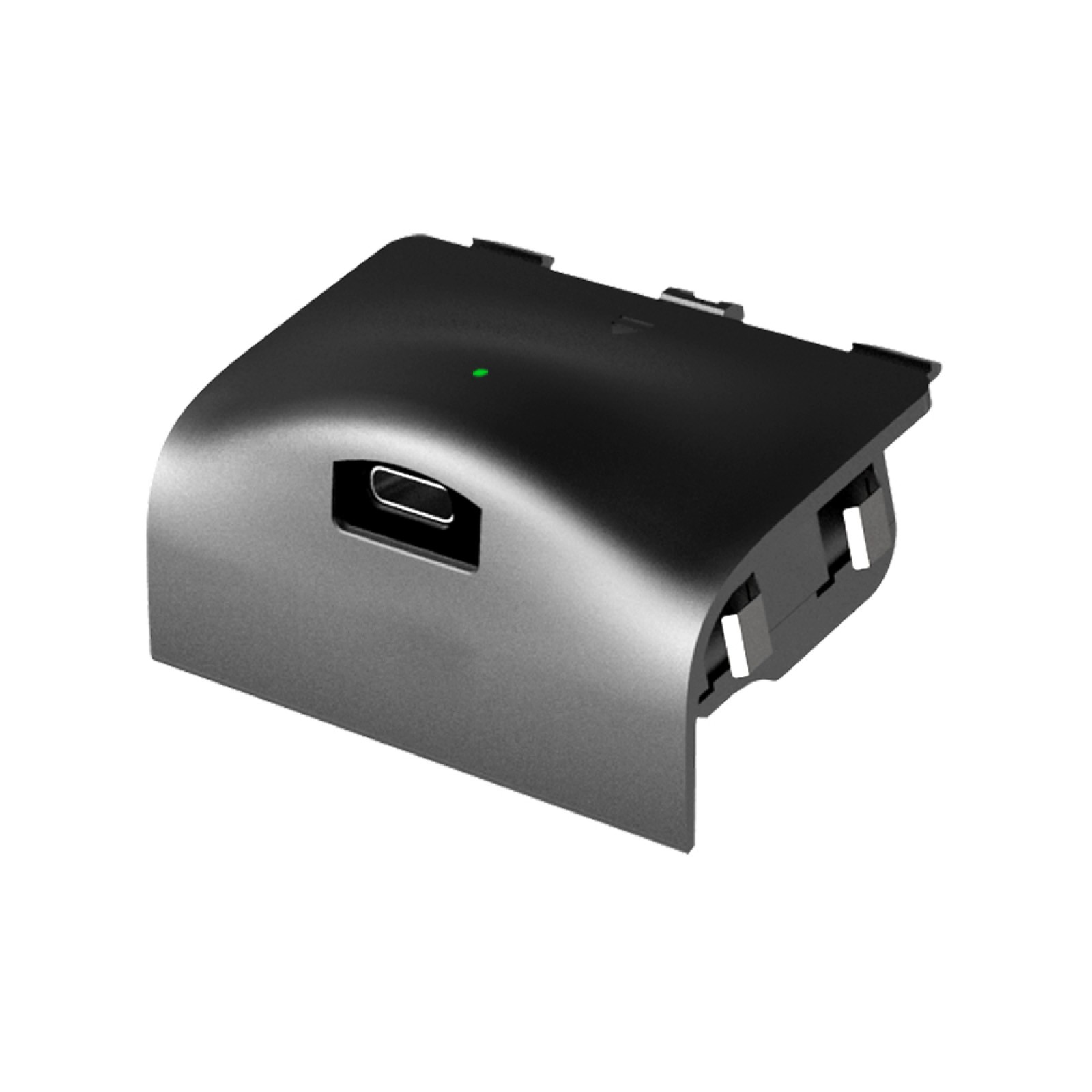
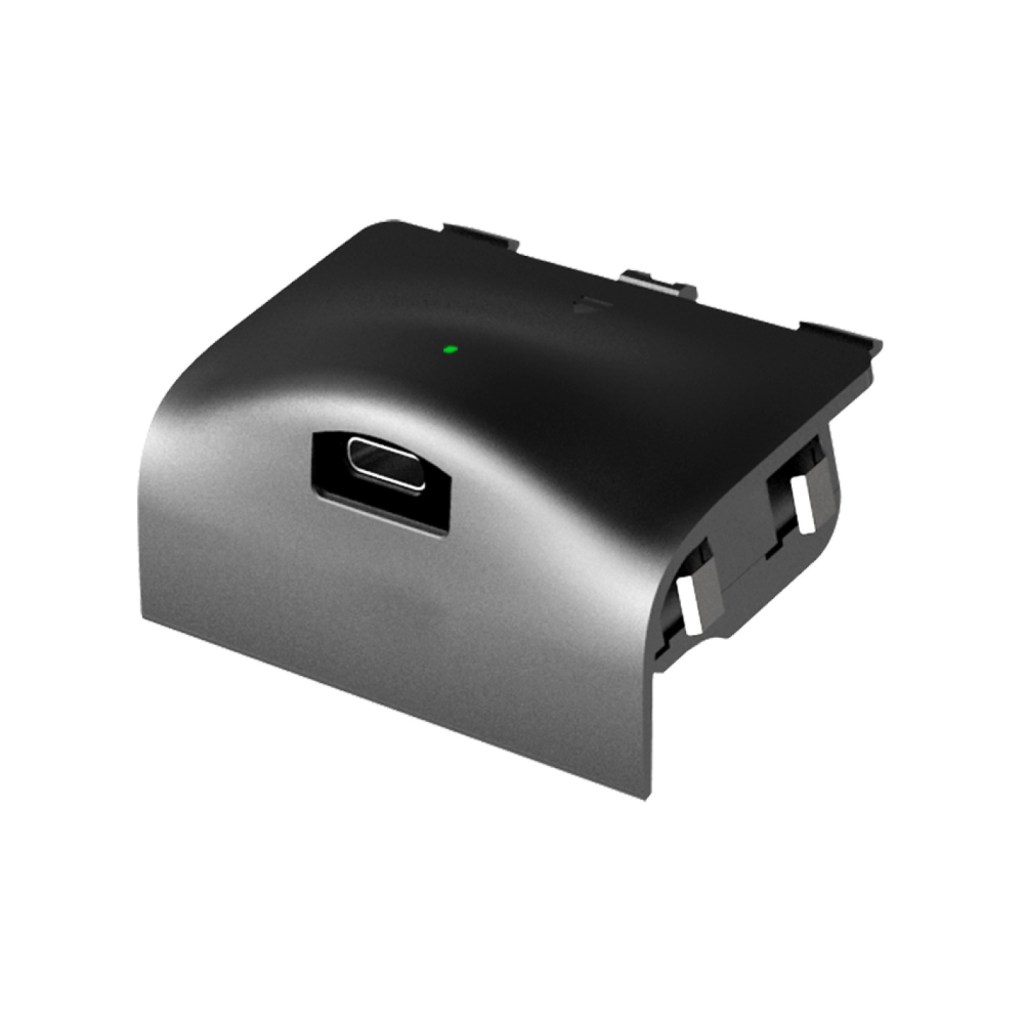

Watch the Reveal Trailer for Theos: Cities of Myth, a Greek mythos city management building game developed by Triskell Interactive. Players will devote their life's work to the great Greek gods in exchange for boons, special heroes, and renowned figures to join their thriving community. Tend to the citizens' needs, amass an army for defense, and let Mount Olympus remain pleased through city-building works and service. Theos: Cities of Myth is coming to PC (Steam) in 2026.
The MIX Summer Game Showcase 2026 delivered a bold invitation to players and observers alike: myth and metropolis are no longer separated by the veil of legend. The official reveal trailer for Theos: Cities of Myth introduces a world where ancient narratives breathe within modern skylines, and every district hums with echoes of heroes, gods, and fabled adversaries. This is not a simple adaptation of mythic lore; it is an invitation to wander through living, breathing cities where architecture and arcana coexist, and where the past informs the present in tangible, interactive ways.
What stands out in the trailer is the deliberate juxtaposition of towering citadels set against bustling urban cores. Theos presents a map where districts are inspired by mythic regions and pantheons, yet reimagined through contemporary design sensibilities. Expect verticality as a core mechanic: stairwells and railings become conduits to other eras, and navigation is as much about timing and ritual as it is about route optimization. The modern street becomes a mosaic of relics—glyph-laden storefronts, statues that awaken with a whisper of wind, and plazas that function as hubs for questing, diplomacy, and commerce.
Narratively, Theos promises a narrative architecture that rewards curiosity. Players are not merely following a linear path from quest A to quest B; they are uncovering layers of mythic history embedded in the city’s infrastructure. Clues emerge from architectural motifs, ancient inscriptions, and the subtle language of architecture itself. The trailer hints at factions and alliances rooted in mythic allegory, potentially offering a dynamic world state where choices ripple across districts, reshaping how reliefs illuminate alleyways or how public squares host contested rites.
From a gameplay perspective, the cinematic reveals a blend of exploration, combat, and diplomacy. Theos appears to embrace both puzzle-centric sequences—where ritualized actions unlock concealed passageways—and action-oriented encounters that test agility and strategy within stylized urban arenas. The synergy between environment and encounter design suggests a system where players’s decisions toward temples, markets, and academies influence resource flows, ally alignment, and even the availability of mythic powers.
Visually, Theos communicates a philosophy of majesty grounded in tactile detail. Light plays across marble, glass, and auric sigils; shadows carve the corners of narrow streets; and water features weave through districts as reflective conduits for lore. The art direction signals a future-forward interpretation of myth—where gods and legends leave fingerprints on public art, transit nodes, and civic rituals. This is not a mere fantasy setting; it’s a city built with myth as its infrastructure.
The official trailer also raises the question of player agency within a grand, living ecosystem. How deeply will players influence the city’s tone—will a chosen deity’s favor unlock new districts or alter the political landscape? Will the factions’ power balance shift in response to collective player actions? The potential for emergent storytelling is evident, and the groundwork laid by the trailer invites players to imagine a world that evolves with every vote, pact, and pilgrimage.
For fans of mythic storytelling and city-building mechanics alike, Theos: Cities of Myth positions itself as a thoughtful convergence of genres. Its promise rests on a crafted atmosphere of mythic resonance layered over a vibrant urban tapestry. If the trailer is any barometer, players can expect a game that respects myth’s weight while embracing contemporary design language—one in which exploration, ritual, and strategy intertwine to reveal the living city’s deepest secrets.
As the preview concludes, the message is clear: Theos is more than a setting. It is a city with a mythic heartbeat, inviting players to map its wonders, earn its favors, and participate in a narrative that makes legend legible through the everyday rhythm of city life. The MIX Summer Game Showcase 2026 leaves us with anticipation for a game that dares to fuse the awe of myths with the immediacy of modern play—an invitation to walk the line between legend and metropolis, and to discover how myth can flourish when civilization becomes its canvas.
All the best video games, all the time. Watch no commentary gaming videos live and on demand. By Adrian M ThePRO the Game Professional.
• You are a pro gamer! • Share your content! • Get discovered!
Join The Pro Gamers Community on social media or login to 24/7 Video Game and submit your posts right to this website.
New & used video games, consoles, handhelds, retro, and gaming merchandise. Up Game Shop has the latest and greatest video game deals on the internet.


Seller: pokemart_mtl (100.0% positive feedback)
Location: CA
Condition: Very Good
Price: 25.61 USD
Shipping cost: 18.29 USD
Buy It Now
#Sponsored
The Battle of Midway remains one of the most pivotal turning points in World War II, and its reimagined echoes persist in the realm of classic video games. 1943: The Battle of Midway on the Nintendo Entertainment System captures a fierce, arcade-style approach to a historically charged moment, translating strategic depth and rapid action into a compact, authentic-inspired experience for the NES audience.
Authenticity in this title begins with its premise: a compact, action-focused homage to naval combat where players command a fleet of aircraft and carriers, managing limited resources, timing, and precision to defeat a numerically superior foe. The game distills the essence of carrier-based warfare into a series of short, densely packed engagements that demand quick reflexes, situational awareness, and strategic decision-making—traits that mirror the tension and tempo of the real Midway confrontation without drifting into an exact historical replica.
Visuals and sound design work in tandem to evoke the era while staying faithful to the hardware’s limitations. Stylized sprites, crisp explosions, and a color palette reminiscent of late-1980s shooters convey the adrenaline of battle without sacrificing clarity. The audio cues—distinct weapon sounds, radar blips, and notification tones—provide immediate feedback that keeps players immersed in the moment and reinforces the sense of a high-stakes aerial duel above a volatile sea.
From a gameplay standpoint, the title emphasizes repeatable, short sessions ideal for arcade-style play. Each run rewards careful pattern recognition: enemy formations emerge in recognizable sequences, and wave progression tests the pilot’s capacity to adapt under pressure. Power-ups and limited-use abilities add a layer of strategic planning, inviting players to balance offensive pressure with defensive caution as caseloads and mission objectives evolve mid-game.
For enthusiasts seeking an authentic-feeling retro experience, the game offers a nuanced portability of complexity. It respects the constraints of the NES while delivering a convincing sense of historical atmosphere: the discipline of naval aviation, the urgency of impending ambushes, and the constant calculus of risk versus reward.
In reflecting on the broader context, this title stands as a bridge between teaching moments of history and the joy of classic game design. It provides a lens into how mid-20th-century conflicts can be reinterpreted through the lens of late-20th-century hardware, turning a monumental anniversary into an accessible, engaging, and historically rooted pastime.
For collectors, retro gamers, and history enthusiasts alike, the authentic feel and compact design offer a compelling case for inclusion in a curated NES library. It’s not just a game about a battle; it’s a compact tribute to the skill, strategy, and nerve required to alter the course of history from the cockpit of a fighter. Through its tight mechanics and respectful homage to Midway’s legacy, the title invites players to experience the intensity of aerial combat while honoring the real-world events that defined a turning point in the Pacific theater.
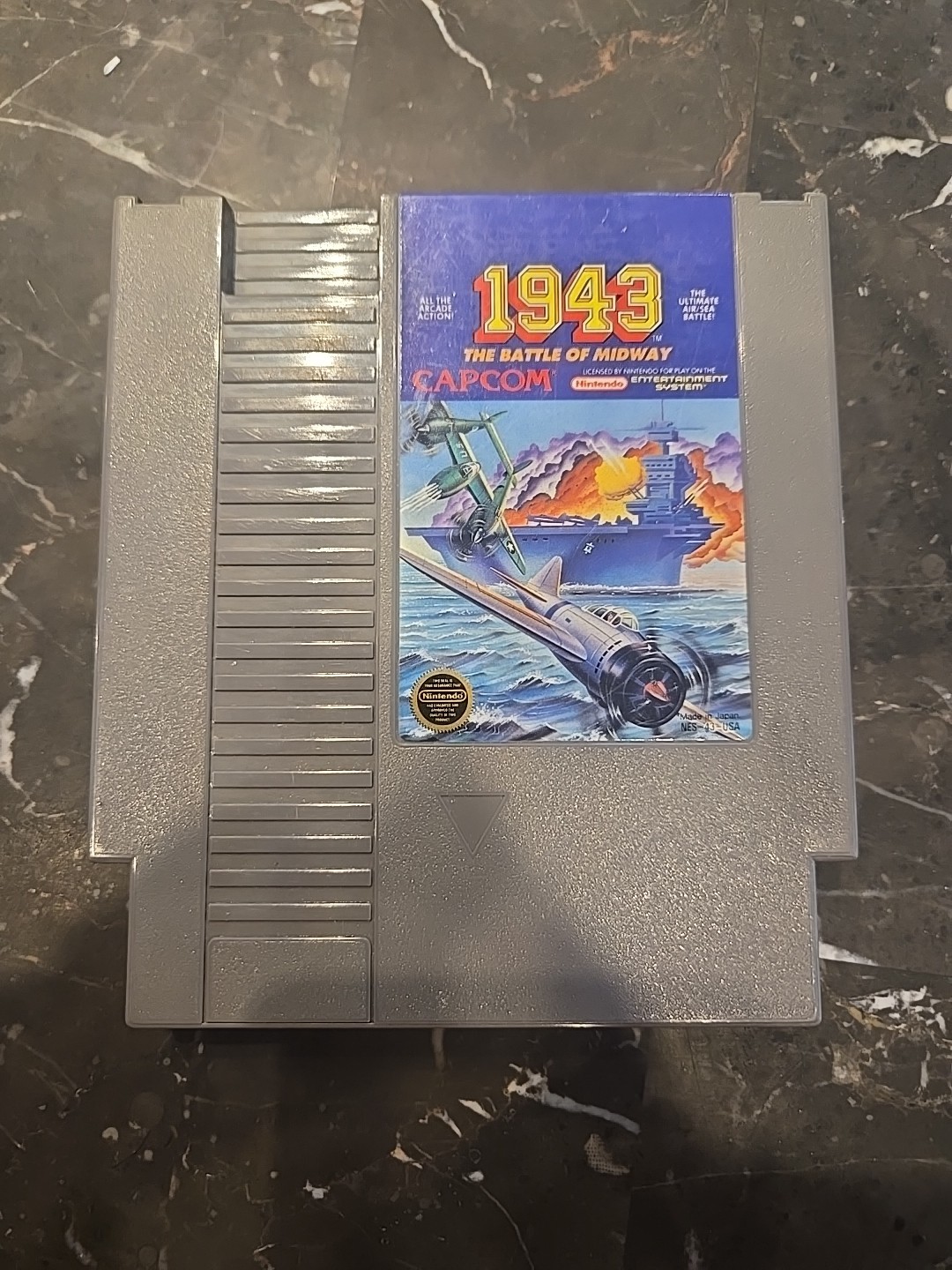
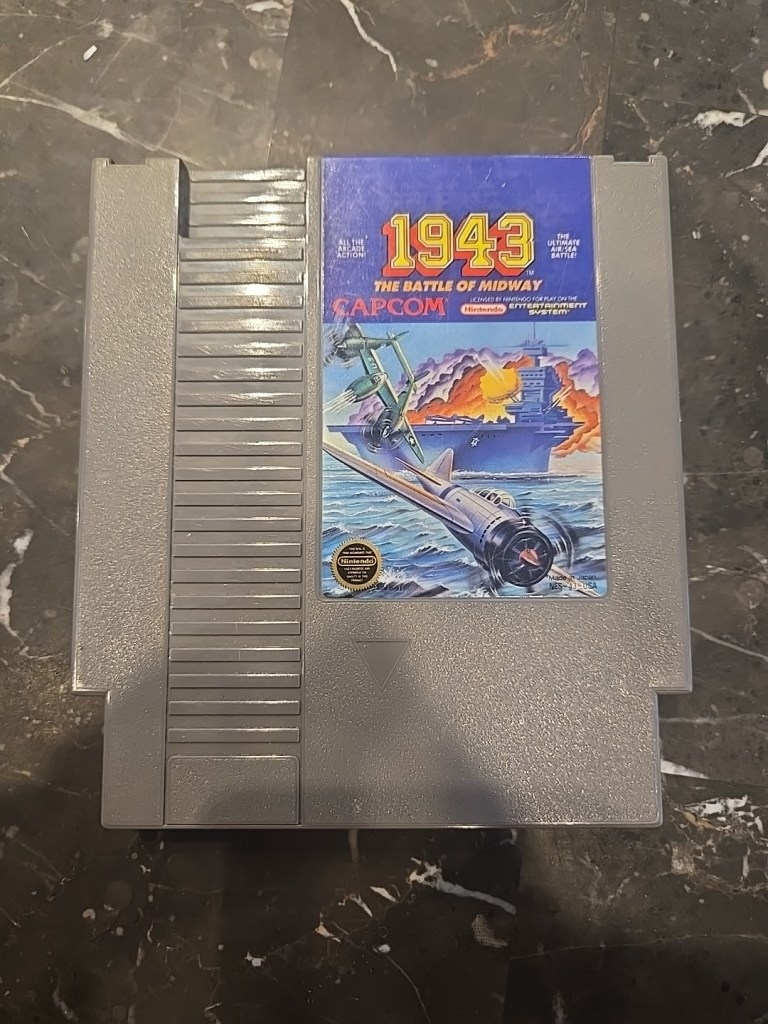

Moonwalker is broken up into 4 levels. The first level has you walking around avoiding fans trying to find parts of a rabbit costume needed to disguise yourself from your fans. You then need to find the waiting motorbike to escape to level 2 - Michaelsville. Here you need to find orbs which transform your bike into the glittering Stratus car able to leap barriers. If you get far enough you escape via a jetski. Level 3 has you defending yourself in Club 30 against Mr Big's task force. And the final level has you in an arena fighting Mr Big's Storm Troopers and plasma cannon as Moonwalker himself - survive and save the children.
RZX Archive public domain game file made by xmikex.
Released by U.S. Gold in 1989.
Huge playlist archive with ZX Spectrum games from 1989: https://www.youtube.com/playlist?list=PLxOanVBhqd3sDizGXDrP2FUWQ1vJdLGhH
"MOONWALKER -=Classic Gaming=- Walkthrough, ZX Spectrum"
24/7 Video Game All the best video games, all the time. Watch no commentary gaming videos live and on demand. By Adrian M ThePRO the GameProfessional.
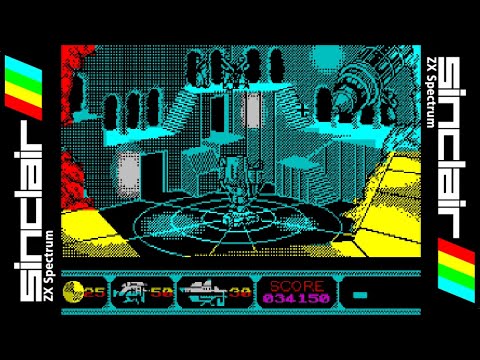

In the evolving conversation between fashion and gaming, a single graphic tee can feel like a portal: a way to wear immersion, not just fandom. The Place Boys' Next Level Gamer Short Sleeve Graphic Tee in size XXL Red is more than a wardrobe piece; it’s a statement about how youth culture blends comfort, color, and container-like storytelling. For seasoned readers of entertainment coverage on sites like Wikipedia and IGN, this garment reads as a living artifact of a community that treats pixels and palettes as social glue, a garmentable narrative that can spark conversations in hallway lobbies and digital streams alike.
The red canvas acts as a stage for visual cues that resonate with the gamer psyche: bold lines, nostalgic silhouettes, and the universal shorthand of high-score ambition. Next Level branding tips its cap to the ongoing ladder-climb narrative that defines modern play, while the graphic tee aesthetic makes a public case for comfortable, expressive apparel. This kind of item sits at the intersection of retail design and cultural timing, a move that mirrors how IMDb tracks fan energy around a blockbuster release or franchise revival, and how Billboard tracks the cadence of a cultural moment when a single image becomes a shared language.
Behind the product lies a microcosm of consumer enthusiasm. The listing — a fixed price with an available best offer — serves as a digital storefront that doubles as a social signal: a nearby hub where buyers and sellers negotiate the value of a moment, much like readers negotiating access to a coveted trailer or an early-access beta. The garment’s price point and shipping details become part of the lore, a tiny chapter in a larger epic about how entertainment merchandise travels from online shelf to real-world closet. For context and contrast, readers might explore shop histories on online shopping and compare with popular film merchandising case studies to see how collectors weigh condition, provenance, and rarity.
What makes a graphic tee compelling goes beyond color and typography; it’s the sense of belonging it confers. A XXL fit is more than sizing; it signals a universal appeal—an invitation to join a community that celebrates late-night co-op sessions, stream chat banter, and the ritual of unboxing. In gaming culture coverage, this is the quiet revolution: apparel that doubles as a passport to group memory. Audiences can cross-reference with Rotten Tomatoes for cross-media resonance and IGN for how fashion intersects with game worlds and character-driven narratives.
The design language on the Next Level Tee mirrors the mine-cart pace of a speedrun: compact, efficient, and unmistakably legible at a glance. This is where graphic tees become narrative devices, carrying the brand story just as powerfully as any in-game cutscene. Industry writers and fans alike can trace the parallel arc between the video game industry and fashion retail, noting how collaborations and crossovers shape both markets. For broader context, consider how blockbuster merchandising and music-driven campaigns inform this era of wearable storytelling.
As entertainment feature writers chronicle the pulse of gaming and fashion, the Place Boys’ Next Level Gamer Tee stands as a compact case study in how merchandise fuels shared identity. Its red palette, graphic emphasis, and XXL sizing collectively encode a desire for both comfort and belonging, a dual imperative that fuels community conversations across streaming chats and in-person meetups. For readers seeking deeper dives into how apparel intersects with game culture, the story sits alongside explorations of character-driven wardrobes in premier media sites like IMDb and video game advertising, offering a broader lens on how fashion becomes a mover in the epic narrative of play.
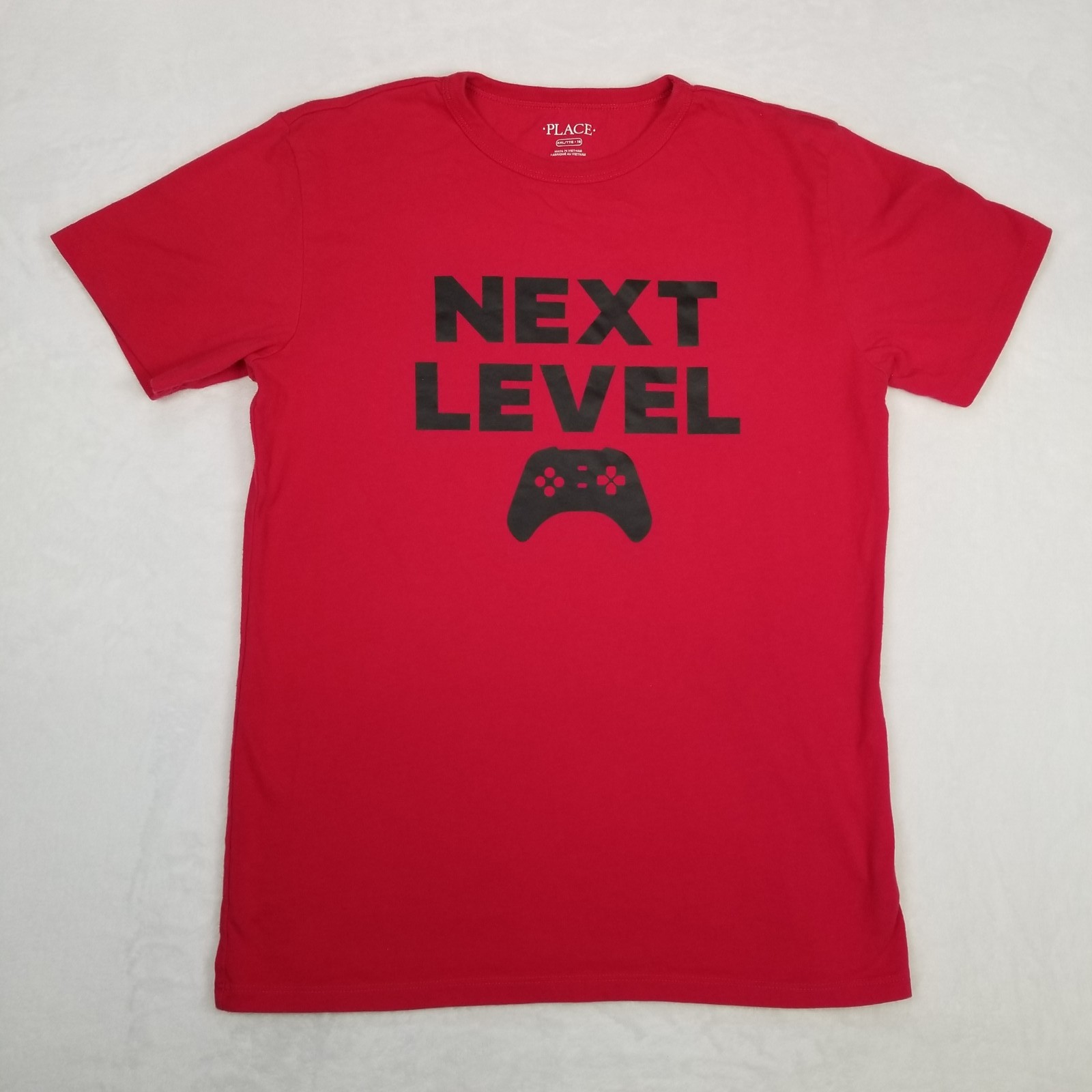


Watch the Gameplay Reveal Trailer for Project DNA, an upcoming post-apocalyptic MMO RPG developed by Supervoid. Players will take up arms to bring about the rebirth of human civilization after being weakened and beaten down in a world hanging in the balance. Utilizing genetic algorithms, characters evolve across generations through DNA analysis and harness elemental attributes in fast-paced fights. Project DNA is coming soon to PC (Steam).
#ign #gaming
All the best video games, all the time. Watch no commentary gaming videos live and on demand. By Adrian M ThePRO the Game Professional.
• You are a pro gamer! • Share your content! • Get discovered!
Join The Pro Gamers Community on social media or login to 24/7 Video Game and submit your posts right to this website.
New & used video games, consoles, handhelds, retro, and gaming merchandise. Up Game Shop has the latest and greatest video game deals on the internet.



Seller: japan003 (100.0% positive feedback)
Location: JP
Condition: Used
Price: 67.28 USD
Shipping cost: 45.00 USD
Buy It Now
In the annals of early computer gaming, certain titles stand as keystones that illuminate the evolution of strategy, storytelling, and technological ambition. L'Empereur, a title produced for the PC-8801mkII SR and later versions within KOEI’s repertoire, occupies a distinctive niche in retro gaming history. This piece surveys its origins, design philosophy, and enduring influence, offering a window into the era when microcomputers and grand ambitions collided to shape a generation of strategy-minded players.
Context and platform: PC-8801mkII SR The late 1980s were a period of rapid advancement for Japanese PC platforms. The NEC PC-8801 family, and specifically the enhanced mkII SR revision, provided a robust canvas for strategy and simulation games. KOEI, already renowned for its historical strategy games such as the Romance of the Three Kingdoms and Nobunaga’s Ambition franchises, leveraged these machines' color palettes, memory constraints, and input modalities to craft experiences that rewarded careful planning, research, and long-term investment of time.
Genre positioning and design intent L'Empereur sits at the intersection of historical simulation and political strategy. Its naming—evoking imperial breadth—signals a scope that invites players to engage with governance, diplomacy, military strategy, and resource management on a grand scale. While precise mechanics vary by iteration, common threads align with KOEI’s methodological approach: data-driven systems, layered decision trees, and a subtle emphasis on leadership as a driver of collective outcomes.
Gameplay foundations and systems - Territorial and administrative management: Players oversee provinces or regions, balancing tax policies, defense, infrastructure, and public welfare. - Diplomacy and politics: Interactions with neighboring states or factions test negotiation acumen, alliances, and rivalries, reflecting the era’s political complexity. - Military planning: Strategic deployment, logistics, and force composition shape the warfaring dimension, demanding foresight and careful budgeting. - Historical flavor: The game grounds its mechanics in the historical milieu, offering a lens into governance challenges faced by imperial administrations.
Aesthetic and interface considerations Retro titles in this lineage often translated complex systems into ASCII- or tile-based displays, with menus that rewarded meticulous planning more than reflex-driven play. L'Empereur’s presentation would have prioritized clarity over flash, providing players with dense, information-rich screens that encouraged deliberate decision-making. The music, when present, tended toward atmospheric motifs that reinforced the gravitas of imperial governance rather than kinetic action.
Legacy and influence While not as universally celebrated as some contemporaries, L'Empereur contributed to the tapestry of Koei’s historical simulations by demonstrating how the firm could scale its design to a grand imperial theme without sacrificing depth. The PC-8801mkII SR platform served as a sturdy foundation for releasing ambitious strategy titles, and L'Empereur is a notable example of how Koei translated historical ambition into gameplay systems that could engage players over extended sessions.
Historical significance in the context of retro gaming For modern enthusiasts and scholars of game history, L'Empereur offers a case study in early corporate strategy games that sought to balance educational intent with engaging mechanics. It reflects a period when developers trusted players to navigate substantial rulebooks, manage multi-layered state variables, and derive satisfaction from mastering complex systems rather than achieving quick victories.
Conclusion L'Empereur stands as a testament to Koei’s enduring commitment to translating world history into strategic play. Its release on the PC-8801mkII SR and its subsequent iterations helped define a lineage of grand strategy games that challenged players to think historically and act prudently. For collectors and historians alike, it remains a meaningful touchstone in the evolution of historical simulation games and retro game preservation.
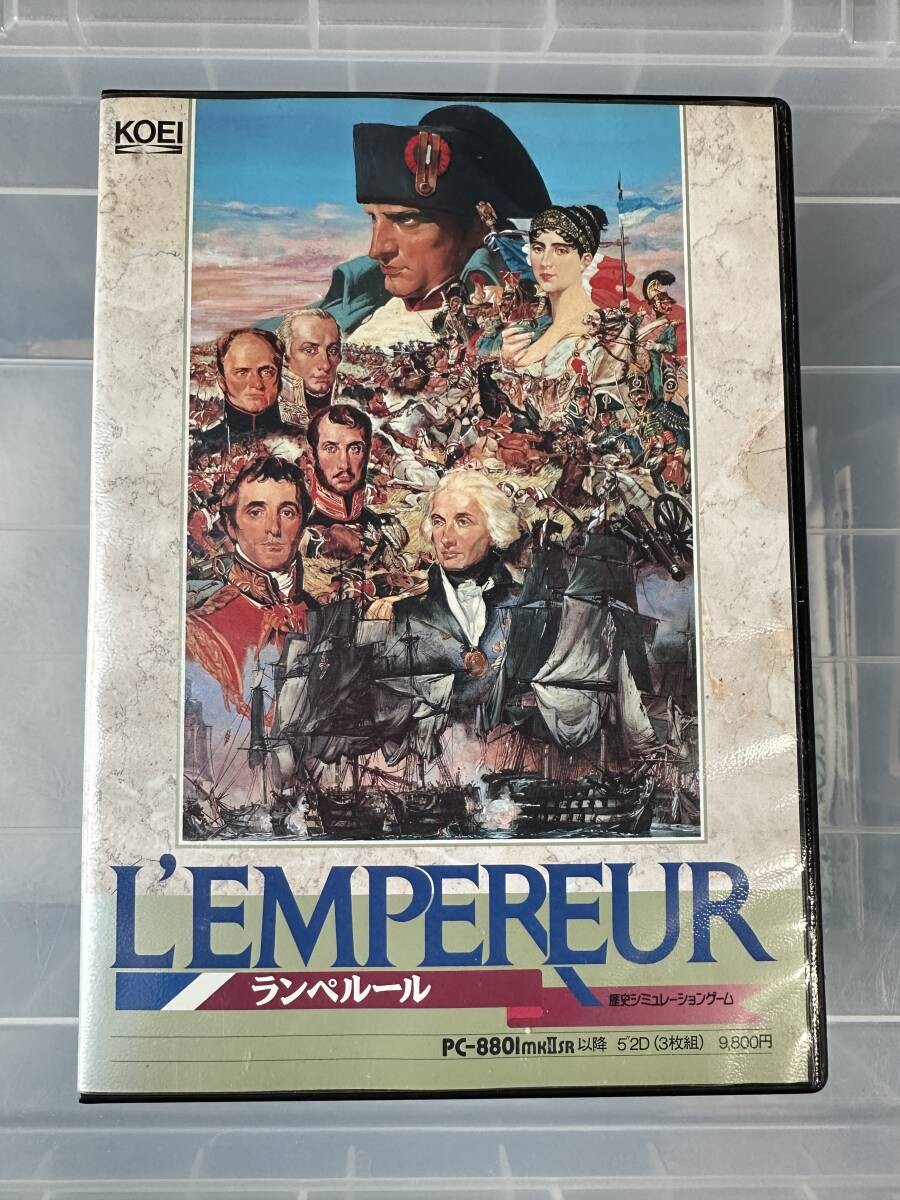

#pcgamer #valve #steammachine
X: https://x.com/pcgamer TikTok: https://www.tiktok.com/@pcgamer_mag Instagram: https://www.instagram.com/pcgamer_mag/ Facebook: https://www.facebook.com/pcgamermagazine/ Forum: https://forums.pcgamer.com/
To subscribe to the magazine in the US, UK, or elsewhere, visit magazines direct.
PC Gamer is the global authority on PC games. For over 30 years, we’ve been at the forefront of covering PC gaming with worldwide print editions, around-the-clock news, features, esports coverage, hardware testing, and game reviews, as well as our popular PC Gaming Shows.
After years of anticipation, the Steam Machine era has arrived, bringing PC gaming into the living room with a purpose-built, console-like experience. This development marks a significant shift in how players access high-fidelity games, manage performance, and integrate their libraries across devices. Here’s what makes this moment noteworthy, and how it could reshape mainstream gaming habits.
First, the hardware concept is clear: a compact, purpose-designed PC designed to fit between a traditional console and a desktop rig. The goal is to deliver the PC gaming experience—robust performance, flexible control schemes, and access to the expansive Steam ecosystem—in a form factor that feels approachable in a home theater setup. By prioritizing a quiet, energy-efficient profile and standardized hardware specs, Steam Machines help reduce the friction typically associated with PC gaming, such as driver management and system tuning.
Compatibility and ecosystem are central to the platform’s appeal. Steam’s vast catalog spans indie darlings, mid-tier titles, and triple-A blockbusters, making it the most compelling single storefront for PC gamers. The Steam Machine leverages SteamOS and Steam Big Picture mode to optimize navigation from a couch-friendly interface, while still granting users access to the full Steam library when needed. This creates a seamless bridge between living room entertainment and PC-centric software, with features like Steam Cloud saves,-but more importantly, the ability to continue a game across devices with minimal setup.
Performance remains a focal point for both consumers and developers. The hardware options, though standardized within a family, are designed to meet diverse expectations—from casual couch gaming sessions to more demanding experiences. The architecture emphasizes balanced CPU/GPU pairing, fast storage, and cooling solutions that minimize noise. For developers, this standardization translates to clearer performance targets and a more consistent gaming experience for a broader audience, which can help reduce last-mile optimization woes often faced when porting PC games to living room devices.
The living room experience is not merely about hardware specs; it’s about software design that respects the dynamics of a TV-watching environment. Controller support, intuitive menus, and automatic performance scaling are essential features that accompany a successful Steam Machine launch. The platform’s ongoing focus on accessibility—including scalable UI, compatibility with various input devices, and simple pairing processes—ensures players can jump into titles without wading through technical barriers.
From a developer and publisher perspective, the Steam Machine represents an invitation to rethink distribution and reach. The steady rise of living room-ready devices broadens the addressable market for PC games and can shorten the gap between development cycles and consumer feedback. With Steam’s analytics and community tools, studios can glean insights into how players engage with their games in a couch-based setting, informing future updates and feature requests.
Of course, a new platform carries challenges. Market competition remains intense, with established consoles offering entrenched ecosystems, exclusive games, and proprietary services. Achieving widespread adoption requires not only strong hardware and a robust catalog but also a consistent, high-quality user experience across a wide range of living room configurations. Steam’s ongoing collaborations with hardware partners and its commitment to developer support will be crucial in overcoming these hurdles.
For gamers, the arrival of the Steam Machine signals a broader shift toward versatile entertainment systems that blur the lines between PC, console, and streaming devices. It invites a future where selecting a game, adjusting settings, and coordinating friends for multiplayer feels as natural as flipping on a movie or a show. If the platform delivers on its core promises—ease of use, performance, and access to a rich library—the Steam Machine can become a staple in homes that value flexibility, performance, and the shared experience of gaming on a big screen.
In short, the Steam Machine is more than a hardware release; it’s a statement about where PC gaming is headed. It signals a commitment to bring the PC pastime into the living room with a focus on simplicity, accessibility, and community-driven content. As players begin to explore the lineup and optimizations tailored for couch gameplay, one thing becomes clear: the era of living room PC gaming is not just possible—it’s practical, and it’s here.
All the best video games, all the time. Watch no commentary gaming videos live and on demand. By Adrian M ThePRO the Game Professional.
• You are a pro gamer! • Share your content! • Get discovered!
Join The Pro Gamers Community on social media or login to 24/7 Video Game and submit your posts right to this website.
New & used video games, consoles, handhelds, retro, and gaming merchandise. Up Game Shop has the latest and greatest video game deals on the internet.

Listing type: Fixed price
Seller: primesclass (99.6% positive feedback)
Location: US
Condition: New
Price: 18.74 USD
Shipping cost: Free
Buy It Now
#Sponsored
In the world of retro gaming, preserving the authentic look and feel of your favorite classics is paramount. Yet, many beloved consoles—Nintendo 64, PlayStation 2, Xbox, Wii, as well as AV-era devices like VHS players—rely on RCA output or analog inputs that modern displays often no longer support. The RCA to HDMI converter AV to HDMI adapter offers a practical solution, enabling you to connect legacy hardware to contemporary televisions and monitors without sacrificing image quality or audio clarity.
This guide covers what you need to know to make an informed purchase and optimize your setup for a satisfying retro gaming experience.
Key considerations when choosing an RCA to HDMI converter:
Setup overview:
1) Connect the composite AV cables from your console or VCR to the RCA to HDMI adapter. The yellow plug carries video, while the red and white plugs carry audio. 2) Connect the adapter to a power source using the included USB cable. 3) Plug the adapter into an available HDMI input on your TV or monitor. 4) If your adapter offers multiple HDMI modes or scaling options, choose a setting that preserves the original aspect ratio and minimizes input lag. 5) Configure your console’s resolution options if available. For older systems, sticking to the standard 240p–480i output often yields the most stable results.
Tips for a better retro viewing experience:
Common questions:
In summary, an RCA to HDMI converter AV to HDMI adapter can be a practical bridge between classic consoles and modern displays. By selecting a dependable model, matching it to your collection of devices, and applying thoughtful setup and display calibration, you can enjoy the nostalgia and distinctive charm of N64, Wii, PS2, PS3, Xbox, and even VHS playback with ease and reliability.
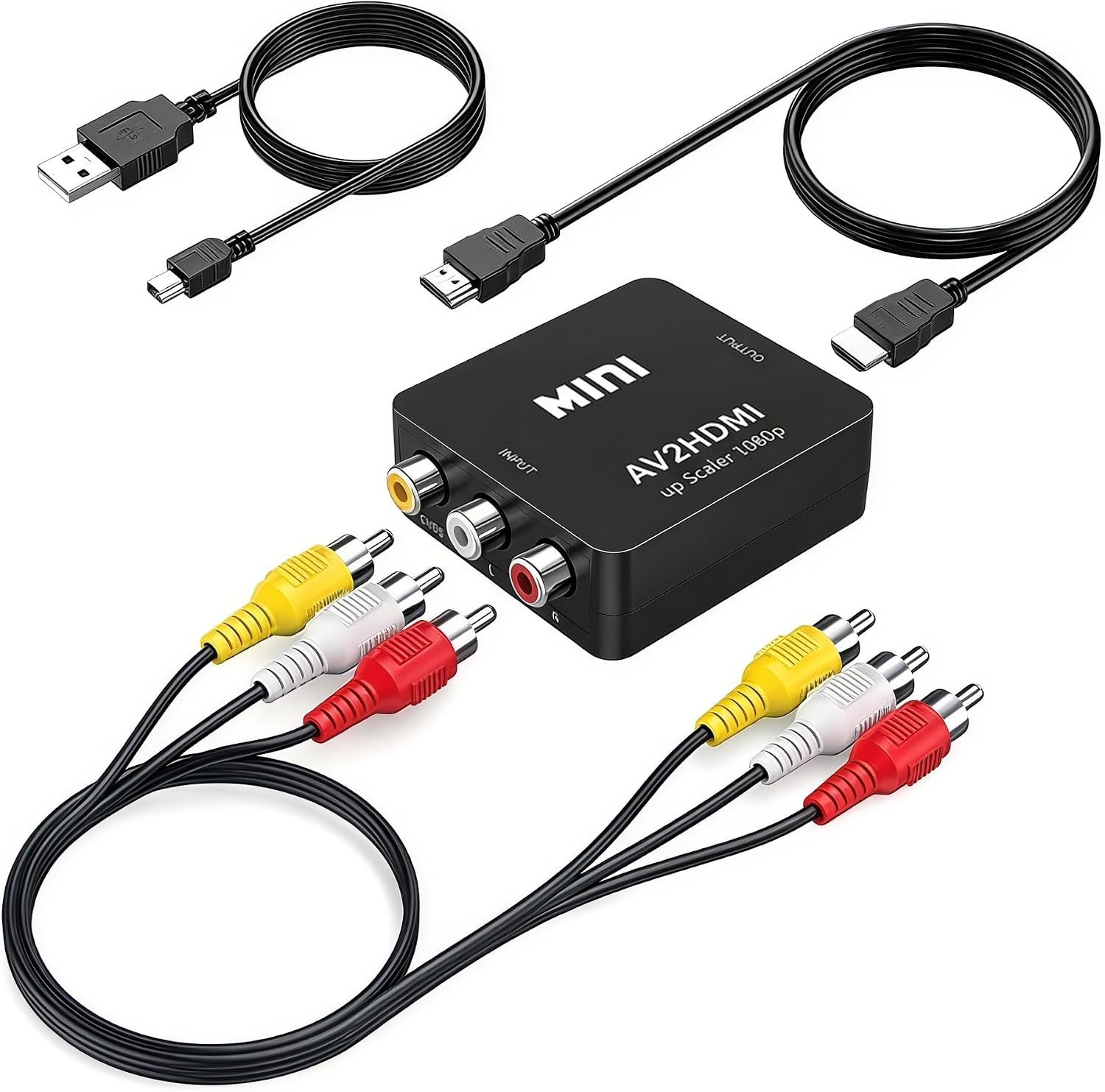

The islands are waiting. Explore all four, build your collection with over 150 #HotWheels, and start your adventure in #HotWheelsInfiniteRush. 🏁
Base Game: https://www.xbox.com/games/store/hot-wheels-infinite-rush/9nqkg3stpzf3?wfExp=382A Deluxe Edition: https://www.xbox.com/games/store/hot-wheels-infinite-rush-deluxe-edition/9n8pw8bjd748 Ultimate Edition: https://www.xbox.com/games/store/hot-wheels-infinite-rush-ultimate-edition/9pbsgldnqss0
SUBSCRIBE TO XBOX: https://xbx.lv/2EEjmaR
FOLLOW XBOX https://twitter.com/xbox https://www.facebook.com/xbox https://www.instagram.com/xbox/ https://www.tiktok.com/@xbox https://www.threads.net/@xbox https://bsky.app/profile/xbox.com
The launch trailer for Hot Wheels™ Infinite Rush signals a bold leap forward for the iconic brand, combining high-octane action with seamless, cinematic storytelling. As viewers press play, they are immediately immersed in a world where precision driving meets boundless creativity, and every turn offers a new possibility for exploration and mastery.
From the first frame, the trailer establishes a rhythm: sleek arcs of neon-lit highways, glittering metal, and the unmistakable whine of a finely tuned engine. The visuals are anchored by a refined art direction that balances realism with the imaginative flair fans expect from Hot Wheels. Each scene is crafted to evoke both nostalgia and anticipation—recognizing the legacy of miniature cars while inviting players to push the boundaries in a refreshed, next-generation experience.
Gameplay promises are conveyed through dynamic sequences: blistering chases through futuristic cityscapes, gravity-defying jumps, and adaptive routes that respond to player choice. The trailer hints at a modular track system and a progression arc that rewards skill, timing, and experimentation. The sense of speed is palpable, yet the production does not overwhelm; it situates the action within a clear context of tracks, obstacles, and strategic opportunities to capitalize on boost energy and perfect drifts.
Sound design plays a pivotal role, marrying engine roars with a pulse-pounding soundtrack that escalates with intensity. The audio cues are precise, aligning with on-screen movements to create a cohesive sensation of control and exhilaration. Voice-over snippets and on-screen prompts tease features without revealing every detail, preserving a sense of discovery for players awaiting launch.
Visually, the trailer adopts a polished, cinematic tone that communicates a premium experience. Materials, lighting, and reflections are rendered with care, ensuring that each chrome surface communicates weight and speed. Environments range from glimmering urban corridors to expansive, sun-drenched desert routes, offering a spectrum of atmospheres that showcase the versatility of Hot Wheels™ Infinite Rush.
Beyond spectacle, the trailer hints at social and competitive dimensions. It alludes to online races, time trials, and collaborative challenges that leverage a global community of racers. The promise of customization—both in vehicle aesthetics and performance tuning—appears as a core element, inviting players to express personal style while optimizing for peak performance on diverse tracks.
In sum, the launch trailer presents Hot Wheels™ Infinite Rush as a confident evolution of a beloved franchise. It preserves the tactile thrill of miniature racing while embracing expansive possibilities for exploration, competition, and creative expression. As the screen fades to black, the message is clear: the track is open, the rush is infinite, and the horizon is yours to conquer.
All the best video games, all the time. Watch no commentary gaming videos live and on demand. By Adrian M ThePRO the Game Professional.
• You are a pro gamer! • Share your content! • Get discovered!
Join The Pro Gamers Community on social media or login to 24/7 Video Game and submit your posts right to this website.
New & used video games, consoles, handhelds, retro, and gaming merchandise. Up Game Shop has the latest and greatest video game deals on the internet.


Seller: lokis-retro-shop (99.1% positive feedback)
Location: US
Condition: Like New
Price: 9.99 USD
Shipping cost: Free
Buy It Now
#Sponsored
In the world of retro gaming, few titles evoke a sense of automotive energy and garage-meets-gaming culture quite like Need for Speed: Carbon for the Nintendo Wii. Released in 2006, this entry blends the franchise’s signature street-racing ethos with the distinctive motion and control options offered by the Wii. For collectors, casual players, and bargain hunters alike, a pre-owned copy can be a compelling find—especially when the package arrives without the original manual. Here are several angles to consider when evaluating or writing about this particular condition in a practical, consumer-focused context.
1) Understanding the Wii-era experience Need for Speed: Carbon on Wii builds on the franchise’s core formula: illicit street racing, vehicle customization, and a narrative of rivalries and high-stakes pursuits. The Wii’s motion controls and unique control schemes offer a different texture compared to the traditional console releases. Players who appreciate accessible driving feel, quick dashes through urban environments, and a soundtrack that underscores the adrenaline of pursuit will find the core experience intact, even when the package is pre-owned.
2) The value of a pre-owned copy without a manual A missing manual can affect the purchase depending on your priorities: - For collectors: The absence of the manual may impact completeness and potential resale value, but the game disc itself often remains the centerpiece. Condition of the disc, case integrity, and the presence of any included inserts (store receipts, warranty cards, or cover art) can partially mitigate the lack of a manual. - For players: The manual typically provides essential setup steps, control mappings, and context for modes or features. In many cases, these details can be found in the in-game menus or online resources, reducing the impact of the missing booklet.
3) Assessing disc and case condition When evaluating a pre-owned copy, priority should be given to: - Disc quality: Look for deep scratches, warping, or fingerprints. Minor scuffs that do not affect readability are often acceptable, but any visible damage that could cause read errors is a red flag. - Case integrity: A cracked or broken case can affect durability and perceived value. A clean, intact spine with legible artwork helps with organization and resale potential. - Inlays and artwork: Even without a manual, the original cover art and any inserts contribute to the aesthetic and may assist in cataloging the game among other Wii titles.
4) Compatibility and region considerations Nintendo Wii games are typically region-locked. Verify that the pre-owned copy matches your Wii’s region (NTSC-U, NTSC-J, PAL). Additionally, ensure your console is in good working order, as older discs can suffer from wobble or severe scratches that impede loading. If possible, test the game in-store or request a return policy when purchasing second-hand.
5) Why the title still matters to the library Need for Speed: Carbon on Wii represents a transitional moment in driving games—combining arcade-style racing with the Wii’s intuitive control options. For enthusiasts building a varied collection, a complete but used copy contributes to breadth rather than perfection. It offers a chance to revisit a classic property in a form that emphasizes accessibility and a social, couch-cooperative or competitive play style the Wii is known for.
6) Tips for buyers and sellers - Price comparison: Check recent listings for similar pre-owned, no-manual copies to gauge current market value. - Selling strategy: Emphasize functional gameplay, intact disc and case, and any gracious notes about the missing manual to manage buyer expectations. - Preservation advice: If you own this title and plan to keep it, consider purchasing a replacement manual or scanning the manual from a high-quality source to print your own copy for reference, thereby preserving the experience without altering the physical item.
Conclusion A pre-owned Need for Speed: Carbon for the Nintendo Wii—no manual—still holds potential for both gamers seeking a nostalgic ride and collectors aiming to expand a diverse Wii library. By focusing on disc condition, regional compatibility, and the enduring appeal of calibrated street racing, buyers can enjoy a compelling entry in the franchise while keeping an eye on long-term value.
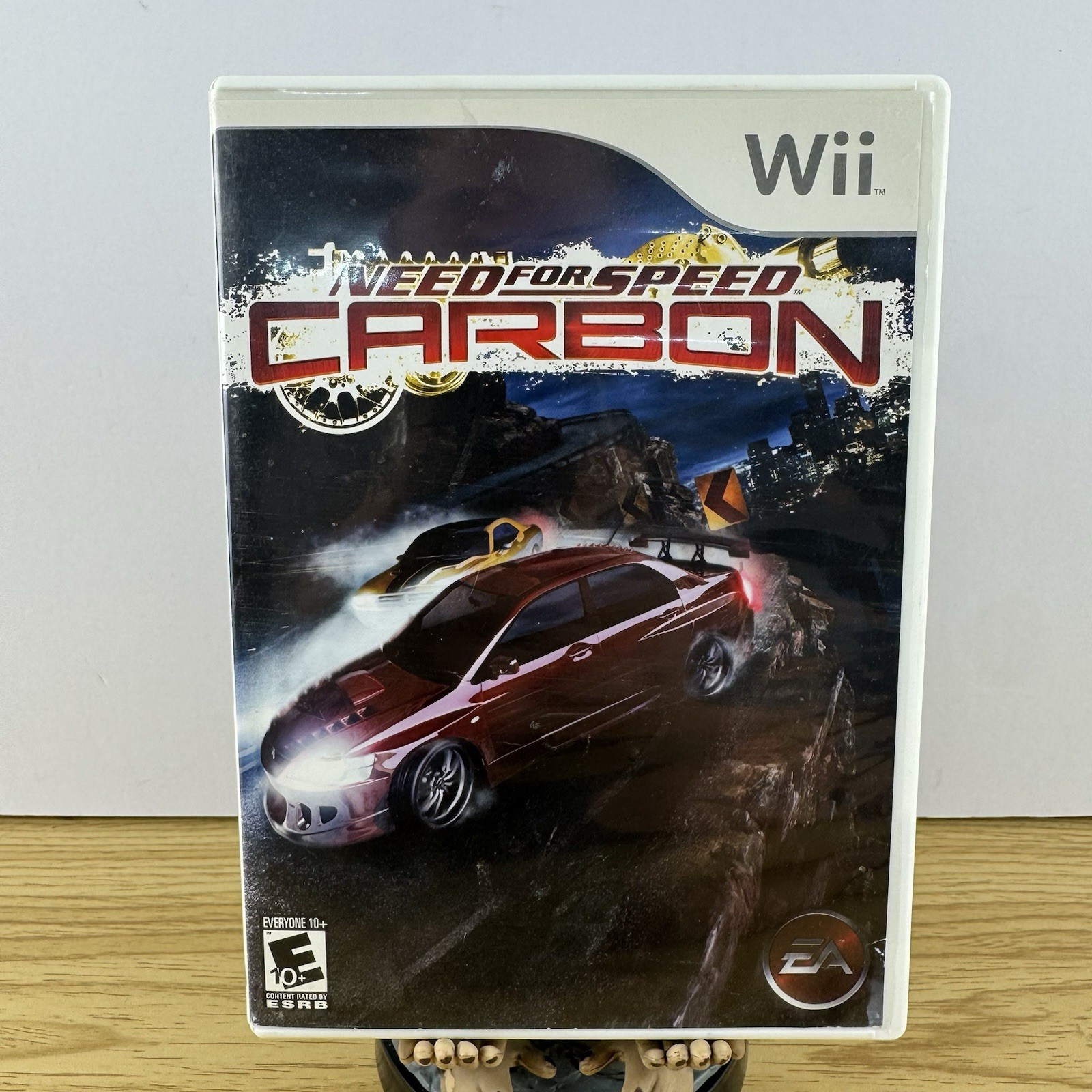


Control Resonant is shaping up to be exactly what it looks like: more Control, only designed as a melee action game as opposed to physics-driven third person shooter. And so far, that’s an incredibly potent mix.
In recent previews, the synergy between control dynamics and audio-visual resonance has become a focal point for fans and critics alike. This exploration examines how two iconic franchises—Devil May Cry and Doom—navigate rhythm, timing, and sensory impact to craft experiences that feel both precise and exhilarating.
First, the notion of control in action-driven titles goes beyond the traditional inputs of movement and attack. It encompasses the feedback loop between player decisions and the visual-audio cues that respond in real time. In high-octane sequences, successful control manifests as a seamless choreography: enemies are engaged with a cadence that rewards precision, while environmental cues, camera work, and sound design reinforce the sensation of mastery. When implemented effectively, control becomes a language that communicates intent to the player without friction.
Devil May Cry's design philosophy consistently foregrounds stylish, responsive combat. Its go-to approach—multiplicative combos, timing-based inputs, and the reward of chaining attacks—transforms control into a performance. The challenge, and indeed the thrill, lies in balancing aggressive aggression with technical nuance: players must read the battlefield, anticipate enemy patterns, and execute fluid sequences that maintain momentum while avoiding unnecessary risk. In previews, this translates to a visceral sense of agency where every button press contributes to a larger, crowd-pleasing display.
Doom, by contrast, emphasizes ruthless efficiency and raw power. The control scheme is distilled into an almost instinctive loop: locate threats, prioritize targets, execute with brutal precision. The design philosophy here rewards speed, accuracy, and a certain relentless tempo. Sound design—reverberant gunfire, metallic echoes, and environment-specific acoustics—augments the control experience by providing immediate, unambiguous feedback. This pairing of tactile inputs with saturated auditory feedback yields a core feeling of command: the player is not merely surviving a hostile environment, but actively shaping it with deliberate, controlled force.
The blending of these control paradigms in a preview context invites a broader discussion about how developers cultivate resonance. Resonance, in this sense, is the alignment between the player’s intent, the on-screen action, and the auditory landscape. When done well, it creates a loop where control prompts a satisfying response, which in turn guides subsequent actions with confident momentum. The result is not just a sequence of successful hits or escapes, but a crafted rhythm that players come to anticipate and revel in.
From a technical perspective, achieving this resonance involves meticulous tuning across several layers:
The preview discourse around Devil May Cry and Doom often highlights the tension between stylized flair and grim practicality. Devil May Cry offers a carnival of combinations that reward mastery and showmanship, while Doom presents a tightened, almost surgical, approach that emphasizes impact and speed. Together, they illuminate a spectrum of how control and resonance can be engineered to yield distinct player experiences within the same broad genre of action-driven, first-person, or over-the-shoulder combat.
In evaluating upcoming releases, observers should pay close attention to how these titles evolve their control ecosystems. Do new mechanics introduce meaningful complexity without overwhelming the player? Is the feedback loop—input, animation, audio, and enemy response—consistent across modes and difficulties? And crucially, does the game cultivate a sustainable rhythm that players can internalize, enabling longer sessions of focused play without fatigue?
Ultimately, previews that dissect control and resonance offer valuable lenses into how developers translate core game systems into memorable, repeatable experiences. By examining the deliberate choices behind Devil May Cry’s flourish-oriented combat alongside Doom’s relentless tempo, we gain a richer understanding of how a well-tuned control scheme can elevate a game’s emotional and kinetic heartbeat, turning each session into a precise, exhilarating performance.
All the best video games, all the time. Watch no commentary gaming videos live and on demand. By Adrian M ThePRO the Game Professional.
• You are a pro gamer! • Share your content! • Get discovered!
Join The Pro Gamers Community on social media or login to 24/7 Video Game and submit your posts right to this website.
New & used video games, consoles, handhelds, retro, and gaming merchandise. Up Game Shop has the latest and greatest video game deals on the internet.

Disclosure: 24/7 Video Game may earn a commission from purchases made through the links in this article. As an Amazon Associate I earn from qualifying purchases.
Retro gaming isn’t just about pixels and nostalgia; it’s a ticket to a moment when games were compact rituals rather than global productions. The Nintendo Mario Party N64 Japanese Import Grey Cartridge sits at the crossroads of rarity, gameplay heritage, and pure curiosity. This grey cartridge isn’t merely a shell; it’s a snapshot of a time when regional games carried unique flavors and subtle quirks that can only be felt when you slot the cart into a familiar N64 console, press start, and let the hubbub of party-mini-games begin. For collectors, the puzzle isn’t just about owning a copy; it’s about understanding the packaging, the tiny serials that whisper provenance, and the barometer of condition that can tip a sale from ordinary to coveted. If you’re chasing the pulse of retro authenticity, this cartridge offers a tactile reminder of how far the Mario Party concept evolved from arcade vibes to living-room showdowns. read the latest reviews, explore the deeper lore, and watch the official trailers to get a feel for the aura surrounding this specific import.
Design-wise, the cartridge’s grey shell signals a rarer iteration compared to standard regional releases, and the texture of the label — often a fingerprint of early 2000s manufacturing — hints at the journey this item has taken. The silhouette of the packaging, the way the cartridge fits in a shelf alongside other N64 relics, and the subtle differences in the cartridge’s opening feel all contribute to its collector value. It’s a piece that rewards patient inspection: the tiny printing on the label, the wear on the edge of the plastic, and even the color variance can narrate a story of market demand, regional distribution, and the quiet thrill of the hunt. If you crave the thrill of discovery as much as the joy of play, this item performs on both axes, inviting you to compare, verify, and dream about a shelf that holds a singular, celebrated artifact. read the latest reviews, explore the deeper lore, and watch the official trailers to see the footprint this import left in the community.
The Natural Affiliate Pitch: curating a collection means more than stacking items; it means building a narrative thread that connects you to the moment of release and to fellow fans who chased the same dream. If you’re thinking about expanding your display with this main item, you can explore options by hunting for a copy on Amazon, checking Walmart’s inventory through Walmart, or finding a listing on eBay to compare conditions, prices, and shipping. The joy of the hunt isn’t just about snagging a deal; it’s about ensuring the cart’s journey aligns with your collecting ethos while you prepare a display that invites conversation and curiosity rather than a quick scroll past the shelf.
If you’re chasing similar vibes, consider adding these two gems to your lineup: a cartridge that shares the era’s charm and another title that complements the party-game arcade feel. For the first recommendation, you can explore on Amazon and watch a quick reveal on YouTube. For the second, check out Amazon and catch gameplay clips on YouTube.
Grab the featured deal right here: View this listing on eBay
What’s your favorite memory linked to Mario Party on the N64, and which item would you add to your dream display first?

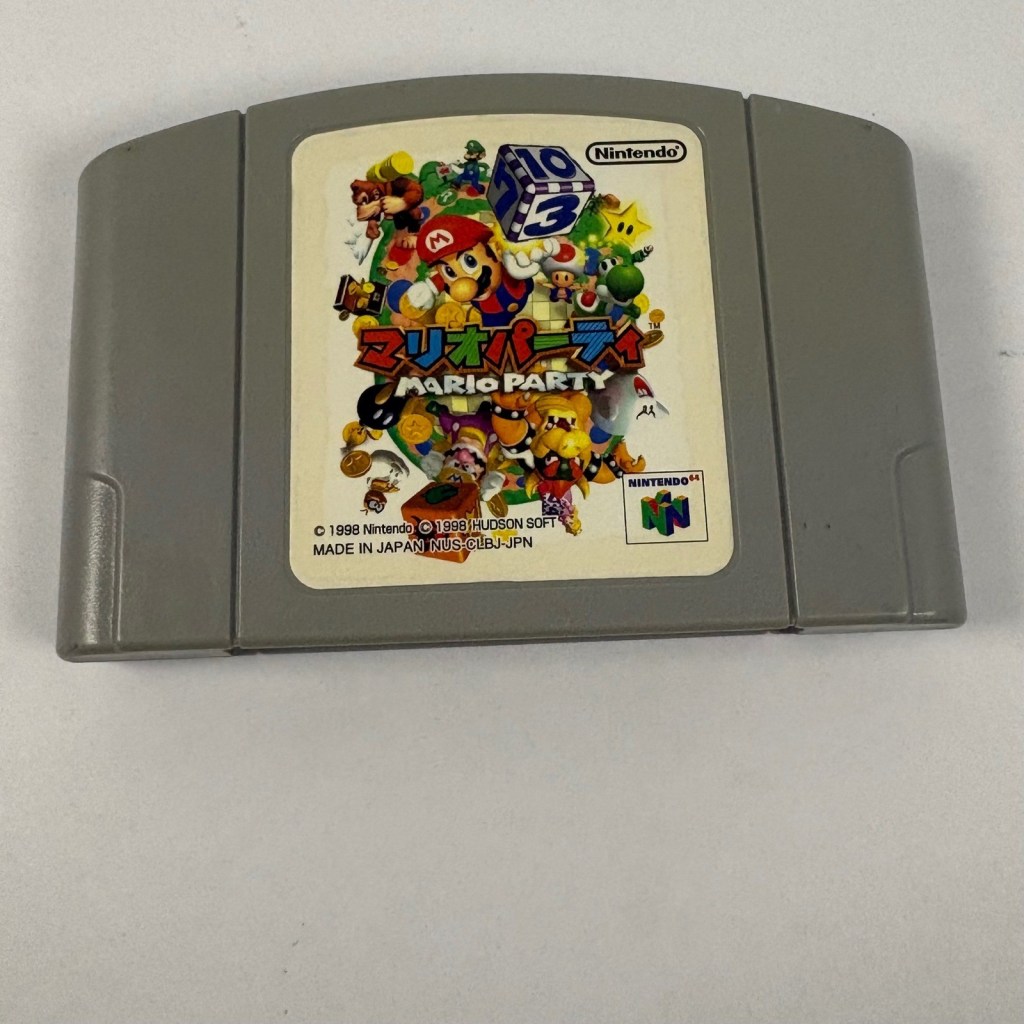

10 Metal Slug games, including the legendary location test build, are coming to the Metal Slug Ultimate Collection. Watch the Metal Slug Ultimate Collection announcement trailer to see what to expect from this collection for the 2D run-and-gun series. The Metal Slug Ultimate Collection includes Metal Slug (1996), Metal Slug 2 (1998), Metal Slug X (1999), Metal Slug 3 (2000), Metal Slug 4 (2002), Metal Slug 5 (2003), Metal Slug Advance (2004), Metal Slug 6 (2006), Metal Slug 7 (2008), and the Metal Slug Location Test Build. Metal Slug Ultimate Collection will be available on Nintendo Switch, Nintendo Switch 2, PlayStation 5 (PS5), Xbox Series X/S, and Steam in 2027.
The September 2026 Nintendo Direct delivered an eagerly anticipated reveal that fans of classic arcade action have been waiting for: Metal Slug Ultimate Collection. This official announcement trailer marks a deliberate return to the series’ roots while embracing modern presentation, ensuring both nostalgia for longtime players and a fresh entry point for new audiences. The trailer highlights a curated compilation that stitches together beloved Metal Slug chapters with enhanced fidelity, thoughtful rebalances, and quality-of-life upgrades designed for contemporary hardware.
From the outset, the trailer emphasizes the enduring charm of Metal Slug’s distinctive blend of fast-paced run-and-gun action, cheeky humor, and cooperative chaos. Visuals have been treated to a crisp restoration that preserves the series’ signature pixel art while introducing optional dynamic scaling and a reworked lighting system to reduce visual noise on contemporary displays. The sound design receives a parallel treatment, with remastered audio that preserves the iconic gunfire, explosions, and character voices, all balanced to ensure clarity across various play modes.
A central pillar of the collection is its commitment to player choice. The trailer showcases multiple play modes, including an Arcade Classic mode that faithfully reproduces the original experience, a Modernized mode that adjusts difficulty and pacing for solo and co-op play, and a Training mode with comprehensive tutorial aids. Additionally, there is a robust local co-op feature set and online leaderboards, signaling a strategic push toward both nostalgic engagement and competitive play.
Content-wise, Metal Slug Ultimate Collection assembles a broad cross-section of the series’ most cherished titles. Players can expect a well-curated lineup that balances the high-energy gunplay fans crave with the series’ beloved humor and camp. The trailer also teases optional unlockables, cosmetic customization, and behind-the-scenes maker notes that dive into the development history and the enduring legacy of the Metal Slug brand.
One of the most notable outcomes highlighted in the trailer is the emphasis on accessibility. Modern features such as adjustable difficulty, screen readability options, and compatible input methods are foregrounded to welcome players of diverse skill sets. The presentation reinforces a pledge to preserve the franchise’s core identity while removing barriers that previously limited reach and replayability.
The official announcement trailer closes with a confident release cadence and platform strategy. While specific dates are guarded in the initial drop, the messaging confirms a broad availability window across Nintendo platforms, with potential cross-play or cross-save opportunities noted as future roadmap considerations. This aligns with a broader industry trend toward seamless multi-platform experiences and ongoing post-launch support.
Looking ahead, Metal Slug Ultimate Collection is positioned not only as a celebration of a storied arcade lineage but also as a strategic platform for ongoing engagement. For returning fans, the collection promises a comprehensive, polished, and faithful recreation of the series’ best moments. For new players, it offers a compelling entry point into a universe where precise reflexes, cooperative coordination, and fearless experimentation define the experience. The September 2026 announcement sets the stage for a revival that honors the franchise’s roots while expanding its horizons for a new generation of players.
All the best video games, all the time. Watch no commentary gaming videos live and on demand. By Adrian M ThePRO the Game Professional.
• You are a pro gamer! • Share your content! • Get discovered!
Join The Pro Gamers Community on social media or login to 24/7 Video Game and submit your posts right to this website.
New & used video games, consoles, handhelds, retro, and gaming merchandise. Up Game Shop has the latest and greatest video game deals on the internet.



In a world where nostalgia wears a neon smile, a single graphic tee can become a passport to a past era. The Ocean Drive Roller Rink Retro 80s Graphic Tee for Women channels the high-gloss sheen of retro skate nights, turning everyday wardrobes into short films of sun-dappled summers and late-night arcade sessions. This piece isn’t merely clothing; it’s a wearable archive that invites observers to slow down, rewind, and re-experience the chart-topping energy of a decade known for its bold silhouettes and unapologetic color. For fans of design history, the tee acts as a surface-level biography of an era when vinyl crackled, doors slid open to glossy floors, and the future looked brilliantly optimistic. See how style historians and casual observers alike can trace the lineage of graphic tees back to the era's most iconic branding and event culture through sources like Wikipedia and Billboard.
In one stroke, the Ocean Drive motif encapsulates the crossover between music, mobility, and nightlife. The typography often nods to the blocky friendliest fonts of arcade signage and concert posters, while the palette borrows from the glossy varnish of pool halls and seaside boardwalks. Designers who study retro graphic tees reveal how these pieces become conversation starters that bridge generations, much like IMDb pages for classic 80s films that defined youth culture. The tee’s aura is a collage of motion—roller skates tapping out a rhythm, neon lights blurring into a cloud of color, and a sense that the night is just getting started. For broader context, see IGN for ongoing explorations of retro aesthetics in modern pop culture.
The tactile pleasure of a well-made graphic tee lies in its balance: soft cotton that holds color without warping, and a print that feels part of the fabric’s memory rather than an overlay. The Ocean Drive design leverages clean lines, bold shapes, and a playful composition that reads instantly recognizable even from a distance. This is not merely a souvenir; it is a deliberate craft piece that communicates as much about the wearer as it does about the skate night scene it evokes. For readers curious about the production lineage behind retro tees, sources like Wikipedia offer a historical overview, while Rolling Stone often covers the intersection of fashion, music, and street culture with the same reverence.
Designers and collectors frequently highlight the way retro graphics translate into contemporary wardrobe rituals. The piece’s universality makes it a talking point at events where fashion, music, and community coalesce—think pop-up skate nights and retro-themed markets documented by outlets like Billboard, which tracks the cultural cadence around youth-centered events. The tee’s potential to spark conversations about eras, identities, and personal memories aligns with how IMDb showcases the filmic continuities that fans cite when reminiscing about their favorite decades. Contemporary fashion journalism, as echoed by Rogerebert.com, often celebrates these wearable relics as living documents of pop culture’s ongoing dialogue.
Worn at a skate night, the Ocean Drive tee becomes a badge of shared memory, a signal that the wearer belongs to a broader culture of movement, music, and mutual nostalgia. Online communities frequently curate photographic galleries and discussion threads that celebrate the tee as a symbol of 80s vitality brought into today’s social spaces. For those exploring the online ecosystems surrounding retro fashion, Wikipedia offers a primer on how fashion blogs have transformed into living museums, while IGN provides ongoing coverage of how video game and sneaker cultures intersect with apparel trends. These threads illuminate how a graphic tee can seed cross-media conversations about design, memory, and identity.
From a merchandising perspective, the tee’s price point and shipping model position it as accessible nostalgia—$34.99 with free shipping adds a democratic edge to a garment that otherwise feels exclusive. The marketplace history around such items is a reminder that retro fashion thrives on storytelling and shared experiences, much like how fans rally around beloved franchises on Wikipedia and IMDb pages that anchor cultural conversation in familiar touchstones. In the end, the Ocean Drive roller rink tee is less about a single moment and more about a lifestyle that values play, reinvention, and the thrill of a well-curated memory, continually reimagined by new audiences.
The enduring appeal lies in its flexibility: it pairs as easily with modern athleisure as it does with vintage denim, making it a reliable canvas for storytelling through clothing. The graphic communicates a narrative without words, inviting observers to supply their own backstory—skate nights, beachside nights, and city-center nights where music, motion, and memory collide. For those who want to dive deeper into the symbiotic relationship between fashion and cultural history, landmark profiles on Britannica and Vogue offer broader context about how graphic tees evolved from counterculture statements to mainstream wardrobe staples. These reads complement the immediate allure of the Ocean Drive design, turning a simple purchase into a multifaceted cultural experience.



Valor Mortis is a first-person action soulslike from the creators of Ghostrunner. Rise from death as a former soldier of Napoleon’s army. Wield supernatural powers, battle horrifying monsters, and unravel a conspiracy that threatens all of humanity.
https://www.xbox.com/games/store/valor-mortis/9p861v1542bl?wfExp=382CT
SUBSCRIBE TO XBOX: https://xbx.lv/2EEjmaR
FOLLOW XBOX https://twitter.com/xbox https://www.facebook.com/xbox https://www.instagram.com/xbox/ https://www.tiktok.com/@xbox https://www.threads.net/@xbox https://bsky.app/profile/xbox.com
In the shadowed recesses where legends are born, Valor Mortis unfolds as a story trailer that promises more than spectacle—it offers a vow. This cinematic preview invites audiences to traverse a world where courage is forged in the crucible of grief, and every choice echoes beyond the horizon. The visuals blend stark realism with a hushed, almost spectral poise, suggesting a narrative that respects the weight of its themes while never surrendering to despair.
From the first frame, the trailer sets a tone of restrained grandeur. Sun-drenched ruins give way to twilight alleys, and the soundscape threads together distant drums, whispering winds, and a heartbeat that seems to synchronize with the viewer’s own. Each image is a prompt: a scarred landscape, a determined gaze, a companion silhouette that hints at kinship and risk. The pacing allows space for contemplation, inviting audiences to fill in the blanks with their own hopes and fears before the full story unfolds.
The central premise centers on a protagonist who bears the weight of past battles while stepping forward into an ambiguous future. The narrative thread is not an expedition toward triumph alone, but a meditation on the cost of survival—how memory and duty can coexist with doubt, and how the act of choosing can redefine what it means to be brave. The trailer teases a sequence of tests: difficult judgments, impossible sacrifices, and moments of quiet resilience that reveal character more than any explicit declaration could.
Cinematographically, Valor Mortis leans into contrasts—light slicing through shadow, the clean geometry of a ruined cityscape, and the tactile texture of fabric and weaponry that grounds the fantasy in tactile reality. The score builds with deliberate restraint, weaving string textures with metallic tones to evoke a sense of both reverence and urgency. When the music swells, it does so with purpose: to underscore a turning point rather than to overpower the viewer’s perception of the stakes.
Character design and world-building receive careful attention. Costumes, insignias, and relics are not mere adornments; they are narrative artifacts that hint at lineage, allegiance, and the long memory of conflict. The environment speaks a language of its own—crumbled monuments and peripatetic enclaves suggest a history that is as important as the present moment and as likely to endure as the characters who inhabit it.
The trailer closes with a quiet, resolute promise. A silhouette steps into a threshold, the frame tightens, and a single line of dialogue or a deliberately ambiguous visual cue lingers, inviting viewers to seek out the rest of the story. Valor Mortis presents itself as a journey not only through a perilous landscape but through the interior terrain of resolve: the moment when fear gives way to purpose, and the idea of what it means to be alive is redefined by the choices one makes when the odds are longest.
For audiences seeking a film that respects intelligence and emotion in equal measure, this preview offers a compelling invitation. It speaks to the appetite for narratives that honor complexity, reward attentive viewing, and leave room for interpretation as the world beyond the trailer continues to unfold. Valor Mortis promises a cinematic experience that lingers—an invitation to witness courage under pressure and to reflect on the moral weight of every decision.
All the best video games, all the time. Watch no commentary gaming videos live and on demand. By Adrian M ThePRO the Game Professional.
• You are a pro gamer! • Share your content! • Get discovered!
Join The Pro Gamers Community on social media or login to 24/7 Video Game and submit your posts right to this website.
New & used video games, consoles, handhelds, retro, and gaming merchandise. Up Game Shop has the latest and greatest video game deals on the internet.

Seller: crystal00a (100.0% positive feedback)
Location: US
Condition: New
Price: 15.59 USD
Shipping cost: Free
Buy It Now
#Sponsored
In the evolving landscape of gaming accessories, precision and reliability can make the difference between seamless play and interruption. The latest Rechargeable Replace Battery LED Indicator for Xbox Series X|S Controllers delivers a refined solution for gamers who demand clarity, convenience, and extended play sessions without the hassle of traditional disposable batteries.
Designed with the modern gamer in mind, this indicator system seamlessly integrates with the Xbox Series X and Series S controllers, providing a clear, intuitive readout of battery status at a glance. The LED indicator is positioned for quick visibility during intense gameplay moments, ensuring you’re never caught off guard by a sudden power drop.
Key features include: - Real-time battery status: A bright, easy-to-read LED display communicates remaining power, so you can plan your session and avoid unexpected shutdowns. - Rechargeable efficiency: Built-in rechargeable cells offer a sustainable alternative to disposable batteries, reducing waste and ongoing costs. A single charge supports extended playtime across multiple sessions. - Quick replacement and compatibility: The battery module is designed for straightforward installation in compatible Xbox Series X|S controllers, with secure connections that maintain reliable performance over time. - Durable construction: Built to withstand the rigors of regular gaming, the indicator and battery housing resist daily wear while maintaining a compact, ergonomic profile. - Safe charging and usage: Integrated protection features guard against overcharging and short circuits, helping preserve battery health and controller longevity.
What this means for players is a streamlined gaming experience where power management is effortless. You can monitor your controller’s charge without navigating menus, enabling you to focus on precision aiming, responsive controls, and immersive gameplay.
To maximize the benefits of the Rechargeable Replace Battery LED Indicator, consider these best practices: - Establish a charging routine: Charge during downtime between sessions to maintain a ready-to-play battery level. - Use reputable charging accessories: Pair the battery with certified chargers and cables to ensure optimal performance and safety. - Keep spares on hand: Having a backup charged battery module can minimize interruptions during long multi-hour sessions or competitive play.
In a market saturated with add-ons, this indicator system stands out by combining transparent power visibility with the practicality of rechargeability. It’s a thoughtful improvement for players who value uninterrupted play and a cleaner, more sustainable gaming setup.
For retailers and enthusiasts, this product aligns with a growing emphasis on longevity and user-centric design in gaming peripherals. It’s a noticeable upgrade for households that rely on consistent performance from their Xbox Series X|S ecosystems, without sacrificing comfort or ease of use.
In sum, the New Rechargeable Replace Battery LED Indicator for Xbox Series X|S Controllers offers a reliable, user-friendly solution for ongoing battery management. By delivering clear feedback, sustainable power options, and robust construction, it supports extended sessions and enhanced focus during play.
Watch the Reveal Trailer for Theos: Cities of Myth, a Greek mythos city management building game developed by Triskell Interactive. Players will devote their life's work to the great Greek gods in exchange for boons, special heroes, and renowned figures to join their thriving community. Tend to the citizens' needs, amass an army for defense, and let Mount Olympus remain pleased through city-building works and service. Theos: Cities of Myth is coming to PC (Steam) in 2026.
The MIX Summer Game Showcase 2026 delivered a bold invitation to players and observers alike: myth and metropolis are no longer separated by the veil of legend. The official reveal trailer for Theos: Cities of Myth introduces a world where ancient narratives breathe within modern skylines, and every district hums with echoes of heroes, gods, and fabled adversaries. This is not a simple adaptation of mythic lore; it is an invitation to wander through living, breathing cities where architecture and arcana coexist, and where the past informs the present in tangible, interactive ways.
What stands out in the trailer is the deliberate juxtaposition of towering citadels set against bustling urban cores. Theos presents a map where districts are inspired by mythic regions and pantheons, yet reimagined through contemporary design sensibilities. Expect verticality as a core mechanic: stairwells and railings become conduits to other eras, and navigation is as much about timing and ritual as it is about route optimization. The modern street becomes a mosaic of relics—glyph-laden storefronts, statues that awaken with a whisper of wind, and plazas that function as hubs for questing, diplomacy, and commerce.
Narratively, Theos promises a narrative architecture that rewards curiosity. Players are not merely following a linear path from quest A to quest B; they are uncovering layers of mythic history embedded in the city’s infrastructure. Clues emerge from architectural motifs, ancient inscriptions, and the subtle language of architecture itself. The trailer hints at factions and alliances rooted in mythic allegory, potentially offering a dynamic world state where choices ripple across districts, reshaping how reliefs illuminate alleyways or how public squares host contested rites.
From a gameplay perspective, the cinematic reveals a blend of exploration, combat, and diplomacy. Theos appears to embrace both puzzle-centric sequences—where ritualized actions unlock concealed passageways—and action-oriented encounters that test agility and strategy within stylized urban arenas. The synergy between environment and encounter design suggests a system where players’s decisions toward temples, markets, and academies influence resource flows, ally alignment, and even the availability of mythic powers.
Visually, Theos communicates a philosophy of majesty grounded in tactile detail. Light plays across marble, glass, and auric sigils; shadows carve the corners of narrow streets; and water features weave through districts as reflective conduits for lore. The art direction signals a future-forward interpretation of myth—where gods and legends leave fingerprints on public art, transit nodes, and civic rituals. This is not a mere fantasy setting; it’s a city built with myth as its infrastructure.
The official trailer also raises the question of player agency within a grand, living ecosystem. How deeply will players influence the city’s tone—will a chosen deity’s favor unlock new districts or alter the political landscape? Will the factions’ power balance shift in response to collective player actions? The potential for emergent storytelling is evident, and the groundwork laid by the trailer invites players to imagine a world that evolves with every vote, pact, and pilgrimage.
For fans of mythic storytelling and city-building mechanics alike, Theos: Cities of Myth positions itself as a thoughtful convergence of genres. Its promise rests on a crafted atmosphere of mythic resonance layered over a vibrant urban tapestry. If the trailer is any barometer, players can expect a game that respects myth’s weight while embracing contemporary design language—one in which exploration, ritual, and strategy intertwine to reveal the living city’s deepest secrets.
As the preview concludes, the message is clear: Theos is more than a setting. It is a city with a mythic heartbeat, inviting players to map its wonders, earn its favors, and participate in a narrative that makes legend legible through the everyday rhythm of city life. The MIX Summer Game Showcase 2026 leaves us with anticipation for a game that dares to fuse the awe of myths with the immediacy of modern play—an invitation to walk the line between legend and metropolis, and to discover how myth can flourish when civilization becomes its canvas.
All the best video games, all the time. Watch no commentary gaming videos live and on demand. By Adrian M ThePRO the Game Professional.
• You are a pro gamer! • Share your content! • Get discovered!
Join The Pro Gamers Community on social media or login to 24/7 Video Game and submit your posts right to this website.
New & used video games, consoles, handhelds, retro, and gaming merchandise. Up Game Shop has the latest and greatest video game deals on the internet.
Seller: pokemart_mtl (100.0% positive feedback)
Location: CA
Condition: Very Good
Price: 25.61 USD
Shipping cost: 18.29 USD
Buy It Now
#Sponsored
The Battle of Midway remains one of the most pivotal turning points in World War II, and its reimagined echoes persist in the realm of classic video games. 1943: The Battle of Midway on the Nintendo Entertainment System captures a fierce, arcade-style approach to a historically charged moment, translating strategic depth and rapid action into a compact, authentic-inspired experience for the NES audience.
Authenticity in this title begins with its premise: a compact, action-focused homage to naval combat where players command a fleet of aircraft and carriers, managing limited resources, timing, and precision to defeat a numerically superior foe. The game distills the essence of carrier-based warfare into a series of short, densely packed engagements that demand quick reflexes, situational awareness, and strategic decision-making—traits that mirror the tension and tempo of the real Midway confrontation without drifting into an exact historical replica.
Visuals and sound design work in tandem to evoke the era while staying faithful to the hardware’s limitations. Stylized sprites, crisp explosions, and a color palette reminiscent of late-1980s shooters convey the adrenaline of battle without sacrificing clarity. The audio cues—distinct weapon sounds, radar blips, and notification tones—provide immediate feedback that keeps players immersed in the moment and reinforces the sense of a high-stakes aerial duel above a volatile sea.
From a gameplay standpoint, the title emphasizes repeatable, short sessions ideal for arcade-style play. Each run rewards careful pattern recognition: enemy formations emerge in recognizable sequences, and wave progression tests the pilot’s capacity to adapt under pressure. Power-ups and limited-use abilities add a layer of strategic planning, inviting players to balance offensive pressure with defensive caution as caseloads and mission objectives evolve mid-game.
For enthusiasts seeking an authentic-feeling retro experience, the game offers a nuanced portability of complexity. It respects the constraints of the NES while delivering a convincing sense of historical atmosphere: the discipline of naval aviation, the urgency of impending ambushes, and the constant calculus of risk versus reward.
In reflecting on the broader context, this title stands as a bridge between teaching moments of history and the joy of classic game design. It provides a lens into how mid-20th-century conflicts can be reinterpreted through the lens of late-20th-century hardware, turning a monumental anniversary into an accessible, engaging, and historically rooted pastime.
For collectors, retro gamers, and history enthusiasts alike, the authentic feel and compact design offer a compelling case for inclusion in a curated NES library. It’s not just a game about a battle; it’s a compact tribute to the skill, strategy, and nerve required to alter the course of history from the cockpit of a fighter. Through its tight mechanics and respectful homage to Midway’s legacy, the title invites players to experience the intensity of aerial combat while honoring the real-world events that defined a turning point in the Pacific theater.
Moonwalker is broken up into 4 levels. The first level has you walking around avoiding fans trying to find parts of a rabbit costume needed to disguise yourself from your fans. You then need to find the waiting motorbike to escape to level 2 - Michaelsville. Here you need to find orbs which transform your bike into the glittering Stratus car able to leap barriers. If you get far enough you escape via a jetski. Level 3 has you defending yourself in Club 30 against Mr Big's task force. And the final level has you in an arena fighting Mr Big's Storm Troopers and plasma cannon as Moonwalker himself - survive and save the children.
RZX Archive public domain game file made by xmikex.
Released by U.S. Gold in 1989.
Huge playlist archive with ZX Spectrum games from 1989: https://www.youtube.com/playlist?list=PLxOanVBhqd3sDizGXDrP2FUWQ1vJdLGhH
"MOONWALKER -=Classic Gaming=- Walkthrough, ZX Spectrum"
24/7 Video Game All the best video games, all the time. Watch no commentary gaming videos live and on demand. By Adrian M ThePRO the GameProfessional.
In the evolving conversation between fashion and gaming, a single graphic tee can feel like a portal: a way to wear immersion, not just fandom. The Place Boys' Next Level Gamer Short Sleeve Graphic Tee in size XXL Red is more than a wardrobe piece; it’s a statement about how youth culture blends comfort, color, and container-like storytelling. For seasoned readers of entertainment coverage on sites like Wikipedia and IGN, this garment reads as a living artifact of a community that treats pixels and palettes as social glue, a garmentable narrative that can spark conversations in hallway lobbies and digital streams alike.
The red canvas acts as a stage for visual cues that resonate with the gamer psyche: bold lines, nostalgic silhouettes, and the universal shorthand of high-score ambition. Next Level branding tips its cap to the ongoing ladder-climb narrative that defines modern play, while the graphic tee aesthetic makes a public case for comfortable, expressive apparel. This kind of item sits at the intersection of retail design and cultural timing, a move that mirrors how IMDb tracks fan energy around a blockbuster release or franchise revival, and how Billboard tracks the cadence of a cultural moment when a single image becomes a shared language.
Behind the product lies a microcosm of consumer enthusiasm. The listing — a fixed price with an available best offer — serves as a digital storefront that doubles as a social signal: a nearby hub where buyers and sellers negotiate the value of a moment, much like readers negotiating access to a coveted trailer or an early-access beta. The garment’s price point and shipping details become part of the lore, a tiny chapter in a larger epic about how entertainment merchandise travels from online shelf to real-world closet. For context and contrast, readers might explore shop histories on online shopping and compare with popular film merchandising case studies to see how collectors weigh condition, provenance, and rarity.
What makes a graphic tee compelling goes beyond color and typography; it’s the sense of belonging it confers. A XXL fit is more than sizing; it signals a universal appeal—an invitation to join a community that celebrates late-night co-op sessions, stream chat banter, and the ritual of unboxing. In gaming culture coverage, this is the quiet revolution: apparel that doubles as a passport to group memory. Audiences can cross-reference with Rotten Tomatoes for cross-media resonance and IGN for how fashion intersects with game worlds and character-driven narratives.
The design language on the Next Level Tee mirrors the mine-cart pace of a speedrun: compact, efficient, and unmistakably legible at a glance. This is where graphic tees become narrative devices, carrying the brand story just as powerfully as any in-game cutscene. Industry writers and fans alike can trace the parallel arc between the video game industry and fashion retail, noting how collaborations and crossovers shape both markets. For broader context, consider how blockbuster merchandising and music-driven campaigns inform this era of wearable storytelling.
As entertainment feature writers chronicle the pulse of gaming and fashion, the Place Boys’ Next Level Gamer Tee stands as a compact case study in how merchandise fuels shared identity. Its red palette, graphic emphasis, and XXL sizing collectively encode a desire for both comfort and belonging, a dual imperative that fuels community conversations across streaming chats and in-person meetups. For readers seeking deeper dives into how apparel intersects with game culture, the story sits alongside explorations of character-driven wardrobes in premier media sites like IMDb and video game advertising, offering a broader lens on how fashion becomes a mover in the epic narrative of play.
Watch the Gameplay Reveal Trailer for Project DNA, an upcoming post-apocalyptic MMO RPG developed by Supervoid. Players will take up arms to bring about the rebirth of human civilization after being weakened and beaten down in a world hanging in the balance. Utilizing genetic algorithms, characters evolve across generations through DNA analysis and harness elemental attributes in fast-paced fights. Project DNA is coming soon to PC (Steam).
#ign #gaming
All the best video games, all the time. Watch no commentary gaming videos live and on demand. By Adrian M ThePRO the Game Professional.
• You are a pro gamer! • Share your content! • Get discovered!
Join The Pro Gamers Community on social media or login to 24/7 Video Game and submit your posts right to this website.
New & used video games, consoles, handhelds, retro, and gaming merchandise. Up Game Shop has the latest and greatest video game deals on the internet.
Seller: japan003 (100.0% positive feedback)
Location: JP
Condition: Used
Price: 67.28 USD
Shipping cost: 45.00 USD
Buy It Now
In the annals of early computer gaming, certain titles stand as keystones that illuminate the evolution of strategy, storytelling, and technological ambition. L'Empereur, a title produced for the PC-8801mkII SR and later versions within KOEI’s repertoire, occupies a distinctive niche in retro gaming history. This piece surveys its origins, design philosophy, and enduring influence, offering a window into the era when microcomputers and grand ambitions collided to shape a generation of strategy-minded players.
Context and platform: PC-8801mkII SR The late 1980s were a period of rapid advancement for Japanese PC platforms. The NEC PC-8801 family, and specifically the enhanced mkII SR revision, provided a robust canvas for strategy and simulation games. KOEI, already renowned for its historical strategy games such as the Romance of the Three Kingdoms and Nobunaga’s Ambition franchises, leveraged these machines' color palettes, memory constraints, and input modalities to craft experiences that rewarded careful planning, research, and long-term investment of time.
Genre positioning and design intent L'Empereur sits at the intersection of historical simulation and political strategy. Its naming—evoking imperial breadth—signals a scope that invites players to engage with governance, diplomacy, military strategy, and resource management on a grand scale. While precise mechanics vary by iteration, common threads align with KOEI’s methodological approach: data-driven systems, layered decision trees, and a subtle emphasis on leadership as a driver of collective outcomes.
Gameplay foundations and systems - Territorial and administrative management: Players oversee provinces or regions, balancing tax policies, defense, infrastructure, and public welfare. - Diplomacy and politics: Interactions with neighboring states or factions test negotiation acumen, alliances, and rivalries, reflecting the era’s political complexity. - Military planning: Strategic deployment, logistics, and force composition shape the warfaring dimension, demanding foresight and careful budgeting. - Historical flavor: The game grounds its mechanics in the historical milieu, offering a lens into governance challenges faced by imperial administrations.
Aesthetic and interface considerations Retro titles in this lineage often translated complex systems into ASCII- or tile-based displays, with menus that rewarded meticulous planning more than reflex-driven play. L'Empereur’s presentation would have prioritized clarity over flash, providing players with dense, information-rich screens that encouraged deliberate decision-making. The music, when present, tended toward atmospheric motifs that reinforced the gravitas of imperial governance rather than kinetic action.
Legacy and influence While not as universally celebrated as some contemporaries, L'Empereur contributed to the tapestry of Koei’s historical simulations by demonstrating how the firm could scale its design to a grand imperial theme without sacrificing depth. The PC-8801mkII SR platform served as a sturdy foundation for releasing ambitious strategy titles, and L'Empereur is a notable example of how Koei translated historical ambition into gameplay systems that could engage players over extended sessions.
Historical significance in the context of retro gaming For modern enthusiasts and scholars of game history, L'Empereur offers a case study in early corporate strategy games that sought to balance educational intent with engaging mechanics. It reflects a period when developers trusted players to navigate substantial rulebooks, manage multi-layered state variables, and derive satisfaction from mastering complex systems rather than achieving quick victories.
Conclusion L'Empereur stands as a testament to Koei’s enduring commitment to translating world history into strategic play. Its release on the PC-8801mkII SR and its subsequent iterations helped define a lineage of grand strategy games that challenged players to think historically and act prudently. For collectors and historians alike, it remains a meaningful touchstone in the evolution of historical simulation games and retro game preservation.
#pcgamer #valve #steammachine
X: https://x.com/pcgamer TikTok: https://www.tiktok.com/@pcgamer_mag Instagram: https://www.instagram.com/pcgamer_mag/ Facebook: https://www.facebook.com/pcgamermagazine/ Forum: https://forums.pcgamer.com/
To subscribe to the magazine in the US, UK, or elsewhere, visit magazines direct.
PC Gamer is the global authority on PC games. For over 30 years, we’ve been at the forefront of covering PC gaming with worldwide print editions, around-the-clock news, features, esports coverage, hardware testing, and game reviews, as well as our popular PC Gaming Shows.
After years of anticipation, the Steam Machine era has arrived, bringing PC gaming into the living room with a purpose-built, console-like experience. This development marks a significant shift in how players access high-fidelity games, manage performance, and integrate their libraries across devices. Here’s what makes this moment noteworthy, and how it could reshape mainstream gaming habits.
First, the hardware concept is clear: a compact, purpose-designed PC designed to fit between a traditional console and a desktop rig. The goal is to deliver the PC gaming experience—robust performance, flexible control schemes, and access to the expansive Steam ecosystem—in a form factor that feels approachable in a home theater setup. By prioritizing a quiet, energy-efficient profile and standardized hardware specs, Steam Machines help reduce the friction typically associated with PC gaming, such as driver management and system tuning.
Compatibility and ecosystem are central to the platform’s appeal. Steam’s vast catalog spans indie darlings, mid-tier titles, and triple-A blockbusters, making it the most compelling single storefront for PC gamers. The Steam Machine leverages SteamOS and Steam Big Picture mode to optimize navigation from a couch-friendly interface, while still granting users access to the full Steam library when needed. This creates a seamless bridge between living room entertainment and PC-centric software, with features like Steam Cloud saves,-but more importantly, the ability to continue a game across devices with minimal setup.
Performance remains a focal point for both consumers and developers. The hardware options, though standardized within a family, are designed to meet diverse expectations—from casual couch gaming sessions to more demanding experiences. The architecture emphasizes balanced CPU/GPU pairing, fast storage, and cooling solutions that minimize noise. For developers, this standardization translates to clearer performance targets and a more consistent gaming experience for a broader audience, which can help reduce last-mile optimization woes often faced when porting PC games to living room devices.
The living room experience is not merely about hardware specs; it’s about software design that respects the dynamics of a TV-watching environment. Controller support, intuitive menus, and automatic performance scaling are essential features that accompany a successful Steam Machine launch. The platform’s ongoing focus on accessibility—including scalable UI, compatibility with various input devices, and simple pairing processes—ensures players can jump into titles without wading through technical barriers.
From a developer and publisher perspective, the Steam Machine represents an invitation to rethink distribution and reach. The steady rise of living room-ready devices broadens the addressable market for PC games and can shorten the gap between development cycles and consumer feedback. With Steam’s analytics and community tools, studios can glean insights into how players engage with their games in a couch-based setting, informing future updates and feature requests.
Of course, a new platform carries challenges. Market competition remains intense, with established consoles offering entrenched ecosystems, exclusive games, and proprietary services. Achieving widespread adoption requires not only strong hardware and a robust catalog but also a consistent, high-quality user experience across a wide range of living room configurations. Steam’s ongoing collaborations with hardware partners and its commitment to developer support will be crucial in overcoming these hurdles.
For gamers, the arrival of the Steam Machine signals a broader shift toward versatile entertainment systems that blur the lines between PC, console, and streaming devices. It invites a future where selecting a game, adjusting settings, and coordinating friends for multiplayer feels as natural as flipping on a movie or a show. If the platform delivers on its core promises—ease of use, performance, and access to a rich library—the Steam Machine can become a staple in homes that value flexibility, performance, and the shared experience of gaming on a big screen.
In short, the Steam Machine is more than a hardware release; it’s a statement about where PC gaming is headed. It signals a commitment to bring the PC pastime into the living room with a focus on simplicity, accessibility, and community-driven content. As players begin to explore the lineup and optimizations tailored for couch gameplay, one thing becomes clear: the era of living room PC gaming is not just possible—it’s practical, and it’s here.
All the best video games, all the time. Watch no commentary gaming videos live and on demand. By Adrian M ThePRO the Game Professional.
• You are a pro gamer! • Share your content! • Get discovered!
Join The Pro Gamers Community on social media or login to 24/7 Video Game and submit your posts right to this website.
New & used video games, consoles, handhelds, retro, and gaming merchandise. Up Game Shop has the latest and greatest video game deals on the internet.
Listing type: Fixed price
Seller: primesclass (99.6% positive feedback)
Location: US
Condition: New
Price: 18.74 USD
Shipping cost: Free
Buy It Now
#Sponsored
In the world of retro gaming, preserving the authentic look and feel of your favorite classics is paramount. Yet, many beloved consoles—Nintendo 64, PlayStation 2, Xbox, Wii, as well as AV-era devices like VHS players—rely on RCA output or analog inputs that modern displays often no longer support. The RCA to HDMI converter AV to HDMI adapter offers a practical solution, enabling you to connect legacy hardware to contemporary televisions and monitors without sacrificing image quality or audio clarity.
This guide covers what you need to know to make an informed purchase and optimize your setup for a satisfying retro gaming experience.
Key considerations when choosing an RCA to HDMI converter:
Setup overview:
1) Connect the composite AV cables from your console or VCR to the RCA to HDMI adapter. The yellow plug carries video, while the red and white plugs carry audio. 2) Connect the adapter to a power source using the included USB cable. 3) Plug the adapter into an available HDMI input on your TV or monitor. 4) If your adapter offers multiple HDMI modes or scaling options, choose a setting that preserves the original aspect ratio and minimizes input lag. 5) Configure your console’s resolution options if available. For older systems, sticking to the standard 240p–480i output often yields the most stable results.
Tips for a better retro viewing experience:
Common questions:
In summary, an RCA to HDMI converter AV to HDMI adapter can be a practical bridge between classic consoles and modern displays. By selecting a dependable model, matching it to your collection of devices, and applying thoughtful setup and display calibration, you can enjoy the nostalgia and distinctive charm of N64, Wii, PS2, PS3, Xbox, and even VHS playback with ease and reliability.
The islands are waiting. Explore all four, build your collection with over 150 #HotWheels, and start your adventure in #HotWheelsInfiniteRush. 🏁
Base Game: https://www.xbox.com/games/store/hot-wheels-infinite-rush/9nqkg3stpzf3?wfExp=382A Deluxe Edition: https://www.xbox.com/games/store/hot-wheels-infinite-rush-deluxe-edition/9n8pw8bjd748 Ultimate Edition: https://www.xbox.com/games/store/hot-wheels-infinite-rush-ultimate-edition/9pbsgldnqss0
SUBSCRIBE TO XBOX: https://xbx.lv/2EEjmaR
FOLLOW XBOX https://twitter.com/xbox https://www.facebook.com/xbox https://www.instagram.com/xbox/ https://www.tiktok.com/@xbox https://www.threads.net/@xbox https://bsky.app/profile/xbox.com
The launch trailer for Hot Wheels™ Infinite Rush signals a bold leap forward for the iconic brand, combining high-octane action with seamless, cinematic storytelling. As viewers press play, they are immediately immersed in a world where precision driving meets boundless creativity, and every turn offers a new possibility for exploration and mastery.
From the first frame, the trailer establishes a rhythm: sleek arcs of neon-lit highways, glittering metal, and the unmistakable whine of a finely tuned engine. The visuals are anchored by a refined art direction that balances realism with the imaginative flair fans expect from Hot Wheels. Each scene is crafted to evoke both nostalgia and anticipation—recognizing the legacy of miniature cars while inviting players to push the boundaries in a refreshed, next-generation experience.
Gameplay promises are conveyed through dynamic sequences: blistering chases through futuristic cityscapes, gravity-defying jumps, and adaptive routes that respond to player choice. The trailer hints at a modular track system and a progression arc that rewards skill, timing, and experimentation. The sense of speed is palpable, yet the production does not overwhelm; it situates the action within a clear context of tracks, obstacles, and strategic opportunities to capitalize on boost energy and perfect drifts.
Sound design plays a pivotal role, marrying engine roars with a pulse-pounding soundtrack that escalates with intensity. The audio cues are precise, aligning with on-screen movements to create a cohesive sensation of control and exhilaration. Voice-over snippets and on-screen prompts tease features without revealing every detail, preserving a sense of discovery for players awaiting launch.
Visually, the trailer adopts a polished, cinematic tone that communicates a premium experience. Materials, lighting, and reflections are rendered with care, ensuring that each chrome surface communicates weight and speed. Environments range from glimmering urban corridors to expansive, sun-drenched desert routes, offering a spectrum of atmospheres that showcase the versatility of Hot Wheels™ Infinite Rush.
Beyond spectacle, the trailer hints at social and competitive dimensions. It alludes to online races, time trials, and collaborative challenges that leverage a global community of racers. The promise of customization—both in vehicle aesthetics and performance tuning—appears as a core element, inviting players to express personal style while optimizing for peak performance on diverse tracks.
In sum, the launch trailer presents Hot Wheels™ Infinite Rush as a confident evolution of a beloved franchise. It preserves the tactile thrill of miniature racing while embracing expansive possibilities for exploration, competition, and creative expression. As the screen fades to black, the message is clear: the track is open, the rush is infinite, and the horizon is yours to conquer.
All the best video games, all the time. Watch no commentary gaming videos live and on demand. By Adrian M ThePRO the Game Professional.
• You are a pro gamer! • Share your content! • Get discovered!
Join The Pro Gamers Community on social media or login to 24/7 Video Game and submit your posts right to this website.
New & used video games, consoles, handhelds, retro, and gaming merchandise. Up Game Shop has the latest and greatest video game deals on the internet.
Seller: lokis-retro-shop (99.1% positive feedback)
Location: US
Condition: Like New
Price: 9.99 USD
Shipping cost: Free
Buy It Now
#Sponsored
In the world of retro gaming, few titles evoke a sense of automotive energy and garage-meets-gaming culture quite like Need for Speed: Carbon for the Nintendo Wii. Released in 2006, this entry blends the franchise’s signature street-racing ethos with the distinctive motion and control options offered by the Wii. For collectors, casual players, and bargain hunters alike, a pre-owned copy can be a compelling find—especially when the package arrives without the original manual. Here are several angles to consider when evaluating or writing about this particular condition in a practical, consumer-focused context.
1) Understanding the Wii-era experience Need for Speed: Carbon on Wii builds on the franchise’s core formula: illicit street racing, vehicle customization, and a narrative of rivalries and high-stakes pursuits. The Wii’s motion controls and unique control schemes offer a different texture compared to the traditional console releases. Players who appreciate accessible driving feel, quick dashes through urban environments, and a soundtrack that underscores the adrenaline of pursuit will find the core experience intact, even when the package is pre-owned.
2) The value of a pre-owned copy without a manual A missing manual can affect the purchase depending on your priorities: - For collectors: The absence of the manual may impact completeness and potential resale value, but the game disc itself often remains the centerpiece. Condition of the disc, case integrity, and the presence of any included inserts (store receipts, warranty cards, or cover art) can partially mitigate the lack of a manual. - For players: The manual typically provides essential setup steps, control mappings, and context for modes or features. In many cases, these details can be found in the in-game menus or online resources, reducing the impact of the missing booklet.
3) Assessing disc and case condition When evaluating a pre-owned copy, priority should be given to: - Disc quality: Look for deep scratches, warping, or fingerprints. Minor scuffs that do not affect readability are often acceptable, but any visible damage that could cause read errors is a red flag. - Case integrity: A cracked or broken case can affect durability and perceived value. A clean, intact spine with legible artwork helps with organization and resale potential. - Inlays and artwork: Even without a manual, the original cover art and any inserts contribute to the aesthetic and may assist in cataloging the game among other Wii titles.
4) Compatibility and region considerations Nintendo Wii games are typically region-locked. Verify that the pre-owned copy matches your Wii’s region (NTSC-U, NTSC-J, PAL). Additionally, ensure your console is in good working order, as older discs can suffer from wobble or severe scratches that impede loading. If possible, test the game in-store or request a return policy when purchasing second-hand.
5) Why the title still matters to the library Need for Speed: Carbon on Wii represents a transitional moment in driving games—combining arcade-style racing with the Wii’s intuitive control options. For enthusiasts building a varied collection, a complete but used copy contributes to breadth rather than perfection. It offers a chance to revisit a classic property in a form that emphasizes accessibility and a social, couch-cooperative or competitive play style the Wii is known for.
6) Tips for buyers and sellers - Price comparison: Check recent listings for similar pre-owned, no-manual copies to gauge current market value. - Selling strategy: Emphasize functional gameplay, intact disc and case, and any gracious notes about the missing manual to manage buyer expectations. - Preservation advice: If you own this title and plan to keep it, consider purchasing a replacement manual or scanning the manual from a high-quality source to print your own copy for reference, thereby preserving the experience without altering the physical item.
Conclusion A pre-owned Need for Speed: Carbon for the Nintendo Wii—no manual—still holds potential for both gamers seeking a nostalgic ride and collectors aiming to expand a diverse Wii library. By focusing on disc condition, regional compatibility, and the enduring appeal of calibrated street racing, buyers can enjoy a compelling entry in the franchise while keeping an eye on long-term value.
Control Resonant is shaping up to be exactly what it looks like: more Control, only designed as a melee action game as opposed to physics-driven third person shooter. And so far, that’s an incredibly potent mix.
In recent previews, the synergy between control dynamics and audio-visual resonance has become a focal point for fans and critics alike. This exploration examines how two iconic franchises—Devil May Cry and Doom—navigate rhythm, timing, and sensory impact to craft experiences that feel both precise and exhilarating.
First, the notion of control in action-driven titles goes beyond the traditional inputs of movement and attack. It encompasses the feedback loop between player decisions and the visual-audio cues that respond in real time. In high-octane sequences, successful control manifests as a seamless choreography: enemies are engaged with a cadence that rewards precision, while environmental cues, camera work, and sound design reinforce the sensation of mastery. When implemented effectively, control becomes a language that communicates intent to the player without friction.
Devil May Cry's design philosophy consistently foregrounds stylish, responsive combat. Its go-to approach—multiplicative combos, timing-based inputs, and the reward of chaining attacks—transforms control into a performance. The challenge, and indeed the thrill, lies in balancing aggressive aggression with technical nuance: players must read the battlefield, anticipate enemy patterns, and execute fluid sequences that maintain momentum while avoiding unnecessary risk. In previews, this translates to a visceral sense of agency where every button press contributes to a larger, crowd-pleasing display.
Doom, by contrast, emphasizes ruthless efficiency and raw power. The control scheme is distilled into an almost instinctive loop: locate threats, prioritize targets, execute with brutal precision. The design philosophy here rewards speed, accuracy, and a certain relentless tempo. Sound design—reverberant gunfire, metallic echoes, and environment-specific acoustics—augments the control experience by providing immediate, unambiguous feedback. This pairing of tactile inputs with saturated auditory feedback yields a core feeling of command: the player is not merely surviving a hostile environment, but actively shaping it with deliberate, controlled force.
The blending of these control paradigms in a preview context invites a broader discussion about how developers cultivate resonance. Resonance, in this sense, is the alignment between the player’s intent, the on-screen action, and the auditory landscape. When done well, it creates a loop where control prompts a satisfying response, which in turn guides subsequent actions with confident momentum. The result is not just a sequence of successful hits or escapes, but a crafted rhythm that players come to anticipate and revel in.
From a technical perspective, achieving this resonance involves meticulous tuning across several layers:
The preview discourse around Devil May Cry and Doom often highlights the tension between stylized flair and grim practicality. Devil May Cry offers a carnival of combinations that reward mastery and showmanship, while Doom presents a tightened, almost surgical, approach that emphasizes impact and speed. Together, they illuminate a spectrum of how control and resonance can be engineered to yield distinct player experiences within the same broad genre of action-driven, first-person, or over-the-shoulder combat.
In evaluating upcoming releases, observers should pay close attention to how these titles evolve their control ecosystems. Do new mechanics introduce meaningful complexity without overwhelming the player? Is the feedback loop—input, animation, audio, and enemy response—consistent across modes and difficulties? And crucially, does the game cultivate a sustainable rhythm that players can internalize, enabling longer sessions of focused play without fatigue?
Ultimately, previews that dissect control and resonance offer valuable lenses into how developers translate core game systems into memorable, repeatable experiences. By examining the deliberate choices behind Devil May Cry’s flourish-oriented combat alongside Doom’s relentless tempo, we gain a richer understanding of how a well-tuned control scheme can elevate a game’s emotional and kinetic heartbeat, turning each session into a precise, exhilarating performance.
All the best video games, all the time. Watch no commentary gaming videos live and on demand. By Adrian M ThePRO the Game Professional.
• You are a pro gamer! • Share your content! • Get discovered!
Join The Pro Gamers Community on social media or login to 24/7 Video Game and submit your posts right to this website.
New & used video games, consoles, handhelds, retro, and gaming merchandise. Up Game Shop has the latest and greatest video game deals on the internet.
Disclosure: 24/7 Video Game may earn a commission from purchases made through the links in this article. As an Amazon Associate I earn from qualifying purchases.
Retro gaming isn’t just about pixels and nostalgia; it’s a ticket to a moment when games were compact rituals rather than global productions. The Nintendo Mario Party N64 Japanese Import Grey Cartridge sits at the crossroads of rarity, gameplay heritage, and pure curiosity. This grey cartridge isn’t merely a shell; it’s a snapshot of a time when regional games carried unique flavors and subtle quirks that can only be felt when you slot the cart into a familiar N64 console, press start, and let the hubbub of party-mini-games begin. For collectors, the puzzle isn’t just about owning a copy; it’s about understanding the packaging, the tiny serials that whisper provenance, and the barometer of condition that can tip a sale from ordinary to coveted. If you’re chasing the pulse of retro authenticity, this cartridge offers a tactile reminder of how far the Mario Party concept evolved from arcade vibes to living-room showdowns. read the latest reviews, explore the deeper lore, and watch the official trailers to get a feel for the aura surrounding this specific import.
Design-wise, the cartridge’s grey shell signals a rarer iteration compared to standard regional releases, and the texture of the label — often a fingerprint of early 2000s manufacturing — hints at the journey this item has taken. The silhouette of the packaging, the way the cartridge fits in a shelf alongside other N64 relics, and the subtle differences in the cartridge’s opening feel all contribute to its collector value. It’s a piece that rewards patient inspection: the tiny printing on the label, the wear on the edge of the plastic, and even the color variance can narrate a story of market demand, regional distribution, and the quiet thrill of the hunt. If you crave the thrill of discovery as much as the joy of play, this item performs on both axes, inviting you to compare, verify, and dream about a shelf that holds a singular, celebrated artifact. read the latest reviews, explore the deeper lore, and watch the official trailers to see the footprint this import left in the community.
The Natural Affiliate Pitch: curating a collection means more than stacking items; it means building a narrative thread that connects you to the moment of release and to fellow fans who chased the same dream. If you’re thinking about expanding your display with this main item, you can explore options by hunting for a copy on Amazon, checking Walmart’s inventory through Walmart, or finding a listing on eBay to compare conditions, prices, and shipping. The joy of the hunt isn’t just about snagging a deal; it’s about ensuring the cart’s journey aligns with your collecting ethos while you prepare a display that invites conversation and curiosity rather than a quick scroll past the shelf.
If you’re chasing similar vibes, consider adding these two gems to your lineup: a cartridge that shares the era’s charm and another title that complements the party-game arcade feel. For the first recommendation, you can explore on Amazon and watch a quick reveal on YouTube. For the second, check out Amazon and catch gameplay clips on YouTube.
Grab the featured deal right here: View this listing on eBay
What’s your favorite memory linked to Mario Party on the N64, and which item would you add to your dream display first?
10 Metal Slug games, including the legendary location test build, are coming to the Metal Slug Ultimate Collection. Watch the Metal Slug Ultimate Collection announcement trailer to see what to expect from this collection for the 2D run-and-gun series. The Metal Slug Ultimate Collection includes Metal Slug (1996), Metal Slug 2 (1998), Metal Slug X (1999), Metal Slug 3 (2000), Metal Slug 4 (2002), Metal Slug 5 (2003), Metal Slug Advance (2004), Metal Slug 6 (2006), Metal Slug 7 (2008), and the Metal Slug Location Test Build. Metal Slug Ultimate Collection will be available on Nintendo Switch, Nintendo Switch 2, PlayStation 5 (PS5), Xbox Series X/S, and Steam in 2027.
The September 2026 Nintendo Direct delivered an eagerly anticipated reveal that fans of classic arcade action have been waiting for: Metal Slug Ultimate Collection. This official announcement trailer marks a deliberate return to the series’ roots while embracing modern presentation, ensuring both nostalgia for longtime players and a fresh entry point for new audiences. The trailer highlights a curated compilation that stitches together beloved Metal Slug chapters with enhanced fidelity, thoughtful rebalances, and quality-of-life upgrades designed for contemporary hardware.
From the outset, the trailer emphasizes the enduring charm of Metal Slug’s distinctive blend of fast-paced run-and-gun action, cheeky humor, and cooperative chaos. Visuals have been treated to a crisp restoration that preserves the series’ signature pixel art while introducing optional dynamic scaling and a reworked lighting system to reduce visual noise on contemporary displays. The sound design receives a parallel treatment, with remastered audio that preserves the iconic gunfire, explosions, and character voices, all balanced to ensure clarity across various play modes.
A central pillar of the collection is its commitment to player choice. The trailer showcases multiple play modes, including an Arcade Classic mode that faithfully reproduces the original experience, a Modernized mode that adjusts difficulty and pacing for solo and co-op play, and a Training mode with comprehensive tutorial aids. Additionally, there is a robust local co-op feature set and online leaderboards, signaling a strategic push toward both nostalgic engagement and competitive play.
Content-wise, Metal Slug Ultimate Collection assembles a broad cross-section of the series’ most cherished titles. Players can expect a well-curated lineup that balances the high-energy gunplay fans crave with the series’ beloved humor and camp. The trailer also teases optional unlockables, cosmetic customization, and behind-the-scenes maker notes that dive into the development history and the enduring legacy of the Metal Slug brand.
One of the most notable outcomes highlighted in the trailer is the emphasis on accessibility. Modern features such as adjustable difficulty, screen readability options, and compatible input methods are foregrounded to welcome players of diverse skill sets. The presentation reinforces a pledge to preserve the franchise’s core identity while removing barriers that previously limited reach and replayability.
The official announcement trailer closes with a confident release cadence and platform strategy. While specific dates are guarded in the initial drop, the messaging confirms a broad availability window across Nintendo platforms, with potential cross-play or cross-save opportunities noted as future roadmap considerations. This aligns with a broader industry trend toward seamless multi-platform experiences and ongoing post-launch support.
Looking ahead, Metal Slug Ultimate Collection is positioned not only as a celebration of a storied arcade lineage but also as a strategic platform for ongoing engagement. For returning fans, the collection promises a comprehensive, polished, and faithful recreation of the series’ best moments. For new players, it offers a compelling entry point into a universe where precise reflexes, cooperative coordination, and fearless experimentation define the experience. The September 2026 announcement sets the stage for a revival that honors the franchise’s roots while expanding its horizons for a new generation of players.
All the best video games, all the time. Watch no commentary gaming videos live and on demand. By Adrian M ThePRO the Game Professional.
• You are a pro gamer! • Share your content! • Get discovered!
Join The Pro Gamers Community on social media or login to 24/7 Video Game and submit your posts right to this website.
New & used video games, consoles, handhelds, retro, and gaming merchandise. Up Game Shop has the latest and greatest video game deals on the internet.
In a world where nostalgia wears a neon smile, a single graphic tee can become a passport to a past era. The Ocean Drive Roller Rink Retro 80s Graphic Tee for Women channels the high-gloss sheen of retro skate nights, turning everyday wardrobes into short films of sun-dappled summers and late-night arcade sessions. This piece isn’t merely clothing; it’s a wearable archive that invites observers to slow down, rewind, and re-experience the chart-topping energy of a decade known for its bold silhouettes and unapologetic color. For fans of design history, the tee acts as a surface-level biography of an era when vinyl crackled, doors slid open to glossy floors, and the future looked brilliantly optimistic. See how style historians and casual observers alike can trace the lineage of graphic tees back to the era's most iconic branding and event culture through sources like Wikipedia and Billboard.
In one stroke, the Ocean Drive motif encapsulates the crossover between music, mobility, and nightlife. The typography often nods to the blocky friendliest fonts of arcade signage and concert posters, while the palette borrows from the glossy varnish of pool halls and seaside boardwalks. Designers who study retro graphic tees reveal how these pieces become conversation starters that bridge generations, much like IMDb pages for classic 80s films that defined youth culture. The tee’s aura is a collage of motion—roller skates tapping out a rhythm, neon lights blurring into a cloud of color, and a sense that the night is just getting started. For broader context, see IGN for ongoing explorations of retro aesthetics in modern pop culture.
The tactile pleasure of a well-made graphic tee lies in its balance: soft cotton that holds color without warping, and a print that feels part of the fabric’s memory rather than an overlay. The Ocean Drive design leverages clean lines, bold shapes, and a playful composition that reads instantly recognizable even from a distance. This is not merely a souvenir; it is a deliberate craft piece that communicates as much about the wearer as it does about the skate night scene it evokes. For readers curious about the production lineage behind retro tees, sources like Wikipedia offer a historical overview, while Rolling Stone often covers the intersection of fashion, music, and street culture with the same reverence.
Designers and collectors frequently highlight the way retro graphics translate into contemporary wardrobe rituals. The piece’s universality makes it a talking point at events where fashion, music, and community coalesce—think pop-up skate nights and retro-themed markets documented by outlets like Billboard, which tracks the cultural cadence around youth-centered events. The tee’s potential to spark conversations about eras, identities, and personal memories aligns with how IMDb showcases the filmic continuities that fans cite when reminiscing about their favorite decades. Contemporary fashion journalism, as echoed by Rogerebert.com, often celebrates these wearable relics as living documents of pop culture’s ongoing dialogue.
Worn at a skate night, the Ocean Drive tee becomes a badge of shared memory, a signal that the wearer belongs to a broader culture of movement, music, and mutual nostalgia. Online communities frequently curate photographic galleries and discussion threads that celebrate the tee as a symbol of 80s vitality brought into today’s social spaces. For those exploring the online ecosystems surrounding retro fashion, Wikipedia offers a primer on how fashion blogs have transformed into living museums, while IGN provides ongoing coverage of how video game and sneaker cultures intersect with apparel trends. These threads illuminate how a graphic tee can seed cross-media conversations about design, memory, and identity.
From a merchandising perspective, the tee’s price point and shipping model position it as accessible nostalgia—$34.99 with free shipping adds a democratic edge to a garment that otherwise feels exclusive. The marketplace history around such items is a reminder that retro fashion thrives on storytelling and shared experiences, much like how fans rally around beloved franchises on Wikipedia and IMDb pages that anchor cultural conversation in familiar touchstones. In the end, the Ocean Drive roller rink tee is less about a single moment and more about a lifestyle that values play, reinvention, and the thrill of a well-curated memory, continually reimagined by new audiences.
The enduring appeal lies in its flexibility: it pairs as easily with modern athleisure as it does with vintage denim, making it a reliable canvas for storytelling through clothing. The graphic communicates a narrative without words, inviting observers to supply their own backstory—skate nights, beachside nights, and city-center nights where music, motion, and memory collide. For those who want to dive deeper into the symbiotic relationship between fashion and cultural history, landmark profiles on Britannica and Vogue offer broader context about how graphic tees evolved from counterculture statements to mainstream wardrobe staples. These reads complement the immediate allure of the Ocean Drive design, turning a simple purchase into a multifaceted cultural experience.
Valor Mortis is a first-person action soulslike from the creators of Ghostrunner. Rise from death as a former soldier of Napoleon’s army. Wield supernatural powers, battle horrifying monsters, and unravel a conspiracy that threatens all of humanity.
https://www.xbox.com/games/store/valor-mortis/9p861v1542bl?wfExp=382CT
SUBSCRIBE TO XBOX: https://xbx.lv/2EEjmaR
FOLLOW XBOX https://twitter.com/xbox https://www.facebook.com/xbox https://www.instagram.com/xbox/ https://www.tiktok.com/@xbox https://www.threads.net/@xbox https://bsky.app/profile/xbox.com
In the shadowed recesses where legends are born, Valor Mortis unfolds as a story trailer that promises more than spectacle—it offers a vow. This cinematic preview invites audiences to traverse a world where courage is forged in the crucible of grief, and every choice echoes beyond the horizon. The visuals blend stark realism with a hushed, almost spectral poise, suggesting a narrative that respects the weight of its themes while never surrendering to despair.
From the first frame, the trailer sets a tone of restrained grandeur. Sun-drenched ruins give way to twilight alleys, and the soundscape threads together distant drums, whispering winds, and a heartbeat that seems to synchronize with the viewer’s own. Each image is a prompt: a scarred landscape, a determined gaze, a companion silhouette that hints at kinship and risk. The pacing allows space for contemplation, inviting audiences to fill in the blanks with their own hopes and fears before the full story unfolds.
The central premise centers on a protagonist who bears the weight of past battles while stepping forward into an ambiguous future. The narrative thread is not an expedition toward triumph alone, but a meditation on the cost of survival—how memory and duty can coexist with doubt, and how the act of choosing can redefine what it means to be brave. The trailer teases a sequence of tests: difficult judgments, impossible sacrifices, and moments of quiet resilience that reveal character more than any explicit declaration could.
Cinematographically, Valor Mortis leans into contrasts—light slicing through shadow, the clean geometry of a ruined cityscape, and the tactile texture of fabric and weaponry that grounds the fantasy in tactile reality. The score builds with deliberate restraint, weaving string textures with metallic tones to evoke a sense of both reverence and urgency. When the music swells, it does so with purpose: to underscore a turning point rather than to overpower the viewer’s perception of the stakes.
Character design and world-building receive careful attention. Costumes, insignias, and relics are not mere adornments; they are narrative artifacts that hint at lineage, allegiance, and the long memory of conflict. The environment speaks a language of its own—crumbled monuments and peripatetic enclaves suggest a history that is as important as the present moment and as likely to endure as the characters who inhabit it.
The trailer closes with a quiet, resolute promise. A silhouette steps into a threshold, the frame tightens, and a single line of dialogue or a deliberately ambiguous visual cue lingers, inviting viewers to seek out the rest of the story. Valor Mortis presents itself as a journey not only through a perilous landscape but through the interior terrain of resolve: the moment when fear gives way to purpose, and the idea of what it means to be alive is redefined by the choices one makes when the odds are longest.
For audiences seeking a film that respects intelligence and emotion in equal measure, this preview offers a compelling invitation. It speaks to the appetite for narratives that honor complexity, reward attentive viewing, and leave room for interpretation as the world beyond the trailer continues to unfold. Valor Mortis promises a cinematic experience that lingers—an invitation to witness courage under pressure and to reflect on the moral weight of every decision.
All the best video games, all the time. Watch no commentary gaming videos live and on demand. By Adrian M ThePRO the Game Professional.
• You are a pro gamer! • Share your content! • Get discovered!
Join The Pro Gamers Community on social media or login to 24/7 Video Game and submit your posts right to this website.
New & used video games, consoles, handhelds, retro, and gaming merchandise. Up Game Shop has the latest and greatest video game deals on the internet.


