A Paper-Thin World with Unexpected Depth
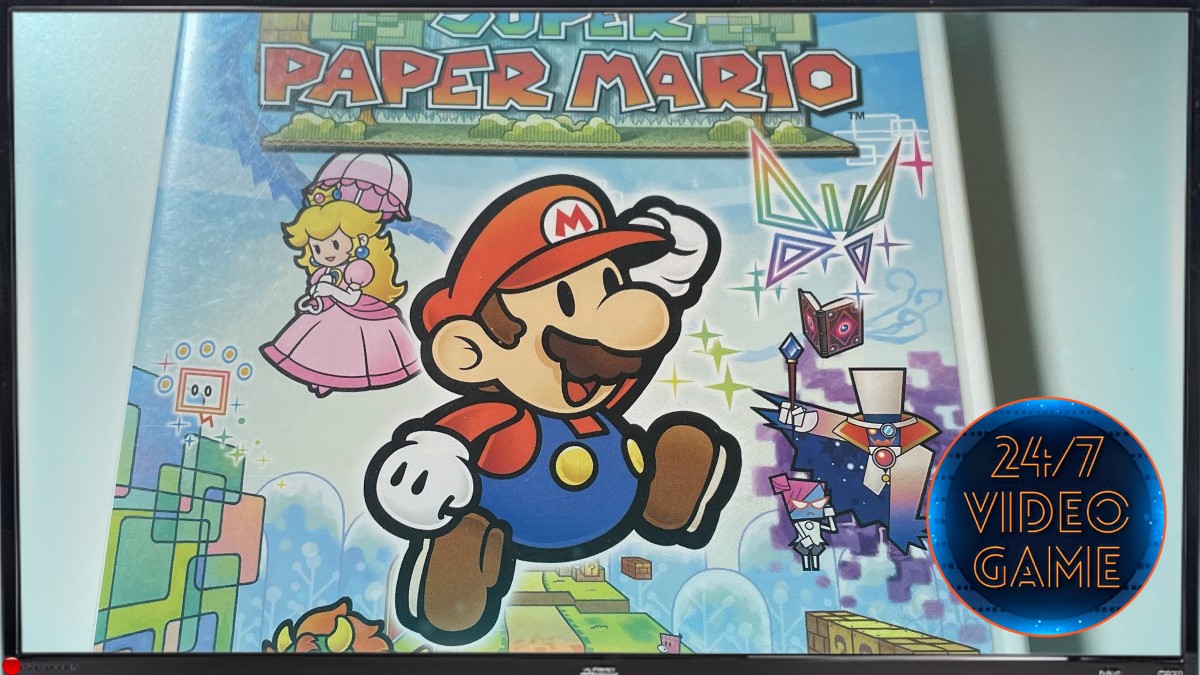
At first glance, Super Paper Mario looks like a playful detour through a familiar, hand-cut Mushroom Kingdom. Released for the Nintendo Wii in 2007, it quickly reveals a stranger ambition: this is a platform adventure that keeps folding its own rules into new shapes. The game’s history and design reflect a series willing to experiment, while Nintendo’s imaginative worlds provide the perfect stage for its offbeat transformation.
Flip the View, Change the Rules
The signature trick is the ability to rotate the scenery from a flat, side-on view into three dimensions. Suddenly, a wall may conceal a path, a familiar obstacle becomes a puzzle, and the seemingly simple landscape opens up in surprising ways. This 2D-to-3D mechanic gives exploration a delightful sense of discovery, while the game’s platforming and RPG elements keep its pace varied. IGN’s game coverage offers a useful companion to the adventure, and the broader Paper Mario series shows just how distinctive this entry’s approach is.
Mario’s Oddest Team Takes the Stage
Mario does not have to carry this peculiar quest alone. Princess Peach, Bowser, and Luigi each join the playable cast, bringing different abilities that help turn obstacles into opportunities. The tiny companions known as Pixls add another layer, offering useful powers that encourage players to think beyond the jump button. For more on the cast and its place in the franchise, Super Mario Wiki’s game guide tracks the characters and details, while Nintendo’s official site provides a gateway to the series’ wider universe.
A Story with More Than One Dimension
Beneath the jokes and paper-crafted charm, the tale grows unexpectedly dramatic. The threat of Count Bleck and the Chaos Heart gives the journey a surprisingly emotional center, balancing the game’s comic flourishes with themes of loss, choice, and connection. That tonal mix helps explain why Super Paper Mario remains memorable beyond its central gimmick. Readers can explore the game’s plot and reception through its reference entry and revisit the broader conversation around Nintendo adventures at Polygon.
A Wii Adventure That Still Stands Apart
Super Paper Mario may not follow the traditional shape of a role-playing game, but that refusal to stay in one lane is precisely its appeal. Its visual jokes, clever perspective shifts, and unusual ensemble give the Wii release a personality all its own. For players curious about a Mario adventure with a twist or a genre-bending platformer, it remains an inviting trip through a world that never looks quite the same twice. More background is available from IGN and Wikipedia.