A familiar blur on a 16-bit stage
In Speedy Gonzales: Los Gatos Bandidos, the famously quick-witted mouse trades cartoon shorts for a Super Nintendo adventure. Released in 1994, the game carries the unmistakable appeal of a Looney Tunes character stepping into the colorful world of 16-bit action, where brisk movement and animated personality share the spotlight. It belongs to an era when beloved screen characters regularly made the leap to consoles, as the history of the Super Nintendo and the enduring legacy of Looney Tunes both attest.
Speedy Gonzales in a platforming spotlight
The title sets up a natural fit: Speedy’s reputation for speed gives the game an instantly recognizable hook, while its side-scrolling platform action places him in a classic console format. That combination captures the charm of licensed games at their best—translating a character’s defining trait into something players can feel in their hands. The broader tradition of character-driven games can be traced through resources like IGN and MobyGames, where generations of adaptations reveal how familiar personalities found new lives beyond television and film.
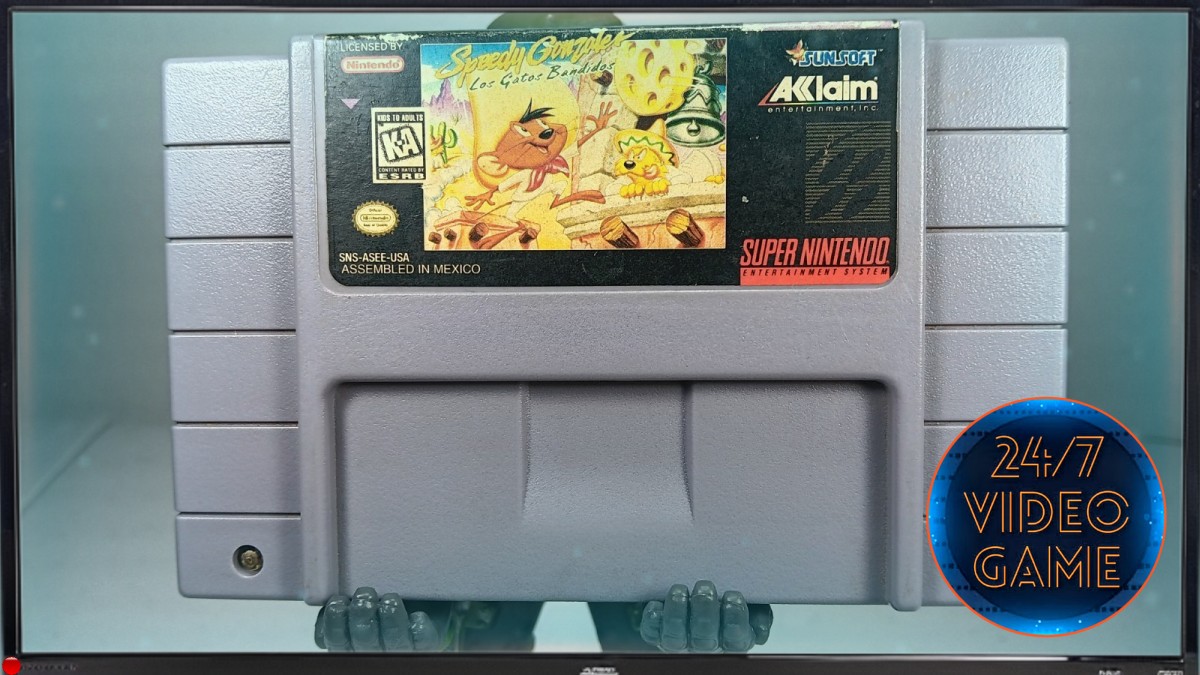
A 1994 cartridge with a little wear
This particular copy is listed as tested, with a worn label and an overall acceptable condition rating. For collectors, that combination tells a small but meaningful story: the cartridge has seen use, yet it has also been checked for playability. Cosmetic wear can matter to anyone seeking a pristine shelf piece, but players more interested in revisiting a vintage release may place greater value on a working game. The PriceCharting market tracker and the collector-focused coverage at Nintendo Life offer useful context for comparing condition, completeness, and demand across older Nintendo releases.
For collectors and cartoon fans alike
Los Gatos Bandidos has the appeal of a compact time capsule: a 1994 SNES release built around one of animation’s most recognizable speedsters. The tested, worn-label listing is less about untouched display condition than the chance to bring a piece of that era back into rotation. For anyone drawn to retro game shelves, cartoon history, or the meeting point between the two, Speedy’s console adventure remains an intriguing snapshot of the 16-bit licensing boom. More background on the console era is available from Nintendo, while Speedy Gonzales’s character history helps explain why the quick mouse was such a natural fit for a video game lead.