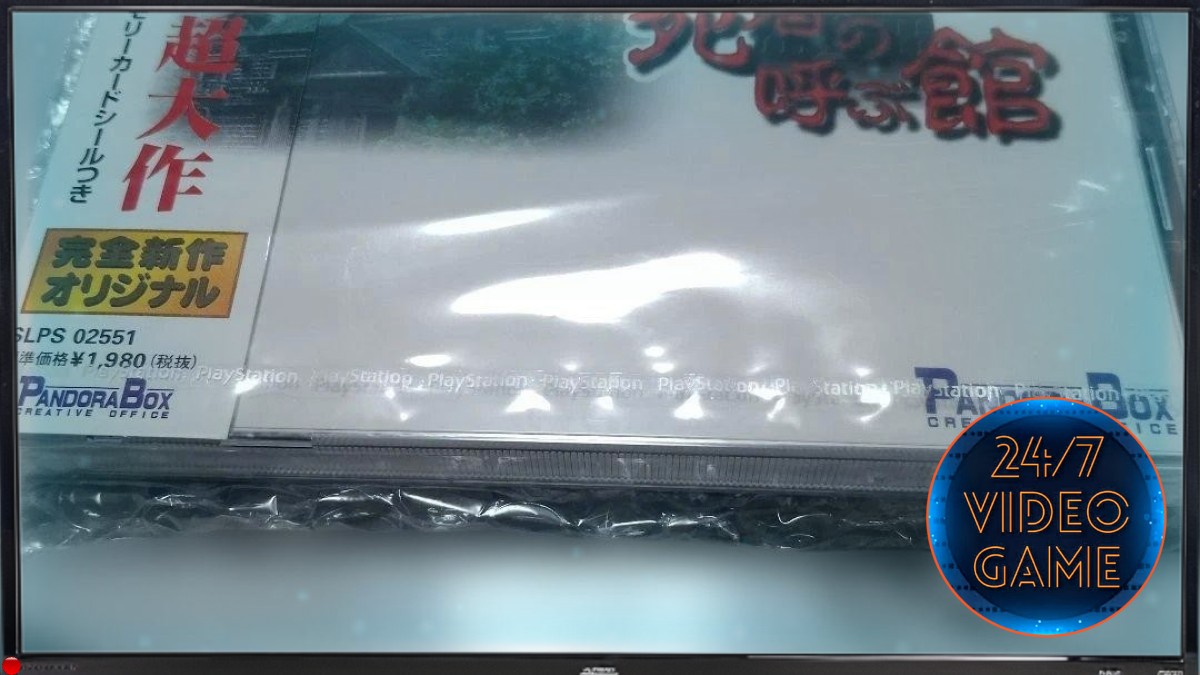

A Japanese PlayStation Curiosity With a Chilling Name
Shisha No Yobu Yakata arrives with the kind of title that invites questions before a disc ever reaches the console. The Japanese name evokes a mansion called by the dead, placing the game in the enduring tradition of supernatural horror and haunted-house fiction. Its NTSC-J PlayStation release also marks it as a window into a distinct corner of the original PlayStation’s enormous library, when developers were exploring how compact worlds and unsettling atmosphere could make a lasting impression. The console’s history is chronicled by Wikipedia’s PlayStation overview, while IGN’s look at notable PS1 games offers a reminder of just how varied that generation’s catalog could be.
The Mansion Is Part of the Mystery
Even without assuming details beyond its title, the game’s premise carries an immediate pull: a mansion, a summons, and the possibility that something from beyond the grave is waiting inside. That imagery taps into the pleasures of horror games, where suggestion can be as effective as spectacle and every shadow seems to hold a question. Shisha No Yobu Yakata sounds like an invitation into that uneasy space, while its Japanese-language identity gives collectors and curious players a reason to look beyond familiar Western releases. For broader context on horror’s many forms, Wikipedia’s history of horror fiction traces the genre’s long fascination with the uncanny, and IGN’s horror coverage explores how that fascination continues in games.
Why a Factory-Sealed Copy Draws Attention
A factory-sealed copy changes the appeal from simple nostalgia to preservation. The untouched packaging represents a small time capsule from the PS1 era, carrying the promise of a game that has remained unopened for decades. For collectors, that condition can be especially compelling when paired with a Japan-only NTSC-J edition, since regional releases preserve the design choices and packaging of their original market. The value of any particular copy depends on factors such as condition, authenticity, and demand, so the listing’s asking price should be treated as a snapshot rather than a universal benchmark. eBay provides a marketplace for comparing current listings, while PriceCharting offers a reference point for tracking video-game prices.
A Small Door Into PlayStation’s Bigger Past
Part of the appeal of a title like Shisha No Yobu Yakata is the sense that it opens onto a less-traveled path through gaming history. The PS1 is remembered for blockbuster franchises, but its legacy also includes regional releases and curiosities that reward patient discovery. A sealed Japanese copy keeps that sense of possibility intact: it is at once a collectible artifact and a reminder of how much of the era’s library remains unfamiliar to players outside Japan. Whether approached as a horror-game mystery, a piece of PlayStation preservation, or simply an intriguing addition to a collection, it speaks to the enduring fascination of finding a forgotten doorway in a well-explored generation. Wikipedia’s PlayStation games section sketches the platform’s broad catalog, and MobyGames’ PlayStation database helps illustrate its remarkable depth.