SEGA Mahjong Sengoku Jidai Brings Two Traditions Together
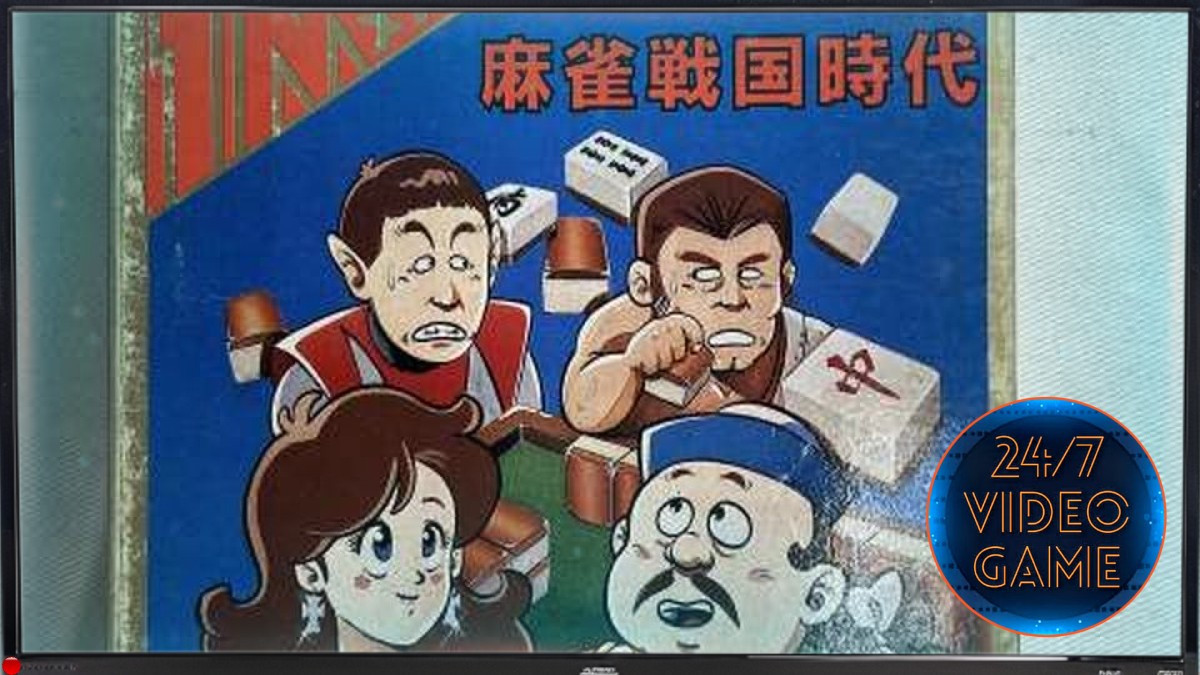
The title SEGA Mahjong Sengoku Jidai carries an evocative premise before a single tile is played: a classic table game meets the turbulent world of Japan’s Sengoku era. The available listing identifies it as retro game software centered on mahjong, making it an intriguing find for players drawn to games with a strong cultural identity. Beyond those clues, however, the listing offers few specifics about the experience itself—so the appeal begins with the object, its name, and the questions it leaves unanswered.
Mahjong’s appeal lies in pattern recognition, patience, and the tension of deciding which tile to keep as a hand takes shape. That foundation gives the game a very different rhythm from an action-heavy period piece: here, the drama suggested by “Sengoku Jidai” meets a genre built around measured decisions. For newcomers curious about the game’s roots, mahjong’s long history offers useful context, while the title itself invites speculation about how its historical theme is presented.
A Retro SEGA Mahjong Sengoku Jidai Mystery
The listing does not confirm a platform, developer beyond the SEGA branding in the title, release date, or particular modes and features. That absence matters. Rather than dressing guesses up as fact, it is best to treat SEGA Mahjong Sengoku Jidai as a compact piece of gaming history whose precise specifications would need to be verified from the software and its packaging. Collectors can explore more finds in the retro games section, where forgotten releases and unusual regional curiosities have room to stand out.
As a genre comparison, mahjong software occupies a quieter lane than competitive board-game staples such as Mahjong Soul: the central attraction is not spectacle, but the possibility of settling into a focused contest of observation and choice. The Sengoku framing gives this particular title an extra layer of intrigue, though the listing does not establish whether that theme appears in artwork, story, or gameplay. SEGA’s history as a major games company makes its name instantly recognizable, but the available information does not identify a specific studio or creative team; the company’s official site provides a broader look at its legacy.
Why This Mahjong Curiosity Still Catches the Eye
The item is listed in very good condition at $95.43, with $20.00 shipping, and the seller offers the option to make an offer. Those details make it a substantial collector purchase rather than an impulse bargain, particularly for buyers outside Japan, where the listing says the item is located. Anyone considering it should check the listing’s photographs and description carefully, confirm what is included, and account for shipping before deciding whether this SEGA release belongs in a collection.
For players, the draw is the unusual combination of a familiar tile-game tradition and a title that gestures toward Japan’s era of warring states. For collectors, it is a chance to investigate a less-documented corner of retro gaming. The listing cannot promise a particular platform, presentation, or set of features, but that uncertainty is part of the item’s character: SEGA Mahjong Sengoku Jidai arrives less as a fully explained attraction than as an invitation to look closer.