When the Graphics Card Was the Upgrade
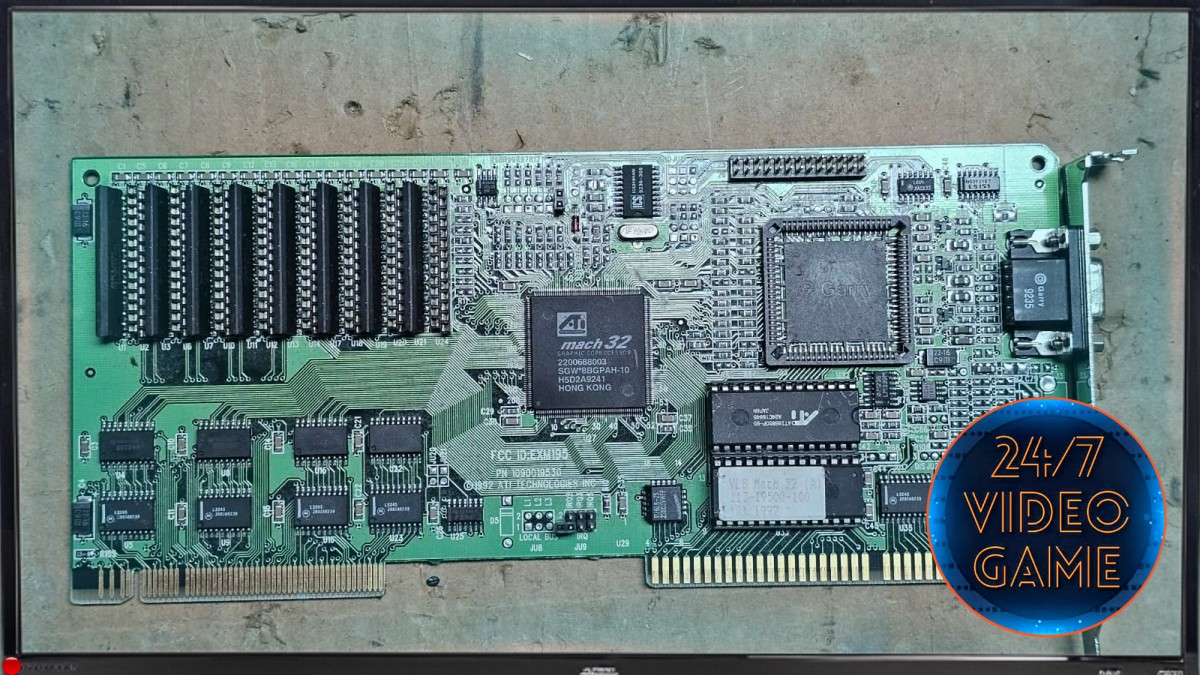
Before graphics hardware became a quiet, hidden component in a sleek gaming rig, a new video card could feel like a ticket to an entirely different kind of PC. The vintage ATI Technologies Mach32 card captures that era in tangible form: a piece of hardware built for a time when faster visuals meant opening the case, checking the motherboard, and making room for the next leap forward. Its name carries a distinctly early-PC ring, recalling the ambitious growth of ATI Technologies and the rapid evolution of graphics cards.
VLB, the Fast Lane of Its Day
The card’s VLB interface is part of its appeal. Short for VESA Local Bus, VLB connected graphics hardware more directly to a computer’s processor and became a familiar sight in many 486-era PCs. It was a practical answer to a growing demand for quicker graphics, arriving in the busy transition from basic desktop visuals toward richer games and applications. Today, the standard offers a snapshot of how personal-computer design kept pushing forward, as explained in histories of the VESA Local Bus and the Intel 80486.
A Small Artifact From a Big Shift
Part of the Mach32’s charm is how unassuming it looks beside modern graphics cards. There are no oversized cooling shrouds or glowing accents—just an unmistakable period-correct circuit board, its components and connectors telling the story. For collectors, that physical detail is the point: a vintage card can evoke the satisfying ritual of configuring older hardware, from finding compatible parts to coaxing a favorite game onto the screen. That broader retro-computing spirit lives on through communities such as VOGONS and resources devoted to retrocomputing.
Why the ATI Mach32 Still Draws a Look
The ATI Mach32 is more than a component with a recognizable name; it is a reminder that gaming’s visual history was shaped by generations of incremental, hands-on upgrades. Whether it belongs in a carefully restored vintage PC or on a collector’s shelf, the card connects today’s players with an era when graphics standards were still taking shape and every hardware improvement felt personal. For anyone exploring the lineage of PC gaming, its story sits comfortably alongside the wider histories of personal computing and video games.