A Heroine Steps Into Another World
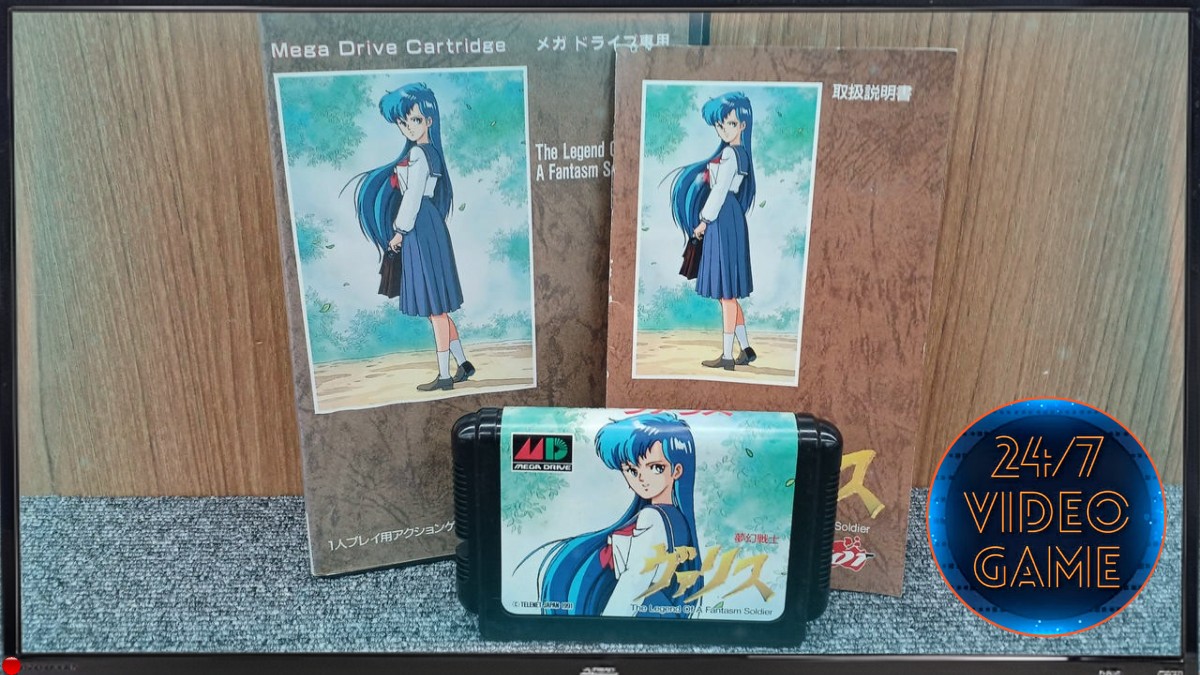
Mugen Senshi Valis belongs to a strain of ’80s game-making that treated a bold premise as an invitation to adventure. Its Japanese title evokes a “dream warrior,” while the series follows a schoolgirl drawn into a fantasy realm and transformed into a sword-wielding heroine. That blend of everyday life and otherworldly danger helped give Valis a distinct place in the era’s action games. The broader history of the Valis series and the period’s rapidly evolving video game landscape makes the title especially rewarding to revisit.
Telenet Japan’s Distinctive Imagination
Behind the game was Telenet Japan, a developer and publisher whose catalog captured the inventive, sometimes wonderfully unruly spirit of Japanese home-computer gaming. Valis paired action with a heightened fantasy sensibility, making its heroine and enchanted setting central to the experience rather than mere decoration. That ambition reflects the creative range associated with Telenet Japan, as well as the growing appetite for character-driven adventures explored in histories of classic video games.
Why Retro Software Still Has a Hold
A vintage game release is more than a way to revisit familiar pixels. Its packaging, typography, and physical format preserve a snapshot of how games were presented before digital storefronts made the box optional. For collectors, original Japanese software can carry particular appeal because it connects the game to the market and culture that first shaped it. Resources such as PriceCharting and Video Game Collector help illustrate how preservation and collecting keep these artifacts in circulation.
The Valis Legacy Lives On
The lasting charm of Mugen Senshi Valis lies in its confident mix of fantasy adventure and arcade-style action. Its historical value is inseparable from the larger story of Japanese game development, where distinctive worlds and memorable heroes helped define an emerging medium. Whether encountered as a playable classic or as a piece of gaming history, Valis offers a window into the imaginative energy of its time. The series’ background can be explored through its franchise history and the wider record of video game culture.