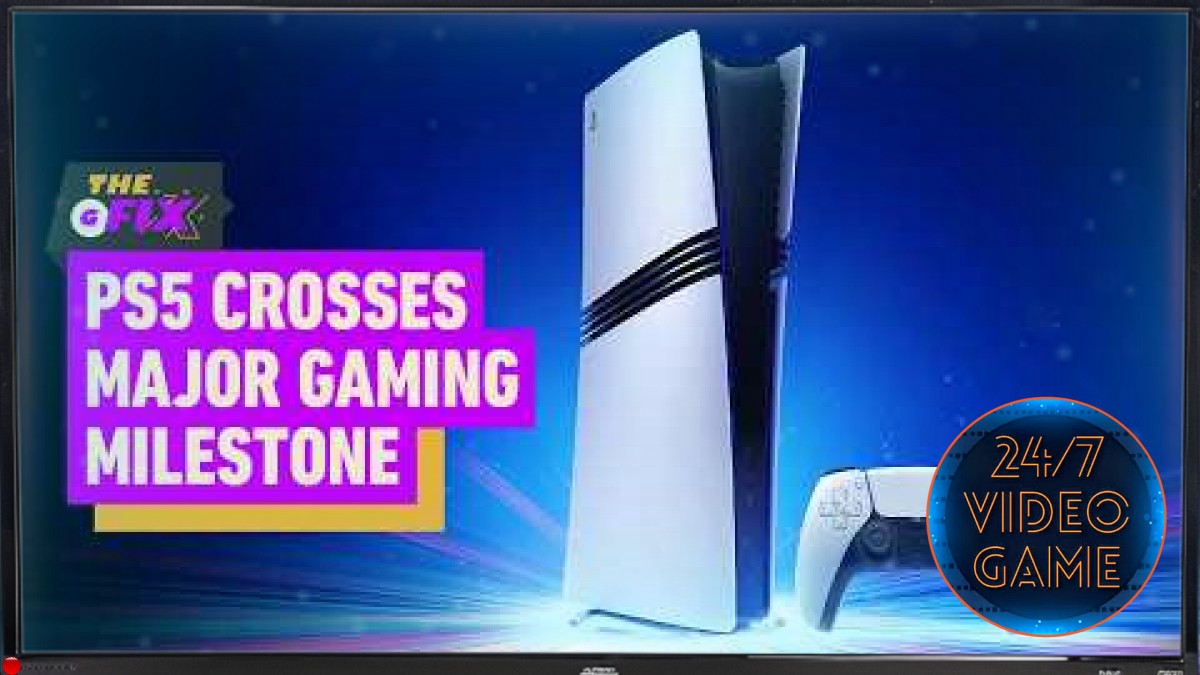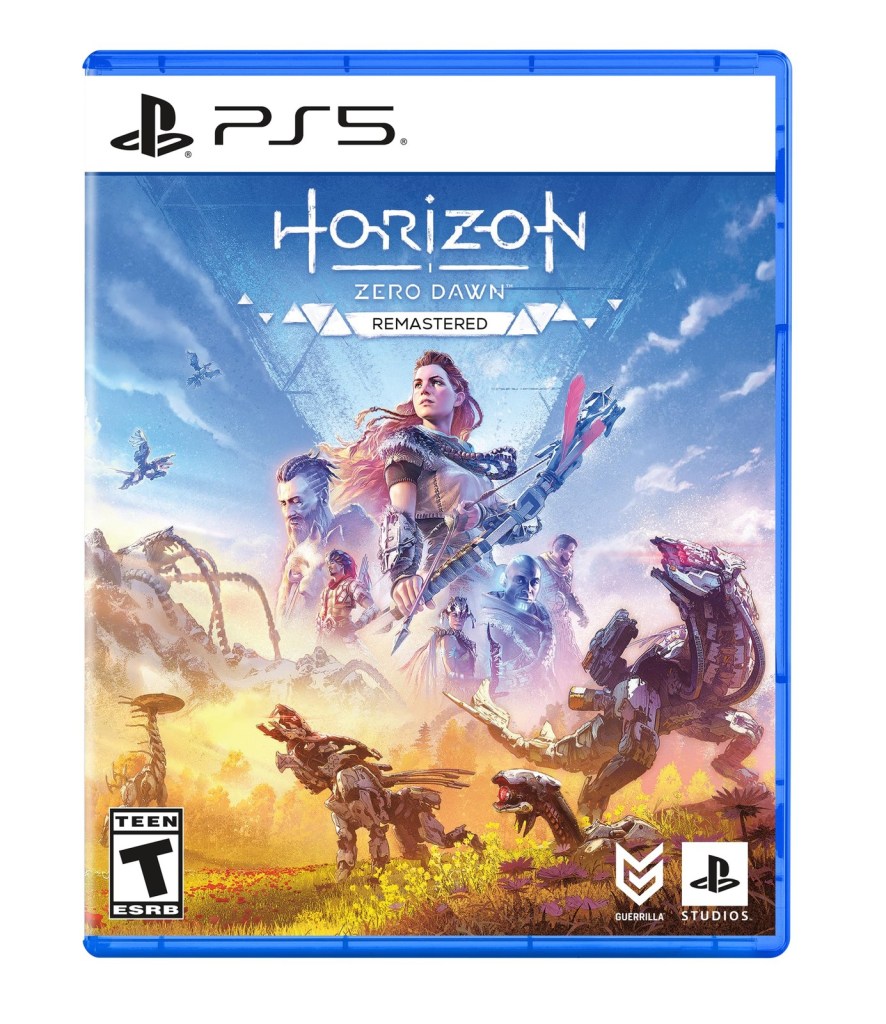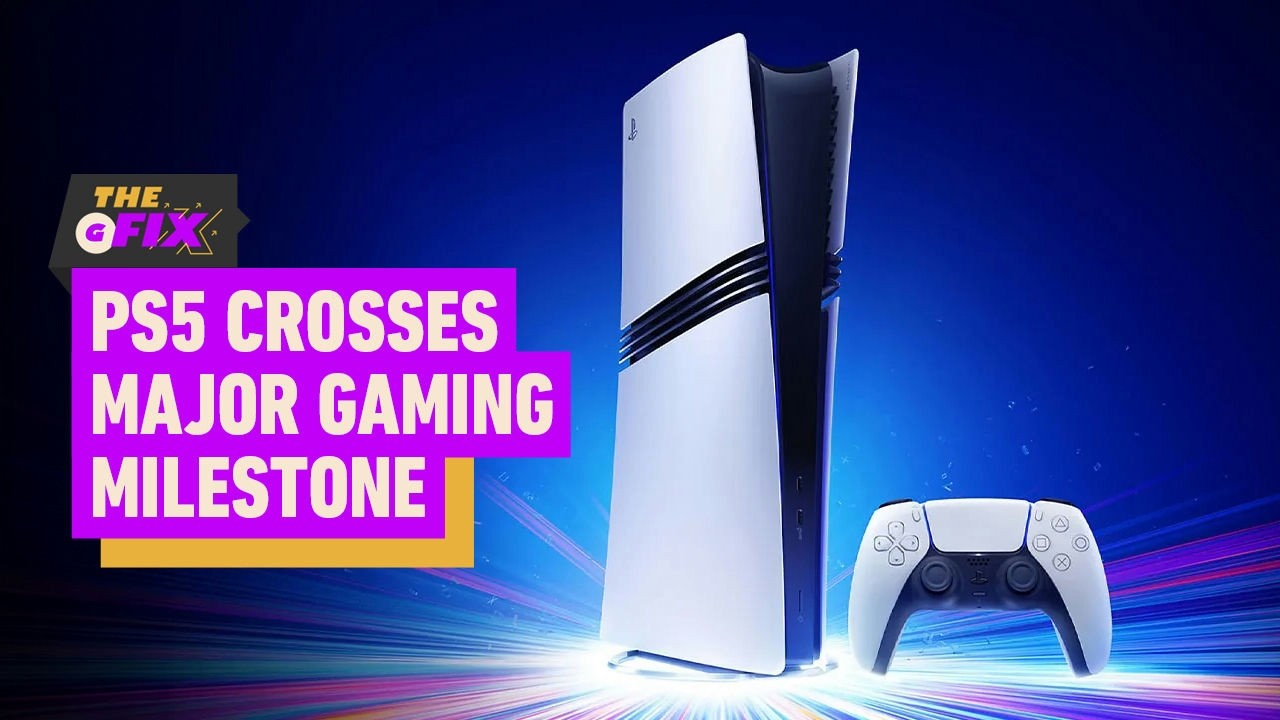
One hundred million is a milestone with real weight in the console business. Sony says the PlayStation 5 has reached that figure since its November 2020 launch, a landmark that places the machine among the industry’s biggest success stories—even as the number reflects units sold into retail channels, not necessarily every console already in a player’s hands. The distinction matters, but so does the scale: the PlayStation 5 has built a formidable audience through years of supply challenges, blockbuster releases, and a steady stream of hardware updates. For context on the long arc of the business, the PlayStation 2’s record-setting run remains the benchmark every modern console is measured against.
The PS5 joins a very exclusive club
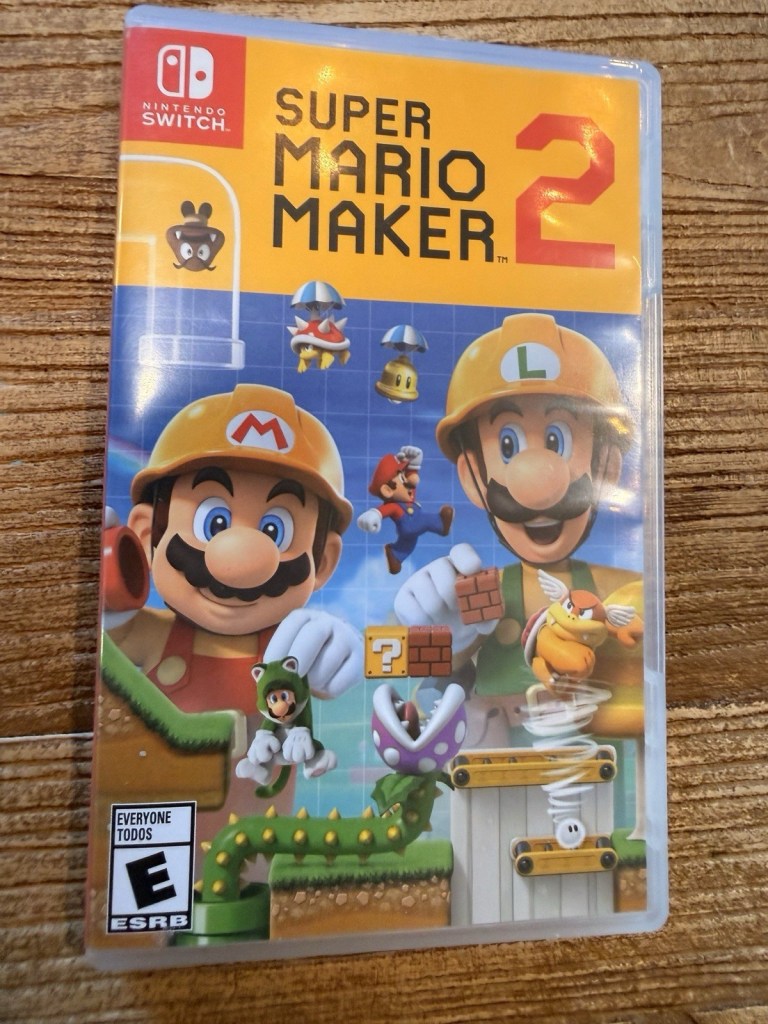
The summit is still a crowded, fiercely contested place. Sony’s PlayStation 2 leads with more than 160 million units, while Nintendo’s Switch has climbed to roughly 157 million, putting the PS5’s 100-million mark in perspective without diminishing its achievement. Each figure represents a different era, business strategy, and kind of player: the PS2 became a household centerpiece, the Switch made portability part of its identity, and the PS5 has leaned into high-end performance and a deepening catalogue. The official Sony Interactive Entertainment site tracks the company’s broader platform ambitions, while Nintendo’s Switch pages offer a glimpse of the hybrid system that has kept its sales momentum rolling.
Zelda gives the Switch 2 an early victory lap
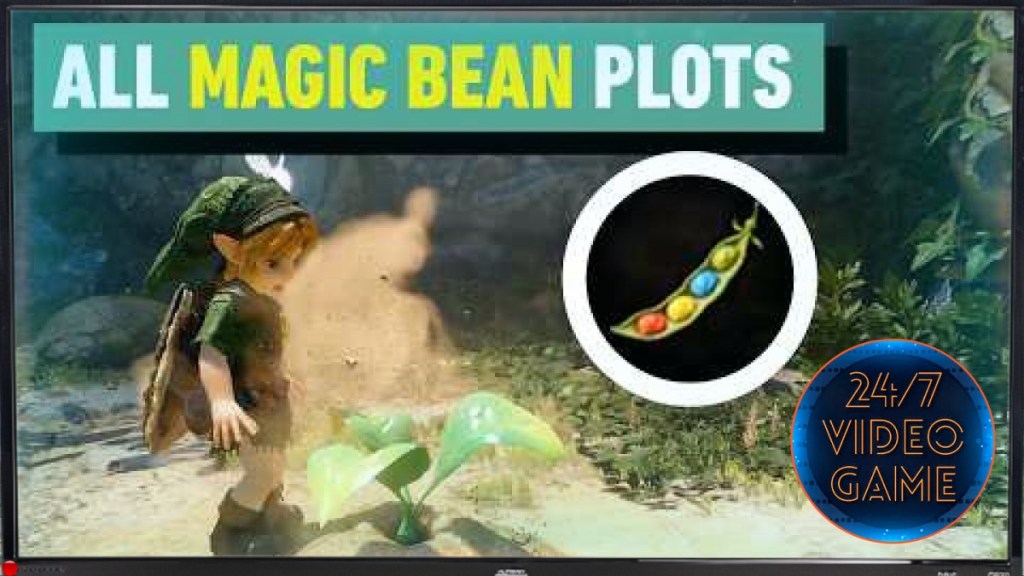
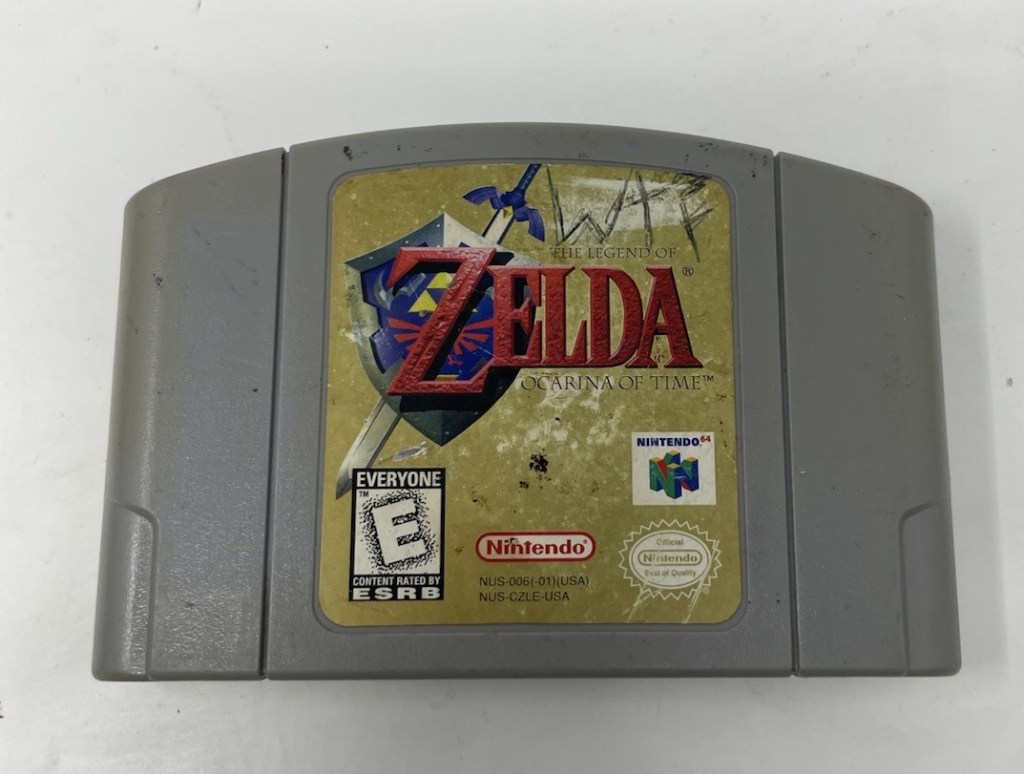
Another sales headline belongs to The Legend of Zelda: Ocarina of Time, whose reported remake for Switch 2 moved five million copies in just four days. That pace makes it the fastest-selling game on the new system so far, a striking early signal of how powerfully a beloved classic can travel across generations. Ocarina’s enduring appeal is no mystery: its world, music, and sense of discovery helped define what a 3D adventure could be, and a fresh release gives longtime fans a reason to return while inviting a new audience into Hyrule. The official Zelda series site celebrates the franchise’s legacy, and the game’s place in gaming history helps explain why this particular return has such potent commercial pull.
Katsuhiro Harada takes aim at Xbox’s split strategy
Then there is the more contentious hardware debate. Former Tekken boss Katsuhiro Harada reportedly described the Xbox Series S as the “weaker child” of the Xbox family and said he wished it had not been released. It is a sharp assessment of a machine designed to offer a lower-cost entry point, but it touches a real development tension: supporting multiple performance targets can require extra engineering work and compromises in how games are built and tested. The Xbox Series S has also helped broaden access to the current Xbox generation, so its role cannot be judged by specifications alone. Microsoft lays out the console family on its official Xbox hardware page, while IGN’s coverage follows the ongoing conversation around how those different targets affect game development.
Three headlines, one changing console landscape
Together, the news sketches a business that is thriving on more than raw hardware power. The PS5’s 100-million milestone reflects durable demand, Zelda’s rapid start shows the commercial force of recognizable classics, and Harada’s criticism underscores the trade-offs built into a market that serves players across different budgets and performance levels. None of these stories settles the future of console gaming, but each offers a useful clue: audiences still rally around distinctive platforms and trusted franchises, while developers continue to weigh ambition against the realities of hardware. The PlayStation ecosystem and Nintendo’s platform lineup illustrate two very different approaches to winning players—and both remain central to the industry’s next chapter.