In Phantom Blade Zero, the Parry Is the Point
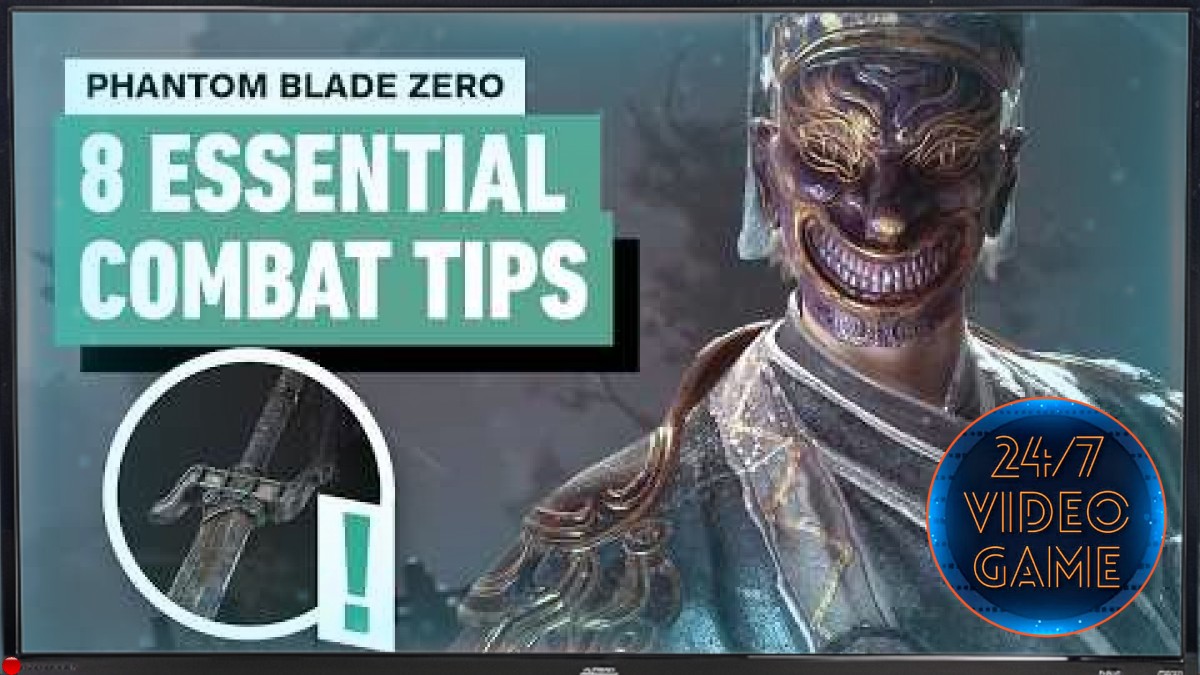
Phantom Blade Zero may look like a whirlwind of steel, acrobatics, and stylish finishers, but survival depends on more than keeping the attack button busy. Its combat rewards attention: read an opponent’s movements, choose the right moment to respond, and treat every opening as something to earn. The game’s official PlayStation page offers a glimpse of its martial-arts spectacle, while IGN’s Phantom Blade Zero coverage tracks the latest news about the action game.
The most important habit is learning to parry. Rather than dodging away from every threat, a well-timed deflection can interrupt an enemy’s rhythm and create the kind of brief opening that turns defense into offense. That timing takes practice, but the payoff is substantial: once attacks stop feeling like surprises and start reading like cues, even a crowded encounter becomes easier to manage. The principles behind a fencing parry help explain the appeal of turning an incoming strike aside, and IGN’s action-game features explore the pleasures of mastering demanding combat systems.

Compare Live Prices
Lore & Research Data
Partner Deals & Off-Topic
Make Every Opening Count
A successful defense is only half the exchange. When an enemy is vulnerable, maximize the damage window instead of spending precious seconds repositioning or launching attacks without a plan. Knowing which weapon, ability, or follow-up to use makes those short opportunities count. The same discipline applies to Sha-Chi: keeping a buffer available gives the player more room to react when a fight turns volatile, rather than leaving every resource spent before the next dangerous move arrives. For a broader look at the game, visit the PlayStation game page and IGN’s game listing.
Equipment choices can also decide whether a tough foe feels manageable or maddening. Keeping a Shieldbreaker Phantom Edge equipped means having an answer ready when an enemy’s defenses demand a specialized response. Meanwhile, learning to make use of free Phantom Edge uses can preserve limited resources without sacrificing pressure. These are small decisions with a big effect: a versatile loadout lets a swordsman adapt instead of trying to force one strategy through every encounter. The game’s official PlayStation page showcases its weapon-focused action, and IGN’s Phantom Blade Zero hub is a useful place to follow its evolving details.
Build a Blade That Fits the Fight
Jagged Steel and the Scarlet Wraithblade stand out as options worth exploring, but the real lesson is to think about what a weapon contributes to a particular fight. A blade is more than a cosmetic flourish; its place in the arsenal can shape how the player handles pressure, creates openings, and follows through after a parry. Experimentation helps reveal which tools suit a preferred rhythm—and which ones are better saved for a stubborn opponent. More information about the game’s combat can be found through PlayStation and IGN.
Accessories deserve the same attention as weapons. The right accessory setup can complement a player’s approach, whether that means reinforcing a preferred combat rhythm or covering a weakness that becomes obvious in longer encounters. Instead of treating gear as an afterthought, consider how each choice works alongside parries, damage windows, Sha-Chi management, and Phantom Edge abilities. In Phantom Blade Zero, mastery comes from making those pieces work together: the sharpest sword is only as effective as the decisions behind it. The official PlayStation site and IGN’s coverage provide further context for the game’s fast-moving world of blades and combat.