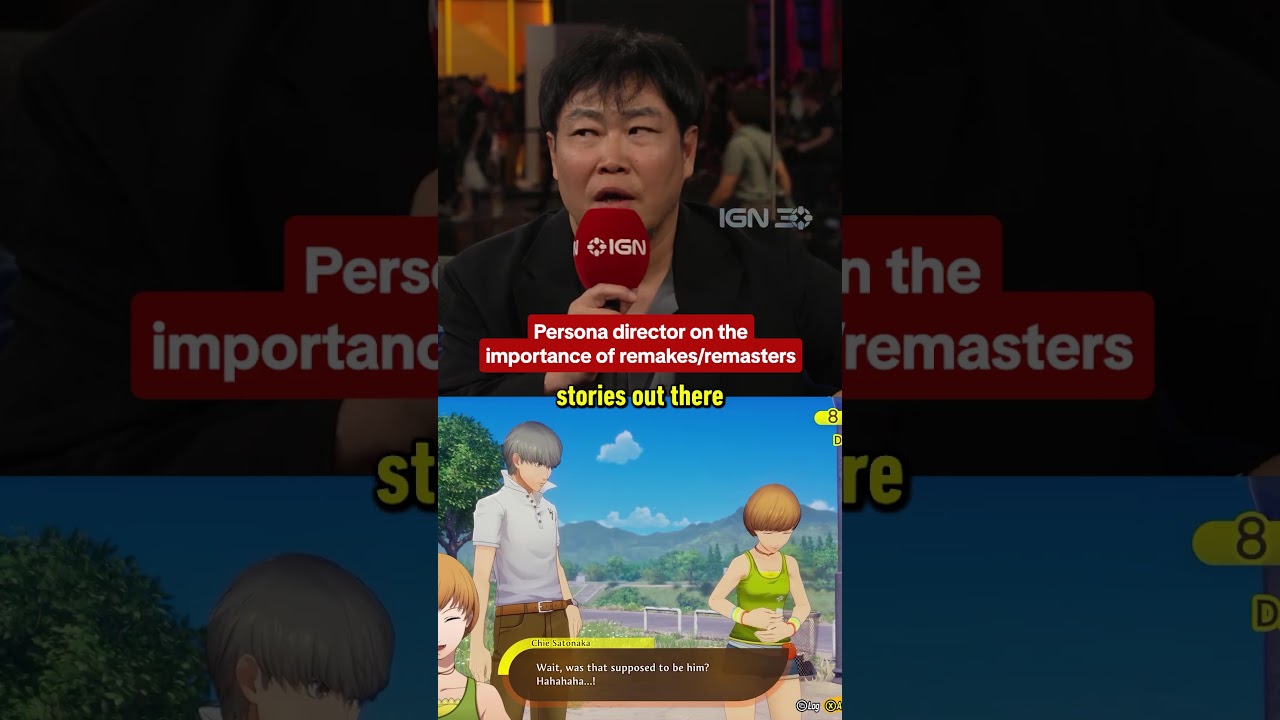
Kazuhisa Wada, a director associated with the Persona series, has put a familiar question back on the table: do games need remasters? His view, captured in an IGN interview, points to a bigger conversation about how players revisit older favorites—and how the industry keeps its history within reach. In a medium that moves quickly, a remaster can be more than a fresh coat of paint; it can be a renewed invitation to play.
Why Kazuhisa Wada’s Remaster Argument Resonates
Wada’s position lands at a moment when game libraries stretch across generations, while access to older releases can be uneven. A remaster offers one way to bring a past game back into circulation, giving longtime fans a reason to return and newcomers a chance to discover what they missed. That idea has particular resonance for role-playing games, where stories and systems can reward the kind of sustained attention that makes a second encounter feel worthwhile.
Still, the word “remaster” covers a range of ambitions. Some projects focus on making an existing game easier to experience on newer hardware; others use the opportunity to refine presentation or address rough edges. The strongest efforts preserve the character of the original rather than sanding away its quirks. For readers exploring the broader retro and classic games landscape, that balance between preservation and polish is part of what makes revisiting old releases compelling.
Kazuhisa Wada and the Value of a Living Game History
Remasters also sit in a useful middle ground between leaving a game untouched and rebuilding it from the ground up. That distinction matters: a careful refresh can keep a work recognizable while helping it find an audience beyond its original moment. It is a different proposition from a full remake, much as a restored film screening differs from a new adaptation. Neither approach is automatically better; each serves a different relationship with the source material.
There is a clear parallel with classic role-playing series such as Final Fantasy, where enduring worlds and distinctive design have helped older entries remain part of ongoing conversations about the genre. The comparison is not about every remaster needing the same treatment, but about the value of making influential games available for fresh scrutiny. The latest gaming coverage often tracks that tension between nostalgia and reinvention, a debate that reaches well beyond any single franchise.
Remasters Work Best When They Respect the Original
The case for remasters is ultimately a case for keeping games in circulation—not simply polishing the past for its own sake. Wada’s comments encourage a closer look at what gets preserved, what gets improved, and who gets the chance to play. For more on the interview, visit IGN; for the studio behind Persona, see Atlus. When a remaster treats its source with care, it can do something quietly powerful: let an old game speak again to a new audience.