
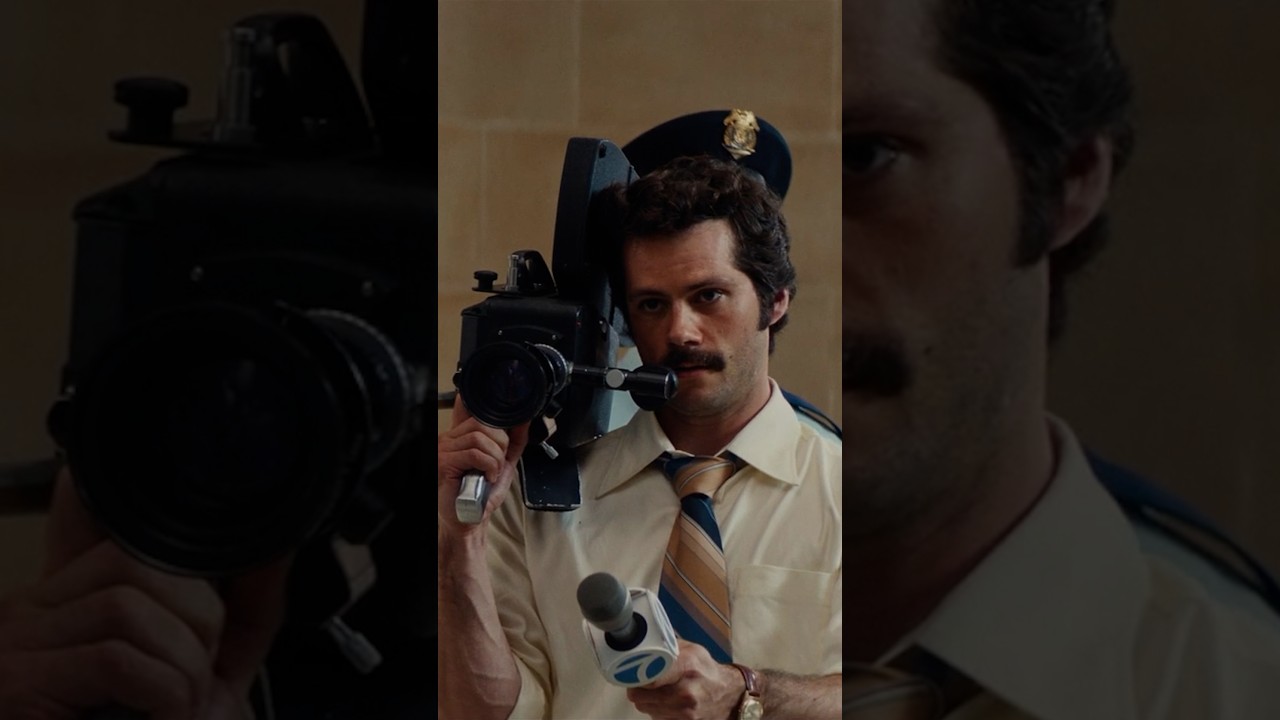
Being Heumann finds the pulse of a disability rights movement in a room full of people who agree on the need for change—and still disagree about what change should look like. In the featured scene, Judy Heumann, played by Ruth Madeley, argues that access means more than curb cuts; it also means interpreters and communication that includes everyone. The exchange gives this biopic drama an immediate, human spark, grounding its history in the complicated conversations that shape collective action.
Being Heumann Makes Room for Difficult Conversations
The debate turns on a real tension. Milton, a wheelchair user, describes curbs as a serious barrier, while Dennis Billups, who is blind, explains that curb cuts can make it harder to identify where the pavement ends and the street begins. Neither concern is abstract: each reflects a different experience of navigating the same public space. As voices rise, the scene resists an easy answer and instead shows how access must account for people with varied disabilities.
That friction gives the moment its dramatic force. Lynette signs along as the group talks, while Kitty Cone tries to slow the argument by reminding everyone that they are still learning—and that everyone has blind spots. Judy catches the phrase, prompting Dennis to clarify that he is comfortable with it. The small exchange matters: listening, asking, and making room for correction become part of the movement’s work, not a detour from it. For more features on screen stories, visit 247videogame.com’s movies and TV hub.
Judy Heumann’s Movement Was Built by Many Voices
Based on true events, the film follows Heumann and a coalition of activists in 1977 as they occupy a federal building to press the government to act. The protest grew into the longest occupation of a federal building in American history, according to the film’s description. Directed by Siân Heder, whose CODA won the Academy Award for Best Picture, Being Heumann pairs a landmark chapter in disability rights history with an ensemble that includes Ruth Madeley, Mark Ruffalo, Madeline Delp, Dylan O’Brien, Rob Delaney, and Daniel Durant. The film’s account of Heumann’s life and activism can be explored further through the Encyclopaedia Britannica biography.
Being Heumann Finds Its Strength in the Details
Rather than presenting solidarity as automatic, the scene shows it being built through disagreement, clarification, and care. That approach recalls Crip Camp, another documentary account of disability activism, while Heder’s dramatic framing gives this story the momentum of a coalition discovering its power in real time. Being Heumann is in select theaters and streaming on Apple TV; its intimate arguments offer a vivid entry point into a struggle whose demand for access reaches far beyond any single curb.
redirecting to