A distant corner of Nintendo history
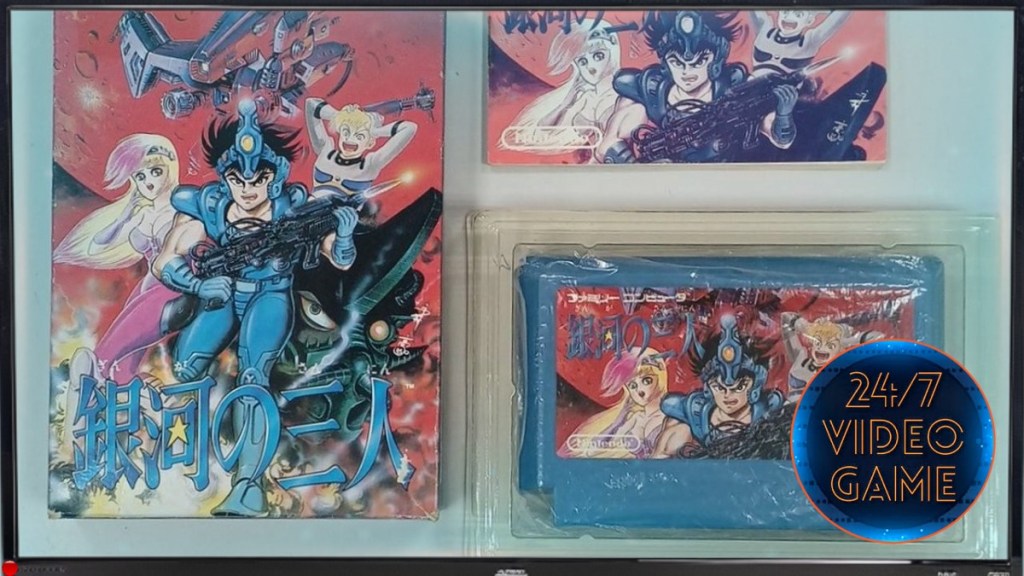
Some retro games announce themselves with familiar names and instantly recognizable box art. The Three Of The Galaxy, identified in its listing as a 1987 Nintendo game from Japan, arrives with a more intriguing kind of mystery: a title that sounds like an invitation to a science-fiction adventure, yet offers little detail at a glance. That uncertainty is part of the appeal for collectors drawn to the less-traveled paths of Nintendo history and the sprawling world of video game history.
Why a Japanese release can capture collectors
The words “from Japan” point toward a specific corner of the gaming past, when regional releases could give familiar hardware libraries a distinctly different character. For collectors, a Japanese copy can be more than an import: it can be a physical reminder of how games moved across borders and reached audiences in different forms. That broader story sits alongside the evolution of Nintendo’s home consoles and the enduring fascination with video game collecting.
A title that leaves room for imagination
The Three Of The Galaxy has the grand, slightly enigmatic ring of an adventure discovered on a shelf rather than promoted everywhere at once. The title alone cannot confirm its genre, gameplay, or place in Nintendo’s catalogue, so its strongest appeal may lie in the questions it raises—and in the pleasure of researching an unfamiliar release. That sense of discovery is central to the appeal of retro gaming, where enthusiasts often trace overlooked titles through resources such as MobyGames and the Internet Game Database.
Thirty-nine years of history in one cartridge-era curiosity
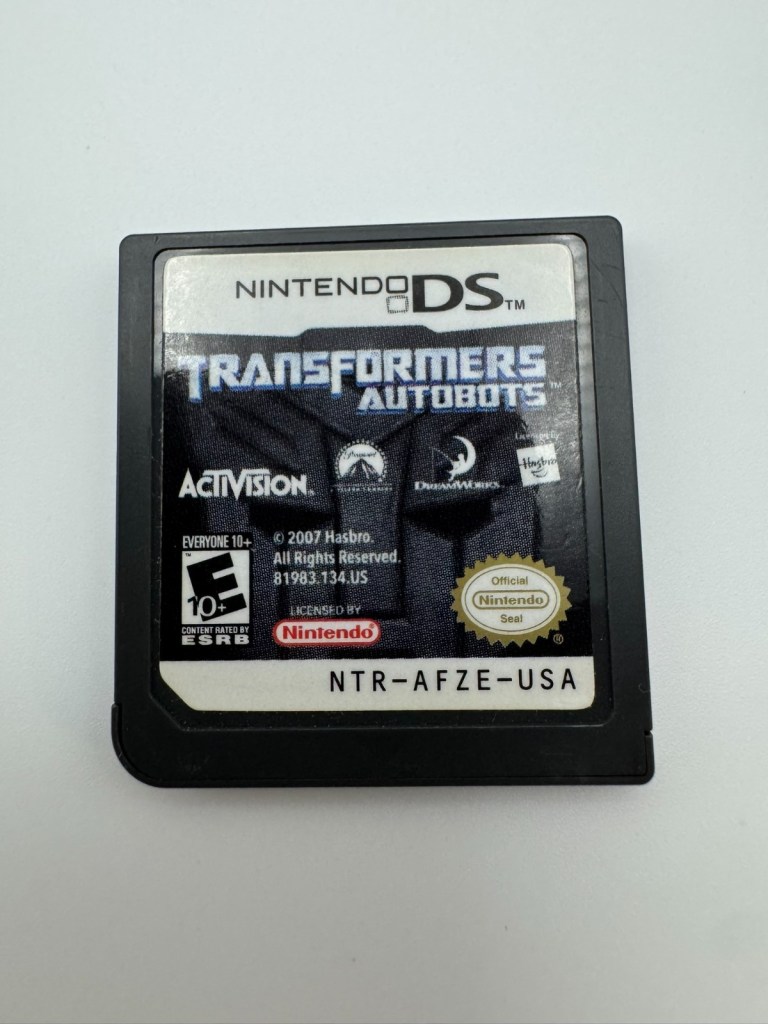
With 1987 attached to its name, the game belongs to an era when the console business was rapidly finding its footing and building the foundations of modern gaming culture. A surviving used copy carries that passage of time in a way a digital listing cannot quite reproduce: it is an object connected to a particular moment in the medium’s development. For context, the year sits within the early expansion of Nintendo’s history and the wider story of 1987 in video games.
The charm of the uncommon find
For a collector, the draw here is not only the promise of play but also the chance to encounter a name that may be unfamiliar beyond specialist circles. Rarity can make a game compelling, but careful research matters just as much: identifying the exact release, confirming what is included, and understanding its condition all help turn curiosity into an informed collecting decision. That thoughtful approach reflects the best of retro game culture, where conversations about preservation and provenance are as vital as nostalgia, as seen across video game history communities and the Nintendo universe.