A handheld habit with a playful purpose
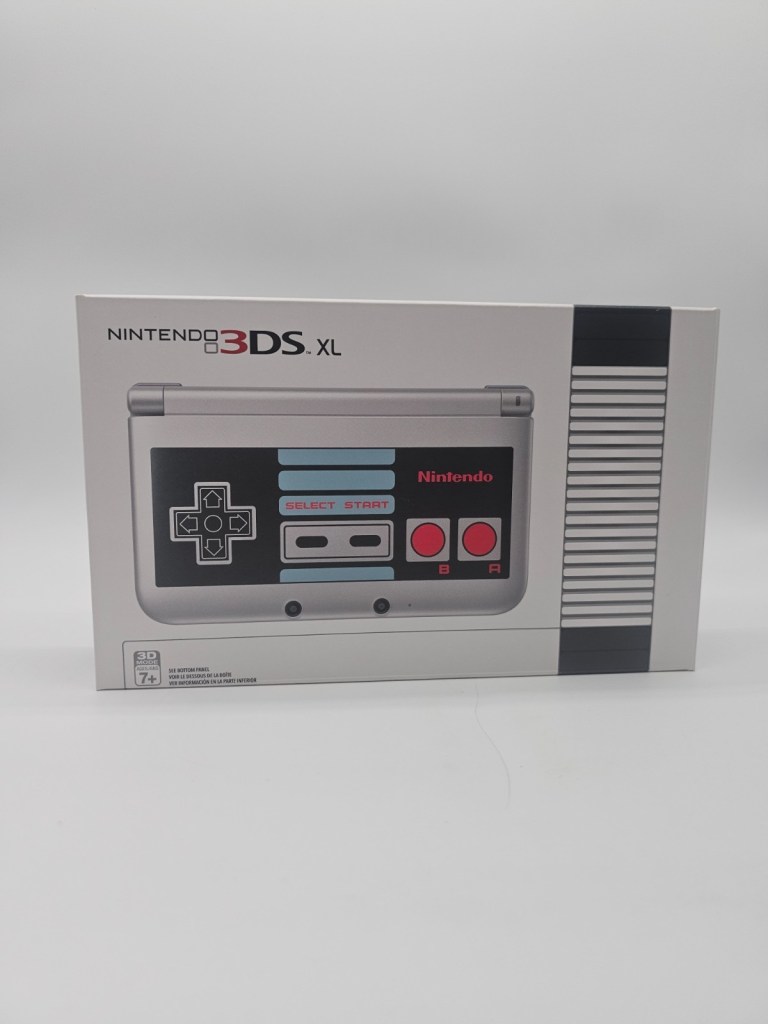
When Brain Age 2 arrived on Nintendo DS, its pitch felt refreshingly simple: spend a few minutes with a handful of brain-teasing activities, then see how your performance measures up. The sequel built on the original game’s mix of quick puzzles and daily progress, giving the DS another role beyond portable adventures and high-score chases. Its premise reflected Nintendo’s knack for making unusual ideas feel approachable, a quality explored in the history of the Nintendo DS and the company’s broader gaming legacy.
Small exercises, big personality
The appeal lies in how readily short training sessions fit into ordinary life. Rather than asking players to settle in for a lengthy campaign, Brain Age 2 frames its challenges as bite-sized visits—an invitation to pick up the stylus, focus for a moment, and return to the day. That compact structure suits the DS’s distinctive design, with its touchscreen controls turning simple gestures into part of the fun. The format also sits neatly alongside Nintendo’s other experiments with accessible play, from its hardware innovations to the broader evolution of Brain Age as a series.
Brain Age 2 makes practice feel like play
What gives the concept staying power is the way it wraps routine in a little ceremony. Progress tracking adds a reason to come back, while the game’s friendly presentation helps keep the experience from feeling like a test at school. The daily routine becomes its own reward: a quick challenge, a score to check, and the satisfying sense of having made time for something different. That understated approach offers a useful contrast to sprawling releases covered by IGN and the high-stakes competition often associated with modern gaming culture.
A snapshot of Nintendo’s curious DS era
Seen today, Brain Age 2 captures a moment when handheld games were eagerly testing what play could be. The DS made room for ideas that depended on tapping, writing, and interacting in ways a traditional controller could not easily replicate, and Brain Age 2 turned that novelty into an inviting everyday ritual. Its promise should be understood as a game’s playful framing rather than a substitute for professional health advice, but its distinctive mix of puzzles and habit remains a memorable part of the platform’s history. For a closer look at the hardware behind that experiment, the DS overview and Nintendo’s official site offer a window into the world that made it possible.