SuBastian Finds a Hidden World
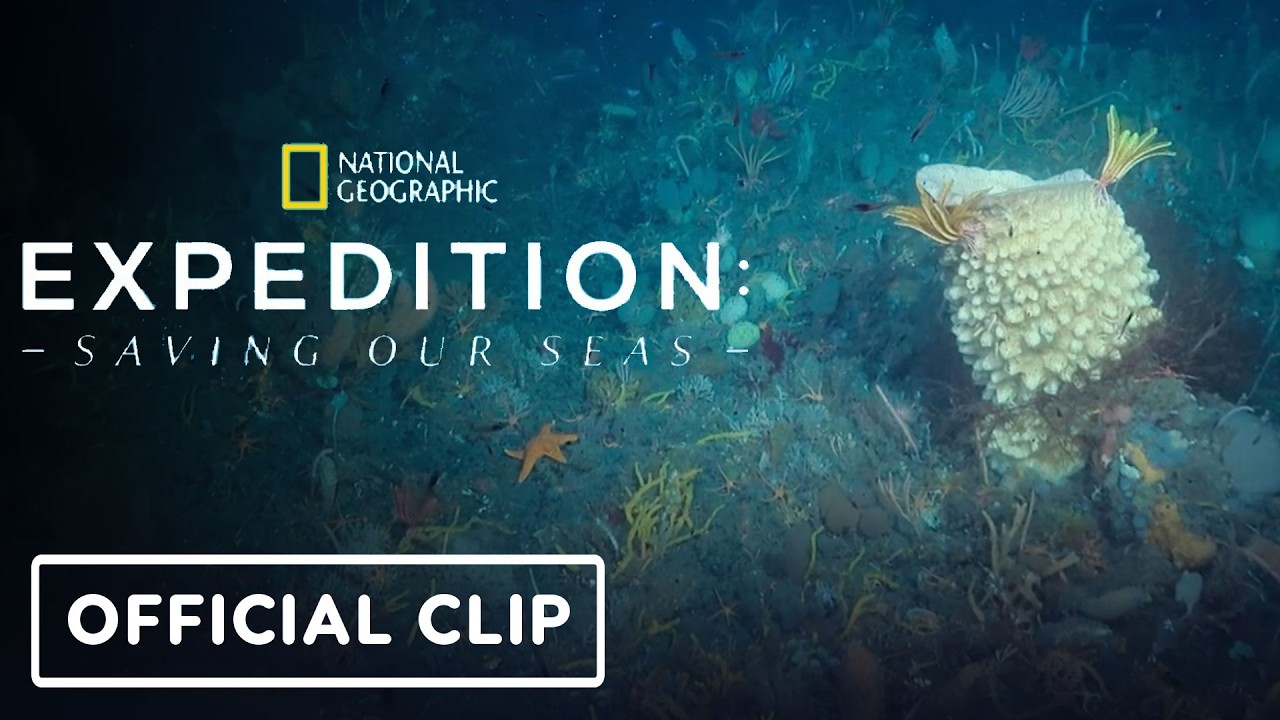
Nearly 13,000 feet beneath the Southern Ocean, darkness gives way to a discovery that sounds almost otherworldly: the planet’s most southerly deep-sea hydrothermal vent. In a clip from National Geographic’s Expedition: Saving Our Seas, the remotely operated vehicle SuBastian glides through the seafloor landscape, revealing a habitat few people will ever witness firsthand. The moment brings the thrill of exploration familiar from National Geographic documentaries, with the scientific wonder of a real expedition documented by the Schmidt Ocean Institute.
The Technology That Reaches the Abyss
SuBastian is the team’s eyes and hands in a place where crushing pressure, frigid water, and total darkness make direct human exploration extraordinarily difficult. Operating from the research vessel Falkor (too), the vehicle lets researchers observe the basin, inspect its terrain, and bring the seafloor’s details into view. The ROV SuBastian represents a powerful blend of engineering and curiosity, while the NOAA overview of remotely operated vehicles explains how these machines extend research into the ocean’s most inaccessible places.
Life Around the Vents
Hydrothermal vents transform the seafloor into an unexpected oasis. Mineral-rich fluids rise from beneath Earth’s crust, supporting communities built around chemical energy rather than sunlight. That makes the newly observed vent habitat more than a dramatic backdrop: it is a chance to study how life adapts to extreme conditions and how ocean ecosystems connect across vast distances. The discovery adds a remarkable chapter to the story of deep-sea hydrothermal vents and the remarkable organisms associated with them, including those found in other hydrothermal-vent ecosystems.
Exploration With a Bigger Purpose
The clip features oceanographer Dr. Andrew Thurber, biological oceanographer Dr. Kim Bernard, and microbial oceanographer Dr. Allison Fong as they survey the Southern Ocean’s depths and icy surface. Their work is part of the National Geographic and Rolex Perpetual Planet Ocean Expeditions, a multiyear effort spanning all five ocean basins to document rapid environmental change. In Expedition: Saving Our Seas, technical discovery meets a broader conservation mission, echoing the research and public outreach of the National Geographic Society and the ocean-focused initiatives at Rolex Perpetual Planet.
A Vast Ocean, Seen From a New Angle
Narrated by ocean conservationist Auliʻi Cravalho, the one-hour special follows National Geographic Explorers from the shoreline to the seafloor and pole to pole, pairing advanced tools with the knowledge of coastal communities. The Southern Ocean footage offers a compelling reminder that some of the planet’s most consequential stories unfold far beyond ordinary sight—and that understanding them is a first step toward protecting them. Expedition: Saving Our Seas premieres November 13 at 9 p.m. EST on National Geographic, then streams the following day on Disney+ and Hulu.