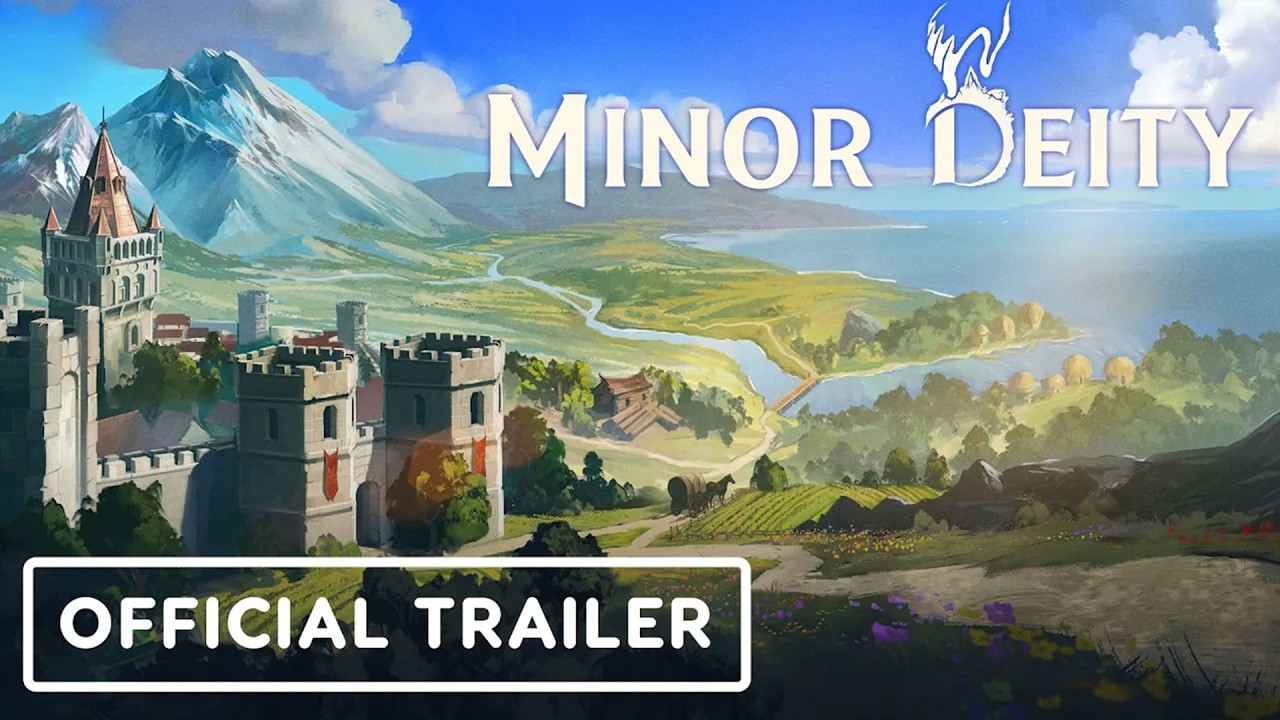
A world takes shape without the grid
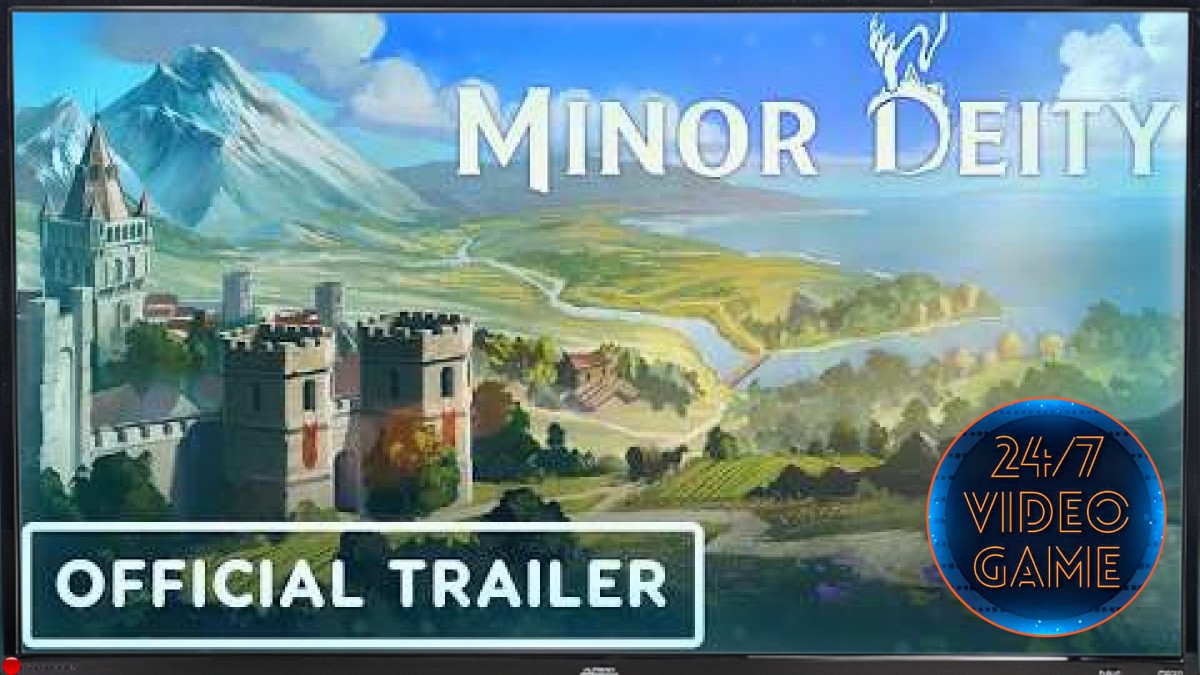
The Minor Deity trailer opens on a promise that feels wonderfully expansive: a world that can be shaped without being boxed into a rigid grid. This upcoming interactive sandbox puts terraforming at the heart of its appeal, inviting players to sculpt the land and watch a settlement grow from the contours they create. The freedom on display recalls the broad creative possibilities associated with Minecraft, while the trailer’s focus on deliberate world-building should appeal to fans who follow inventive PC releases through IGN.
Rivers, roads, and the pleasure of shaping a place
Rather than presenting a landscape as a static backdrop, Minor Deity treats it as a canvas. Rivers wind through the terrain, trees give the world texture, and roads connect the spaces where buildings begin to appear. Each element suggests a different kind of decision: where water should flow, how a route should bend, and what sort of settlement might make sense in a particular corner of the map. That hands-on approach taps into the enduring appeal of creative sandbox games, a genre celebrated across Steam and the independent-game community at itch.io.
From landscape design to living settlement
The trailer’s glimpse of animals gives the world a little more life, while its brief look at colony management hints that shaping the land is only part of the experience. The promise is a satisfying shift in scale: first consider the terrain, then see how a community might inhabit it. The footage does not spell out every management system, but that restraint leaves room for curiosity about how the environment and settlement will interact. Players drawn to simulation and strategy can keep an eye on the game’s presence on Steam and browse the wider world of independent projects on itch.io.
A small-scale god game with room to grow
There is an appealing tension in the title Minor Deity: the player appears powerful enough to reshape a world, yet the trailer’s focus on roads, buildings, wildlife, and a developing colony keeps that power grounded in practical choices. The result looks less like a spectacle of instant creation and more like an invitation to nurture a place piece by piece. With its gridless world-building and emphasis on hands-on environmental design, the game could offer a distinctive new space for players who enjoy making a landscape feel lived in. More details can be followed through IGN and the game’s eventual listings on Steam.