
Tracing the Pulse of PAX East and a Collector’s Briefcase
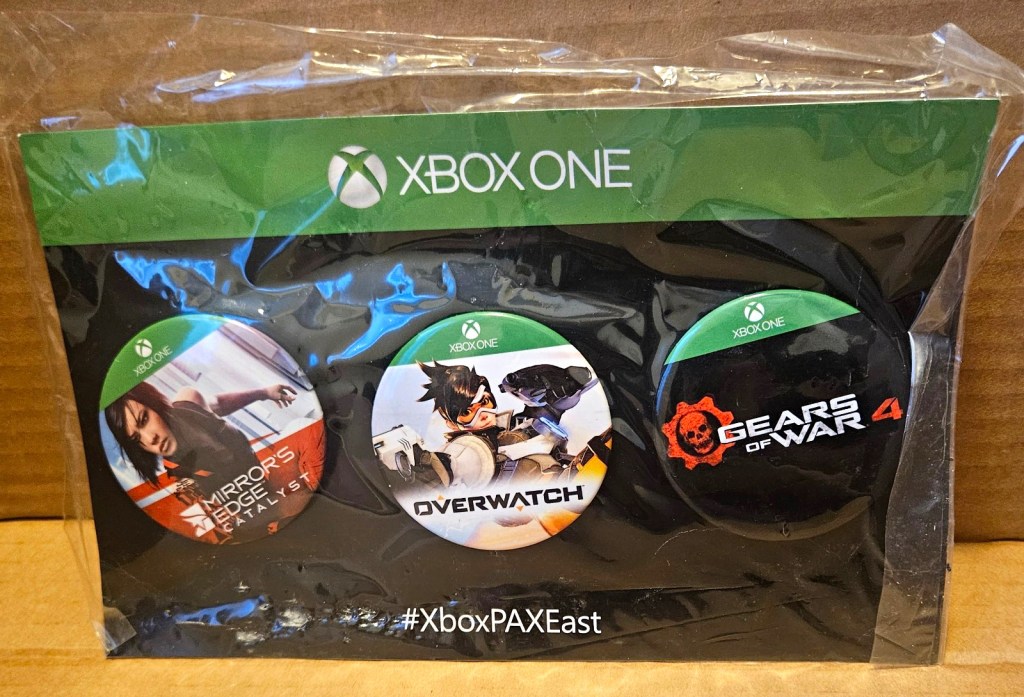
In the bustling corridors of a thriving gaming convention, micro-mathers of fandom converge: a trio of pins, a beloved hero, and a console lineage that stretches from living rooms to the trade show floor. The latest Xbox One homage to Overwatch introduces a tangible piece of that virtual universe into the real world, inviting players to pin their loyalty with a tactile reminder of the game’s ongoing cultural footprint. For enthusiasts, the Overwatch ecosystem is more than a game; it is a shared story told through cosmetics, characters, and limited drops that become conversation starters across communities. Meanwhile, the Xbox One platform remains a perennial showcase for collaborations that merge hardware, software, and pop culture into a single, collectible moment, as documented by numerous tech retrospectives on Wikipedia and industry analyses at IGN.
From Booth Demos to Die-Cast Memories
The spectacle at a trade show floor often centers on the tactile: a gently weighted pin set, a glossy image of Tracer, and a display that makes digital heroes feel within reach. These items—acquired or coveted—become symbols of participation in the larger narrative of a franchise’s evolution. Observers can cross-reference the design ethos of collectible pins with broader histories of trade shows, where fans map their personal timelines against a company’s milestones, and where IMDB-adjacent media narratives often find a visual echo in merchandise aligned with the game’s characters. The synergy between hardware ambitions on the Xbox official site and the playstyle identity of Overwatch continues to shape collector culture, a trend chronicled in industry roundups on Billboard for its crossover with media moments.
Collectors’ Economics and Cultural Value
On a marketplace stage, items like a Tracer pin set serve as both memorabilia and micro-investments in a fandom’s memory bank. The price tag—two digits in USD—reflects not just scarcity but the narrative value fans attach to limited-edition drops that often align with events like PAX East. For readers tracking the economics of gaming memorabilia, sources on collectibles offer context on how limited runs, vendor partnerships, and fan-driven demand drive secondary markets, while mainstream outlets like Rolling Stone contemplate the cultural cache of such items in the broader entertainment economy. The convergence of Xbox One hardware affinities and Overwatch lore underlines a moment where game world and fan economy intersect on a single booth floor, a topic discussed in depth by tech press on The Verge.
Design Language and Character Through a Pin
The physicality of a pin set translates character agency into collectible form, turning Tracer into something fans can wear, share, and trade. This tangible representation resonates with broader discussions of character design, where visual language—color palettes, silhouette, and emblematic cues—serves as entry points for new players while offering seasoned fans a compact archive of moments. For those curious about the evolution of character-centric merchandise, parallels can be drawn from fan-focused hubs at Wikipedia and official character pages on Blizzard platforms, with ongoing commentary from media outlets like IMDb on franchise storytelling threads.
Immersion Beyond the Badge
Even a small collectible can spark wider conversations about how a game’s identity travels from server to showroom. The Overwatch universe thrives on a mix of narrative bytes, competitive play, and community-driven lore—an ecosystem that continues to expand alongside hardware collaborations and event-driven drops. Insights into how such collaborations shape player psychology and market dynamics are frequently explored in industry analyses on IGN and cultural essays on HuffPost, where the interplay between digital worlds and physical memorabilia is a persistent theme. The union of Xbox hardware ambitions with a hero-driven IP remains a compelling case study for fans and collectors alike, highlighted by ongoing reporting on Wired.
Continued Adventures on the Hardware Frontier
As fans hold these pins aloft, they are also signaling a broader narrative about how entertainment franchises inhabit multiple mediums. The practical takeaway is a reminder: the best collectibles do more than decorate a shelf—they anchor memories, support a shared vocabulary among fans, and sometimes become entry points for new players to discover a world they are eager to explore. For those following the cross-pollination of video games and consumer electronics, timelines at Wikipedia and official product pages on Xbox offer accessible primers on how these collaborations come to life, while coverage on IMDB and IGN helps readers connect the dots between gameplay, character storytelling, and merchandising momentum.