V for Vendetta Finds the Nerve Again
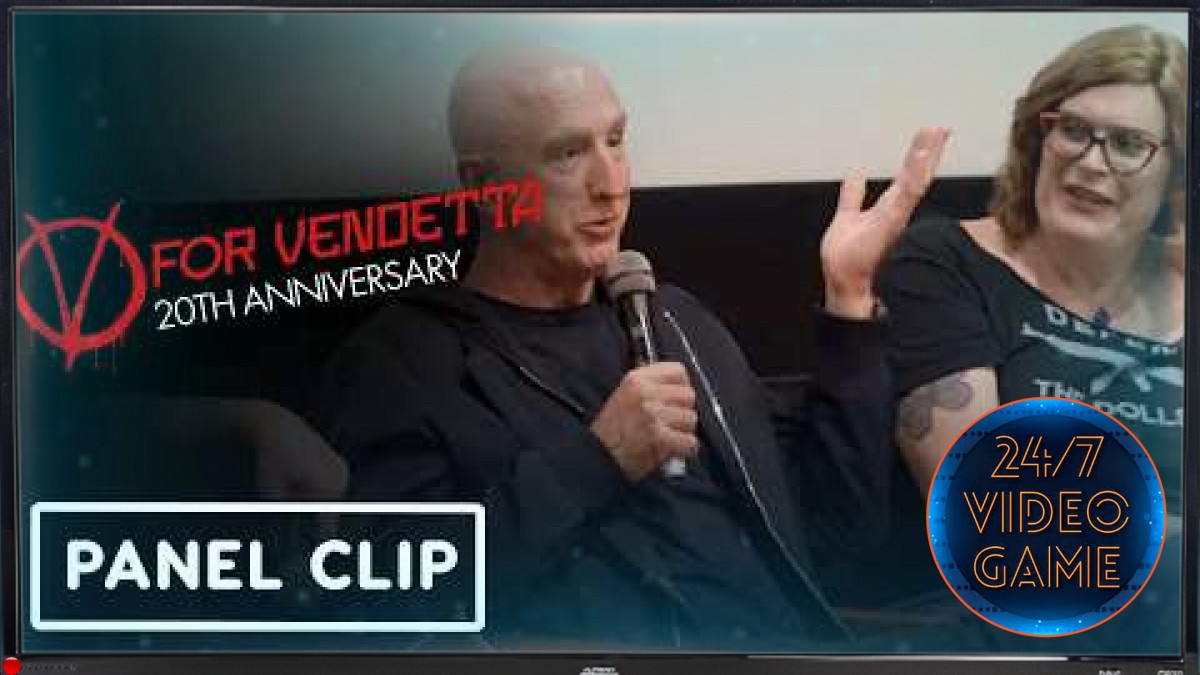
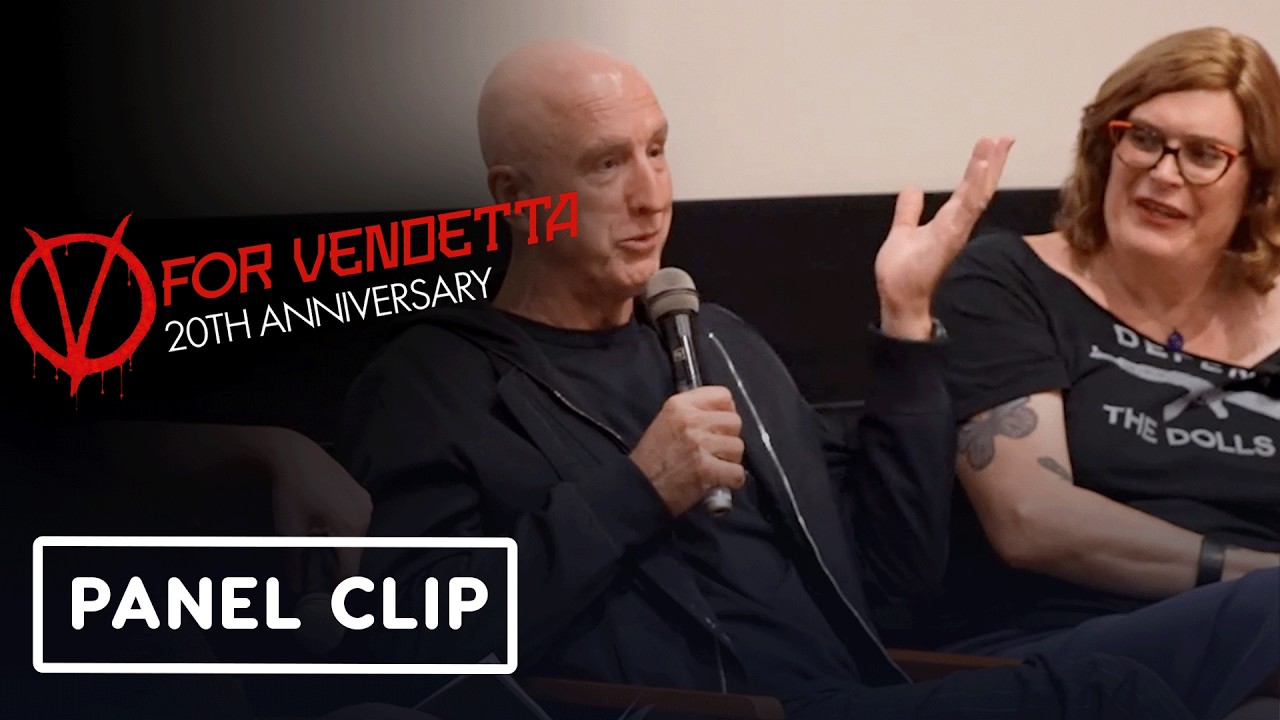
Two decades after its arrival, V for Vendetta is returning to theaters—and its central question feels anything but safely historical. Lilly Wachowski and director James McTeigue are reflecting on the film’s long afterlife as audiences revisit a story about authoritarian power, public fear, and the fragile space between obedience and resistance. The film’s IMDb profile traces its enduring place in modern cinema, while Rotten Tomatoes’ overview offers a snapshot of the movie’s critical reception.
Lilly Wachowski and the Power of an Uncomfortable Story
Adapted from the graphic novel by Alan Moore and David Lloyd, the film turns political ideas into a tense, intimate drama. Its masked revolutionary, V, wages war against a state that controls information and turns fear into a governing tool; Natalie Portman’s Evey, meanwhile, gives the story a human center, facing the cost of resistance rather than treating rebellion as an easy slogan. The creators’ reflections arrive against a backdrop that makes those themes newly sharp. More about the source material appears on DC’s V for Vendetta page, and Encyclopaedia Britannica’s discussion of totalitarianism helps frame the political anxieties the film dramatizes.
A Mask That Escaped the Screen
Few images from a modern film have traveled as far as V’s Guy Fawkes mask. It began as part of a fictional character’s unsettling silhouette, then became a recognizable emblem in demonstrations and online culture—an unusual case of movie imagery taking on meanings beyond its original story. That transformation is part of the film’s complicated legacy: symbols can gather new force, but they can also flatten complicated arguments into a single striking face. The history of Guy Fawkes and the plot behind the mask are explored by Britannica, while History.com’s account of Guy Fawkes Day provides further context for the imagery.
Two Decades Later, the Warning Still Resonates
The film’s return to theaters offers more than a nostalgia trip. Its lasting pull comes from the friction between spectacle and warning: grand speeches and explosive acts sit beside quieter questions about surveillance, propaganda, and what people surrender when they feel unsafe. V for Vendetta does not make those questions simple, and that unresolved tension may be precisely why audiences keep returning to it. Details about the theatrical rerelease are available through Fathom Entertainment, while Warner Bros.’ film page revisits the movie’s place in the studio’s catalog.