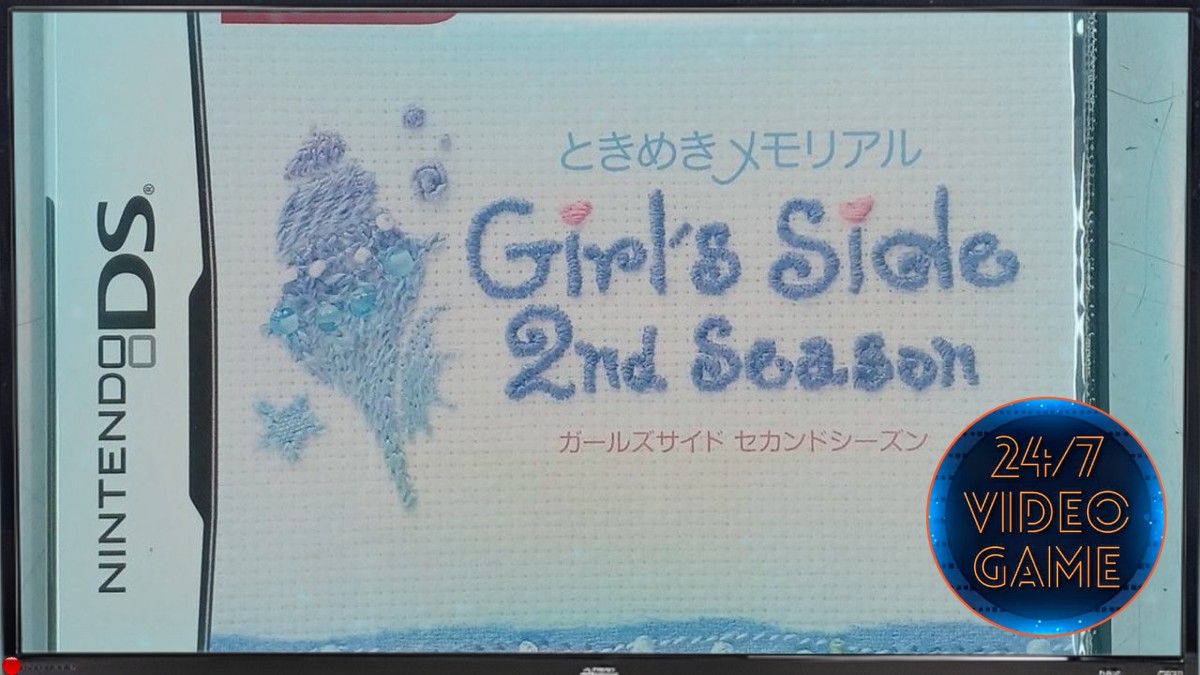
Some games make their worlds feel enormous through sprawling maps or cinematic spectacle. Tokimeki Memorial Girl’s Side 2nd Season takes a quieter route: it turns everyday school life into a delicate series of choices, conversations, and carefully timed encounters. Released for the Nintendo DS by Konami, this entry in the long-running Tokimeki Memorial series brings its courtship-focused formula to a handheld built for quick, intimate play sessions. The broader series has a fascinating history in Japanese games, as explored by Wikipedia’s Tokimeki Memorial overview and Konami’s official site.
A School Year Built Around Small Decisions
At the heart of Girl’s Side 2nd Season is a familiar but enduring fantasy: navigating school, developing a personal style, and seeing which relationships bloom along the way. Rather than treating romance as a single destination, the game makes it part of a broader routine shaped by social choices and time management. A conversation or activity can nudge a connection forward, while the calendar keeps the pressure gently present. That mix links the game to the wider dating sim tradition, a genre profiled in Wikipedia’s dating sim entry and discussed across the larger games landscape at IGN.
The DS Makes Romance Feel Close at Hand
The Nintendo DS is more than a convenient place to carry a long-running series. Its dual screens and touch interface give a relationship-focused game a distinctly personal texture, turning brief interactions into moments that feel closer to a private exchange than a distant cutscene. The device’s design helped make it a natural home for games built around regular check-ins and small rituals, a legacy visible in handheld gaming histories from Wikipedia and retrospectives at Nintendo Life.
Why Girl’s Side Still Has a Distinctive Appeal
What gives Tokimeki Memorial Girl’s Side 2nd Season its staying power is the way it treats attention as the real currency of romance. Players learn to notice preferences, manage competing demands, and invest in relationships over time, making progress feel earned rather than automatic. That thoughtful pacing separates it from games where love is simply another reward on a checklist. For readers curious about the series’ place in Japanese pop culture, Wikipedia’s Girl’s Side overview offers useful context, while MobyGames tracks the broader history of video game releases.
For modern players, the game also offers a glimpse into an era when portable systems made room for experiences that were personal, patient, and easy to revisit between other parts of daily life. Its appeal is not just the promise of a happy ending, but the little decisions that make each route feel like its own story. In that sense, Girl’s Side 2nd Season remains a compelling snapshot of romance-game design and the Nintendo DS era, fitting neatly into the histories documented by Wikipedia’s video game overview and Eurogamer.