A lawsuit that reaches beyond one campus
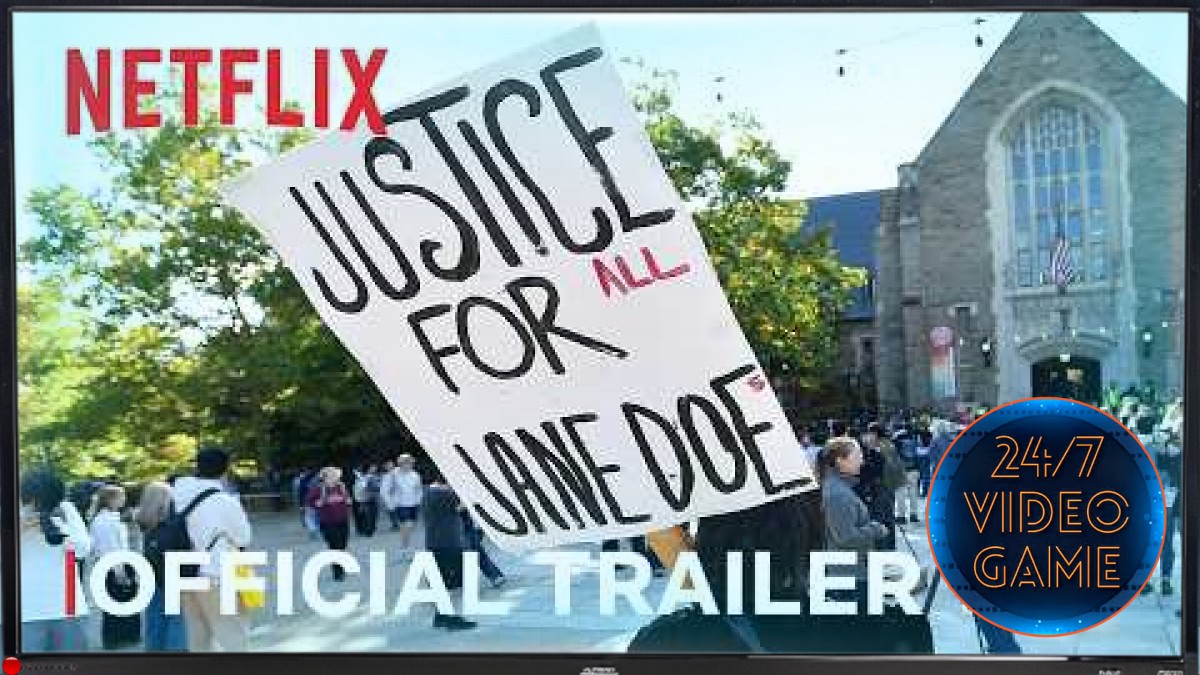
The trailer for Instadocs Jane Doe v. Cornell opens on a story that has already spilled beyond the university gates: Jane Doe’s lawsuit against Cornell has sparked campus protests and fierce reactions online. The documentary promises to examine not only the case, but the systems that respond when students report sexual misconduct. That wider focus gives the film a sharp institutional dimension, linking one high-profile dispute to debates that echo across higher education. The series is presented by Netflix, while Cornell University is at the center of the story.
Jane Doe’s case and the machinery around it
Rather than treating a campus sexual-assault investigation as a closed chapter, Instadocs points toward the complicated processes that shape what happens after a report is made. The trailer names campus police and Title IX as part of that examination, foregrounding the systems whose decisions can carry profound consequences for students. Title IX is a federal civil-rights law associated with sex-based discrimination in education, and the U.S. Department of Education outlines its role. For broader context on the law’s history, Title IX’s background shows how its reach has evolved over time.

Compare Live Prices
Lore & Research Data
Partner Deals & Off-Topic
Student journalists at the story’s front line
One of the trailer’s most compelling details is the presence of student journalists at the forefront of the story. Their position offers a distinctive vantage point: they are documenting events within the same campus community where protests, institutional processes, and online debate collide. That proximity can make reporting feel immediate, while also raising difficult questions about access, responsibility, and the pressure of covering a story with deeply personal stakes. The official Netflix listing introduces the documentary, and The Cornell Daily Sun provides a window into student journalism at Cornell.
Online backlash becomes part of the case
The trailer also signals that the story does not end in meeting rooms or on campus: visceral online backlash has become part of the public conversation. Social platforms can amplify testimony and scrutiny, but they can also intensify judgment before complicated facts are fully understood. By placing protests and digital reaction alongside the investigation, the film appears poised to explore how public attention shapes a case—and the people caught within it. The documentary’s Netflix page offers the premiere details, while the Pew Research Center’s internet coverage examines the broader role of digital life in public discourse.
A documentary built around unresolved questions
Set to premiere on October 29, Instadocs Jane Doe v. Cornell is framed less as a simple account of a lawsuit than as a close look at the systems and communities surrounding it. Its most pressing questions concern how universities investigate sexual-misconduct claims, how those processes are experienced by students, and what happens when a private campus dispute becomes a highly visible public story. The trailer makes no easy answers its selling point; instead, it invites viewers to consider the stakes of accountability and institutional trust. More information is available through Netflix and the university’s official website.