
Reviving a Local Vision Through Global Access
In a world where prestige streaming titles dominate conversation, a Midwestern newspaper’s revival story emerges as a quietly riveting study in community resilience. The documentary crew from Dunder Mifflin’s Scranton lineage uncovers a publication grappling with dwindling readers, a publisher fighting to keep the press alive, and a town hungry for a reliable voice. This is not merely a behind-the-scenes look at journalism; it’s a meditation on how storytelling can anchor a community when economic winds push toward silence. For readers wanting deeper context, sources like Wikipedia and IMDb offer expansive histories of how newspapers have navigated upheaval and renewal in modern times. IGN offers a thoughtful breakdown of documentary storytelling that mirrors the pacing seen here.
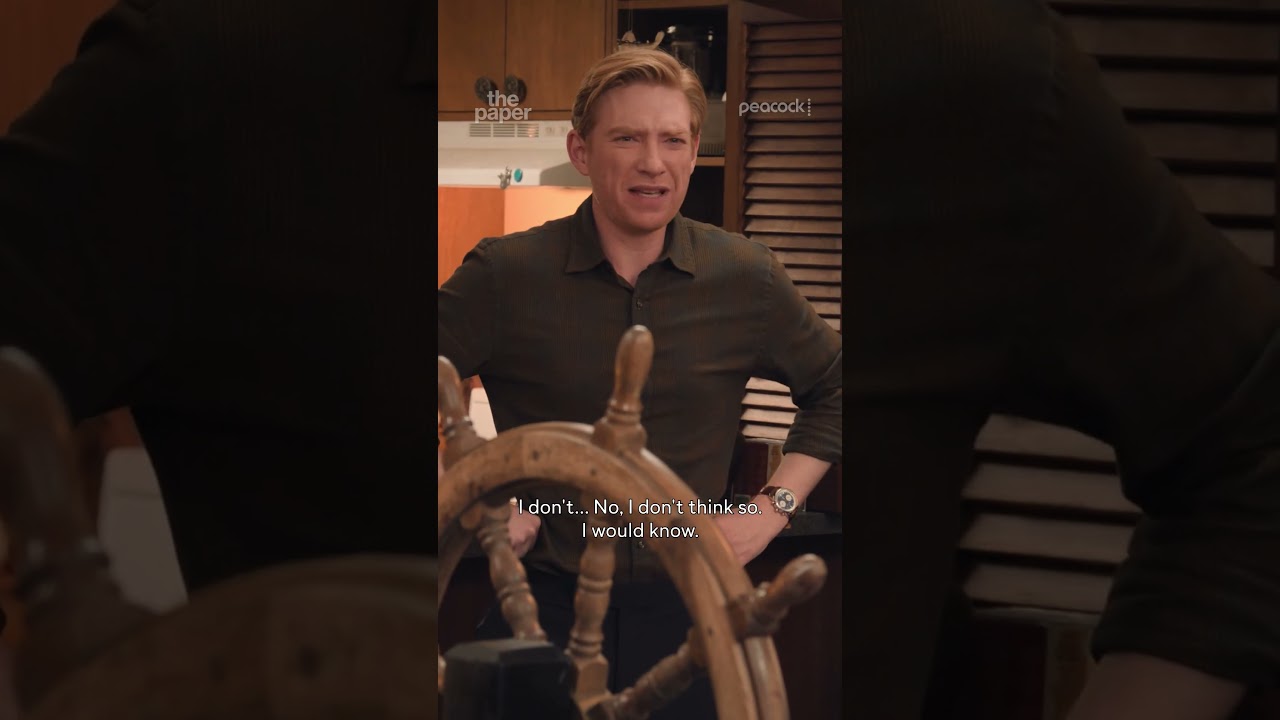
The project’s scope is amplified by the starry ensemble: Oscar Nunez and Domhnall Gleeson anchor the story with calm authority, while Melvin Gregg brings a measured intensity that makes every page turn feel consequential. The documentary tone is balanced with cinematic clarity, inviting audiences to read between the lines of a small-town revival. For broader context on these performers, see Wikipedia and IMDb, with IGN’s profile pieces offering contemporary career trajectories that illuminate their screen choices. Rotten Tomatoes provides a composite view of critical reception that helps frame expectations for this project.
From Bureaucracy to Belief: The Paper’s Narrative Core
The storytelling unfolds like a newsroom recipe: a struggling local paper, a publisher with a dream, and a crew chasing truth with a camera as the compass. The tension rests not on fireworks but on the quiet decision to publish amid pressure—an almost editorial act of faith. Viewers curious about the mechanics behind such revivals can explore articles on BBC Culture and the craft-focused conversations at New York Times – Newspapers. The production’s cadence aligns with streaming-era documentaries that blend intimate interviews with economic realism, a balance well-documented by Billboard and Rolling Stone in their analysis of contemporary non-fiction storytelling.
Key performances render the human stakes: Gleeson’s restraint invites viewers to feel the weight of each decision, Nunez’s wry pragmatism acts as a steadying force, and Gregg’s presence underscores the urgency of community journalism. For fans seeking deeper dives into these actors’ craft, check out IMDb actor pages and Rotten Tomatoes profiles that track how screen personas evolve with every role. The narrative threads also intersect with broader media discourse on how streaming platforms like Peacock curate a portfolio that blends nostalgia with new voices, as discussed in The Verge and New York Times Arts.
Peacock as a Portal to Local Legends and Global Conversations
Peacock’s streaming strategy, highlighted in the press kit and promotional copy, positions the platform as a conduit for both high-profile releases and undersung documentaries. This dual approach mirrors the paper’s own balance between strong editorial leadership and the hunger of a community to see itself represented on screen. For industry context on Peacock’s evolution, consult Wikipedia Peacock page and IMDb Peacock entries. Critics across outlets like Billboard and Rotten Tomatoes trace how such services foster ecosystems where documentary storytelling can thrive alongside blockbuster premieres. The result is a streaming landscape where regional stories can achieve universal resonance without sacrificing specificity.
With a lineup that includes heavyweights from NBCUniversal’s orbit and a narrative that champions local perseverance, the documentary becomes more than a case study—it becomes a blueprint for aspiring writers and filmmakers. VIEWERS can explore supplementary materials and interviews through Peacock Official and IMDB Techniques, which illuminate how editors sculpt rhythm, mood, and trust on the page and behind the lens. The experience invites conversation about the future of regional journalism, the role of streaming in reviving local institutions, and the ways audiences connect with stories that feel both intimate and globally accessible.
Why This Story Matters Right Now
In a media era saturated with loud spectacles, a quiet triumph over obscurity feels refreshing and necessary. The Paper channels that sentiment by showing how one publisher’s vision can spark a community-wide re-engagement with news, culture, and shared memory. For readers seeking more reading material about revivalist journalism and documentary ethics, Wikipedia – Media Ethics and IMDb – Documentary Lists offer catalogues that complement the film’s themes. Meanwhile, the ensemble’s performances provide a masterclass in restrained charisma, a reminder that impactful storytelling often prefers focus over flash and honesty over theatrics. To explore more on the cast’s filmography, consult Oscar Nunez IMDb and Domhnall Gleeson IMDb for a broader sense of how each career trajectory informs this project.