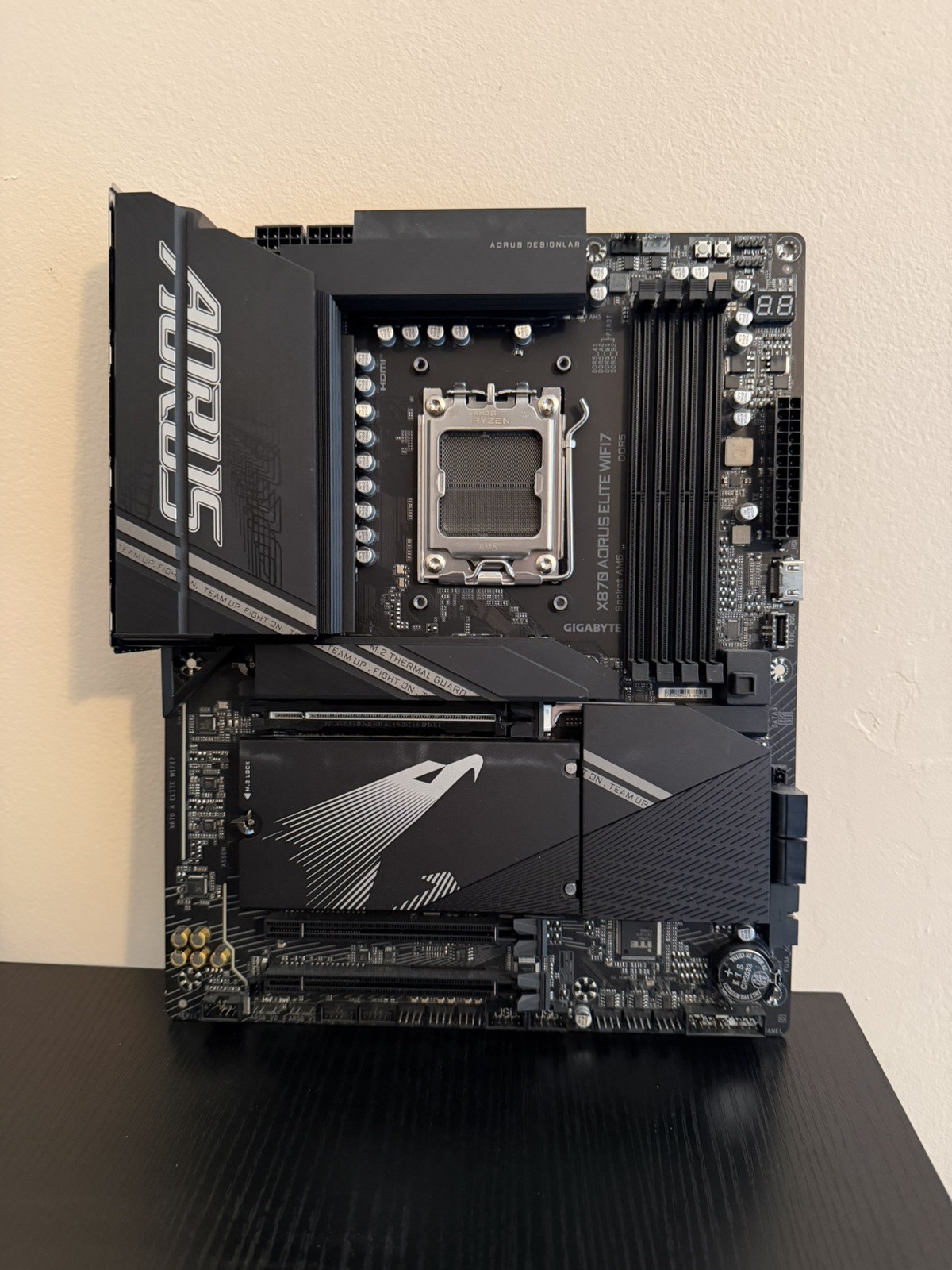
Gaming PC Parts Bundle – Motherboard PSU RGB Fans

Listing type: Fixed price
Best offer: Available
Seller: ryanmoffitt (100.0% positive feedback)
Location: US
Condition: Used
Price: 350.00 USD
Shipping cost: Free
Buy It Now
#Sponsored
Building a gaming PC is an exciting balance of performance, aesthetics, and future-proofing. A well-chosen parts bundle that centers on a compatible motherboard, a reliable power supply, and RGB fan aesthetics can set the foundation for a system that both performs at a high level and looks great in any setup. This guide explores how to think about each component, how they work together, and practical tips for selecting a cohesive bundle.
1) The Motherboard: The Backbone of Your Build – Socket and Chipset: Start with the CPU choice and ensure the motherboard socket matches. Common modern options include Intel LGA 1700 and AMD AM5. The chipset determines features like PCIe lanes, memory support, overclocking capabilities, and I/O options. Consider future-proofing by selecting a model with extra PCIe slots, USB ports, and high-speed RAM support. – Form Factor: ATX is the most versatile for mid-tower builds, but micro-ATX and Mini-ITX are viable for compact rigs. Ensure the case you choose supports the motherboard’s form factor. – Power Phases and VRM Heatsinking: A robust VRM design improves stability under load, especially for CPUs with higher TDP or when overclocking. Look for sufficient power phases, quality heatsinks, and good thermal design. – Connectivity and Features: Evaluate onboard Wi‑Fi/Bluetooth (if needed), Ethernet speed, USB-C headers, PCIe version support, and M.2 slots for fast NVMe storage. If you plan to run multiple GPUs or high-end GPUs, ensure there are enough PCIe slots and adequate PCIe version support.
2) The Power Supply Unit (PSU): The Lifeline of Your System – Wattage and Efficiency: Estimate total system power consumption with headroom. Use a reliable calculator and target at least 20–30% headroom for peak loads. Aim for an 80 Plus Gold or better efficiency rating for better efficiency and lower heat. – Rails and Ripple: Look for a PSU with solid voltage regulation and stable rails, especially for high-end GPUs and CPUs that spike power draw. A reputable brand with solid testing standards helps ensure reliability. – Modularity: A modular or fully modular PSU makes cable management easier, improving airflow and aesthetics. This is particularly valuable when coordinating a clean look with RGB components. – Sleeved Cables and Compatibility: If you’re going for a RGB/pure aesthetic bundle, consider a PSU with matching sleeved cables or at least color-coordinated cable options.
3) RGB Fans: Aesthetics Meets Thermals – Airflow vs. Aesthetics: RGB fans serve both form and function. Prioritize fans with good static pressure for radiators and heatsinks, and ensure your case air intake and exhaust promote positive or balanced airflow. – Noise Level: Look for fans with low decibel output at your target RPM. Many fans offer PWM control, allowing your motherboard or fan hub to adjust speed based on temperature. – RGB Control: Decide whether you want motherboard-controlled RGB, a dedicated RGB controller, or a USB/RGB hub. Ensure compatibility with your motherboard’s RGB header (addressable or non-addressable) and any software suites you plan to use. – Hub and Synchronization: A single hub can synchronize multiple fans and RGB strips, creating a cohesive lighting profile. Verify the hub supports the number of fans you intend to install and works with your motherboard software or the case’s controller.
4) How to Build a Cohesive Bundle – Compatibility Check: Confirm socket compatibility between the CPU and motherboard, RAM speed and type (DDR5 or DDR4) with the chosen motherboard, and PCIe bandwidth for the GPU and NVMe storage. – Power Benchmarks: Sum up a realistic GPU and CPU power draw scenario, then select a PSU with ample headroom. Don’t forget additional components like the motherboard, RAM, storage, fans, and peripherals. – Case Fitment: Ensure the motherboard form factor, GPU length, and radiator/fan clearance align with the case. RGB fans should fit the number of fan mounts available without obstructing cables or drives. – Cable Management Plan: Plan your cable routing before assembly. Position the PSU at the bottom or top (depending on case design), route SATA and power cables cleanly behind the motherboard tray, and use zip ties or Velcro to keep things tidy. – Cooling Strategy: Balanced airflow typically involves 2–3 intake fans at the front, 1–2 exhaust fans at the rear/top, and appropriate CPU cooling. RGB fans should not compromise airflow; prioritize performance where it matters most.
5) Practical Tips for a Polished Build – Software and Control: Decide whether you’ll control RGB through motherboard software, a standalone RGB controller, or a dedicated lighting hub. Consistent profiles across fans and components create a cohesive look. – Future Upgrades: Choose a motherboard with additional slots and features to accommodate future GPUs, extra NVMe drives, or increased RAM if you anticipate performance needs shifting over time. – Aesthetic Cohesion: If color coordination matters, consider a color scheme (e.g., black and white, or a specific accent color) and select components that fit that palette. Even small details like sleeved cables and matching cable combs can elevate the final appearance. – Build Cleanliness: Use cable combs, braided sleeves, and zip ties to reduce clutter inside the case. Proper routing not only looks better but can improve airflow and thermals.
Conclusion A well-chosen gaming PC parts bundle centered around a solid motherboard, a dependable PSU, and thoughtfully selected RGB fans can deliver an outstanding blend of performance, reliability, and visual appeal. By prioritizing compatibility, cooling, and cable management, you’ll create a system that’s ready for current titles and flexible enough to adapt to future gaming demands.