
Seller: klim-4323 (0.0% positive feedback)
Location: US
Condition: Used
Price: 750.00 USD
Buy It Now
#Sponsored
In the world of PC gaming, a well-balanced desktop setup can unlock higher frame rates, richer visuals, and a smoother overall experience. This guide outlines practical considerations for choosing components, optimizing performance, and maximizing value without overextending your budget.
Compare Live Prices
Lore & Research Data
Partner Deals & Off-Topic
1) Define your target and budget Before selecting parts, define your gaming goals. Are you chasing 4K60, high-refresh 1440p, or esports-grade 1080p with ultra settings? Establish a realistic budget that accounts for a capable GPU, a responsive CPU, sufficient RAM, fast storage, a good cooling solution, and a reliable power supply. A clear target helps prevent feature bloat and ensures a balanced build.
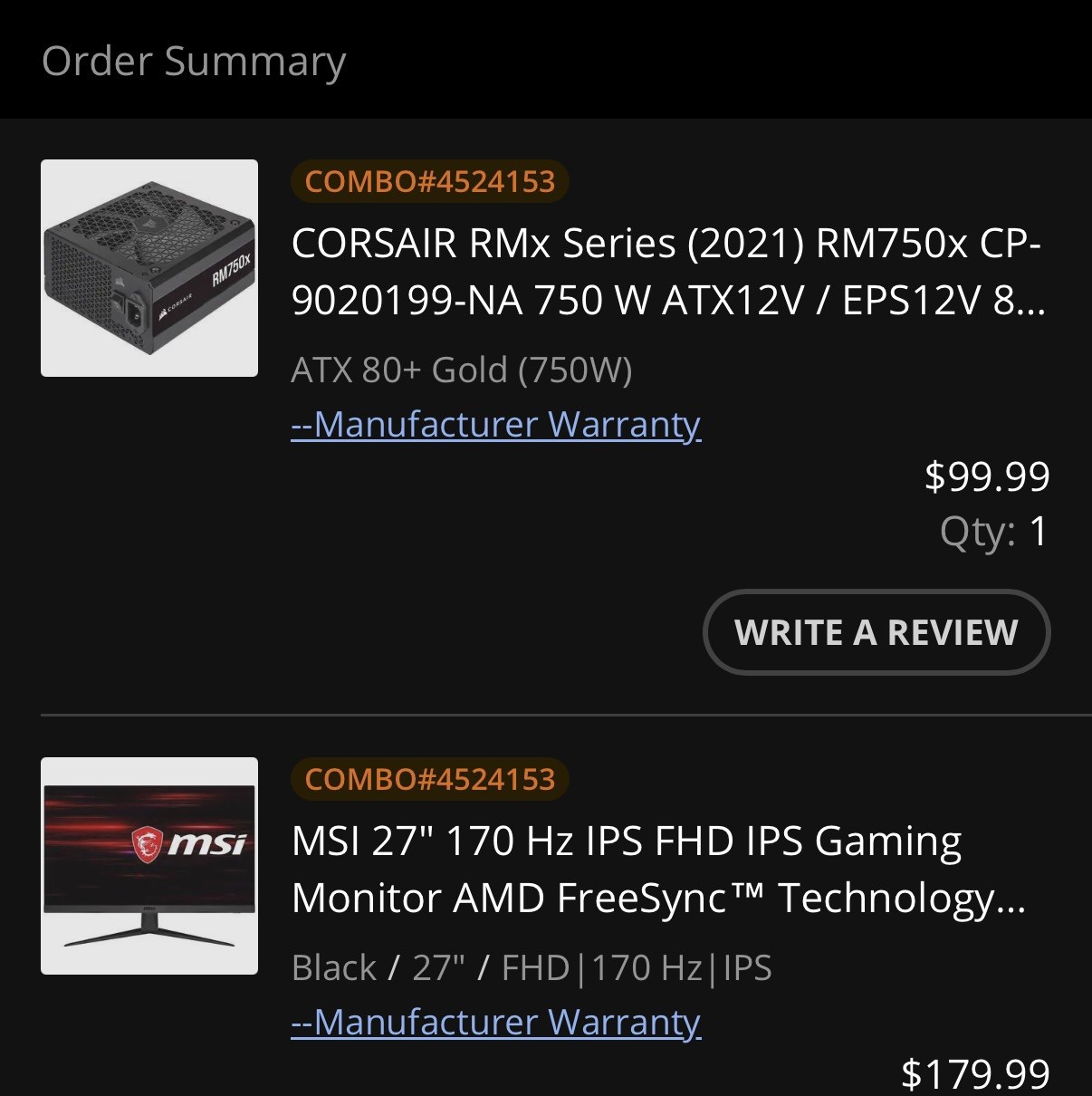
2) Core components to prioritize – GPU: The graphics processor is the foundation of modern gaming performance. Choose a model that aligns with your target resolution and frame-rate goals. If you’re aiming for high settings at 1440p or 4K, invest in a newer generation card with ample VRAM and ray-tracing capabilities. – CPU: Modern games benefit from a strong single-core and multi-core performance. A balanced pairing with your GPU matters; pairing a top-tier GPU with a weak processor can bottleneck performance in CPU-bound scenarios. – RAM: 16GB is a solid baseline for most games today, with 32GB appealing for future-proofing and heavy multitasking. Consider faster DDR4 or DDR5 memory if your motherboard supports it. – Storage: An NVMe SSD for the operating system and frequently played titles dramatically reduces load times. A secondary SSD or HDD can store a larger game library at a lower cost. – Motherboard and capacity: Ensure your motherboard supports your chosen CPU, RAM speed, and expansion needs (PCIe slots, USB ports, and network options). Factor future upgrades into your plan. – Power supply: Choose an PSU with enough wattage and a reliable efficiency rating (80 Plus Gold or higher). A modular design simplifies cable management and airflow. – Cooling: Efficient cooling preserves performance and prolongs component life. Depending on case size and thermal design, consider air cooling with quality heatsinks or a capable liquid cooling solution for higher-end builds. – Case and airflow: A well-ventilated case with clean cable management improves thermals and noise levels. Ensure it fits your motherboard form factor and GPU length.
3) Balancing performance and value – Targeted upgrades: If budgets are tight, upgrade the GPU first for the most impactful gains in visuals and frame rates, then address CPU and RAM as needed. – Platform longevity: Invest in a platform with upgrade paths (for example, a motherboard and CPU combo that enables future GPU and memory upgrades) to extend the life of your build. – Storage strategy: Start with a fast boot drive (NVMe) and add capacity later as your library grows. Prioritize games you play most on the faster drive.
4) Build considerations and assembly tips – Cable management: Plan your cable routes to improve airflow and aesthetics. Modular power supplies simplify this process. – Thermal management: Keep fans organized for positive airflow (intake at the front/bottom, exhaust at the rear/top). Regularly clean dust filters to maintain cooling efficiency. – BIOS and drivers: Update your motherboard BIOS as needed and install the latest graphics drivers. Enable features like XMP profiles if your RAM supports them to achieve rated speeds. – Operating system setup: A fresh OS installation can improve performance and boot times. Consider enabling gaming-oriented services and disabling unnecessary background tasks.
5) Buying guidance and red flags – Sales and bundles: Look for promotions on GPUs, CPUs, or bundles that include storage or RAM. Be mindful of inflated MSRP during peak demand. – Compatibility checks: Use online compatibility tools to verify CPU socket, RAM compatibility, and GPU fit within your case dimensions. – Warranty and support: Favor components with robust warranties and reliable vendor support, especially for high-ticket items like GPUs and power supplies.
6) Maintenance and future-proofing – Regular updates: Keep drivers and firmware current to maintain compatibility and performance improvements. – Incremental upgrades: When feasible, upgrade one component at a time (e.g., add more RAM or swap in a faster SSD) to extend the life of your system without a full rebuild. – Backup strategy: Implement a routine backup plan for saved games and important files to protect against data loss.
Conclusion A gaming PC desktop should be tailored to your specific resolution targets, preferred genres, and budget. By prioritizing a balanced combination of GPU, CPU, memory, and storage, and by considering future upgrade paths, you can achieve compelling performance, efficient thermals, and solid value over years of gaming.