Drake Turns Heartbreak Into an Atmosphere
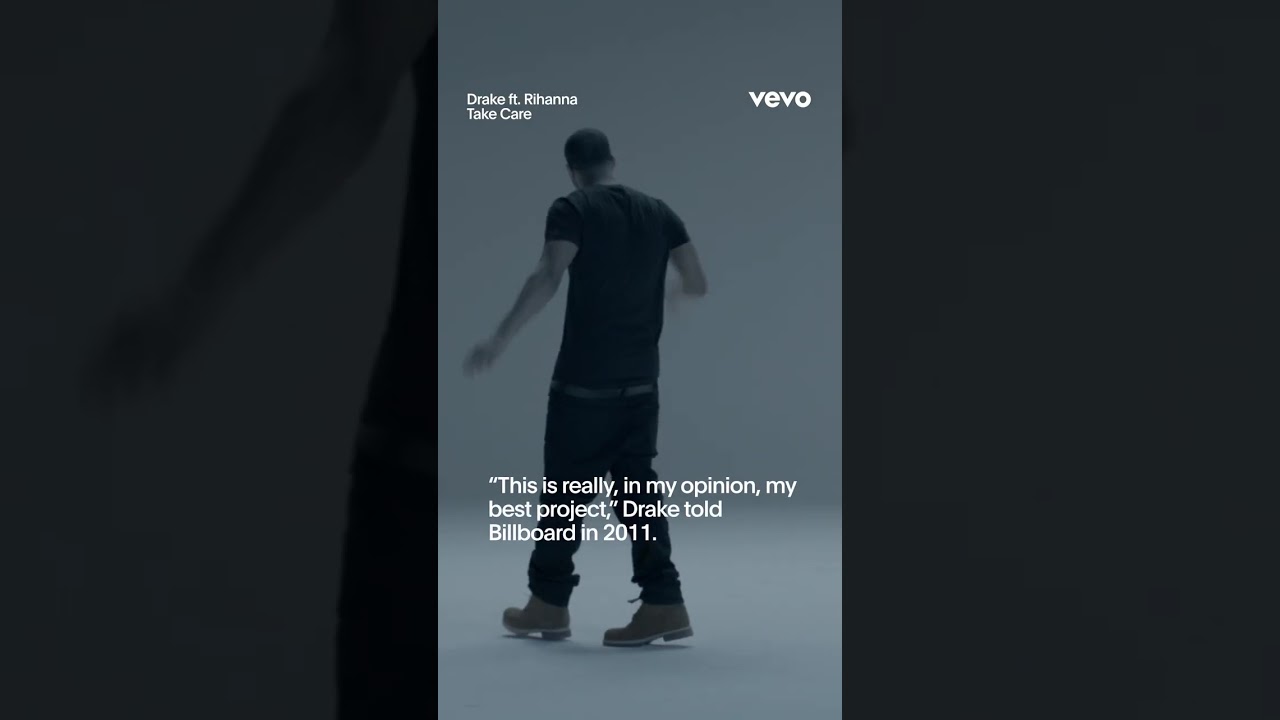
Fifteen years after its release, Take Care still feels less like a collection of songs than a world after midnight: intimate, restless, and glowing with the push and pull of fame and loneliness. Released on November 15, 2011, Drake’s second studio album helped define the sound of a decade, pairing confessional songwriting with spacious production that left room for every doubt to linger. Its place in Drake’s career is charted in the album’s history and the Billboard record books.
The Sound of a Phone That Never Stops Ringing
The album’s signature mood comes from the tension between closeness and distance. On the title track, Rihanna’s guest vocal turns a bruised relationship into a striking duet, while Jamie xx’s production gives the song its shivering, storm-lit pulse. Elsewhere, the restrained beats and carefully layered vocals make even the grandest moments feel private, as if the listener has wandered into a conversation not meant for the whole room. The track’s credits and legacy can be explored through Drake’s Grammy profile and AllMusic’s album guide.
From Marvins Room to Headlines
Few songs capture the album’s emotional contradictions as vividly as “Marvins Room,” a hazy, regretful monologue that made a late-night phone call feel like a full-scale drama. Then there is “Headlines,” whose crisp, assured hook turns public success into another source of pressure. Together, the tracks show the album’s defining trick: Drake can sound both triumphant and unsure, sometimes within the same breath. The songs remain central to the story told by Take Care’s track list and Drake’s long-running chart presence.
A Blueprint That Outlasted the Moment
Take Care helped bring melodic rap and emotionally open songwriting further into the mainstream, but its influence is more than a checklist of sounds that came after it. The album’s lasting appeal lies in its willingness to let confidence crack: its biggest hooks sit beside self-questioning verses, and its polished production never quite erases the ache underneath. On its 15th anniversary, the conversation around favorite tracks is also a reminder of how much of modern rap’s emotional vocabulary the record helped make familiar. Its recognition is reflected in the Recording Academy’s coverage of Drake and the album’s enduring reputation in music criticism.