
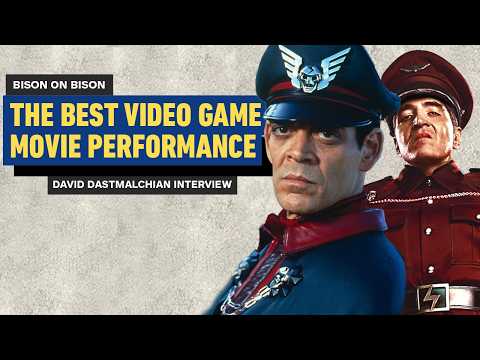

Street Fighter’s Bold Venture Still Shines Across the Decades
In a landscape where game-to-film adaptations often stumble, the 1994 Street Fighter remains a touchstone for many fans. As interviews roll out about the film’s legacy, the enduring impression centers on a towering performance: Raúl Juliá in the role of M. Bison. While the film itself splits opinions, Juliá’s portrayal endures as a benchmark of commitment, charisma, and unnerving poise that continues to spark discussion across gaming and cinema communities. Readers can explore more about Juliá’s filmography on Wikipedia and delve into critical perspectives on IMDb, where the performance is frequently highlighted in retrospectives. Likewise, fans can revisit key moments through IGN and Rotten Tomatoes discussions that frame the film’s cultural footprint.
From Villainy to Iconic Stage Presence
The article at hand explores how a foray into a beloved arcade legacy became a double-edged beacon for performance and production constraints. Juliá’s M. Bison is not merely a villain on a screen; he embodies a theatrical rhythm that blends menace with a magnetic screen presence. This combination inspired generations of fans and creators who look back at that era of film-making with a mix of nostalgia and critical curiosity. To contextualize the performance, look for broader analyses at Street Fighter (1994) on Wikipedia and examine how fans and critics have re-evaluated it on IMDb. Moreover, a detailed breakdown of Juliá’s approach can be found in Rolling Stone’s coverage and contemporary retrospectives on Polygon.
Why This Performance Still Holds Up in a Modern Era
Even decades later, the consensus among enthusiasts is that Juliá’s M. Bison captures a specific blend of theater and menace that few modern video game adaptations have matched. The film’s production design, along with Juliá’s measured cadence and chilling delivery, created a template for villainous presence that resonates in discussions about how to translate game antagonists into cinematic form. For fans seeking a broader lens, comparative analyses exist on Variety and fan-guided explorations on The Mary Sue, where the conversation extends beyond a single performance to consider how game lore informs filmic choices. Additional context can be found on IMDb’s deep dive into the production, while Billboard offers cultural snapshots that situate the film within the 1990s entertainment ecosystem.
Craft and Context: The Making of a Cinematic Villain
Examining the craft requires attention to direction, production constraints, and the era’s evolving standards for adaptation. Juliá’s performance emerges through a deliberate choreography of threat, rhetorical flair, and a stage-trained intensity that transcends the film’s budgetary limitations. The result is a portrayal that invites viewers to reassess how villainy can be both grand and intimate at the same time. For readers curious about the broader arc of game-to-film transitions, reference materials on video game adaptations and full credits provide a comprehensive map of the industry’s evolving landscape. Contemporary discussions can be explored through IGN and Rotten Tomatoes roundups that track how audiences re-engage with this legacy performance.
Impact Across Communities and the Way Forward
Beyond the screen, Juliá’s M. Bison continues to shape conversations within fan communities, cosplay circles, and scholarly discourse about adaptation fidelity and performance. The enduring affection for this portrayal underscores how a single screen moment can reverberate through decades of discourse, inspiring new generations to revisit the intersection of arcade roots and cinematic ambition. For further exploration of fan engagement and cultural impact, see Biographical profiles and Metacritic’s roundups that reflect critical sentiment over time. Additional historical context is available at IMDb and Wikipedia, tying the performance to the wider arc of video game cinema.